
 EN
EN
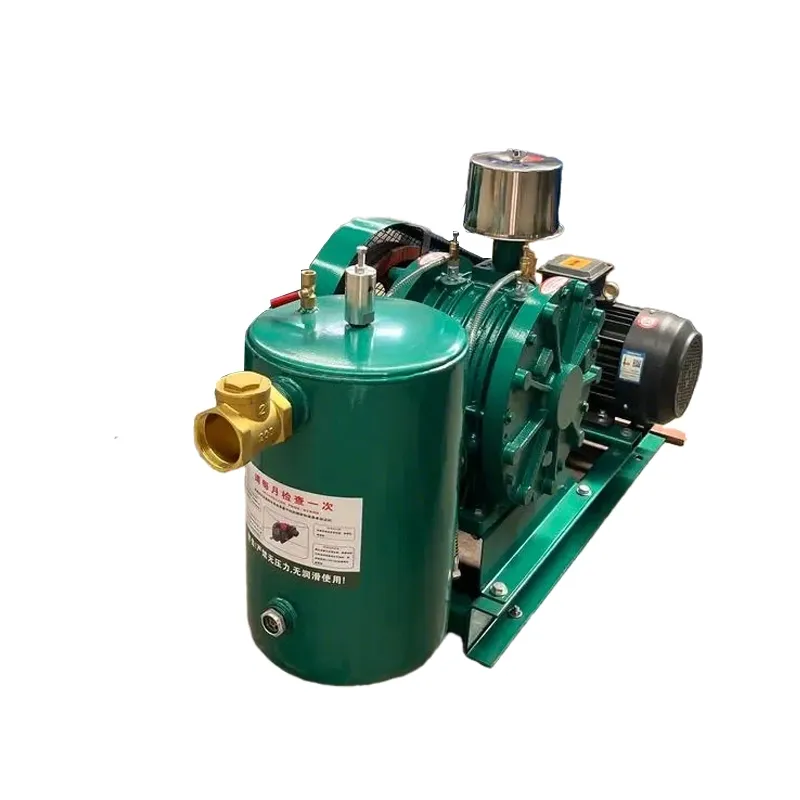
Industrial downtime represents one of the costliest challenges facing manufacturing and processing facilities today. Equipment failures, maintenance cycles, and inefficient operations can halt production for hours or even days, resulting in significant revenue loss and missed delivery deadlines. Positive displacement blowers have emerged as a critical solution to mitigate these risks by delivering consistent, reliable air compression that keeps operations running smoothly.
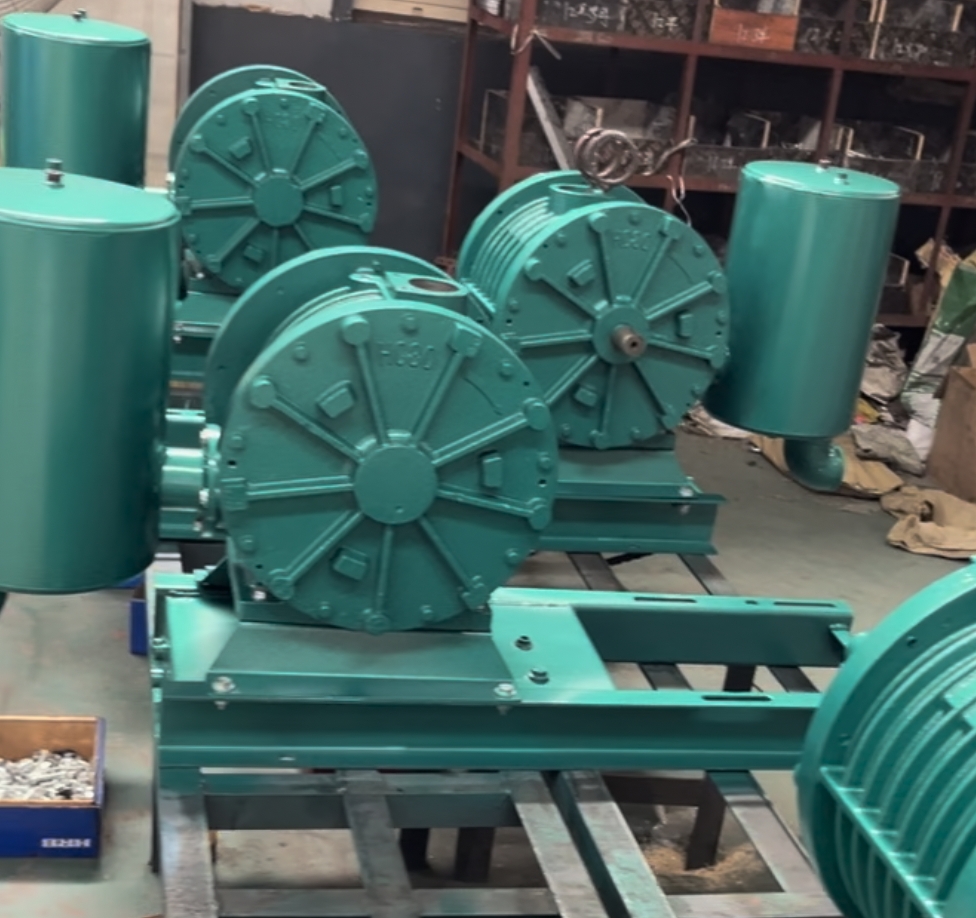
Understanding how positive displacement blowers function and their role in reducing operational interruptions is essential for facility managers and engineers. These systems provide superior reliability compared to traditional centrifugal alternatives, offering steady performance across varying load conditions. By integrating rotary lobe blowers applications into your operational infrastructure, you can significantly extend equipment life cycles and reduce unplanned maintenance events.
The Core Advantage of Positive Displacement Technology
How Positive Displacement Blowers Maintain Consistent Performance
Positive displacement blowers operate by trapping air in rotating chambers and forcing it into the discharge line at fixed rates. Unlike centrifugal blowers that rely on speed-dependent flow, these systems deliver predetermined volumes regardless of downstream pressure changes. This fundamental difference makes industrial air compression systems built on positive displacement principles ideal for applications requiring stable, predictable airflow. The technology ensures that critical processes receive uninterrupted air supply, preventing equipment failures tied to pressure fluctuations.
The rotary lobe design at the heart of most positive displacement blowers features two interlocking lobes that rotate in opposite directions. This design minimizes pulsation and vibration, resulting in smoother operation and reduced stress on connected equipment. Wastewater treatment facilities, pneumatic conveying systems, and vacuum applications all benefit from the steady performance characteristics that rotary lobe blowers applications provide across diverse industrial sectors.
Reducing Unplanned Maintenance Through Design Reliability
Equipment durability directly correlates with operational uptime. Positive displacement blowers are engineered with fewer moving parts than alternative compression systems, which inherently reduces failure points. The straightforward mechanical design means fewer components require routine servicing, and replacement parts remain relatively simple to source. This simplified architecture translates into lower maintenance costs and shorter repair windows when service becomes necessary.
Many facilities discover that switching to positive displacement pump selection guide principles significantly extends the intervals between major overhauls. The consistent operating pressures and predictable load patterns reduce wear on seals, bearings, and internal components. Over time, this reliability advantage accumulates, preventing the cascading failures that often characterize aging centrifugal systems and lead to extended downtime episodes.
Operational Efficiency and Cost Impact
Energy Consumption and Operating Economics
Industrial air compression systems account for substantial portions of facility energy budgets. Positive displacement blowers excel in applications where consistent airflow matters more than maximum pressure output. Their volumetric efficiency remains high across the typical operating range, meaning less wasted energy and lower power consumption compared to systems oversized for peak demands. Facilities can right-size their compression capacity to match actual requirements rather than planning for worst-case scenarios.
The economic advantage becomes particularly clear in applications running continuous or near-continuous duty cycles. Wastewater treatment plants, pneumatic conveying systems, and industrial vacuum applications operate around the clock, making energy efficiency paramount. By selecting appropriate rotary lobe blowers applications for your specific duty cycle, you avoid the efficiency penalties associated with oversized equipment running at partial loads. This targeted approach to capacity planning reduces both energy consumption and overall operating expenses.
Predictable Maintenance Budgeting
Facility managers value predictability. Positive displacement pump selection guide methodologies help establish realistic maintenance schedules and parts inventories. Unlike emergency-driven repair budgets associated with unexpected equipment failures, positive displacement systems enable proactive maintenance planning. Scheduled service intervals, combined with readily available wear parts and straightforward repair procedures, transform maintenance from a financial wildcard into a manageable expense line item.
The ability to forecast maintenance needs extends planning horizons and improves cash flow management. Facilities can coordinate routine service during planned production downtime rather than facing emergency shutdowns during peak demand periods. This scheduling flexibility alone can represent significant competitive advantages in industries where meeting delivery commitments directly impacts customer relationships and contract renewals.
Application-Specific Reliability Benefits
Sector Performance Across Diverse Industries
Industrial air compression systems utilizing positive displacement technology prove themselves across numerous demanding applications. Wastewater treatment and environmental remediation rely on positive displacement blowers to maintain aeration systems that cannot tolerate interruptions. Pneumatic conveying systems in food processing, chemical manufacturing, and material handling industries depend on consistent airflow to prevent product segregation and maintain throughput. Food packaging facilities, pharmaceutical manufacturers, and medical device producers all employ rotary lobe blowers applications where reliability directly impacts product quality and regulatory compliance.
Mining and mineral processing operations demonstrate how positive displacement pump selection guide principles apply to extreme environments. These harsh conditions generate equipment stress that would quickly compromise centrifugal systems, yet positive displacement technology maintains performance even under challenging circumstances. The proven track record across such diverse industries underscores the fundamental reliability advantage that positive displacement blowers bring to any operation requiring consistent, predictable airflow performance.
Minimizing Secondary Failures from Equipment Interruptions
When compression systems fail unexpectedly, the consequences extend beyond simple downtime. Aeration systems that lose air supply can damage biological treatment processes, potentially requiring weeks to restore bacterial colonies and return to normal operation. Pneumatic conveying lines without airflow may experience product bridging or segregation requiring manual intervention and line clearing. Equipment failures in compression systems frequently cascade into secondary problems that compound total operational disruption and recovery time.
Positive displacement blowers minimize these secondary failure risks through superior reliability and availability. The confidence that your industrial air compression systems will operate as specified allows production planners to maintain tighter operational windows and reduce protective capacity buffers. This efficiency gain, combined with the direct reduction in unplanned downtime, creates substantial competitive advantages for facilities that prioritize equipment reliability through technology selection.
FAQ
What Makes Positive Displacement Blowers More Reliable Than Centrifugal Alternatives?
Positive displacement blowers feature simpler mechanical designs with fewer moving parts compared to centrifugal systems, reducing potential failure points. The rotary lobe design delivers consistent airflow regardless of downstream pressure changes, eliminating the efficiency and reliability challenges that centrifugal systems face under varying load conditions. Additionally, the straightforward construction enables faster repairs and more readily available replacement parts, minimizing repair time when maintenance becomes necessary.
How Do Positive Displacement Pump Selection Guide Principles Help Reduce Downtime?
Proper positive displacement pump selection ensures your system matches the specific flow and pressure requirements of your application, preventing oversizing and the associated efficiency penalties. Right-sized equipment operates within optimal performance windows, experiencing less wear and stress. This targeted approach to capacity planning, combined with predictable maintenance schedules and readily available service parts, enables proactive maintenance planning that prevents emergency failures and allows coordination of service during planned production windows rather than during peak demand periods.
Which Industrial Applications Benefit Most from Rotary Lobe Blowers Applications?
Rotary lobe blowers applications prove valuable across numerous sectors including wastewater treatment, pneumatic conveying, industrial vacuum systems, food processing, pharmaceutical manufacturing, and mining operations. Any application requiring consistent, predictable airflow across continuous or near-continuous duty cycles benefits significantly from positive displacement technology. These systems excel where reliability directly impacts product quality, regulatory compliance, or environmental performance, making them particularly valuable in industries where equipment interruptions create cascading secondary failures.