
 EN
EN
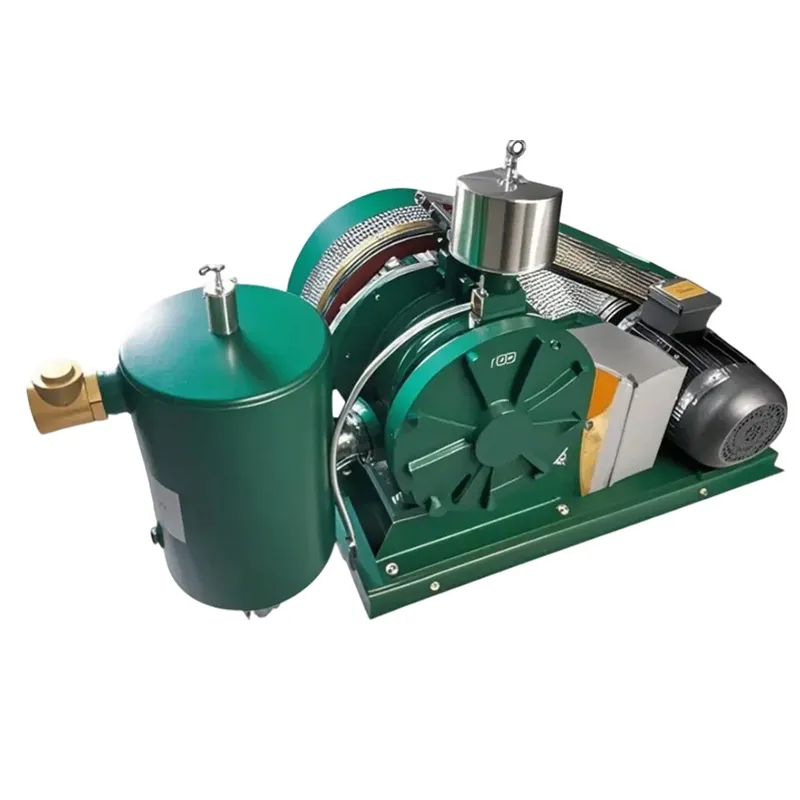
Selecting the right equipment for industrial operations requires careful attention to technical specifications that directly impact performance, efficiency, and operational cost. When evaluating positive displacement blowers, understanding which specifications truly matter can mean the difference between optimal system performance and costly downtime. Industrial facilities rely on these machines for critical applications ranging from wastewater aeration to pneumatic conveying, making informed selection essential for long-term success.
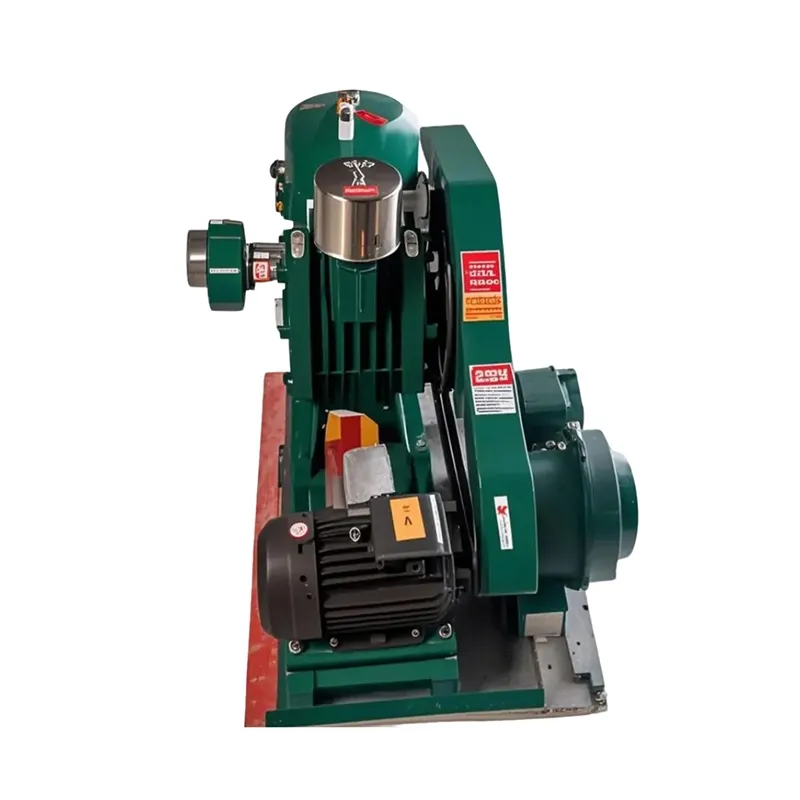
The technical landscape of positive displacement pump technology continues to evolve, yet fundamental specifications remain the core drivers of equipment suitability. Engineers and procurement teams must focus on parameters that align with their specific operational demands rather than defaulting to generic industry averages. This guide examines the critical specifications that deserve your attention when choosing rotary lobe blower applications for your industrial facility.
Flow Rate and Pressure Capacity
Understanding Flow Rate Requirements
Flow rate, typically measured in cubic feet per minute (CFM) or cubic meters per hour, represents the volume of gas or air a blower can move per unit time. For industrial air compression systems, this specification directly determines whether the equipment meets your production demands. Undersizing flow capacity leads to bottlenecks, reduced throughput, and operational inefficiencies that cascade through your entire system.
When evaluating rotary lobe blower applications, demand analysis must account for peak operating conditions, not average conditions. Most facilities experience fluctuating load profiles throughout the day, and your positive displacement blower selection should accommodate these peaks without excessive safety margins that waste energy. The relationship between flow rate and pressure capacity defines the operating envelope available from your equipment.
Pressure Rating and System Compatibility
Positive displacement pump technology delivers fixed volume displacement at variable pressure, making pressure rating a critical specification for system design. Maximum outlet pressure capability determines whether the blower can overcome system resistance, feed downstream equipment, or maintain sufficient drive force for pneumatic applications. Industrial air compression systems typically operate between 5 and 15 pounds per square inch (PSI) gauge pressure, though specialized applications may demand higher ratings.
Material compatibility and component stress increase with higher pressure ratings, directly affecting equipment durability and maintenance frequency. Rotary lobe blower applications in wastewater treatment facilities often operate at moderate pressures suited to aeration stone diffuser systems, while pneumatic conveying may require higher pressure capacity. Matching pressure specifications to your actual system requirements prevents premature equipment fatigue and extends service life.
Motor Specifications and Power Efficiency
Motor Size and Horsepower Selection
Motor horsepower drives both performance capability and operational cost, making this specification critical for lifecycle economics. Positive displacement blowers require continuous power input proportional to flow rate and discharge pressure, and undersized motors create performance limitations that compromise system reliability. Conversely, oversized motors consume excess energy while providing no tangible operational benefit, directly reducing overall facility efficiency.
For industrial air compression systems, motor selection must account for intermittent versus continuous duty cycles, ambient temperature conditions, and load variability throughout your operational profile. Electric motor efficiency ratings have improved significantly in recent years, with premium efficiency motors offering substantial energy savings over standard designs. When evaluating rotary lobe blower applications with existing infrastructure constraints, motor frame size and mounting configurations become practical selection factors alongside pure horsepower.
Energy Consumption and Operating Cost
Energy expense represents a substantial portion of total cost of ownership for any positive displacement pump technology installation. A blower operating continuously throughout the year can consume thousands of dollars in electrical energy annually, making efficiency improvements economically significant. Variable frequency drives (VFDs) paired with positive displacement blowers enable demand-responsive operation that reduces wasted energy when system load fluctuates.
Calculating total annual operating cost requires integrating motor efficiency, load profile analysis, and utility rate structures specific to your facility location. Industrial air compression systems benefit from premium efficiency specifications when operating hours justify the capital investment through measurable energy savings. Rotary lobe blower applications in continuous-duty environments show faster payback for efficiency upgrades than intermittent-use equipment.
Material Construction and Environmental Factors
Corrosion Resistance and Component Materials
The materials used in positive displacement blowers directly impact equipment longevity in challenging operational environments. Wastewater aeration environments expose equipment to corrosive hydrogen sulfide gas and moisture-laden conditions that degrade standard carbon steel components rapidly. Stainless steel rotors, epoxy-coated casings, and sealed bearing assemblies provide extended service life in these hostile settings, though at higher initial capital cost.
Positive displacement pump technology applications requiring food-grade or pharmaceutical compliance demand specific material certifications and sanitary design standards. Aluminum alloy construction offers weight advantages in portable or modular rotary lobe blower applications while maintaining adequate strength for typical industrial air compression systems. Choosing appropriate materials for your specific application prevents corrosion-related failures and unplanned maintenance that disrupts production schedules.
Environmental Operating Range
Temperature, humidity, and atmospheric composition define the envelope within which positive displacement blowers maintain rated performance. Equipment designed for temperate indoor facilities may fail prematurely when relocated to hot climates or facilities with chemical vapors. Industrial air compression systems deployed in extreme temperature zones require specialized motor cooling, bearing lubrication, and rotor clearance specifications suited to those conditions.
Rotary lobe blower applications in harsh industrial environments benefit from systems designed with environmental extremes explicitly considered during specification phase. Altitude affects air density and motor cooling effectiveness, particularly for unpressurized outdoor installations. Moisture ingress prevention through sealed connectors and drainage provisions protects electrical components from corrosion and short circuits in humid environments typical of wastewater treatment and aquaculture facilities.
FAQ
What flow rate should I specify for my positive displacement blower application?
Determine your peak system demand by analyzing the maximum combined flow required from all connected processes or downstream equipment. Add a reasonable safety margin of 10 to 15 percent to account for future capacity expansion and system contingencies. Consult equipment manufacturers' documentation for rotary lobe blower applications to understand how flow varies across the pressure range where your system typically operates, as positive displacement pump technology delivers peak flow at minimum pressure conditions.
How does motor efficiency affect my total cost of ownership for industrial air compression systems?
Premium efficiency motors reduce electrical consumption by 5 to 10 percent compared to standard efficiency ratings, translating to substantial annual savings for continuously operating positive displacement blowers. Calculate payback period by dividing the capital cost premium by annual energy savings; payback periods under three years generally justify premium efficiency selection. Variable frequency drives further optimize energy use by modulating motor speed to match actual system demand, delivering additional savings in facilities with variable load profiles.
What material specifications matter most for positive displacement blowers in corrosive environments?
Specify stainless steel rotors and epoxy-coated casings for rotary lobe blower applications exposed to hydrogen sulfide or other corrosive gases common in wastewater treatment. Sealed bearing assemblies with regular relubrication intervals protect internal components from moisture and chemical attack. Elastomer seals must be compatible with fluids present in your system; standard rubber gaskets may degrade if exposed to organic solvents or petroleum products used in adjacent processes.