
 EN
EN
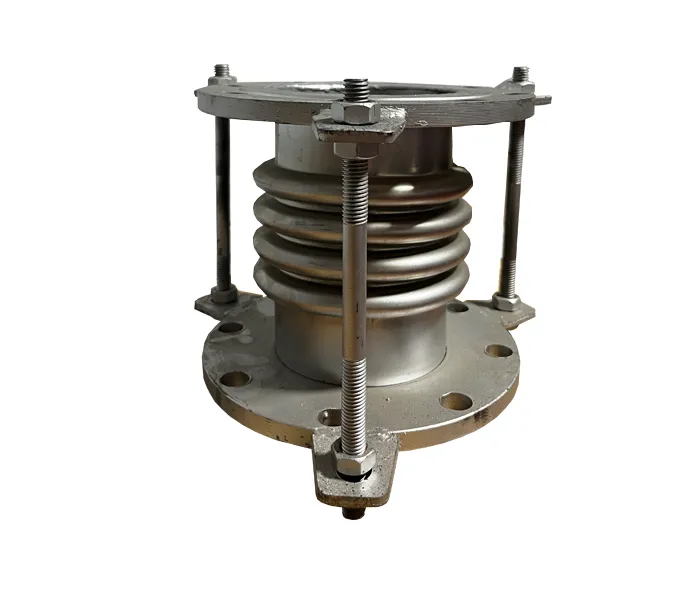
Modern manufacturing and processing facilities demand seamless material movement without compromise on speed, safety, or product integrity. A pneumatic conveying system represents one of the most effective solutions for achieving this balance, particularly in industries handling powders, granules, and other dry bulk materials. By moving materials through enclosed tubes using compressed air, these systems eliminate manual handling delays, reduce contamination risks, and accelerate throughput significantly. Understanding how these systems enhance production efficiency requires insight into their core mechanisms, design variations, and operational advantages in real-world production environments.
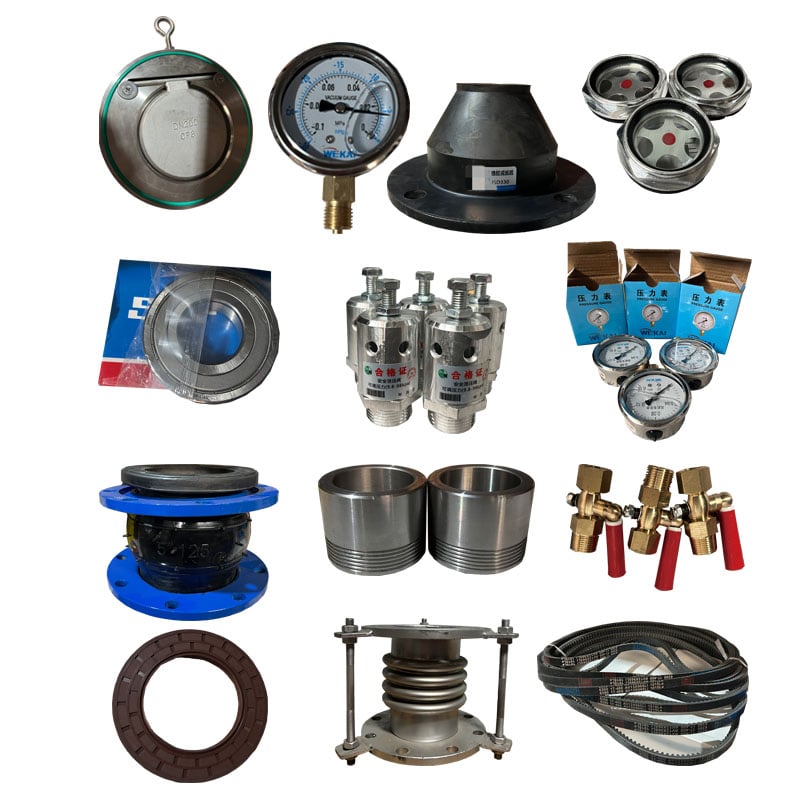
The efficiency gains from implementing a pneumatic conveying system extend far beyond mere speed improvements. These systems reduce labor costs, minimize material degradation, improve workplace safety by eliminating dust exposure, and integrate seamlessly with existing production lines. Organizations that adopt these technologies often experience faster cycle times, higher product quality consistency, and reduced operational bottlenecks. The investment in proper pneumatic conveyor design and installation pays dividends through streamlined workflows and enhanced productivity metrics that directly impact profitability.
Core Conveying Methods and Their Efficiency Impact
Understanding Dilute Phase Conveying for Speed-Critical Applications
Dilute phase conveying operates by suspending materials in a high-velocity air stream, creating a lean mixture where material concentration remains relatively low. This method excels in applications requiring rapid material transport across long distances with minimal pressure drop. The conveyed material moves at velocities typically between 60 to 120 feet per second, making dilute phase conveying ideal for facilities where throughput speed directly correlates with production output. Industries such as food processing, chemical manufacturing, and pharmaceutical production frequently leverage dilute phase conveying to meet aggressive production schedules while maintaining product quality standards.
The efficiency advantage of dilute phase conveying lies in its reduced energy consumption compared to denser conveying alternatives. Lower pressure requirements translate into smaller compressor capacity needs and decreased operational costs. However, this method works best with free-flowing materials that resist clustering or compaction during air transport. Material wear is another consideration, as the high-velocity suspension can cause abrasion in sensitive applications. Proper pneumatic conveyor design and installation ensures that material characteristics are matched to dilute phase parameters, optimizing both efficiency and product integrity throughout the production cycle.
Dense Phase Conveying for Gentle Material Handling
Dense phase conveying operates with significantly higher material-to-air ratios, typically creating a slower-moving, more concentrated stream through the conveying lines. Material velocities in dense phase systems range from 6 to 30 feet per second, resulting in gentler handling that protects fragile or friable materials. This approach proves invaluable in industries processing delicate materials such as ceramics, glass microspheres, or products prone to segregation. The lower velocity environment also reduces dust generation and environmental concerns associated with material escape during transport.
While dense phase conveying requires higher pressure systems and greater energy input than dilute phase alternatives, the efficiency gains manifest through reduced material degradation and waste. For premium products where quality loss translates to significant revenue impact, dense phase conveying delivers superior cost-effectiveness despite higher operational expenses. The pneumatic conveyor design and installation for dense phase systems must incorporate specialized controls, pressure regulation, and monitoring equipment to maintain optimal material flow characteristics. Organizations handling high-value materials often find that the investment in dense phase technology yields rapid return through improved yield rates and reduced product rejections.
Design Excellence and Operational Efficiency Integration
Strategic Pneumatic Conveyor Design Principles
Efficient pneumatic conveying system performance depends fundamentally on thoughtful design that considers material properties, distance, volume, and facility constraints. The pipe diameter, air velocity, pressure drop calculations, and component selection all influence overall system efficiency and reliability. Undersized systems create bottlenecks and excessive pressure requirements, while oversized systems waste energy and increase capital expenditure unnecessarily. Professional pneumatic conveyor design and installation accounts for acceleration zones, pressure curves, and transition points where material behavior changes significantly. Custom engineering ensures the system achieves maximum efficiency while accommodating future capacity increases or material variations.
Installation Practices That Maximize Long-Term Efficiency
Proper pneumatic conveyor design and installation goes beyond mechanical assembly to encompass strategic system layout, connection integrity, and accessibility for maintenance. Well-executed installation minimizes air leakage, prevents material bridging at critical junctions, and facilitates cleaning and inspection procedures. Operators benefit from intuitive controls, clear pressure gauges, and integrated monitoring systems that detect efficiency degradation before it impacts production metrics. Regular maintenance protocols established during installation ensure that the pneumatic conveying system operates at peak efficiency throughout its operational lifespan. Many production delays stem from preventable issues that proper installation practices eliminate entirely.
Production Efficiency Gains in Real-World Context
Measurable Improvements Across Manufacturing Operations
Manufacturing facilities implementing pneumatic conveying systems consistently report production efficiency improvements ranging from 20 to 40 percent, depending on baseline conditions and material characteristics. Reduced manual handling translates directly into faster cycle times, fewer bottlenecks at transfer points, and enhanced worker productivity focused on value-added tasks rather than material movement. The enclosed nature of pneumatic conveyor systems eliminates spillage, product loss, and environmental cleanup expenses that plague open-belt or bucket-elevator alternatives. Quality metrics improve through reduced contamination exposure and consistent material properties maintained during transport.
Cost Reduction and Competitive Advantage
Organizations achieve competitive advantage through lower unit production costs enabled by efficient pneumatic conveying system operation. Compressed air represents the primary operating expense, yet optimized design and installation minimize air consumption while maintaining throughput targets. Some facilities recover installation investment within 18 to 24 months through operational savings alone. Beyond direct cost reduction, the improved production capacity from faster material handling enables facilities to serve larger customer orders without capital-intensive facility expansion. These cumulative advantages position organizations favorably in price-sensitive markets while building capacity for profitable growth.
FAQ
What materials work best with pneumatic conveying systems?
Free-flowing powders and granules represent ideal candidates for dilute phase conveying, including flour, sugar, grains, and chemical powders. Denser phase systems accommodate materials with higher moisture content, sticky characteristics, or fragility concerns. The pneumatic conveyor design and installation must align with specific material properties to ensure reliable performance. Professional material testing before system design helps identify optimal conveying methods and pressure parameters for your particular application.
How much energy does a pneumatic conveying system consume?
Energy consumption depends on material type, distance, volume, and conveying method employed. Dilute phase systems typically consume 5 to 10 horsepower per ton of material moved annually, while dense phase alternatives may require 8 to 15 horsepower for equivalent throughput. Proper pneumatic conveyor design and installation optimizes efficiency by matching system specifications to actual production requirements, avoiding oversizing that wastes compressed air. Regular maintenance and pressure monitoring further reduce energy consumption throughout system operation.
What is the typical installation timeline for a pneumatic conveying system?
Most pneumatic conveyor design and installation projects complete within 4 to 12 weeks, depending on system complexity, facility layout, and regulatory requirements. Simple point-to-point transfers may install faster, while multi-destination systems with complex controls require extended commissioning periods. Professional installation teams coordinate facility downtime, coordinate with existing equipment, and conduct thorough testing before transferring operational responsibility. Detailed project planning during the design phase accelerates installation while ensuring the pneumatic conveying system performs reliably from initial startup.