
 EN
EN
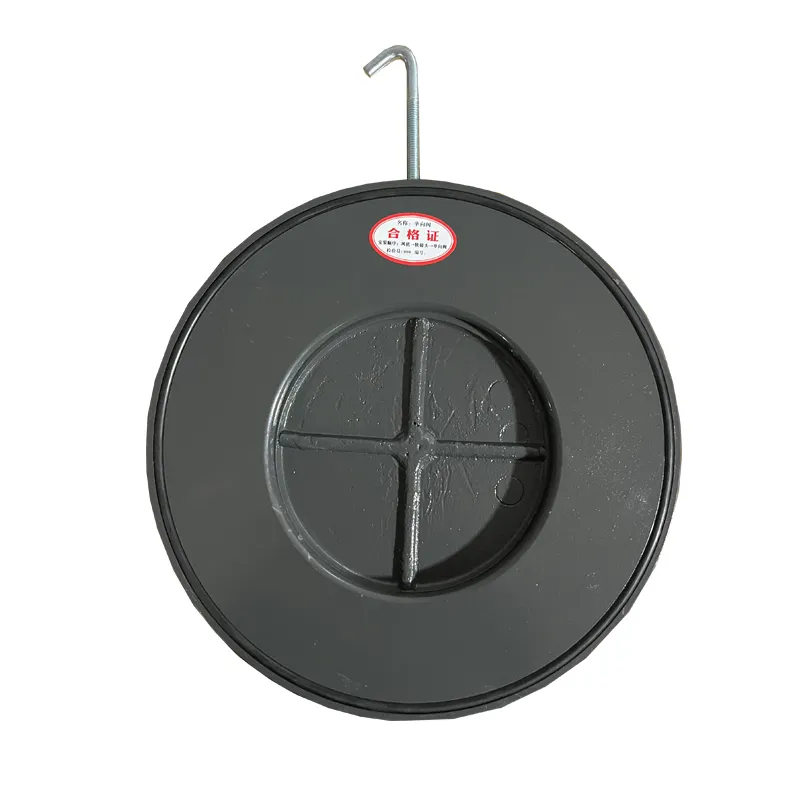
A pneumatic conveying system is a mechanical apparatus designed to transport bulk solids, powders, and granular materials through enclosed pipelines using compressed air or gas pressure. These systems represent a fundamental technology across manufacturing, food processing, pharmaceutical production, and chemical industries, enabling efficient material movement without exposure to environmental contaminants or product degradation. Understanding how a pneumatic conveying system operates is essential for facility managers, engineers, and procurement professionals seeking reliable, cost-effective material handling solutions that minimize labor requirements and enhance operational safety.
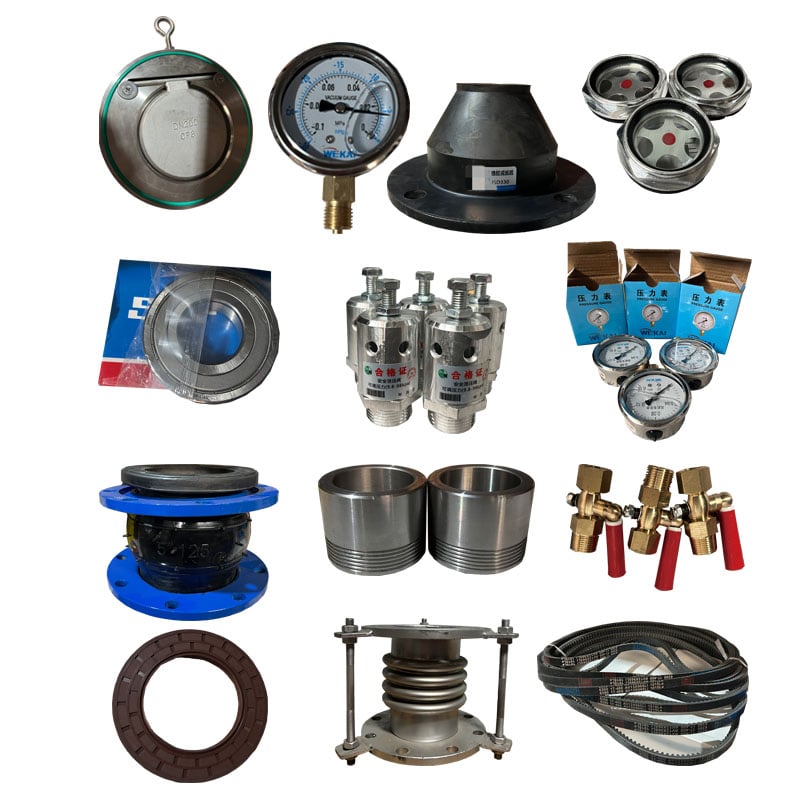
The fundamental principle underlying pneumatic conveying system operation is straightforward yet powerful. Compressed air generates differential pressure that propels materials through pipelines at controlled velocities, eliminating the need for manual handling or mechanical conveyors in many applications. This closed-loop transfer method protects product integrity, reduces spillage, and creates a safer working environment by containing dust and particulates within sealed conduits.
Core Operating Principles of Pneumatic Conveying
How Pressure Differentials Drive Material Transport
Every pneumatic conveying system operates through a carefully balanced pressure differential. Air compressors generate pressurized air that flows through distribution networks, entering the material source and creating zones of higher pressure around bulk materials. This pressure difference accelerates particles upward and forward through pipelines, with velocity profiles carefully matched to specific material characteristics. Engineers design pneumatic conveying system configurations to optimize pressure efficiency while preventing pipe erosion, material degradation, and energy waste.
Core Components and Their Functions
A functional pneumatic conveying system requires several interconnected components working in precise coordination. Air compressors provide the driving force, while separator vessels capture conveyed materials as airflow decreases. Feeder systems regulate material input rates with precision, preventing blockages and maintaining consistent throughput. Filters remove entrained air and protect downstream equipment from fine particle contamination. Piping networks, equipped with bends and transitions, guide materials along predetermined paths while minimizing pressure losses and turbulence.
Dilute Phase and Dense Phase Conveying Methods
Understanding Dilute Phase Pneumatic Conveying
Dilute phase pneumatic conveying represents the most common approach for transporting lighter, free-flowing materials such as grains, plastic pellets, and fine powders. In dilute phase systems, material concentration remains relatively low, typically between 3 and 15 percent by weight in the air stream. This method requires higher air velocities, usually between 60 and 120 feet per second, to maintain particle suspension and prevent settling within pipelines. Dilute phase technology works exceptionally well for abrasive materials and shorter transport distances, delivering cost-effective operation with minimal wear on system components.
Dense Phase Pneumatic Conveying Advantages
Dense phase pneumatic conveying accommodates higher material concentrations, ranging from 20 to 60 percent by weight, while operating at substantially lower air velocities, typically between 20 and 40 feet per second. This dense phase approach proves ideal for fragile products, abrasive powders, and materials sensitive to degradation from high-velocity impact. Because dense phase systems operate at lower velocities with increased material loading, they consume less energy per unit transferred and generate reduced pipeline wear compared to dilute phase alternatives. Many industrial processors select dense phase methods when material preservation and long-term cost efficiency become primary decision factors.
Pneumatic Conveying System Design and Installation Considerations
Matching System Configuration to Material Properties
Successful pneumatic conveying system design and installation begins with thorough material characterization. Engineers must evaluate particle size distribution, bulk density, moisture content, abrasiveness, and electrostatic potential before selecting appropriate equipment and operating parameters. Materials exhibiting cohesive or adhesive properties may require specialized feeder technology and higher conveying velocities to prevent pipe blockages. Dense materials and fine powders often benefit from dense phase pneumatic conveying approaches, while lighter granular products typically suit dilute phase systems. This alignment between material behavior and system architecture directly influences reliability, energy efficiency, and maintenance costs throughout the equipment lifecycle.
Optimizing Pressure, Velocity, and Distance Parameters
Effective pneumatic conveying system design and installation protocols establish optimal relationships among air pressure, conveying velocity, pipeline diameter, and transport distance. Inadequate pressure reduces system throughput and risks material settling, while excessive pressure generates energy waste and accelerates component wear. Engineers calculate precise velocity thresholds that maintain particle suspension without causing unnecessary turbulence or attrition. Bend radius selection, elevation changes, and pipe material specification all influence pressure drop calculations and system performance. Modern design software incorporates material data, distance parameters, and target throughput rates to generate equipment specifications ensuring reliable operation within energy and cost targets.
FAQ
What industries rely most heavily on pneumatic conveying system technology?
Pneumatic conveying systems serve pharmaceutical manufacturers protecting product sterility, food processors maintaining hygiene standards, chemical plants handling reactive materials safely, and agricultural operations processing grains efficiently. Plastic processors, mineral operations, and powder coating facilities similarly depend on pneumatic conveying technology for routine production workflows. The versatility of pneumatic conveying system applications extends across industries where sealed material transfer, product protection, and labor efficiency create compelling economic and operational justifications.
How does material particle size influence pneumatic conveying system selection?
Particle size distributions directly affect conveying velocity requirements and phase selection decisions. Fine powders typically require dilute phase pneumatic conveying at higher velocities to prevent settling and bridging within pipelines. Coarser granular materials with uniform size distributions adapt well to dense phase approaches, permitting lower velocities and reduced energy consumption. Pneumatic conveying system design engineers assess particle size distribution curves to determine whether dilute or dense phase operation best matches material characteristics and production requirements.
What maintenance requirements do pneumatic conveying systems demand?
Regular inspections of filters, separators, and feeder mechanisms represent critical maintenance tasks protecting pneumatic conveying system reliability and performance. Air line monitoring ensures adequate pressure delivery and identifies leaks before they compromise system efficiency. Pipe sections experiencing high material impact benefit from periodic replacement to prevent catastrophic failures. Routine audits of conveying velocity, pressure differentials, and throughput rates reveal equipment degradation trends, enabling preventive interventions that extend operating life and minimize unplanned downtime across pneumatic conveying system installations.