
 EN
EN
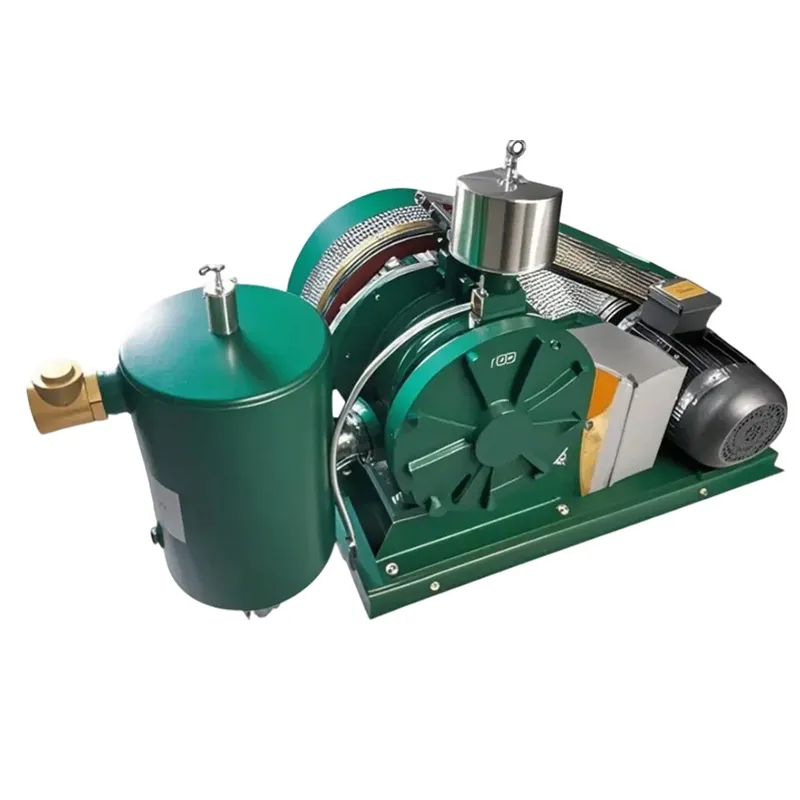
High-temperature industrial environments demand equipment that can withstand extreme thermal stress while maintaining consistent performance. Positive displacement blowers are engineered to handle such demanding conditions, but their reliability depends on proper design, material selection, and operational understanding. Understanding how positive displacement blowers perform under elevated temperatures is critical for facility managers, engineers, and procurement specialists who depend on these machines for wastewater treatment, pneumatic conveying, aeration systems, and other industrial applications where thermal challenges are unavoidable.
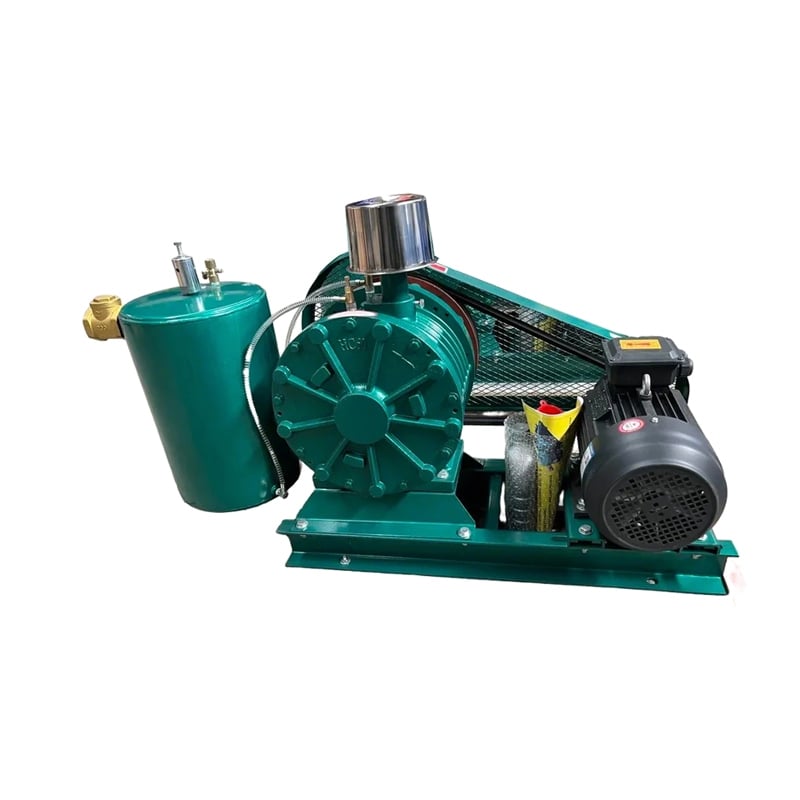
The performance of positive displacement blowers in high-temperature environments is determined by material durability, thermal expansion management, and cooling system effectiveness. Rotary lobe blower maintenance becomes significantly more complex at elevated temperatures, requiring specialized protocols and closer monitoring intervals. Understanding these factors helps operators extend equipment life, prevent unexpected failures, and optimize positive displacement blower applications across diverse industrial sectors.
Thermal Limits and Material Considerations
Temperature Ratings and Design Specifications
Most positive displacement blowers operate effectively within standard temperature ranges of 50°C to 120°C inlet air, though some specialized designs handle even higher extremes. The rotary blower pressure specifications directly correlate with thermal performance because elevated temperatures reduce air density and increase volumetric flow rates. Manufacturers design housings, rotors, and bearing assemblies using materials that maintain structural integrity across the intended thermal range, typically cast iron for housings and specialized elastomers for seals and gaskets. When inlet air temperatures exceed design specifications, seal degradation accelerates and rotor clearances shift, compromising efficiency and increasing leakage.
Material Selection for High-Temperature Applications
High-temperature positive displacement blower applications require careful material engineering. Steel rotors withstand thermal cycling better than aluminum alternatives, while advanced seal materials such as fluorocarbon compounds maintain elasticity at temperatures where standard rubber would harden and crack. Bearing lubrication becomes critical at higher temperatures because conventional oil viscosity changes, reducing film strength and increasing wear rates. Facility operators must verify that positive displacement blower applications specify high-temperature-rated materials and confirm that rotary lobe blower maintenance protocols include seasonal lubricant upgrades when operating conditions shift toward thermal extremes.
Operational Challenges in High-Temperature Settings
Thermal Expansion and Clearance Management
Thermal expansion directly affects rotor clearances and performance stability in positive displacement blowers. As temperatures rise, metal components expand at different rates depending on their composition and geometry, creating gaps that allow air slippage and reduce volumetric efficiency. Rotary blower pressure specifications must account for this thermal drift to ensure consistent delivery even when inlet conditions fluctuate. Some high-temperature designs incorporate specially machined rotor geometries that tolerate wider clearance ranges without sacrificing sealing effectiveness. Operators should establish baseline performance metrics during cool startup conditions and monitor flow rates throughout operational periods to detect unexpected clearance changes caused by thermal drift.
Cooling System Effectiveness
Heat dissipation directly impacts the longevity of positive displacement blowers operating in high-temperature environments. External cooling jackets, fin-equipped housings, and enhanced air circulation pathways help manage rotor temperatures and bearing heat. Rotary lobe blower maintenance must include regular inspection of cooling systems to ensure fins remain clean and airflow paths stay unobstructed. Clogged cooling fins can cause localized hot spots that accelerate seal failure and compromise positive displacement blower applications. In facilities where ambient temperatures already push equipment thermal limits, additional external cooling through water jackets or auxiliary fans may be necessary to maintain safe operating temperatures and extend service intervals.
Maintenance Strategies for High-Temperature Operations
Preventive Maintenance Protocols
Rotary lobe blower maintenance becomes more frequent and stringent in high-temperature applications. Oil change intervals should be reduced compared to standard temperature operation because heat accelerates lubricant oxidation and breaks down protective additives. Seal inspections should occur quarterly rather than annually to catch deterioration early before catastrophic leakage develops. Positive displacement blower applications in thermal environments benefit from thermographic imaging to identify hot spots on the housing that indicate internal friction or clearance issues. Vibration analysis provides early warning of bearing wear before failures interrupt operations, allowing maintenance teams to schedule repairs proactively rather than responding to emergency shutdowns.
Component Replacement and Upgrades
When positive displacement blowers consistently operate above 100°C inlet temperature, standard components should be replaced with high-temperature equivalents designed specifically for thermal stress. Seal kits formulated for elevated temperature ranges cost more initially but deliver significantly longer service life compared to standard alternatives. Bearing packages rated for continuous high-temperature operation maintain proper lubrication film and reduce friction-induced wear. Rotary blower pressure specifications indicate whether equipment can handle designed thermal peaks, and operators must verify that replacement components meet or exceed these ratings. Many facilities upgrade positive displacement blower applications to include external cooling systems or temperature monitoring sensors when baseline equipment struggles to maintain safe operating temperatures under persistent thermal load.
Performance Optimization Strategies
System Design and Integration
Successful positive displacement blower applications in high-temperature environments begin with appropriate system design. Pre-cooling inlet air through heat exchangers or intake filters reduces the thermal load on equipment and improves volumetric efficiency by maintaining higher air density. Rotary lobe blower maintenance becomes easier when proper installation includes isolation mounts that reduce vibration-induced wear and thermally insulated inlet ducts that minimize ambient temperature influence on the working fluid. Positive displacement blowers sized with headroom above minimum performance requirements can operate at lower speeds in high-temperature conditions, reducing friction and heat generation compared to equipment running near rated capacity limits.
Operational Discipline and Monitoring
Continuous monitoring of discharge temperature, pressure differential, and vibration levels provides real-time feedback on positive displacement blower performance under thermal stress. Rotary blower pressure specifications establish safe operating envelopes, and operators should implement automatic shutdowns when temperatures exceed design limits to prevent component damage. Rotating the equipment through lower-duty cycles during the hottest periods allows thermal stabilization and extends component life compared to continuous peak-load operation. Regular staff training on proper positive displacement blower applications ensures operators understand thermal limits and recognize early warning signs of thermal distress before failures occur.
FAQ
Can positive displacement blowers operate reliably at temperatures above 120°C?
Positive displacement blowers designed for high-temperature service can operate above 120°C inlet temperature when specified by the manufacturer and equipped with appropriate materials and cooling systems. However, standard industrial-duty positive displacement blower applications are typically rated to 100–120°C because heat accelerates seal degradation and reduces bearing lubrication effectiveness. Operating beyond design specifications voids warranties and dramatically shortens service intervals. Custom high-temperature designs using specialized materials and enhanced cooling can extend this range, but require engineering consultation to ensure rotary blower pressure specifications and thermal management align with facility requirements.
How frequently should rotary lobe blower maintenance occur in high-temperature environments?
Rotary lobe blower maintenance frequency in high-temperature applications should be increased to quarterly intervals for oil analysis, seal inspection, and external cooling system verification, compared to semi-annual schedules for standard-temperature operation. Monthly vibration monitoring and visual inspections help detect emerging issues before they develop into failures. Positive displacement blower applications operating continuously above 90°C justify permanent instrumentation with temperature sensors and automatic alerts to notify operators when thermal thresholds are approached. Proactive maintenance schedules reduce unexpected downtime and extend the useful life of expensive positive displacement blowers by addressing thermal stress before components fail.
What materials are best for positive displacement blower components in thermal applications?
Cast iron and steel housings provide superior thermal stability compared to aluminum alternatives, while fluorocarbon seals maintain elasticity at elevated temperatures better than standard rubber compounds. High-quality synthetic lubricants formulated for thermal applications maintain viscosity and protective properties across wider temperature ranges than conventional oils. Positive displacement blower applications requiring sustained high-temperature operation should specify bearing kits rated for continuous thermal stress and rotor geometries optimized for thermal expansion tolerance. Consulting manufacturer specifications for rotary blower pressure specifications and thermal ratings ensures that selected materials align with facility temperature profiles and operational demands.