
 EN
EN
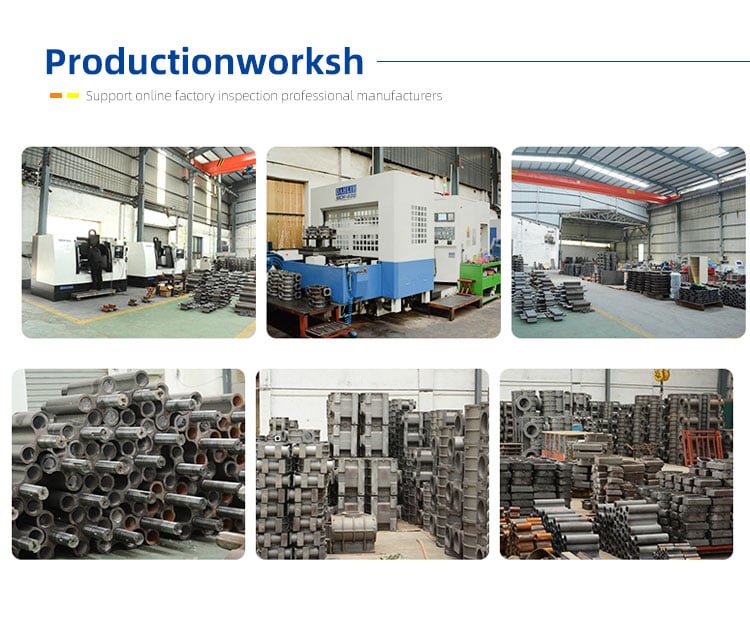
Understanding the differences between positive displacement blower types is essential for selecting the right equipment for your industrial air compression systems. A lobe roots blower represents one of the most widely used positive displacement technologies in modern industrial applications, yet many operators remain unclear about how it compares with competing positive displacement designs. This distinction matters because your choice directly impacts energy efficiency, maintenance costs, operational reliability, and suitability for specific rotary lobe blower applications across wastewater treatment, pneumatic conveying, and compressed air systems.
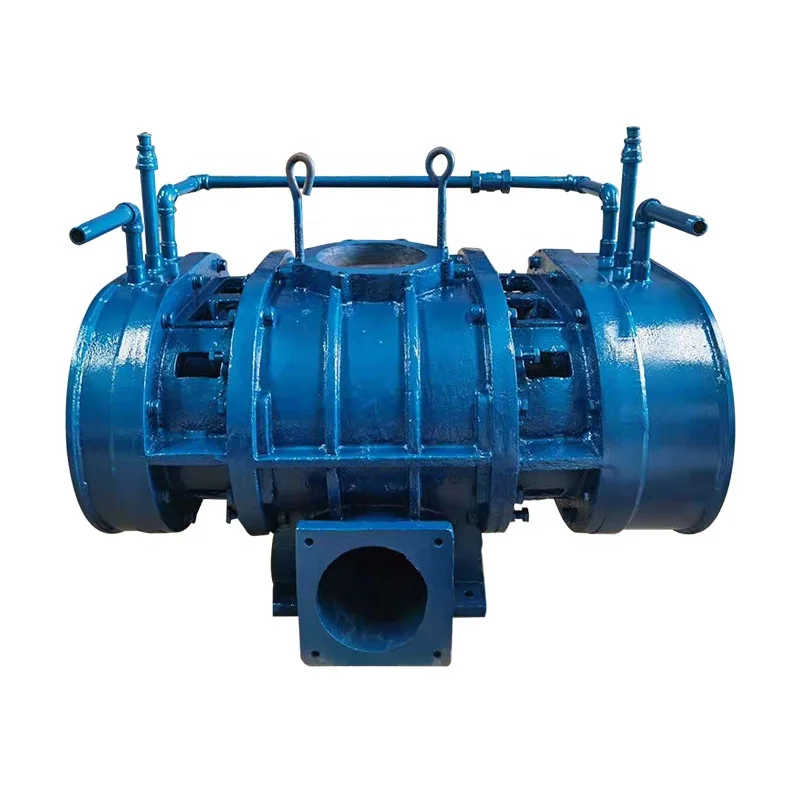
Positive displacement blower specifications vary significantly across technologies, and understanding these variations helps you make informed equipment decisions. Whether your facility requires high-pressure aeration, steady-flow pneumatic transport, or consistent air delivery, the right positive displacement blower can optimize both performance and long-term operational costs. This article explores how rotary lobe blower applications compare functionally and economically against alternative positive displacement designs.
Core Operating Principles and Design Distinctions
How Lobe Roots Blowers Function
A lobe roots blower operates through two rotating figure-eight shaped lobes that mesh together without touching. As these lobes rotate in opposite directions, they move air from the inlet to the discharge port, creating consistent, pulsating volumetric flow. The lobe roots blower maintains relatively constant flow across varying discharge pressures, making it predictable for applications requiring steady air delivery. This fundamental design principle underpins rotary lobe blower applications in wastewater aeration and pneumatic conveying systems where consistent volume matters more than extreme pressure generation.
Positive Displacement Blower Specifications in Context
Unlike centrifugal blowers that rely on impeller speed and fluid dynamics, positive displacement blower specifications emphasize fixed volumetric delivery per rotation. Screw blowers, spiral lobe blowers, and lobe roots designs all share this displacement characteristic, but achieve it through different mechanical paths. Lobe roots blowers typically deliver flow ranges from 50 to 3,000 cubic feet per minute, operate at pressures between 5 and 15 pounds per square inch gauge, and generate more inlet pulsation than competing designs. Understanding positive displacement blower specifications helps operators anticipate noise levels, vibration characteristics, and auxiliary equipment needs for rotary lobe blower applications.
Comparative Performance Across Industrial Air Compression Systems
Efficiency and Pressure Capabilities
Lobe roots blowers sacrifice ultimate pressure capability for operational simplicity and reliability in industrial air compression systems. While screw blowers can achieve higher pressures and maintain better pressure stability, lobe roots designs excel when discharge pressure remains moderate and consistent. Rotary lobe blower applications in aeration systems benefit from this trade-off because water column resistance creates predictable back-pressure rather than escalating demand. Conversely, applications requiring pressure beyond 15 PSI may demand alternative positive displacement blower specifications such as screw or vane designs.
Maintenance and Operational Lifespan
The mechanical simplicity of a lobe roots blower translates into lower maintenance requirements and extended component life within industrial air compression systems. Lobe designs contain fewer moving parts than screw blowers, reducing friction points and lubrication demands. Rotary lobe blower applications typically operate 20,000 to 40,000 hours before requiring major overhaul, depending on duty cycle and maintenance discipline. Screw blowers, while more pressure-capable, demand more rigorous maintenance schedules and tighter clearance control, adding operational complexity compared to traditional lobe roots designs.
Selection Criteria and Industrial Application Fit
Rotary Lobe Blower Applications and Suitability
Rotary lobe blower applications thrive in environments where moderate pressure, high reliability, and straightforward operation align with facility needs. Wastewater treatment plants favor lobe roots blowers for fine bubble aeration because consistent flow distribution ensures even oxygen transfer throughout treatment basins. Pneumatic conveying systems benefit from the steady volumetric output that prevents product degradation in gentle powder or granule transport. Aquaculture and pond aeration systems rely on lobe roots designs for continuous, uninterrupted air supply that sustains aquatic life. These rotary lobe blower applications represent the sweet spot where positive displacement blower specifications match real operational demands.
Positive Displacement Blower Specifications and Decision Factors
Selecting among positive displacement blower specifications requires evaluating your facility's pressure requirements, flow range, noise tolerance, and maintenance capability. If your industrial air compression systems demand pressures exceeding 15 PSI consistently, screw or vane blowers become more attractive despite higher complexity. If pulsating flow creates problematic noise in your facility, spiral lobe designs offer smoother operation than traditional lobe roots configurations. If your facility lacks sophisticated maintenance infrastructure, lobe roots blowers remain the most forgiving positive displacement choice. Matching these positive displacement blower specifications to your specific operational context prevents expensive over-specification or under-capability that creates problems downstream.
Economic and Strategic Considerations
Capital Investment and Operating Costs
Lobe roots blowers typically command lower initial capital costs than comparably-rated screw or vane designs, making them attractive for budget-conscious facilities. However, positive displacement blower specifications should influence your total cost of ownership calculation. Lobe roots units consume more energy per pound of pressure delivered compared to screw designs, so high-duty facilities may find premium designs justify their investment through efficiency gains. Your rotary lobe blower applications' duty cycle, operating hours, and energy cost structure determine whether initial savings outweigh long-term efficiency considerations across the equipment lifespan.
FAQ
What distinguishes a lobe roots blower from a screw blower in industrial settings?
Lobe roots blowers use two rotating lobes to displace air at relatively constant volume regardless of discharge pressure, while screw blowers compress air progressively within rotating screws. This means lobe roots designs work better for moderate-pressure, consistent-flow applications, whereas screw blowers excel when higher pressures or variable flow demands characterize your industrial air compression systems. Rotary lobe blower applications typically require pressures below 15 PSI, making lobe roots more economical and mechanically simple than screw alternatives.
Are lobe roots blowers suitable for high-pressure positive displacement applications?
Lobe roots designs reach practical limits around 15 PSI and begin losing efficiency advantages beyond this threshold. For applications demanding pressures above 20 PSI, screw blowers, vane designs, or piston compressors better match positive displacement blower specifications needed. Attempting to push lobe roots blowers into high-pressure duty increases mechanical stress, reduces lifespan, and wastes energy compared to purpose-built alternatives. Rotary lobe blower applications should align with moderate-pressure requirements to maintain equipment reliability and operational economics.
How do noise levels compare between lobe roots and other positive displacement designs?
Lobe roots blowers generate characteristic pulsating noise due to their intermittent discharge action, typically ranging from 80 to 90 decibels at operating speed. Screw blowers operate slightly quieter with more continuous discharge, while spiral lobe designs offer middle-ground noise characteristics. Noise considerations should influence your choice when rotary lobe blower applications operate near offices or sensitive environments. Implementing silencers or enclosures can mitigate lobe roots noise, but baseline operational characteristics remain an important positive displacement blower specifications factor when evaluating industrial air compression systems.