 EN
EN
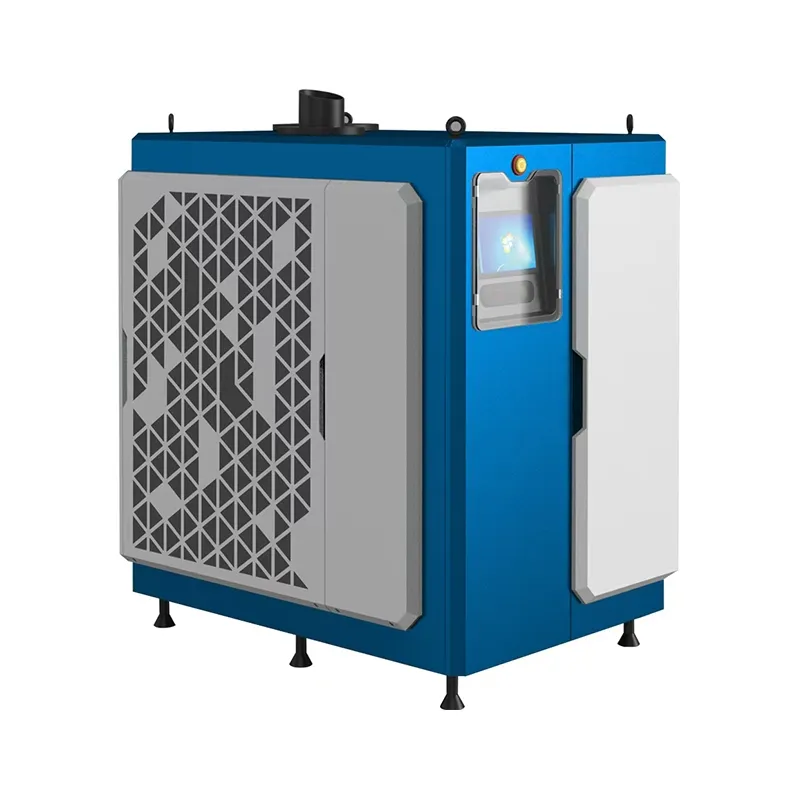
A magnetic levitation blower represents a transformative leap in industrial air handling technology. Unlike conventional blowers that rely on mechanical bearings and lubrication systems, this advanced equipment uses electromagnetic forces to suspend the rotor in a frictionless magnetic field. This fundamental design difference eliminates the need for oil-based lubrication, resulting in cleaner operation, reduced maintenance, and significantly improved energy efficiency. Industries from semiconductor manufacturing to pharmaceutical processing depend on oil-free solutions, making magnetic levitation blower systems increasingly valuable across critical applications.
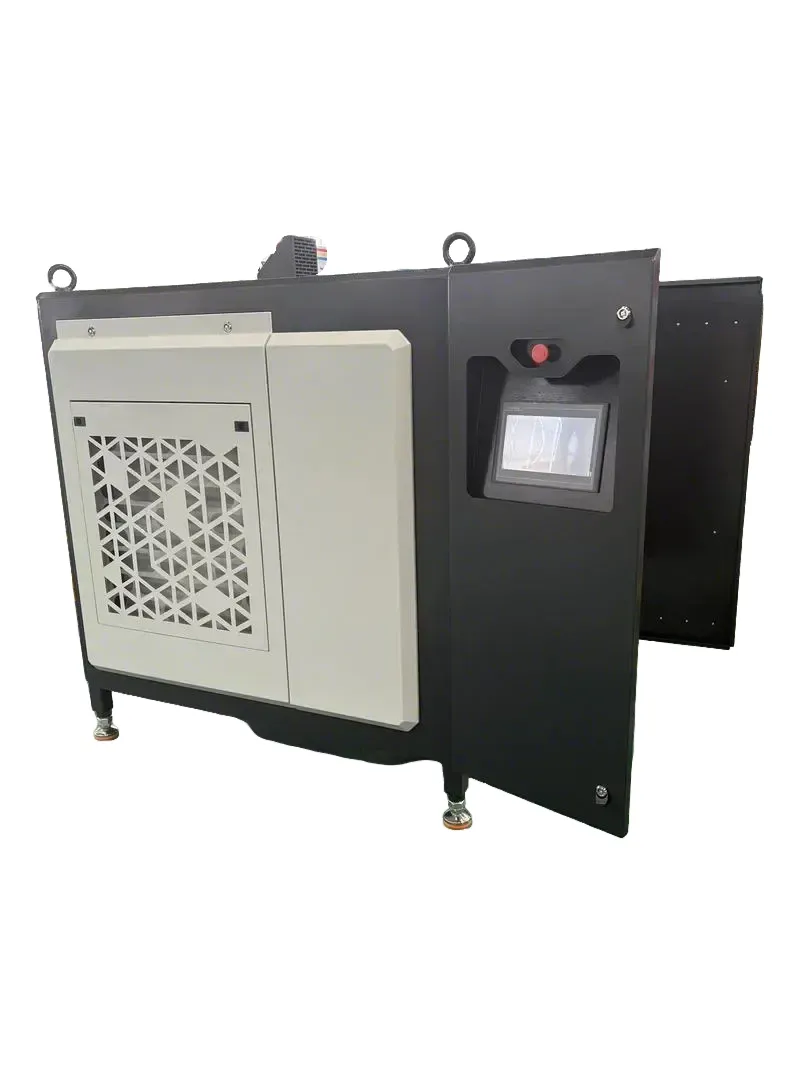
The core performance advantage of a magnetic levitation blower stems from its unique operating principle. Maglev bearing technology creates a stable, non-contact suspension that eliminates traditional friction losses inherent in rolling or sliding bearings. This frictionless operation means more input energy converts directly into useful air displacement rather than dissipating as heat through mechanical friction. For end users, this translates to lower power consumption per unit of airflow, reduced thermal stress on system components, and dramatically extended equipment lifespan without routine oil changes or bearing replacement cycles.
How Maglev Bearing Technology Enables Oil-Free Operation
The Physics of Magnetic Suspension
Maglev bearing technology works by generating a controlled electromagnetic field that holds the rotor in mid-air within the blower housing. Permanent magnets and electromagnets work in concert to create stable equilibrium, suspending the rotor without any physical contact with stationary components. Active control algorithms continuously monitor rotor position and adjust electromagnetic forces in real time to maintain precise centering. This non-contact centrifugal fan design eliminates wear, eliminating the primary reason conventional blowers require regular oil changes and maintenance interventions.
Eliminating Contamination Pathways
Because a magnetic levitation blower operates without lubricating oil, it completely eliminates oil aerosol generation and carryover into exhaust air streams. For applications requiring ultra-clean output air, such as cleanroom environments, medical device manufacturing, or food processing facilities, this represents a critical advantage. The non-contact centrifugal fan design prevents oil droplets from entering the working air, meeting stringent purity requirements without requiring expensive downstream filtration systems. Additionally, the absence of oil eliminates hazardous waste disposal requirements and reduces environmental liability.
Performance Efficiency Through Magnetic Suspension Motor Design
Direct Drive and Electromagnetic Coupling
The magnetic suspension motor efficiency of a magnetic levitation blower system exceeds conventional designs because the motor shaft is directly suspended by the same magnetic forces that bear the system load. No intermediate coupling or alignment components introduce mechanical losses or vibration. This direct integration of motor and bearing functions creates a highly efficient energy conversion pathway. Magnetic suspension motor efficiency ratings often exceed 95 percent, compared to typical oil-lubricated blower systems operating at 80 to 88 percent efficiency levels.
Reduced Vibration and Acoustic Benefits
The frictionless operation of a magnetic levitation blower produces dramatically lower vibration signatures than mechanical bearing systems. Without the micro-slip and repetitive contact stresses inherent to rolling bearings, magnetic suspension motor efficiency combines with smoother operation to reduce acoustic emissions. Industrial facilities benefit from quieter equipment operation, lower foundation stress, and reduced vibration transmission to adjacent structures. This allows magnetic levitation blower installations in noise-sensitive environments without expensive vibration isolation or acoustic enclosures.
Industrial Applications and Long-Term Value
Extended Service Life and Predictable Maintenance
Because a magnetic levitation blower operates without mechanical bearings subject to wear, its expected service life extends far beyond conventional designs. Maglev bearing technology components experience no rubbing wear, meaning the system maintains design performance specifications throughout its operational life. Maintenance requirements shrink to routine inspections and electrical system monitoring rather than disassembly and bearing replacement every few years. For facilities running equipment continuously across multiple shifts, the operational cost advantage of extended service intervals compounds substantially over the system's lifetime.
Critical Process Compatibility
Semiconductor fabrication plants, pharmaceutical clean manufacturing, and food processing operations all depend on magnetic levitation blower systems because contamination control is non-negotiable. The non-contact centrifugal fan design guarantees zero oil introduction into process air streams, eliminating product quality risks and regulatory compliance challenges. Chemical processing applications benefit similarly, as the absence of oil prevents reactions with sensitive process gases. A magnetic levitation blower serves as a reliable foundation for demanding environments where conventional equipment poses unacceptable contamination or safety risks.
FAQ
What maintenance does a magnetic levitation blower require compared to oil-lubricated systems?
A magnetic levitation blower requires significantly less routine maintenance because it eliminates oil changes, bearing inspections, and seal replacements inherent to conventional designs. Primary maintenance consists of periodic electrical system checks and electromagnetic component monitoring. Most facilities find total annual maintenance costs for magnetic levitation blower systems run 40 to 60 percent lower than equivalent oil-lubricated equipment, despite higher initial purchase cost.
How does maglev bearing technology improve overall system reliability?
Maglev bearing technology removes mechanical wear as a failure mechanism, making magnetic levitation blower reliability dependent primarily on electrical components and control systems rather than bearing degradation. Since bearings represent a common failure point in conventional blowers, eliminating this wear source dramatically improves overall mean time between failures. Many magnetic levitation blower installations achieve operational availabilities exceeding 98 percent over multi-year periods.
Can a non-contact centrifugal fan design handle varying pressure and flow demands?
Yes, a non-contact centrifugal fan maintains magnetic suspension motor efficiency across varying operating conditions because electromagnetic force can be modulated independently of speed. Advanced control systems allow magnetic levitation blower capacity to adjust smoothly through outlet dampers or variable frequency drives while maintaining rotor stability. This flexibility enables magnetic levitation blower systems to serve multiple process requirements within a single facility without performance degradation.