 EN
EN
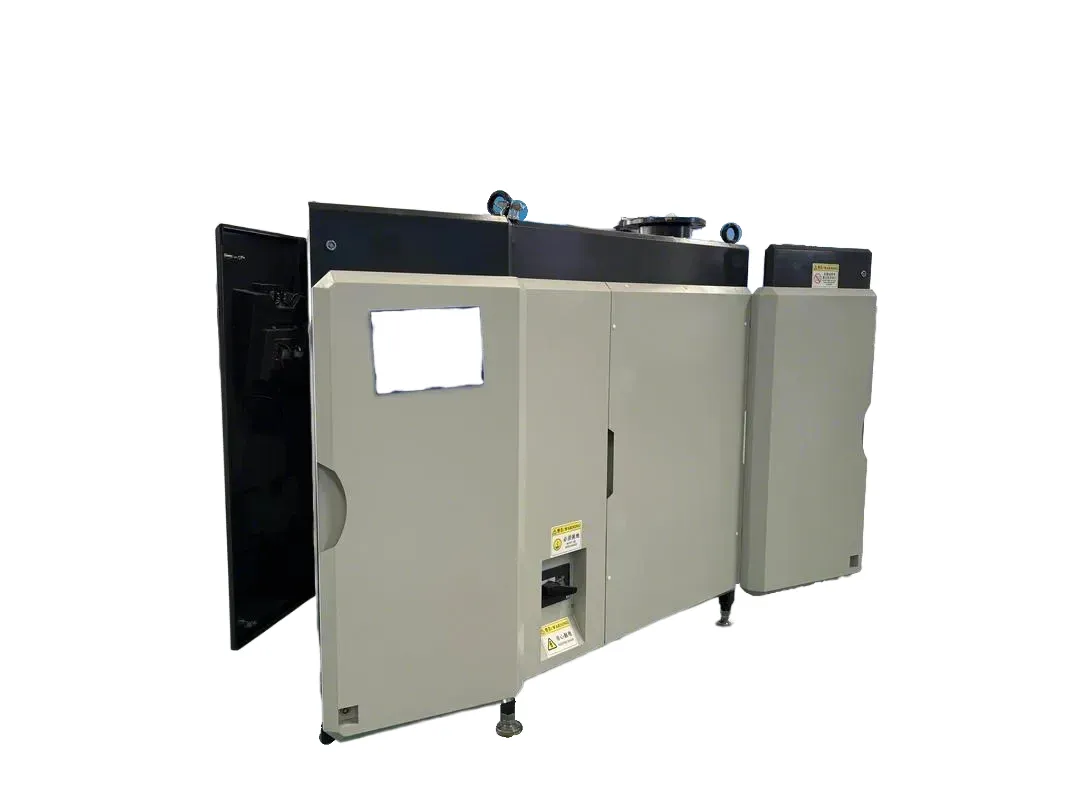
Industrial operations consume substantial energy maintaining compressed air and ventilation systems, and operational costs directly impact profitability. A magnetic levitation blower represents a transformative approach to reducing these expenses by eliminating mechanical friction and improving system efficiency. This technology uses advanced contactless bearing technology for blowers to suspend the rotor magnetically, enabling higher speeds and lower energy losses compared to conventional bearing designs.
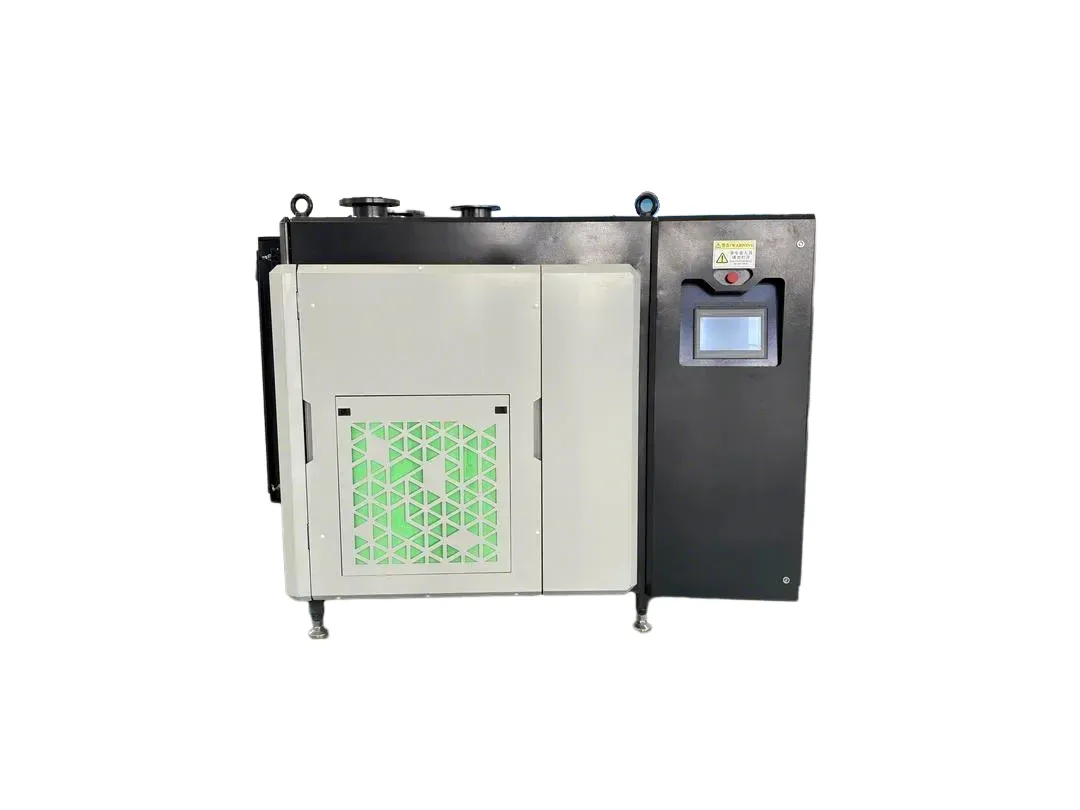
Understanding how energy-efficient magnetic suspension air handling systems function is essential for plant managers evaluating modernization investments. Unlike traditional rolling-element bearings that generate friction losses, these systems achieve precise rotor positioning through magnetic forces alone. The result is significantly lower energy consumption, reduced maintenance requirements, and extended equipment lifespan, making this technology particularly valuable for facilities running continuous operations or handling critical processes.
How Magnetic Levitation Technology Improves Operating Efficiency
Eliminating Mechanical Friction Through Contactless Design
Conventional blowers rely on ball or roller bearings that inherently create friction as the rotor rotates. This friction converts kinetic energy into heat, requiring additional motor power to maintain desired airflow rates. A high-speed centrifugal blower without mechanical friction eliminates this energy waste entirely by suspending the impeller on magnetic fields. The contactless bearing technology for blowers uses active magnetic suspension systems that continuously adjust electromagnetic force to keep the rotor perfectly centered, preventing any physical contact between moving and stationary components.
This frictionless operation enables the rotor to spin at higher speeds with the same or lower input power compared to friction-bearing designs. Industrial facilities report efficiency improvements of 15 to 25 percent depending on operating hours and load profiles. The magnetic levitation blower achieves these gains without requiring external power sources beyond standard electrical supply, as the magnetic system operates integrated with the motor control electronics.
Reduced Heat Generation and Cooling Requirements
Bearing friction generates substantial heat that must be managed through cooling systems, ventilation, or lubrication circulation. Energy-efficient magnetic suspension air handling systems eliminate this heat source, reducing downstream cooling loads. Facilities using magnetic levitation technology observe lower ambient temperatures around blower installations, which reduces cooling energy demands for surrounding equipment and improves working conditions in industrial spaces.
Lower operating temperatures also extend component life and reduce thermal stress on adjacent machinery and piping. The contactless bearing technology for blowers means no lubricant breakdown from frictional heat, eliminating oil disposal costs and maintenance intervals associated with conventional bearing systems.
Energy Cost Reduction Across Industrial Applications
Quantifiable Savings in Compressed Air Systems
Compressed air is often called the fourth utility in manufacturing plants because it powers pneumatic tools, actuators, and process controls. Compressor blowers and motor-driven vacuum pumps represent significant energy consumers in these systems. A high-speed centrifugal blower without mechanical friction can reduce compressor inlet air requirements or eliminate auxiliary cooling systems, directly lowering energy bills. Plants operating compressed air systems 16 to 24 hours daily typically see energy savings of 5 to 10 kW per blower unit, translating to $5,000 to $15,000 annually depending on electricity rates.
Magnetic levitation blower installations in food processing, chemical manufacturing, and automotive production facilities demonstrate consistent payback periods of 3 to 5 years through energy savings alone. The magnetic levitation blower approach scales across multiple units, so facilities upgrading entire blower systems achieve proportionally larger total cost reductions.
Application Across HVAC and Process Ventilation
Industrial facilities require continuous ventilation for fume extraction, dust control, and environmental compliance. Large centrifugal blowers in ventilation systems often run continuously, making them ideal candidates for energy-efficient magnetic suspension air handling systems. These systems maintain consistent airflow while consuming less electrical power, improving facility energy performance metrics and supporting sustainability objectives. Contactless bearing technology for blowers ensures reliable operation in dusty or contaminated environments where conventional bearings might fail prematurely.
Data centers, pharmaceutical manufacturing, semiconductor clean rooms, and chemical processing plants benefit significantly from reduced energy consumption in ventilation equipment. The magnetic levitation blower technology operates reliably across wide temperature ranges and humidity conditions without bearing degradation or maintenance interruptions.
Long-Term Economic and Operational Benefits
Maintenance Cost Elimination and Reliability Improvements
Conventional bearing systems require regular lubrication, inspection, and eventual replacement at significant cost and downtime. A magnetic levitation blower eliminates bearing-related maintenance expenses entirely, with no scheduled lubrication intervals, bearing inspections, or bearing replacement costs. Facilities reduce inventory requirements for bearing replacement kits, lubricants, and bearing removal tools. Maintenance teams can redirect hours previously spent on bearing maintenance toward other facility improvements.
The energy-efficient magnetic suspension air handling systems demonstrate mean time between failures extending 50,000 to 100,000 operating hours compared to 10,000 to 25,000 hours for conventional bearing systems. This reliability improvement means fewer emergency repairs, less unplanned downtime, and more predictable production schedules.
Environmental and Regulatory Compliance Benefits
Industrial facilities increasingly face pressure to reduce energy consumption and carbon emissions. Upgrading to a magnetic levitation blower directly improves facility energy efficiency ratings and carbon footprint metrics. Many industrial zones and municipalities offer rebates or tax incentives for equipment upgrades that reduce energy consumption, making the contactless bearing technology for blowers financially attractive beyond direct energy savings. Environmental compliance becomes easier when blower systems operate with lower power demands and zero bearing lubricant disposal requirements.
A high-speed centrifugal blower without mechanical friction also reduces operational noise compared to bearing-based designs, helping facilities meet acoustic emission standards in sensitive industrial areas. The quieter operation improves worker safety and comfort while ensuring regulatory compliance.
FAQ
What is the typical payback period for installing a magnetic levitation blower system?
Most industrial facilities achieve payback within 3 to 5 years through direct energy savings, with some applications reaching payback in 2 to 3 years if baseline systems are particularly inefficient. Additional value comes from eliminated maintenance costs, extended equipment life, and reduced downtime. The magnetic levitation blower investment becomes even more attractive when considering whole-system optimization, where improved reliability reduces emergency maintenance expenses.
Are energy-efficient magnetic suspension air handling systems compatible with existing industrial infrastructure?
Yes, magnetic levitation blower systems integrate with standard electrical connections, control systems, and ductwork found in most industrial facilities. Installation typically requires modification to mounting systems and electrical connections, but no major infrastructure changes are necessary. Contactless bearing technology for blowers operates across standard voltage ranges and can be retrofit into facilities with existing compressed air or ventilation systems. Consulting with equipment manufacturers ensures proper integration specific to your facility's requirements.
How does maintenance differ when switching to a magnetic levitation blower versus conventional bearings?
Maintenance requirements drop dramatically because a high-speed centrifugal blower without mechanical friction eliminates bearing lubrication, bearing inspections, and bearing replacements. Routine maintenance focuses on general equipment cleanliness, electrical connections, and system monitoring through integrated sensors. No bearing temperature monitoring or vibration analysis is needed, simplifying preventive maintenance protocols. Most facilities experience reduced maintenance labor requirements and lower parts inventory needs after upgrading to magnetic levitation technology.
Table of Contents
- How Magnetic Levitation Technology Improves Operating Efficiency
- Energy Cost Reduction Across Industrial Applications
- Long-Term Economic and Operational Benefits
-
FAQ
- What is the typical payback period for installing a magnetic levitation blower system?
- Are energy-efficient magnetic suspension air handling systems compatible with existing industrial infrastructure?
- How does maintenance differ when switching to a magnetic levitation blower versus conventional bearings?