 EN
EN
Wastewater treatment facilities face constant pressure to improve operational efficiency while reducing energy consumption and maintenance costs. A magnetic levitation blower represents a transformative technology that directly addresses these challenges by eliminating mechanical friction and optimizing airflow dynamics. This innovation has become increasingly important as facilities seek to maximize treatment performance without compromising reliability or escalating operating expenses.
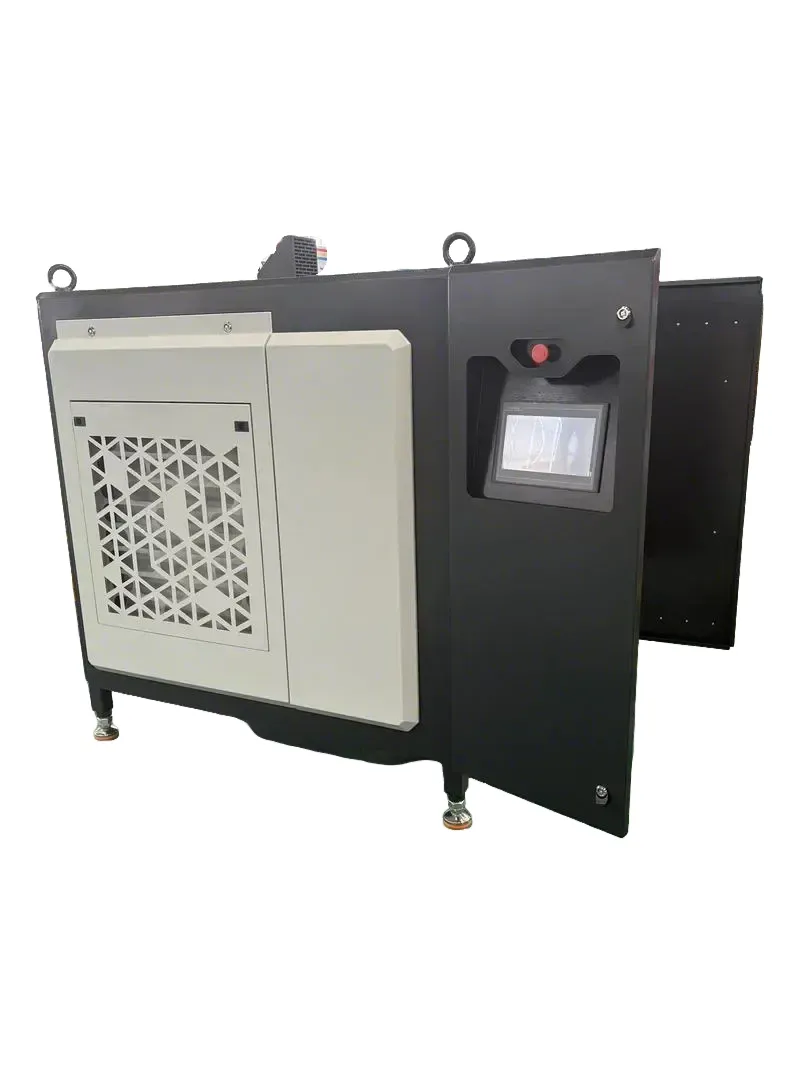
Understanding how this technology improves treatment outcomes requires examining the fundamental shift from traditional bearing-based systems to magnetic suspension. Bearingless blower technology eliminates metal-to-metal contact entirely, creating an environment where mechanical wear becomes obsolete. This shift fundamentally changes how facilities approach maintenance planning, energy budgeting, and long-term operational sustainability in wastewater environments.
How Magnetic Levitation Blowers Transform Treatment Performance
Eliminating Friction Through Non-Contact Levitation Cooling System Design
Traditional blowers rely on mechanical bearings that generate friction, heat, and progressive wear over operational cycles. A non-contact levitation cooling system uses magnetic forces to suspend the rotor without any physical contact with the stator housing. This fundamental design eliminates the primary source of energy loss in conventional blowers, allowing more of the input power to convert directly into useful airflow rather than dissipating as wasted heat and wear.
The magnetic suspension mechanism continuously adjusts position through active control systems, maintaining perfect rotor alignment regardless of vibration or operational fluctuations. This precision prevents the misalignment issues that plague traditional bearing systems and cause inefficiency spikes. For wastewater treatment applications, where reliability directly impacts treatment consistency, this capability delivers measurable improvements in process performance and oxygen transfer efficiency.
Energy Efficiency Gains in Wastewater Aeration Systems
Maglev fan energy efficiency demonstrates substantial advantages when compared to conventional aeration equipment. The absence of bearing friction means that sealed bearings no longer consume 5-15% of input power in many traditional designs. Combined with improved aerodynamic profiles and reduced vibration, magnetic levitation blower systems achieve specific power reductions that translate directly to lower electrical consumption and reduced carbon footprint for municipal and industrial treatment facilities.
Energy savings multiply over extended operational periods, particularly in 24/7 wastewater treatment environments where equipment operates continuously. A facility running magnetic levitation equipment versus traditional blowers can reduce annual energy costs significantly while improving oxygen delivery consistency. This economic advantage makes the initial technology investment financially attractive, especially when combined with reduced maintenance requirements and extended equipment lifespan.
Operational Reliability and Maintenance Cost Reduction
Eliminating Bearing Wear and Associated Downtime
Bearingless blower technology removes the primary maintenance burden that consumes resources in traditional aeration systems. Mechanical bearings require regular lubrication, monitoring, and eventual replacement, with bearing failure representing one of the most common emergency shutdowns in wastewater facilities. By implementing a non-contact levitation cooling system, operators eliminate these failure modes entirely, transforming maintenance from a reactive, crisis-driven activity into a simple, predictable operation.
Magnetic levitation blower systems require no bearing replacement, no lubrication changes, and no alignment adjustments. This reduction in scheduled maintenance translates to lower spare parts inventories, reduced labor costs, and improved operator productivity. For treatment facilities with limited maintenance staff, this capability represents a significant operational advantage, allowing technicians to focus on other critical infrastructure rather than routine bearing servicing.
Extended Equipment Lifespan and Total Cost of Ownership
The absence of mechanical wear in magnetic suspension systems means equipment degradation progresses far more slowly than in traditional designs. Components that typically require replacement after 5-10 years in conventional blowers can operate for 15-20 years or longer in magnetic levitation equipment when properly maintained. This extended operational life substantially reduces the total cost of ownership, even when accounting for the higher initial purchase price of the technology.
Facility planners increasingly recognize that magnetic levitation blower investment delivers superior lifetime economics compared to traditional equipment. Rather than treating this technology as a premium option, progressive facilities view it as the baseline solution for long-term operational sustainability. The combination of energy savings, reduced maintenance costs, and extended equipment life creates a compelling financial case that justifies the initial technology premium.
Treatment Process Optimization and Environmental Benefits
Improved Oxygen Transfer Efficiency
Wastewater aeration depends fundamentally on reliable oxygen delivery consistency to biological treatment processes. Magnetic levitation blower systems deliver stable airflow without the pressure fluctuations common in bearing-based equipment as bearings wear and generate variable resistance. This stability enables treatment operators to optimize biofilm growth, reduce sludge production, and improve overall treatment efficiency. Bearingless blower technology facilitates precise oxygen delivery that enhances biological treatment pathways and reduces chemical supplementation requirements.
The non-contact levitation cooling system's ability to maintain consistent rotor position translates to uniform airflow characteristics that simplify process control. Treatment plants can achieve higher treatment efficiency with lower total air requirements, multiplying the energy savings benefit beyond simple power consumption reduction. This improvement proves particularly valuable in facility expansions where increased capacity is required without proportional energy budget increases.
Reduced Facility Footprint and Noise Characteristics
Magnetic suspension equipment operates with substantially lower vibration than traditional bearing systems, enabling quieter operation and reduced structural stress on facility infrastructure. For treatment facilities located near residential areas or in noise-sensitive environments, maglev fan energy efficiency improvements combine with acoustic benefits to enhance community relationships and reduce regulatory compliance costs. The absence of bearing wear-related noise progression means acoustic performance remains consistent throughout the equipment lifespan rather than degrading over time.
Reduced vibration also minimizes stress on connected piping, valves, and structural foundations, extending the operational life of peripheral equipment and reducing collateral maintenance requirements. This secondary benefit amplifies the overall reliability improvements that magnetic levitation blower systems deliver to complete wastewater treatment infrastructure.
FAQ
What maintenance schedule applies to magnetic levitation blower systems?
Magnetic levitation blower systems require significantly simplified maintenance compared to bearing-based equipment. Annual inspections, basic controls verification, and motor winding diagnostics comprise the primary maintenance activities. Unlike traditional bearing systems requiring regular lubrication and bearing replacement, non-contact levitation cooling systems eliminate routine bearing maintenance entirely, reducing facility maintenance burden and associated costs substantially.
How does magnetic levitation blower technology compare to variable frequency drive optimization?
While variable frequency drive systems improve energy efficiency in traditional blowers by matching speed to process demand, bearingless blower technology addresses the fundamental inefficiency of bearing friction itself. The combination of magnetic levitation with VFD capability delivers superior efficiency compared to either technology alone, particularly in partial-load operating conditions common in wastewater treatment. Facilities gain both the friction elimination benefit of magnetic suspension and the load-matching advantage of speed variation.
What is the typical return on investment timeline for magnetic levitation blower installations?
Return on investment timelines vary based on facility size, current equipment age, local electricity rates, and maintenance cost structures. Many facilities achieve positive ROI within 3-7 years when combining energy savings, reduced maintenance expenses, and extended equipment lifespan. Larger treatment plants with higher electrical consumption often realize faster payback, while the extended operational life ensures continued financial benefits long after initial capital recovery occurs, making magnetic levitation blower investment a strategically sound decision for long-term operational planning.