
 EN
EN
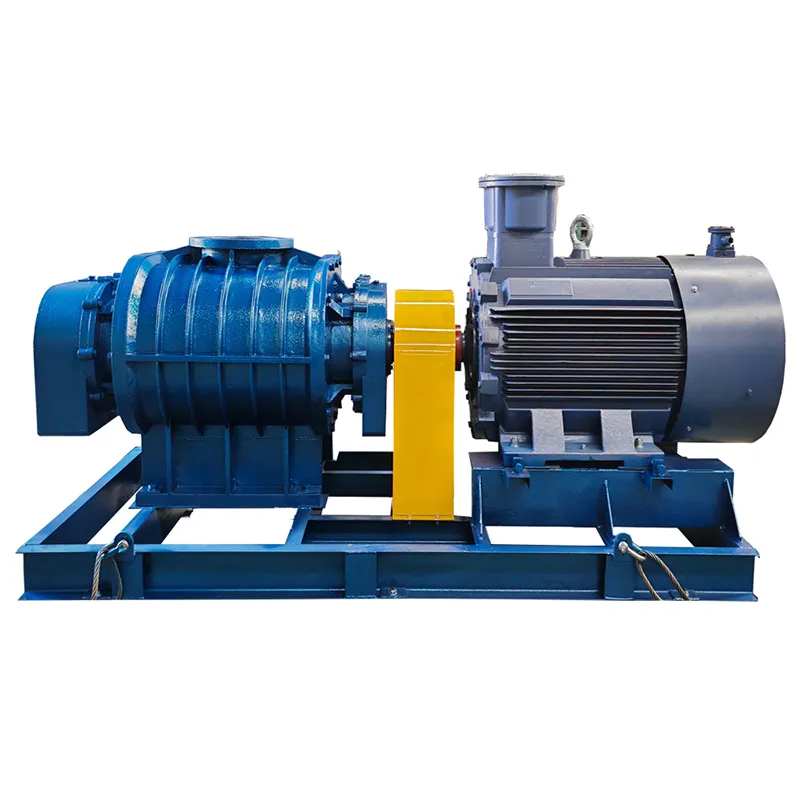
A turbo air blower stands as a cornerstone innovation in modern industrial ventilation systems, delivering remarkable airflow performance while consuming significantly less electrical energy than traditional alternatives. The engineering principle behind this efficiency lies in advanced impeller design and optimized air pathway configuration that maximizes pressure generation with minimal power input. For operations requiring consistent, powerful air delivery across manufacturing, HVAC, material handling, and material processing applications, understanding how these devices achieve their superior performance becomes essential to making informed equipment decisions.
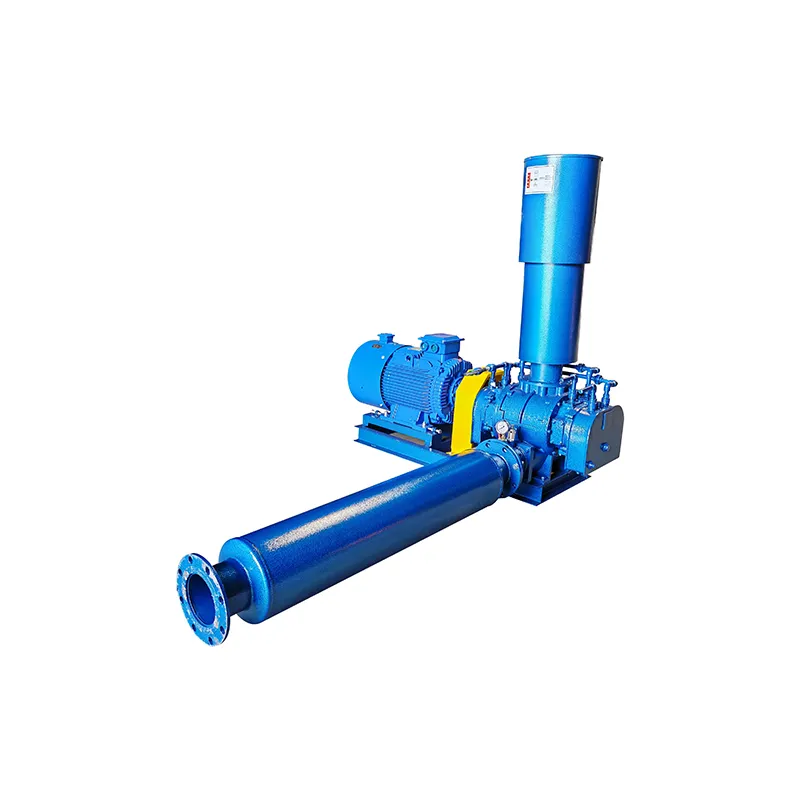
The efficiency advantage of a turbo air blower emerges from its precision-engineered centrifugal fan specifications that convert rotational mechanical energy into directed air movement with exceptional conversion rates. Unlike conventional axial fans that move air parallel to the motor shaft, centrifugal designs redirect airflow at right angles, allowing the impeller to impart both velocity and pressure simultaneously. This fundamental architectural difference enables high pressure air blower applications to operate at lower motor speeds while maintaining or exceeding the airflow volumes that older-generation equipment requires at maximum capacity, directly translating to reduced energy consumption and lower operational costs over the equipment lifecycle.
Engineering Foundation of Turbo Air Blower Efficiency
Centrifugal Fan Specifications and Design Principles
Centrifugal fan specifications determine how effectively a turbo air blower converts input power into usable airflow. The impeller blade curvature, inlet duct geometry, and discharge manifold design collectively influence the pressure-to-flow relationship and overall system efficiency. Modern high pressure air blower applications rely on computational fluid dynamics optimization to minimize turbulence zones and recirculation patterns that waste energy. Advanced blade profiles reduce separation at blade surfaces, allowing air to follow more efficient pathways through the fan housing. These refinements in centrifugal fan specifications permit smaller, lighter motors to achieve greater output, directly reducing electric consumption per unit of air delivered.
Motor Speed Optimization and Power Reduction
A turbo air blower achieves lower energy consumption through intelligent motor speed matching rather than oversizing the motor. Industrial ventilation systems designed with traditional fans often operate at fixed maximum speeds to handle peak demand periods, yet run at excessive capacity during normal operation. Centrifugal fan specifications enable operators to run turbo air blower equipment at reduced speeds during standard conditions, automatically lowering power draw proportionally. When peak demand arrives, the blower accelerates smoothly. This variable-speed capability means facilities pay only for the airflow actually needed at any given moment, making energy consumption directly responsive to operational requirements rather than locked into a fixed consumption profile.
Operational Performance in High Pressure Air Blower Applications
Pressure Generation and Air Delivery Capacity
High pressure air blower applications in pneumatic conveying, material drying, and air knife systems demand sustained elevated pressure delivery across extended operating hours. A turbo air blower excels in these scenarios because its centrifugal design naturally generates pressure as a primary function rather than a secondary characteristic. The rotating impeller forces air outward against the housing walls through centrifugal force, creating pressure differential that drives air through connected ducting and process equipment. This pressure-focused architecture means high pressure air blower applications can be satisfied with smaller displacement units and lower motor horsepower compared to traditional fan types, delivering both performance requirements and energy savings simultaneously.
Noise Reduction and Reliability Factors
Industrial ventilation systems incorporating turbo air blower technology experience measurable noise reduction because optimized blade design eliminates turbulent flow generation that creates acoustic disturbance. Lower operating speeds enabled by superior centrifugal fan specifications further reduce noise generation since sound energy scales with rotation rate and air velocity. Facilities report decibel reductions of 5 to 10 points compared to legacy equipment handling equivalent airflow demands. Beyond noise benefits, the lower mechanical stress from reduced speed operation extends bearing and impeller lifespan, decreasing maintenance frequency and unplanned downtime. High pressure air blower applications therefore achieve dual reliability advantages from mechanical stress reduction and design innovations that minimize fatigue-inducing flow disturbances.
Application Integration and Energy Impact
Industrial Ventilation Systems Deployment
Industrial ventilation systems benefit profoundly from turbo air blower integration because these units fit seamlessly into existing ducting infrastructure while delivering superior performance metrics. Retrofitting legacy exhaust or intake systems with modern turbo air blower units typically requires only motor replacement and impeller upgrade, preserving existing ductwork investments. High pressure air blower applications spanning wastewater treatment, coating application, fume extraction, and cleanroom air handling all demonstrate measurable efficiency gains when upgraded to centrifugal fan specifications of contemporary design. The pressure characteristics enable longer duct runs with fewer diameters needed, reducing installation complexity and material costs alongside operating cost reduction.
Total Cost of Ownership Calculation
A turbo air blower reduces total cost of ownership through multiple channels including direct energy savings, maintenance cost reduction, and extended equipment replacement intervals. Annual energy expense reduction for a facility operating multiple industrial ventilation systems can reach 25 to 40 percent compared to older fan technologies delivering equivalent airflow. High pressure air blower applications that previously required dual units can often consolidate to single turbo air blower equipment, eliminating redundant motor electrical draw entirely. When calculating procurement decisions, the higher initial equipment cost of a turbo air blower typically returns through energy savings within 18 to 36 months of operation, making these investments compelling from pure financial perspective before considering performance and reliability benefits.
FAQ
What makes a turbo air blower more energy efficient than standard fans?
A turbo air blower achieves superior energy efficiency through optimized centrifugal fan specifications that convert rotational motion into pressure and airflow with minimal losses. The blade design, housing geometry, and duct routing work together to reduce turbulent energy waste, allowing smaller motors to deliver greater output. Variable-speed operation capability enables the turbo air blower to match actual demand rather than running at fixed maximum capacity, directly proportioning energy consumption to operational need rather than installed capacity.
Which industrial applications benefit most from high pressure air blower technology?
High pressure air blower applications span pneumatic conveying systems, air knife cutting, material drying, fume extraction, and wastewater treatment aeration. Any industrial ventilation systems requiring sustained elevated pressure delivery across extended operating periods experience maximum benefit from turbo air blower deployment. Applications previously requiring dual-unit redundancy or oversized equipment often consolidate to single efficient turbo air blower installations, reducing capital expenditure and simplifying maintenance protocols significantly.
How do centrifugal fan specifications impact noise levels in turbo air blower operation?
Centrifugal fan specifications incorporating optimized blade profiles and streamlined air pathways eliminate turbulent flow patterns that generate acoustic disturbance. The ability of a turbo air blower to operate at lower motor speeds than traditional fans while maintaining equivalent airflow inherently reduces noise production. Industrial ventilation systems commonly experience 5 to 10 decibel reductions when upgrading to turbo air blower technology, supporting worker comfort and regulatory compliance in sensitive facilities without sacrificing performance capability.