
 EN
EN
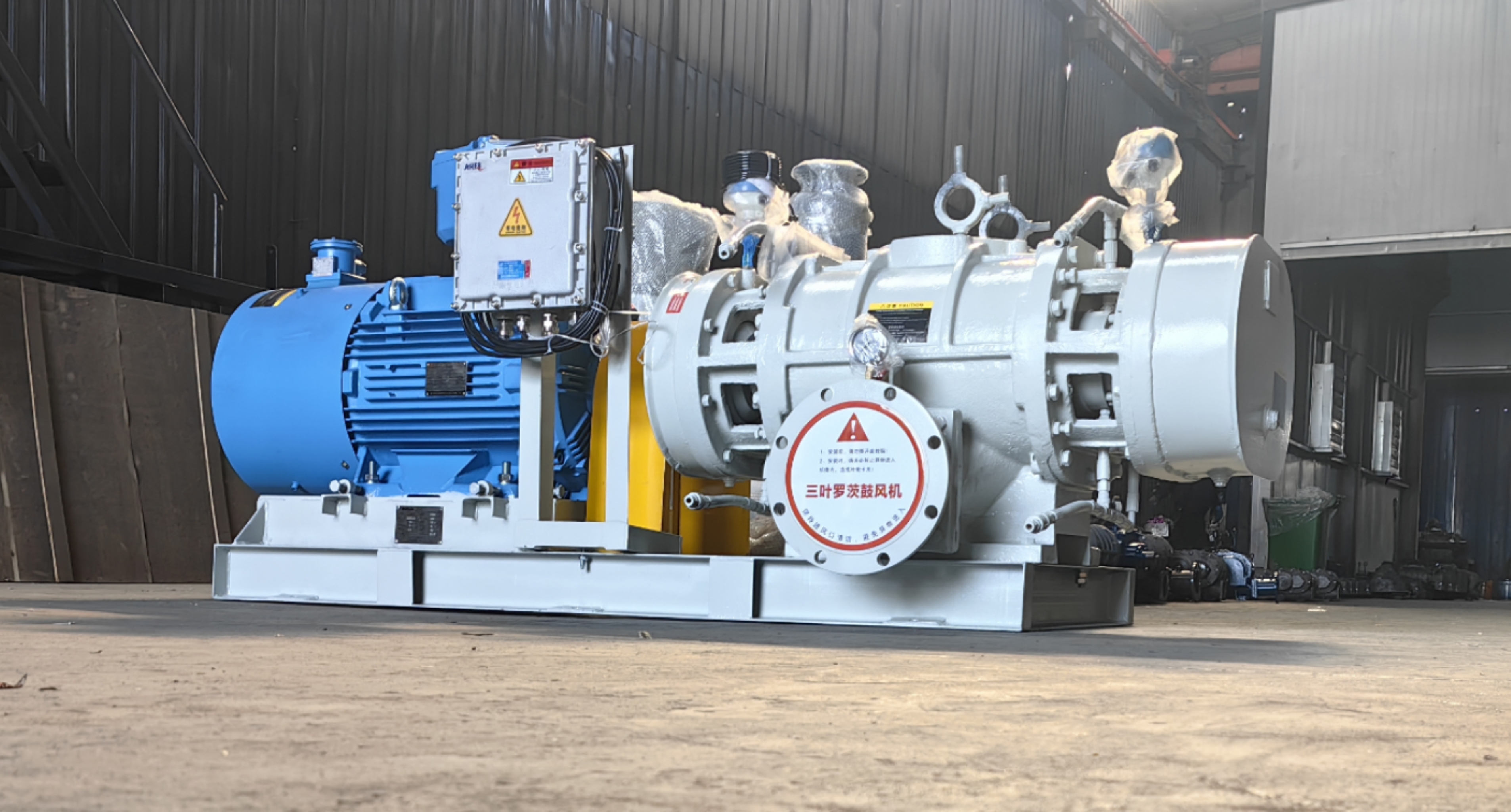
The industrial aeration landscape is undergoing a significant transformation, driven by the rising demand for energy efficiency and operational reliability. A turbo air blower has emerged as the technology of choice for facilities seeking to maximize airflow performance while minimizing energy consumption and environmental impact. Unlike conventional blowers that struggle to maintain consistent pressure under variable load conditions, turbo air blower systems deliver superior performance across diverse industrial applications, from wastewater treatment to pneumatic conveying and aquaculture aeration.
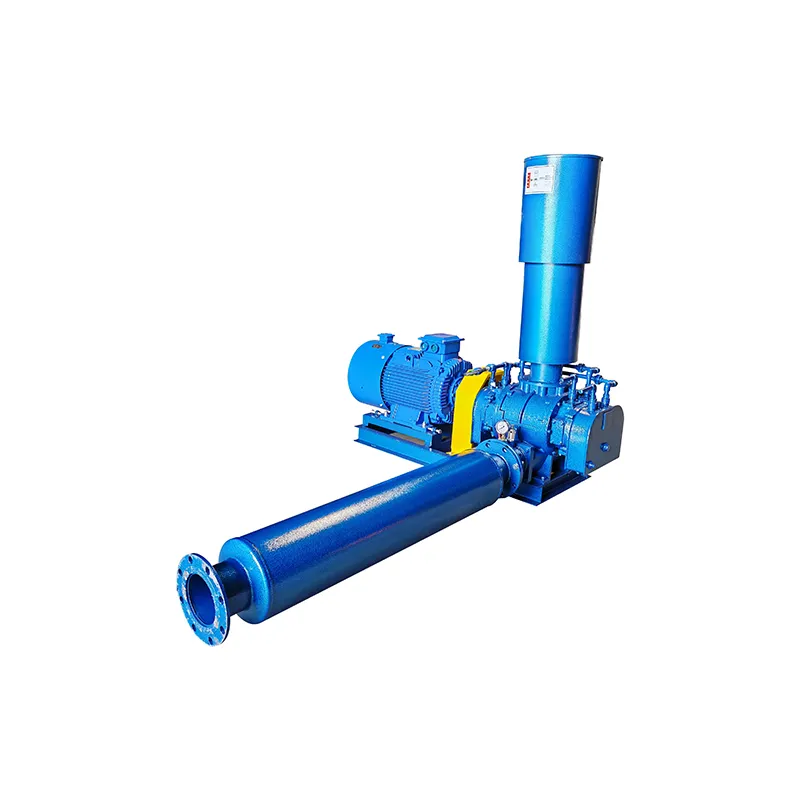
Operators and facility managers are increasingly recognizing that investing in advanced aeration technology directly impacts operational costs, compliance outcomes, and system longevity. The shift toward turbo air blower adoption reflects a broader industry trend prioritizing precision engineering, durability, and measurable performance gains. Understanding the technical advantages and practical benefits of this technology is essential for stakeholders making capital equipment decisions.
Superior Efficiency and Performance Characteristics
Pressure Consistency and Airflow Precision
One of the primary reasons facilities prefer turbo air blower technology is the exceptional pressure consistency it delivers across operational ranges. Traditional positive displacement blowers often experience pressure fluctuations that reduce system efficiency and complicate process control. A high pressure air blower maintenance strategy built around turbo designs eliminates these inefficiencies by utilizing centrifugal principles to generate stable, predictable airflow patterns. This consistency translates directly into better process outcomes, whether the application involves dissolved oxygen delivery in biological treatment or reliable conveying of bulk materials.
The design of modern turbo systems incorporates aerodynamic blade geometry optimized for energy transfer. When properly matched to system requirements, a turbo air blower operates at peak efficiency across the intended duty range, reducing energy waste and lowering operational electricity expenses. Industrial facilities report 15 to 25 percent energy savings compared to older fixed-speed designs, making the investment in turbo technology financially compelling over equipment lifecycles spanning 10 to 15 years.
Variable Speed Drive Compatibility
Advanced turbo air blower systems integrate seamlessly with variable frequency drives, enabling dynamic adjustment to match actual demand. This capability addresses a critical inefficiency in traditional designs where equipment runs at constant speed regardless of process requirements. High pressure air blower maintenance is simplified when systems feature VFD compatibility, as operators can reduce motor stress during low-demand periods and extend bearing life through optimized operating conditions. The centrifugal blower noise reduction benefits intensify with VFD integration, allowing facilities to operate at lower speeds when full capacity is unnecessary.
Industrial Air Blower Specifications and Design Advantages
Compact Footprint and Installation Flexibility
Industrial air blower specifications for turbo designs emphasize space efficiency and modular installation. Unlike reciprocating or screw blowers that occupy significant floor space, turbo units compress air delivery into compact casings that integrate readily into existing infrastructure. Facility managers appreciate the reduced installation complexity and lower auxiliary equipment costs associated with space-saving turbo designs. The lightweight construction also facilitates transport, relocation, and modular system expansion as operational needs evolve.
Design standardization across turbo air blower product lines simplifies spare parts inventory management and ensures rapid maintenance response. Standardized flange connections, coupling types, and motor interfaces reduce engineering coordination requirements when integrating equipment into facility systems. This standardization advantage extends the lifecycle of turbo systems by ensuring parts availability and technical support remain consistent over decades of operation.
Reliability and Extended Service Intervals
The absence of reciprocating mechanical elements in turbo designs inherently reduces wear mechanisms and extends intervals between major maintenance events. Centrifugal blower noise reduction correlates directly with lower mechanical stress, as the smooth rotation of impellers eliminates impact loading present in positive displacement alternatives. High pressure air blower maintenance requirements decrease substantially when systems operate without check valves, inlet unloaders, or discharge pressure relief cycles that consume energy and generate heat in conventional designs.
Ball and roller bearing systems in modern turbo air blower designs support operating pressures exceeding 15 bar while maintaining noise levels below 80 decibels at rated capacity. The sealed bearing cartridges minimize contamination ingress and enable predictable maintenance intervals, often extending to 16,000 operational hours before bearing replacement becomes necessary. This extended service horizon reduces unplanned downtime and simplifies workforce planning for maintenance activities.
Practical Benefits for Industrial Operations
Noise and Vibration Control
Regulatory pressure and worker safety considerations increasingly drive facility decisions toward quieter equipment, making centrifugal blower noise reduction a decisive factor in equipment selection. Turbo air blower designs inherently operate with lower noise signatures than positive displacement alternatives, owing to smooth impeller rotation and optimized aerodynamic pathways. Industrial air blower specifications now routinely emphasize noise attenuation through inlet silencers, discharge mufflers, and resilient isolation mounts integrated into turbo platforms.
The combination of lower inherent noise and advanced damping technologies allows facilities to install turbo systems in populated areas without extensive acoustic enclosures. This flexibility reduces capital expenses and improves facility layouts by eliminating the need for dedicated sound-insulated equipment rooms. Operators in control centers appreciate the reduced ambient noise, which improves communication clarity and reduces fatigue during extended shifts.
Environmental and Regulatory Compliance
Modern turbo air blower technology aligns naturally with regulatory frameworks emphasizing energy efficiency and emission reduction. Equipment certified to ISO efficiency standards and equipped with high pressure air blower maintenance protocols that prioritize minimal environmental impact appeal to facilities subject to increasingly stringent environmental regulations. The reduced energy consumption of turbo systems directly lowers carbon footprints and supports corporate sustainability commitments.
Facilities operating in jurisdictions with strict noise ordinances find turbo air blower solutions particularly advantageous, as the inherently quiet operation reduces or eliminates noise variance violations. The oil-free discharge stream from modern turbo designs also prevents contamination issues associated with older oil-injected screw blowers, supporting compliance with clean air and water protection regulations.
FAQ
What makes a turbo air blower more efficient than traditional positive displacement designs?
Turbo air blower efficiency stems from the continuous, non-positive airflow generation through centrifugal acceleration rather than mechanical displacement. This approach eliminates pressure fluctuations, reduces heat generation, and enables seamless variable speed operation. When coupled with high pressure air blower maintenance practices that maintain optimal blade aerodynamics and bearing alignment, turbo systems consistently deliver 20 to 30 percent energy reductions compared to fixed-speed reciprocating alternatives over typical industrial duty cycles.
How does centrifugal blower noise reduction impact facility operations and workforce safety?
Centrifugal blower noise reduction through turbo technology typically achieves noise levels 8 to 12 decibels lower than positive displacement blowers at equivalent pressure ratings. This reduction translates to measurably lower hearing exposure for maintenance personnel and operators, supporting compliance with occupational health standards like OSHA noise exposure limits. Lower noise also enables flexible facility layout planning, as turbo systems can be installed in administrative areas without requiring isolated equipment rooms, improving maintenance accessibility and reducing facility complexity.
What industrial air blower specifications should operators prioritize when selecting a turbo system?
Critical industrial air blower specifications include maximum discharge pressure, volume flow rate at rated conditions, material composition for corrosive environments, bearing type and lubrication method, and noise certification at operating point. Operators should verify that high pressure air blower maintenance intervals align with facility capabilities, confirm VFD compatibility for energy optimization, and validate that centrifugal blower noise reduction features meet regulatory requirements. Temperature stability across duty range and contamination tolerance of inlet air filters complete the specification checklist for reliable long-term turbo air blower performance.