
 EN
EN
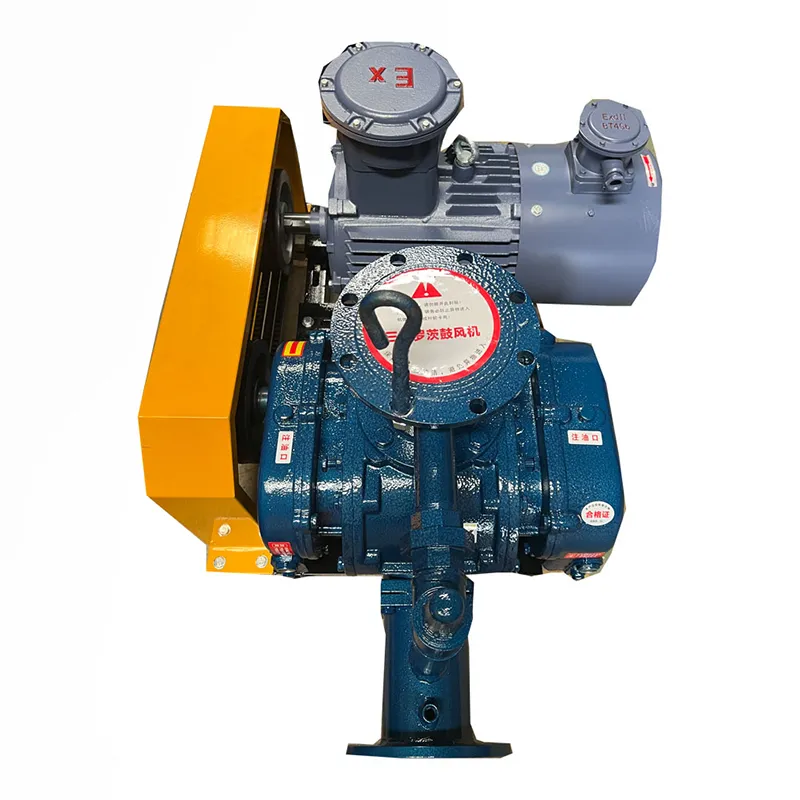
An aquaculture roots blower represents a critical advancement in modern fish farming operations, fundamentally transforming how oxygen reaches aquatic environments. The ability to maintain consistent dissolved oxygen levels directly impacts fish health, growth rates, and farm profitability. Without adequate aeration, aquaculture systems become vulnerable to oxygen depletion, algae blooms, and disease outbreaks that threaten stock survival. This specialized pond aeration equipment combines mechanical efficiency with reliability to ensure fish farms maintain optimal water conditions across all seasons and operational scales.
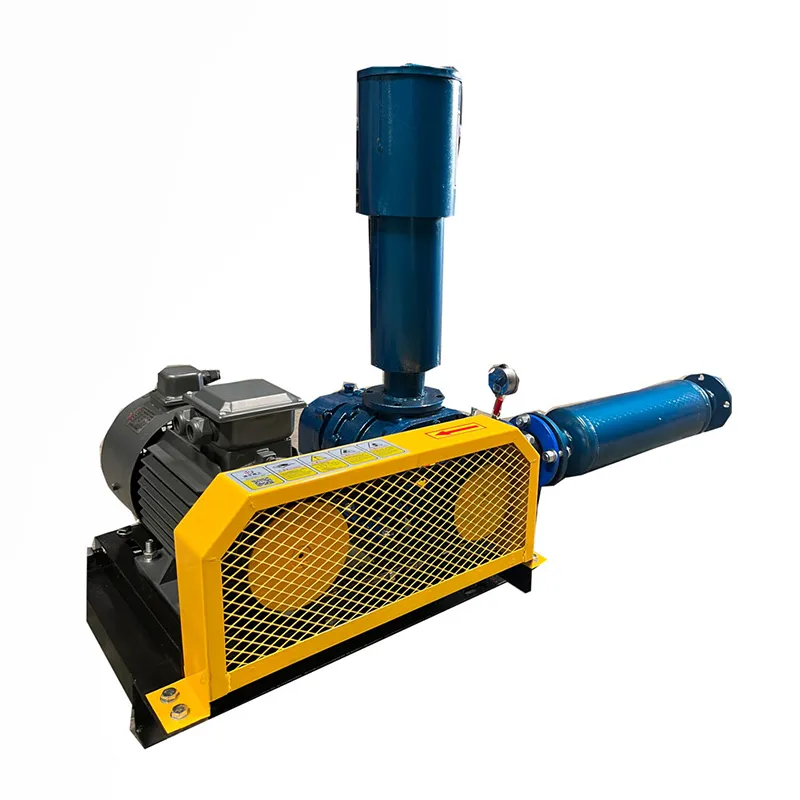
The engineering behind aquaculture air pump specifications reveals why roots blowers have become the preferred choice for intensive fish production systems. Unlike conventional air pumps, roots blowers deliver constant volume displacement at varying pressure conditions, providing stable oxygen transfer regardless of water depth or system resistance. This consistent performance ensures fish farm oxygen delivery systems operate predictably, allowing farm managers to plan operations with confidence and adjust aeration levels precisely when needed.
Core Mechanism of Oxygen Enhancement
How Roots Blower Design Improves Gas Transfer
A roots blower operates through a rotary displacement mechanism featuring two rotating lobes that trap and discharge air at high velocity. The design of pond aeration equipment in roots blowers ensures air enters intake ports, becomes trapped between the lobe and chamber wall, and exits under pressure without internal compression. This distinctive characteristic delivers large air volumes at lower temperatures compared to centrifugal compressors, protecting sensitive aquatic ecosystems from thermal stress while maximizing fish farm oxygen delivery systems efficiency. The continuous displacement action maintains steady flow rates essential for maintaining dissolved oxygen saturation in cultivation ponds.
Oxygen Transfer Efficiency in Water
When an aquaculture roots blower pushes pressurized air into underwater diffusers, the bubble formation and rise dynamics fundamentally alter water oxygen content. The pressure maintained by aquaculture air pump specifications determines bubble size distribution, with finer bubbles achieving superior gas transfer rates due to increased surface area contact with water molecules. Fish farm oxygen delivery systems benefit from this enhanced contact efficiency, allowing smaller blower volumes to accomplish oxygen targets that larger conventional equipment might require. The laminar flow created by roots blower operation also promotes water circulation, distributing oxygen evenly across pond depths and preventing stagnant zones where fish stress and mortality typically occur.
Practical Benefits for Fish Farm Operations
Reliability and Continuous Performance
Aquaculture operations depend on uninterrupted aeration, making pond aeration equipment reliability a fundamental operational requirement. Roots blowers provide proven durability through simple mechanical design with minimal internal clearances, reducing maintenance frequency compared to complex air pump alternatives. The straightforward construction of aquaculture roots blower systems means fewer wear points, lower bearing stress, and extended service intervals that reduce operational downtime during critical production periods. Fish farms relying on stable fish farm oxygen delivery systems benefit from consistent performance metrics that enable accurate growth predictions and harvest planning.
Energy Efficiency and Cost Management
Operating costs in aquaculture production heavily depend on aeration energy consumption, as pond aeration equipment often represents the largest ongoing power requirement in intensive systems. An aquaculture roots blower achieves superior efficiency by delivering fixed displacement volumes with relatively low operating temperatures, minimizing wasted energy compared to centrifugal alternatives requiring higher speed rotations. Aquaculture air pump specifications emphasizing volumetric efficiency directly reduce electricity consumption per unit of oxygen transferred, improving overall farm profitability. The stable performance characteristic of fish farm oxygen delivery systems powered by roots blowers also enables predictable budgeting for operational expenses throughout seasonal production cycles.
Integration Within Complete Aeration Systems
Diffuser Technology and System Configuration
The effectiveness of an aquaculture roots blower depends significantly on proper integration with diffuser systems designed to optimize bubble formation and gas transfer. Pond aeration equipment configurations typically employ fine-bubble diffusers, air stones, or specialized aquaculture diffuser designs that work synergistically with roots blower pressure characteristics to maximize oxygen dissolution. The interaction between aquaculture air pump specifications and diffuser selection determines the overall oxygen transfer rate achieved in cultivation systems. Modern fish farm oxygen delivery systems incorporate variable speed drives that allow blower output adjustment without sacrificing operational stability, enabling farms to match aeration intensity with real-time oxygen demand fluctuations.
Monitoring and Adaptive Aeration Control
Contemporary aquaculture roots blower installations integrate dissolved oxygen sensors and automated control systems that optimize aeration response to changing water conditions. Pond aeration equipment equipped with real-time monitoring enables farm operators to maintain precise oxygen levels between critical thresholds, preventing both hypoxic stress episodes and energy wasteful over-aeration. Aquaculture air pump specifications combined with intelligent controls create fish farm oxygen delivery systems capable of adapting to stocking density changes, temperature variations, and seasonal demand cycles. This adaptive approach maximizes both biological performance and operational economics across the production calendar.
FAQ
What size aquaculture roots blower suits a typical commercial fish farm?
Sizing an aquaculture roots blower depends on stocking density, target species oxygen requirements, and water volume. Most commercial operations calculate blower capacity as liters per minute needed to sustain dissolved oxygen above critical thresholds during peak demand periods. Pond aeration equipment specifications must account for pressure requirements imposed by water depth and diffuser design. Consulting with aquaculture air pump specification experts ensures proper equipment selection that avoids both undersizing that risks oxygen depletion and oversizing that wastes energy and capital investment.
How does an aquaculture roots blower compare to paddle wheels or surface aerators?
Roots blowers offer superior oxygen transfer efficiency compared to paddle wheel and surface aerator alternatives, particularly in deep intensive culture systems. Surface aerators work effectively only at limited depths and create water circulation patterns inefficient for large-scale operations. An aquaculture roots blower combined with subsurface diffusers reaches all water layers uniformly, whereas surface methods concentrate aeration near the top. Fish farm oxygen delivery systems using submerged blower technology transfer significantly more oxygen per unit of energy consumed than traditional mechanical aeration approaches.
What maintenance requirements does aquaculture roots blower equipment demand?
Pond aeration equipment maintenance for roots blowers remains relatively straightforward due to simple mechanical design involving primarily bearing lubrication and filter element replacement. Most aquaculture air pump specifications recommend quarterly filter inspections and annual bearing service under normal operating conditions. Preventive maintenance schedules for fish farm oxygen delivery systems typically involve checking lobe clearances, verifying seal integrity, and confirming pressure relief valve operation. Regular maintenance extends equipment lifespan substantially and prevents sudden failures that could jeopardize oxygen supply continuity during critical production periods.