
 EN
EN
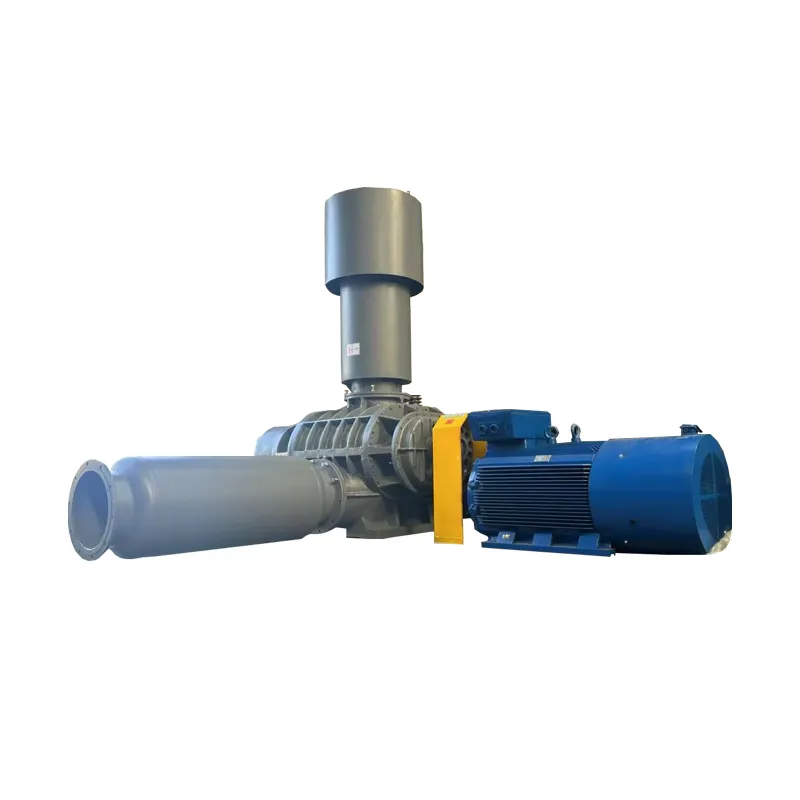
A roots blower vacuum pump operates as a critical industrial component responsible for moving air and gases across countless manufacturing and processing applications. Understanding the factors that influence its performance directly impacts operational efficiency, equipment longevity, and overall system reliability. The performance of a roots blower vacuum pump depends on multiple interconnected variables ranging from design specifications to maintenance protocols and operating conditions.
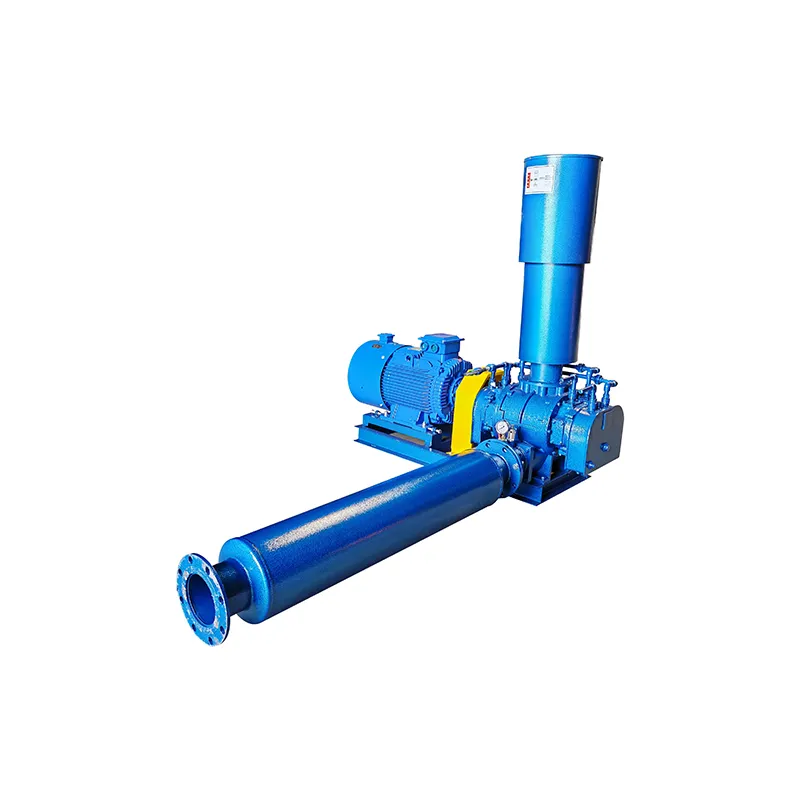
The design and engineering of a roots blower vacuum pump fundamentally determine its capability to handle specific applications and workload demands. Every positive displacement blower applications scenario requires careful evaluation of the equipment specifications, environmental factors, and maintenance standards to achieve maximum performance output.
Design Specifications and Displacement Volume
Displacement Rating Impact
The displacement volume of a roots blower vacuum pump directly governs its air removal capacity and throughput capabilities. Measured in cubic feet per minute (CFM) or cubic meters per hour, displacement rating determines how much gas volume the equipment can transfer during each rotation cycle. Higher displacement volumes enable handling of larger air volumes but require proportionally greater motor power and energy consumption. Selection of appropriate displacement involves analyzing peak system demands and matching equipment capacity to ensure consistent performance throughout operational periods without excessive overload or underutilization.
Rotor Design and Lobe Configuration
The rotary lobe compressor maintenance requirements and performance characteristics depend heavily on rotor design geometry and lobe configuration. Three-lobe and two-lobe designs each offer distinct advantages in terms of flow smoothness, noise generation, and efficiency profiles. Tighter rotor tolerances and optimized lobe profiles reduce internal leakage and improve volumetric efficiency, directly affecting overall system output. Precision manufacturing of rotors ensures consistent meshing clearances that prevent contact wear while maintaining the necessary operating gaps for reliable performance across extended service periods.
Operational Conditions and Environmental Factors
Speed and Rotational Performance
Operating speed, measured in revolutions per minute (RPM), critically influences both performance output and equipment stress levels in positive displacement blower applications. Increased rotational speed enhances gas transfer capacity and system flow rates but simultaneously elevates mechanical wear, vibration, and heat generation. Motor power requirements scale significantly with speed increases, affecting energy efficiency and operational costs. Optimal speed selection balances performance objectives against mechanical limitations, thermal management capabilities, and bearing longevity to achieve sustainable operation.
Temperature and Thermal Management
Gas temperature and inlet air conditions substantially impact vacuum pump air removal systems efficiency and internal component condition. High inlet temperatures increase internal gas temperatures during compression, reducing the mass of gas transferred per cycle and increasing viscous energy losses. Inadequate cooling results in elevated operating temperatures that accelerate component degradation, seal failure, and reduced equipment lifespan. Proper thermal management through cooler design, ventilation, and monitoring systems maintains optimal operating temperatures that preserve performance and reliability over extended operational periods.
Pressure Differential Effects
The pressure differential between inlet and outlet conditions directly affects the workload imposed on a roots blower vacuum pump and its mechanical stress levels. Higher differential pressures require greater force to move gas through the system, consuming more motor power and generating increased vibration and wear. System design must accommodate expected pressure ranges to prevent operation beyond equipment rated limits. Understanding application pressure requirements ensures selection of appropriately sized equipment with sufficient capacity margin for safe, reliable performance.
Maintenance and System Integration
Preventive Maintenance Protocols
Rotary lobe compressor maintenance directly determines long-term performance consistency and equipment availability in industrial environments. Regular oil changes, filter replacements, and bearing inspections prevent contamination accumulation and component deterioration that reduce efficiency. Monitoring vibration levels, operating temperatures, and discharge pressures provides early warning of emerging problems before catastrophic failure occurs. Scheduled maintenance intervals aligned with manufacturer recommendations and actual operating patterns preserve equipment condition and optimize positive displacement blower applications reliability across extended service intervals.
System Integration and Alignment
Proper installation, shaft alignment, and coupling selection significantly influence roots blower vacuum pump performance and operational stability. Misalignment between motor and pump creates excessive vibration, accelerates bearing wear, and reduces overall system efficiency. Appropriate coupling selection accommodates thermal expansion and minor misalignment while transmitting torque efficiently. Foundation stability and vibration isolation systems minimize noise transmission and protect connected piping and equipment from damage caused by pump operation.
Air Removal Capability and Filtration
Effective vacuum pump air removal systems require properly sized and maintained inlet filtration to protect internal components from contamination. Dust, moisture, and particulate matter entering the pump accelerate wear on rotors, bearings, and seals, diminishing performance and reliability. Filter maintenance schedules must account for ambient air quality and operational intensity to prevent restriction that reduces intake flow. Clean, dry inlet conditions enable the equipment to achieve rated displacement and efficiency while extending component lifespan significantly.
FAQ
How does displacement volume affect roots blower vacuum pump efficiency?
Displacement volume determines the volumetric capacity of the equipment to transfer gases per rotation cycle. Larger displacement enables handling greater air volumes in positive displacement blower applications but requires more motor power. Selecting displacement appropriately for system demands ensures efficient operation without undersizing that causes bottlenecks or oversizing that wastes energy.
What maintenance intervals optimize rotary lobe compressor performance?
Maintenance frequency depends on operating hours, environmental conditions, and application intensity. Manufacturer recommendations typically specify oil changes every 500–1000 hours and filter replacements every 250–500 hours. Monitoring actual operating conditions and adjusting intervals based on performance trends ensures optimal equipment condition and prevents unexpected failures during critical production periods.
Can operating temperature significantly impact vacuum pump performance?
Yes, elevated inlet temperatures reduce mass flow rates and increase internal losses in vacuum pump air removal systems. Higher temperatures accelerate seal degradation and component wear, shortening equipment lifespan. Maintaining inlet temperatures within recommended ranges through cooler design and thermal management preserves performance efficiency and extends operational reliability across extended service periods.