
 EN
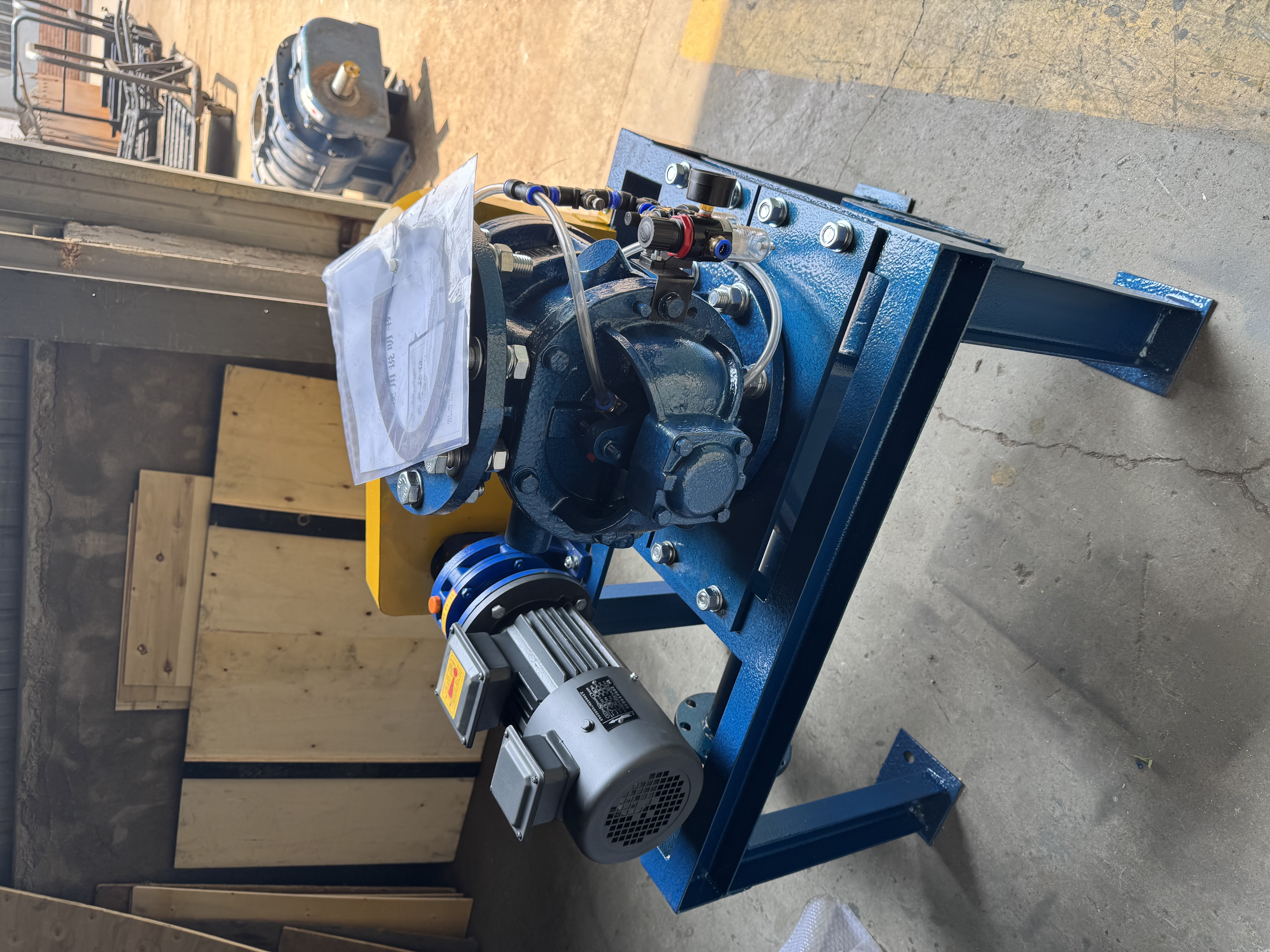
An industrial rotary feeder is a critical component in modern processing plants that optimizes material flow and enhances operational efficiency. By controlling the precise delivery of bulk materials from storage hoppers into downstream equipment, an industrial rotary feeder ensures consistent, metered discharge that prevents blockages, reduces waste, and maintains steady production rates. This equipment is essential for facilities handling powders, granules, and other particulate materials where flow control directly impacts product quality and throughput.
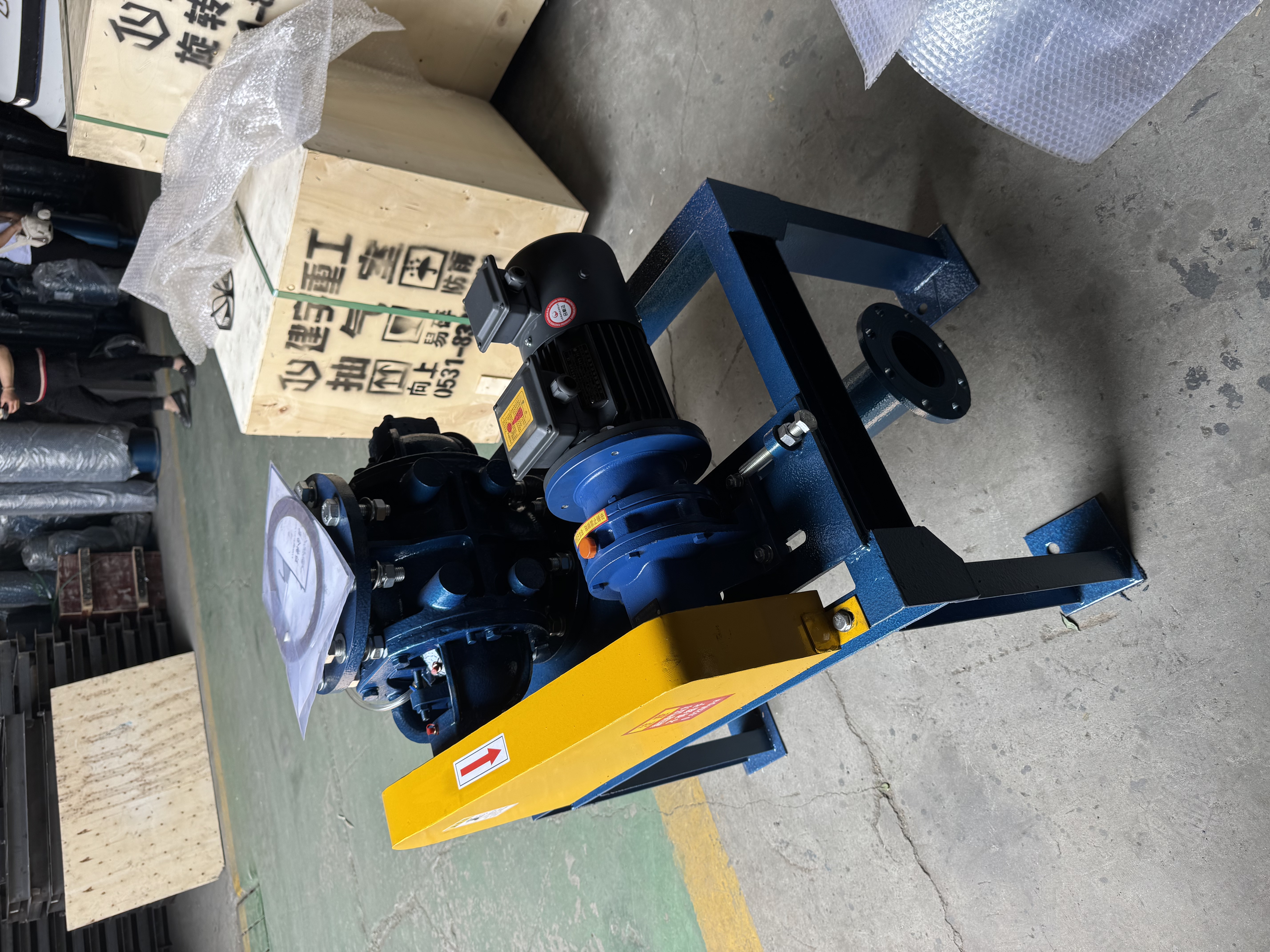
Material flow challenges in processing plants often stem from uncontrolled discharge rates, inconsistent material properties, and pressure imbalances that disrupt downstream processes. The industrial rotary feeder solves these problems by providing volumetric feeding systems that deliver exact quantities at predictable intervals, enabling manufacturers to meet production schedules and maintain product specifications with confidence.
Mechanism and Core Function of Rotary Airlock Valves
How Rotary Airlocks Control Material Discharge
A rotary airlock valve operates by using rotating blades or pockets within a cylindrical chamber to isolate material batches and meter them downward or forward. As the rotor turns, material from the hopper above fills a pocket, and when that pocket reaches the discharge point, gravity or pneumatic pressure releases the measured amount. This repeated cycle creates continuous, regulated material flow without exposing the system to external air pressure, which maintains material integrity and prevents contamination.
The design of rotary airlock valves incorporates several precision tolerances to ensure durability and accuracy. The sealing surfaces between rotor blades and chamber walls must maintain tight clearances to prevent material leakage while allowing smooth rotation without excessive friction. Industrial manufacturers specify rotary airlock valve models based on material density, particle size, flow rate requirements, and operating pressure differentials between the inlet hopper and discharge line.
Integration with Volumetric Feeding Systems
Volumetric feeding systems combine multiple components including hoppers, rotary airlocks, and instrumentation to deliver precise material quantities throughout the production process. Unlike weight-based feeders that measure material by mass, volumetric feeding systems measure by volume, making them faster and more cost-effective for high-speed production lines. The rotary airlock serves as the primary metering device within these systems, ensuring that each revolution of the rotor delivers a consistent volume regardless of material density variation within typical operating ranges.
Bulk Material Handling Equipment Integration
Workflow Optimization in Processing Plants
Processing plants depend on seamless integration of bulk material handling equipment to move materials from raw storage through multiple transformation stages to final packaging. An industrial rotary feeder acts as a critical control point between storage hoppers and pneumatic conveying systems, blenders, or direct processing equipment. By stabilizing material flow at this junction, the feeder prevents the cascading delays and quality problems that occur when upstream equipment cannot regulate discharge reliably.
The performance of bulk material handling equipment depends on consistent input from upstream components. When an industrial rotary feeder provides steady-state material delivery, downstream conveyors operate at optimal capacity utilization, pneumatic systems maintain stable line pressure, and product quality parameters remain within specification. This stability translates to higher throughput, reduced energy consumption, and fewer process interruptions caused by material bridging or flooding.
Pressure Management and System Balance
A critical advantage of rotary airlock valve technology is its ability to isolate pressure differentials between inlet and outlet sections. When a storage hopper sits above a positive-pressure conveying line, the rotary airlock prevents high-pressure air from rising back into the hopper, which would disrupt material settling and create dust emissions. Conversely, when discharge occurs into a lower-pressure section, the airlock maintains controlled flow without material spraying or air-entrainment that would waste energy.
Processing plants that implement proper rotary airlock valve sizing within their bulk material handling equipment frameworks achieve 15–25% reduction in compressed air consumption compared to systems lacking flow control. The initial investment in quality bulk material handling equipment including industrial rotary feeders pays returns through operational savings, improved consistency, and reduced maintenance from equipment stress.
Selection and Performance Optimization
Sizing Industrial Rotary Feeders for Specific Applications
Selecting the correct industrial rotary feeder requires analysis of material characteristics, desired flow rate, and system constraints. The volumetric feeding systems approach calculates capacity by multiplying the volume of one rotor pocket by the rotor speed in revolutions per minute. For example, a feeder with 50-cubic-centimeter pockets rotating at 40 rpm delivers 2,000 cubic centimeters per minute of theoretical capacity, though actual throughput depends on material bulk density and flowability.
Material properties significantly influence feeder performance and selection criteria. Low-density powders with poor flow characteristics may not completely fill rotor pockets, reducing actual capacity below theoretical levels. Conversely, dense granules may compress during transit through pockets, causing inconsistent release rates. Engineers evaluate material properties through angle of repose measurements, moisture content analysis, and particle size distribution testing to select appropriate industrial rotary feeder models and rotary airlock valve designs.
Maintenance and Long-Term Reliability
Proper maintenance of bulk material handling equipment extends service life and preserves the precision of rotary airlock valves. Regular inspection of rotor blade wear patterns identifies material characteristics or foreign objects causing accelerated erosion. Lubrication points require scheduled attention to prevent bearing wear, and sealing surface monitoring ensures tight isolation between pressure zones. Processing plants benefit from predictive maintenance programs that track feeder discharge consistency and identify degradation trends before failures occur.
The volumetric feeding systems installed in modern processing plants often incorporate speed controllers and bypass feedback mechanisms that automatically adjust rotor speed to maintain setpoint flow rates despite material property variation. These systems improve overall plant responsiveness and reduce manual operator intervention. Industrial rotary feeder technology continues evolving with advances in wear-resistant materials, precision manufacturing, and intelligent flow monitoring capabilities.
FAQ
What is the primary advantage of using an industrial rotary feeder over gravity discharge?
An industrial rotary feeder provides metered, controlled discharge compared to uncontrolled gravity flow that varies with material bridging, consolidation, and hopper geometry. This consistency prevents downstream equipment starvation or flooding, maintains product quality specifications, and enables predictable production scheduling. Gravity discharge lacks regulation and often requires complex hopper designs to maintain flow reliability.
How does a rotary airlock valve prevent material contamination in sealed systems?
A rotary airlock valve isolates the hopper from external atmospheric pressure by creating individual pockets that trap material batches during rotation. This isolation prevents air from back-flowing into the hopper during discharge, eliminates dust escape into the workplace, and protects material from moisture or external contaminants. The sealed-airlock design is essential for processing plants handling sensitive materials like pharmaceuticals or food ingredients.
Can volumetric feeding systems handle materials with varying moisture content?
Volumetric feeding systems can accommodate modest moisture variation since they measure by volume rather than weight, but extreme moisture changes affect material flowability and may cause pockets to under-fill or material to agglomerate. Processing plants typically maintain material conditioning processes upstream to control moisture within acceptable ranges. For applications requiring stricter accuracy despite moisture variation, weight-based feeders combined with rotary airlock isolation provide superior control.