
 EN
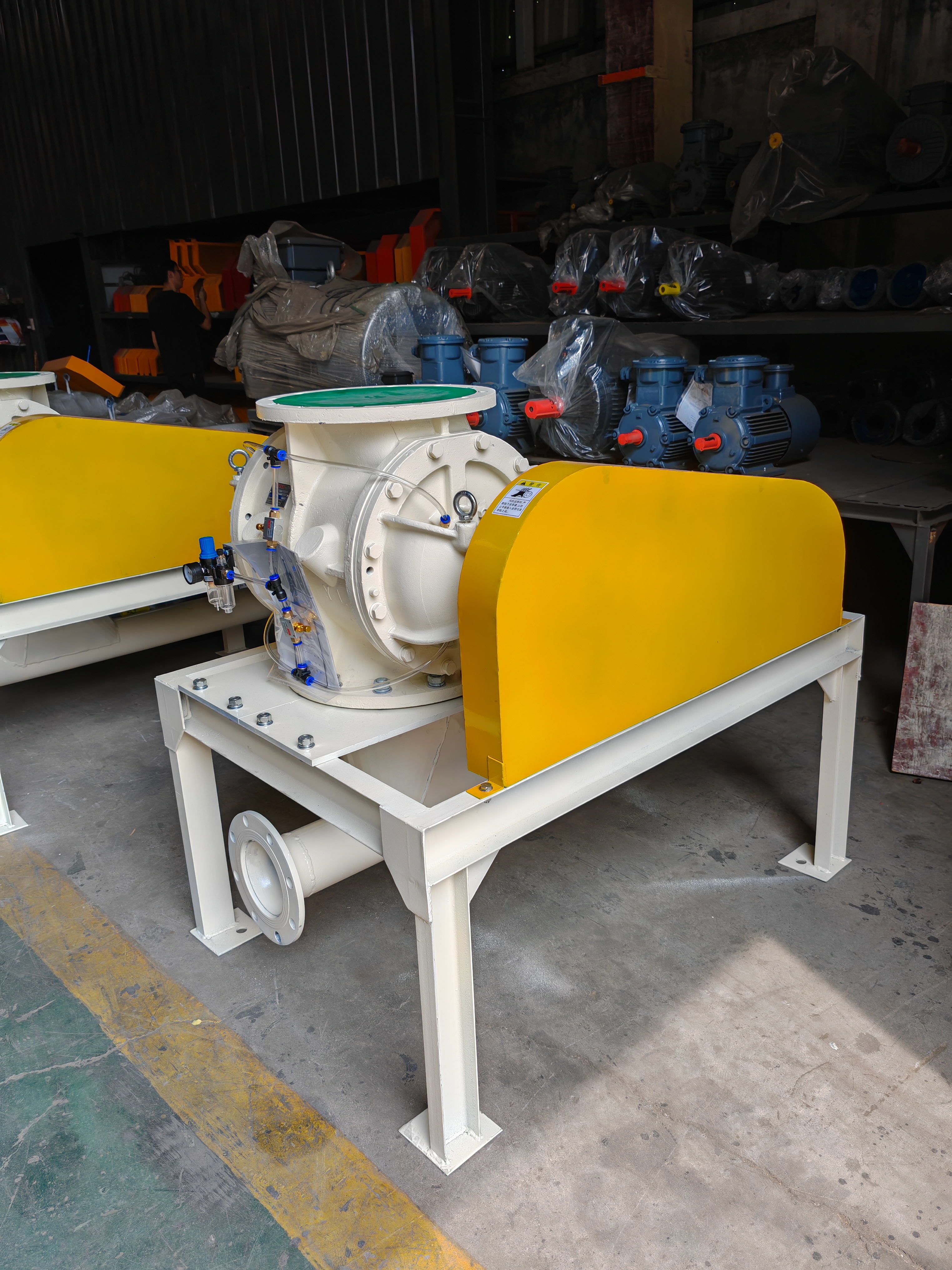
An industrial rotary feeder is a critical component in bulk material handling systems that ensures precise, consistent material discharge into process lines, conveyors, or collection points. The mechanism behind feeding accuracy involves multiple interconnected design features, operational parameters, and control strategies that work together to prevent material degradation, maintain flow uniformity, and eliminate unwanted process interruptions. Understanding how these systems maintain accuracy is essential for operators and plant managers who depend on reliable material flow in cement, chemical, food processing, and pharmaceutical industries.
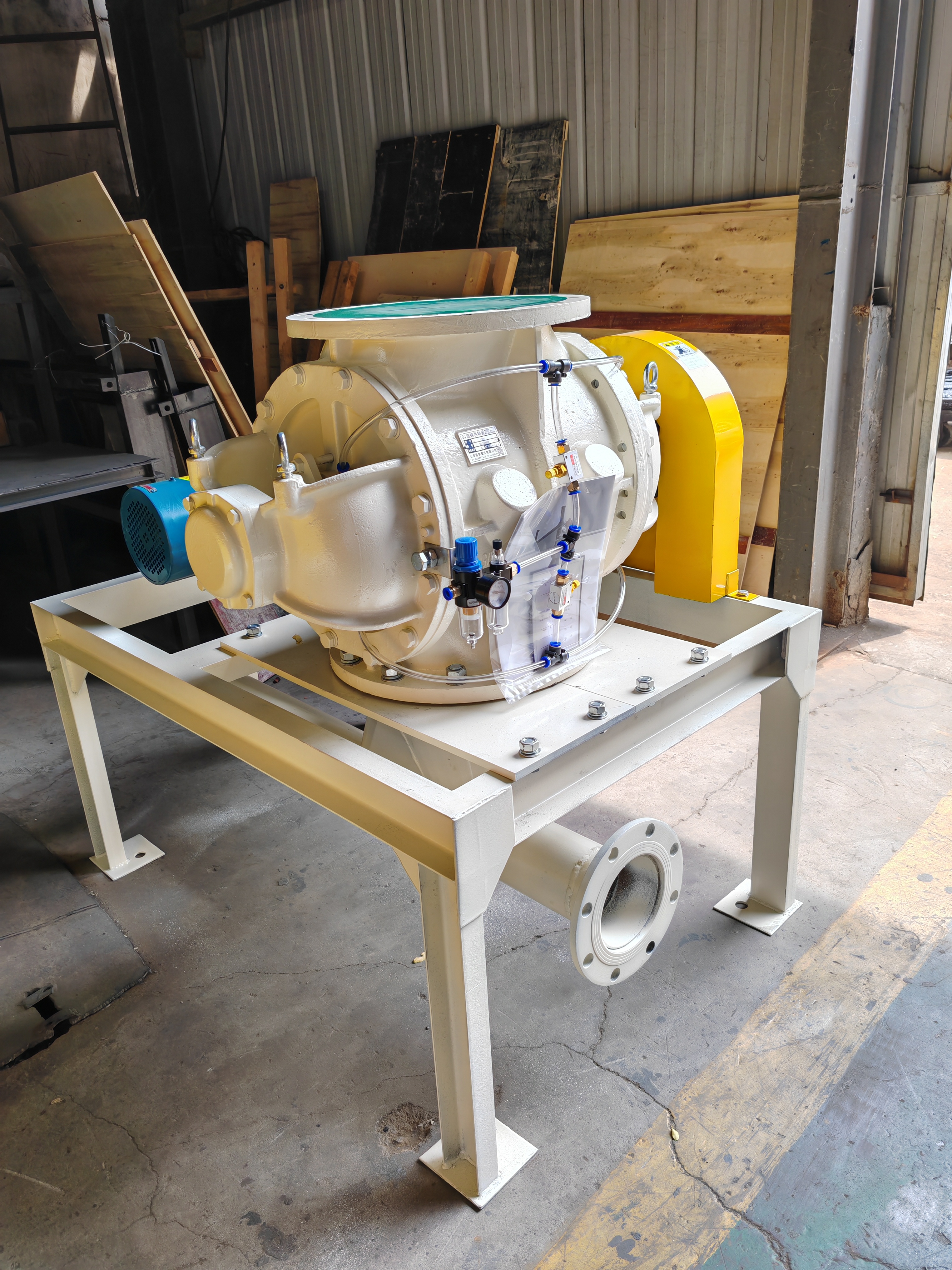
Feeding accuracy in bulk material handling systems depends on the rotary feeder's ability to meter material at a constant rate while handling variable inlet pressures, material density changes, and downstream demand fluctuations. The rotary airlock valve serves as a precise boundary control device, isolating pressure zones while regulating material flow through synchronized rotor rotation. When integrated into a complete screw conveyor feeder system, the industrial rotary feeder achieves high accuracy through mechanical precision, speed regulation, and responsive feedback mechanisms that adapt to real-time process conditions.
Design Features That Enable Accurate Material Flow
Rotor Geometry and Pocket Design
The geometry of the rotor and its pockets is fundamental to maintaining consistent feeding accuracy in an industrial rotary feeder. Each pocket is precisely machined to hold a specific volume of material, ensuring that every rotation displaces an identical quantity. The pocket shape, depth, and clearance tolerances are engineered to accommodate the material's particle size distribution while minimizing spillage and bridging. High-quality industrial rotary feeders employ custom rotor designs that match specific material characteristics, from fine powders to larger granules.
The clearance between the rotor and housing also affects accuracy significantly. Tight tolerances prevent material leakage around the rotor, which would cause flowrate variation and measurement errors. In bulk material handling systems where accuracy is critical, precision-machined housings and rotors maintain consistent clearances throughout the equipment's service life. Regular inspection and maintenance of rotor wear patterns ensure that the pocket volume remains constant, preserving the feeder's accuracy over extended operational periods.
Material Seal Integrity
Rotary airlock valve design includes sealing surfaces that prevent material bypass and maintain pressure differentials across the feeder. Worn seals compromise the accuracy of material metering because material can flow around the rotor rather than through the pockets. A properly maintained seal system in an industrial rotary feeder ensures that all material follows the intended path, preventing flowrate fluctuations. The seal quality directly influences the feeder's ability to maintain consistent feeding accuracy under varying operating conditions.
Operational Control Mechanisms
Rotor Speed Regulation and Drive Systems
Speed control is the primary mechanism by which an industrial rotary feeder maintains consistent feeding accuracy. Variable frequency drives (VFDs) allow real-time adjustment of rotor rotation speed to match material demand and maintain stable flowrates. As downstream processes speed up or slow down, the feeder's control system automatically increases or decreases rotor speed to prevent material accumulation or starvation in the connected screw conveyor feeder. This dynamic response is essential in bulk material handling systems where process conditions change throughout the operational day.
Gearbox ratios and drive coupling designs also influence the consistency of rotor motion. Direct-drive systems eliminate backlash and provide more precise speed control than chain or belt drives, though they require higher initial investment. Industrial rotary feeders used in critical applications often employ gear drives with low backlash to ensure smooth, predictable rotor acceleration and deceleration. The mechanical precision of the drive system directly contributes to the feeder's ability to maintain accurate material discharge rates.
Load Cell Integration and Feedback Systems
Modern industrial rotary feeder systems incorporate load cells or weigh scale technology that continuously monitors material discharge rate. These sensors provide real-time feedback to the control system, which compares actual flowrate against the target setpoint and adjusts rotor speed automatically. If the feeder is dispensing material faster than required, the control system reduces speed; if material flow lags behind demand, speed increases. This closed-loop feedback mechanism is central to maintaining consistent feeding accuracy in demanding bulk material handling systems.
The accuracy of the rotary airlock valve's feedback depends on sensor calibration, signal processing speed, and control algorithm response time. Industrial facilities typically calibrate load cells weekly or monthly to ensure measurement precision. A rotary feeder with properly tuned proportional-integral-derivative (PID) control logic minimizes overshoot and oscillation, delivering stable, predictable material flow that meets downstream process requirements consistently.
Pressure Management and Material Flow Stability
Inlet Pressure Stabilization
Material arriving at the inlet of an industrial rotary feeder often comes from pressurized hoppers, bins, or upstream equipment with variable pressure conditions. Fluctuating inlet pressure directly affects how material fills the rotor pockets, changing the actual volume of material dispensed per rotation. To maintain feeding accuracy, the feeder must isolate the inlet pressure from the rotor pocket filling process. Some industrial rotary feeder designs include inlet surge hoppers or flow stabilizers that moderate pressure spikes and create more uniform material arrival at the rotor level.
In bulk material handling systems where inlet conditions are particularly unstable, practitioners sometimes install pressure relief valves or bypass lines to prevent excessive pressure buildup. The rotary airlock valve then works in a more controlled pressure environment, maintaining consistent pocket filling and material discharge. This configuration improves overall feeding accuracy by removing variability introduced by upstream equipment and process conditions.
Outlet Discharge Management
The discharge side of an industrial rotary feeder must also be controlled to prevent backpressure from affecting material metering. When a screw conveyor feeder or downstream process generates excessive backpressure, it can impede rotor rotation slightly, reducing the effective flowrate even if rotor speed remains constant. Industrial rotary feeders designed for high-accuracy applications include pressure relief systems or discharge dampeners that maintain consistent outlet conditions. A rotary airlock valve with proper discharge management prevents downstream process variations from compromising feeding accuracy.
In integrated bulk material handling systems, the feeder's discharge pressure is typically maintained within a narrow band by automatic bypass or relief mechanisms. This stable outlet environment allows the industrial rotary feeder to meter material precisely without external process interference. Consistent discharge pressure also reduces mechanical stress on the rotor, improving equipment longevity and maintaining accuracy throughout the feeder's operational life.
FAQ
What causes an industrial rotary feeder to lose feeding accuracy over time?
Feeding accuracy deteriorates due to rotor and housing wear, seal degradation, accumulation of material residue, and mechanical looseness in the drive system. In a rotary airlock valve, worn pockets hold less material per rotation, directly reducing flowrate. Seal wear allows material bypass around the rotor, causing flowrate inconsistency. Regular maintenance, including seal inspection, rotor pocket measurement, and drive system tightness checks, preserves the industrial rotary feeder's accuracy. Facilities typically recondition or replace rotors when pocket volume loss exceeds 5–10 percent.
How does a screw conveyor feeder work with an industrial rotary feeder to maintain bulk material handling accuracy?
The screw conveyor feeder receives material discharged by the industrial rotary feeder and conveys it forward while continuing to control flowrate based on downstream demand signals. The rotary airlock valve acts as the primary metering device, precisely dosing material into the screw, which then transports and further regulates flow to prevent surges. This dual-level control in bulk material handling systems ensures that process downstream receives steady, predictable material supply even when inlet conditions or rotor speed change.
Can an industrial rotary feeder maintain accuracy when handling material with variable moisture or particle size?
An industrial rotary feeder maintains reasonable accuracy with variable material properties because it meters by volume—pocket size remains constant regardless of material density or moisture content. However, moisture absorption or particle size variations can cause material to bridge inside the rotor pockets or cling to the housing, reducing the actual material discharged per rotation. For bulk material handling systems processing highly variable materials, operators must calibrate the feeder's speed setpoint after material property changes and may need to select rotor designs with modified pocket geometry to prevent bridging and maintain consistent feeding accuracy.
Table of Contents
- Design Features That Enable Accurate Material Flow
- Operational Control Mechanisms
- Pressure Management and Material Flow Stability
-
FAQ
- What causes an industrial rotary feeder to lose feeding accuracy over time?
- How does a screw conveyor feeder work with an industrial rotary feeder to maintain bulk material handling accuracy?
- Can an industrial rotary feeder maintain accuracy when handling material with variable moisture or particle size?