
 EN
EN

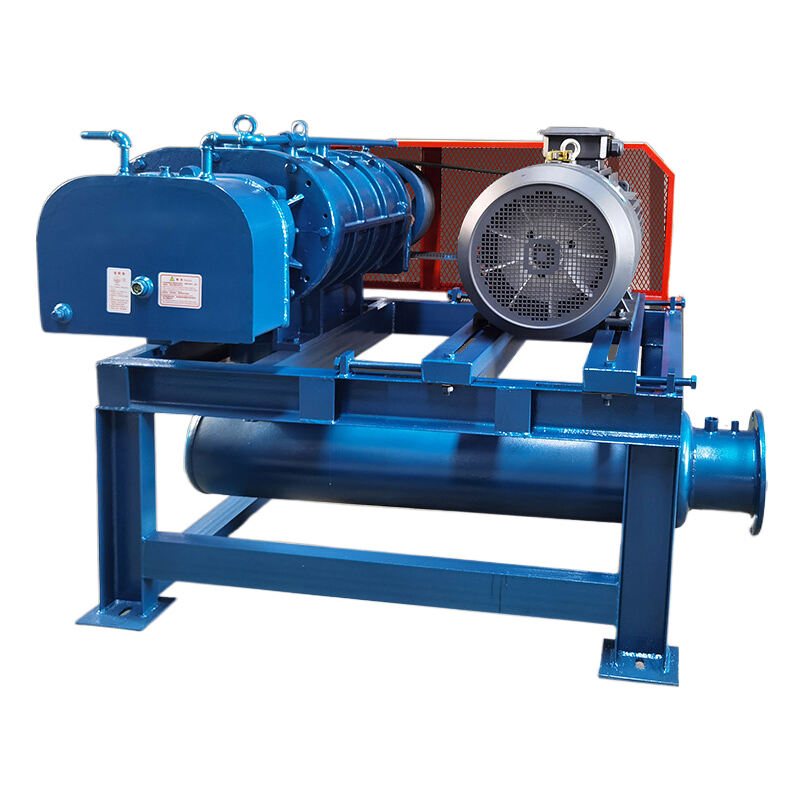
Industrial manufacturing processes require reliable and efficient air handling systems to maintain optimal production standards. Among the various pneumatic equipment available today, the roots blower supercharger stands out as a versatile solution for factories seeking enhanced performance and energy efficiency. This specialized equipment delivers consistent airflow while maintaining steady pressure levels across diverse industrial applications. Understanding the advantages of implementing this technology can help facility managers make informed decisions about their pneumatic infrastructure investments.
Enhanced Operational Efficiency in Manufacturing Environments
Consistent Pressure Delivery
Manufacturing facilities depend on consistent pneumatic pressure to operate automated systems, conveyor belts, and packaging equipment. The roots blower supercharger provides steady pressure output regardless of varying demand cycles throughout production shifts. This reliability eliminates pressure fluctuations that can cause equipment malfunctions or product quality issues. Factory operators benefit from reduced downtime and improved production consistency when implementing this technology in their pneumatic systems.
The unique design of these systems ensures minimal pressure pulsation compared to traditional blower technologies. This smooth operation translates into better performance for sensitive manufacturing processes that require precise pressure control. Industries such as food processing, pharmaceutical manufacturing, and electronics assembly particularly benefit from this stable pressure delivery characteristic.
Reduced Energy Consumption
Energy efficiency remains a critical consideration for industrial facilities facing rising operational costs. The roots blower supercharger operates with optimized energy consumption patterns that reduce overall facility power requirements. Advanced rotor designs minimize internal friction and heat generation, resulting in lower electricity usage compared to conventional pneumatic systems. Factory managers often report significant reductions in monthly energy bills after transitioning to these efficient blower systems.
Modern units incorporate variable speed controls that automatically adjust output based on real-time demand. This intelligent operation prevents energy waste during low-demand periods while ensuring adequate capacity during peak production times. The cumulative energy savings over extended operation periods provide substantial cost benefits for manufacturing operations.
Superior Durability and Maintenance Advantages
Extended Equipment Lifespan
Industrial environments subject pneumatic equipment to harsh operating conditions including dust, temperature variations, and continuous operation cycles. The robust construction of roots blower supercharger units withstands these challenging conditions while maintaining reliable performance over extended periods. High-quality materials and precision manufacturing ensure these systems operate effectively for many years with minimal degradation in performance capabilities.
The sealed design prevents contamination from entering critical internal components, protecting the system from environmental factors that typically cause premature equipment failure. This protection extends the operational lifespan significantly compared to open-design pneumatic systems commonly found in industrial settings. Factories investing in these durable systems experience lower replacement costs and improved long-term return on investment.
Simplified Maintenance Requirements
Maintenance efficiency directly impacts factory productivity and operational costs. These blower systems feature simplified maintenance procedures that reduce both scheduled and unscheduled downtime. The straightforward design allows maintenance technicians to perform routine inspections and component replacements quickly without extensive disassembly procedures. This accessibility minimizes production interruptions during maintenance activities.
Predictive maintenance capabilities integrated into modern units provide early warning indicators for potential issues before they result in equipment failure. Factory maintenance teams can schedule repairs during planned downtime periods rather than responding to emergency breakdowns. This proactive approach reduces maintenance costs while improving overall equipment availability for production operations.
Versatile Applications Across Industrial Sectors
Material Handling and Conveying Systems
Pneumatic conveying systems rely on consistent airflow to transport materials efficiently throughout manufacturing facilities. The roots blower supercharger provides the necessary airflow characteristics for handling diverse materials including powders, granules, and lightweight components. The steady pressure output ensures reliable material transport without segregation or damage during conveying processes.
Different industries benefit from customized pressure and flow configurations tailored to specific material properties. Chemical processing facilities use these systems for handling reactive powders, while food manufacturing operations transport ingredients safely through enclosed conveying networks. The versatility of pressure settings accommodates various material densities and transport distances within facility layouts.
Process Air Supply Applications
Manufacturing processes often require clean, dry air for operations such as spray coating, drying, and component cooling. These blower systems deliver contaminant-free air at consistent pressures suitable for sensitive process applications. The oil-free operation characteristic ensures air purity standards necessary for food processing, pharmaceutical production, and electronics manufacturing environments.
Integration with existing plant air systems enhances overall pneumatic infrastructure capabilities without requiring complete system overhauls. Facilities can incrementally upgrade their air supply systems by incorporating these efficient blowers into current configurations. This flexibility allows for gradual modernization while maintaining continuous production operations during implementation phases.
Economic Benefits and Return on Investment
Reduced Operating Costs
The combination of energy efficiency and reduced maintenance requirements translates into substantial operating cost savings for manufacturing facilities. Lower electricity consumption reduces monthly utility expenses while simplified maintenance procedures decrease labor costs associated with system upkeep. These ongoing savings accumulate over the equipment lifespan to provide significant financial benefits.
Improved system reliability reduces costs associated with production downtime and emergency repairs. Factory managers can better predict maintenance budgets and avoid unexpected capital expenditures for equipment replacements. The predictable operating costs facilitate more accurate financial planning for facility operations and capital improvements.
Improved Production Quality
Consistent pneumatic pressure contributes directly to improved product quality and reduced waste rates in manufacturing processes. The stable operation of the roots blower supercharger minimizes variations that can cause defective products or require rework procedures. Quality improvements result in higher customer satisfaction and reduced material waste costs.
Enhanced process control capabilities enable manufacturers to achieve tighter tolerance specifications and improved repeatability in production outcomes. This precision supports premium product positioning and competitive advantages in quality-sensitive markets. The investment in reliable pneumatic infrastructure supports overall quality management objectives while reducing quality-related costs.
Environmental and Safety Considerations
Reduced Environmental Impact
Energy-efficient operation contributes to reduced carbon footprint for manufacturing facilities pursuing sustainability objectives. Lower energy consumption directly correlates with decreased greenhouse gas emissions associated with facility operations. Companies implementing these efficient systems demonstrate environmental responsibility while achieving operational benefits.
The oil-free design eliminates potential environmental contamination risks associated with traditional lubricated pneumatic systems. This characteristic particularly benefits facilities operating near sensitive environmental areas or those subject to strict environmental regulations. Clean operation supports corporate sustainability initiatives while ensuring regulatory compliance.
Enhanced Workplace Safety
Reliable pneumatic systems contribute to safer working environments by reducing the likelihood of equipment malfunctions that can pose safety risks to personnel. The consistent operation of roots blower supercharger units minimizes unexpected pressure losses that could cause automated safety systems to malfunction. This reliability supports comprehensive workplace safety programs.
Lower noise levels compared to traditional pneumatic equipment create more comfortable working environments while reducing noise-related health concerns for factory personnel. The quieter operation also facilitates better communication among workers and improves overall workplace conditions. These safety and comfort improvements contribute to higher employee satisfaction and productivity levels.
FAQ
How does a roots blower supercharger differ from traditional industrial blowers
A roots blower supercharger uses synchronized rotors that create consistent airflow without internal compression, resulting in steady pressure output with minimal pulsation. Traditional blowers often use centrifugal or axial designs that can produce pressure variations and require more energy to achieve similar performance levels. The roots design also operates with less noise and vibration compared to conventional pneumatic equipment.
What maintenance is required for optimal performance
Regular maintenance includes periodic inspection of rotor clearances, bearing lubrication, and belt tension adjustments. Most units require maintenance intervals of 3000 to 8000 operating hours depending on application conditions. The simplified design allows maintenance technicians to perform most procedures without specialized tools or extensive equipment disassembly, reducing maintenance time and costs.
Can these systems be integrated with existing factory pneumatic infrastructure
Yes, roots blower supercharger systems are designed for easy integration with existing pneumatic networks through standard connection interfaces. Most installations can be completed without major modifications to current piping or control systems. The units can operate as primary sources or supplementary capacity depending on facility requirements and existing infrastructure capabilities.
What size ranges are available for different factory applications
These systems are available in a wide range of capacities from small units suitable for laboratory applications to large industrial systems capable of handling major facility requirements. Capacity ranges typically span from 50 CFM to over 5000 CFM with pressure capabilities from 1 PSI to 15 PSI or higher. Custom configurations can be designed for specialized applications requiring specific performance characteristics.