
 EN
EN
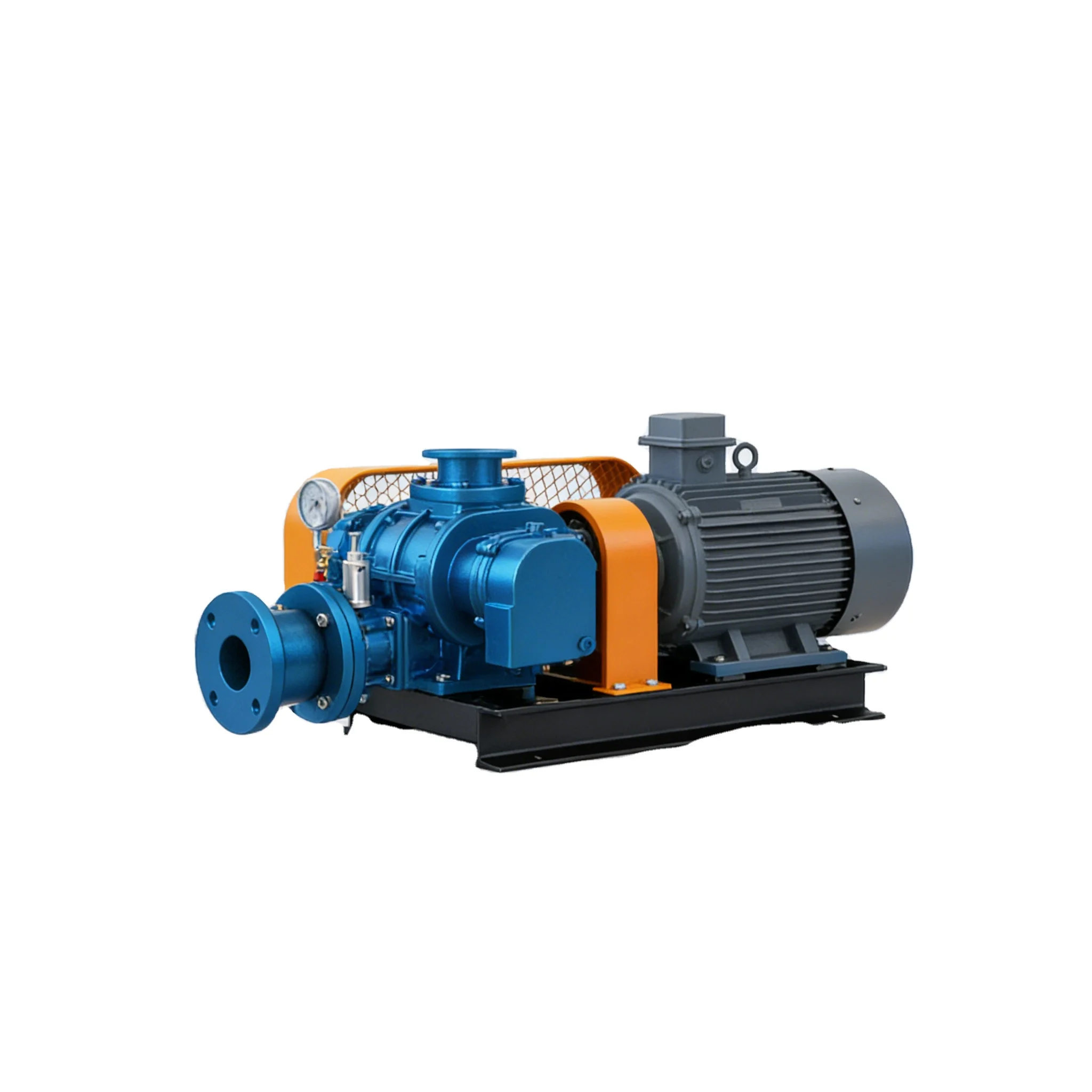
Selecting the right rotary lobe blower for your industrial operation requires careful consideration of multiple cost factors beyond the initial equipment price. Equipment cost, lifecycle expenses, energy consumption, maintenance requirements, and operational efficiency all play critical roles in determining the true return on investment. Understanding these interconnected factors enables procurement teams and facility managers to make informed decisions that balance upfront capital expenditure with long-term operational value and reliability.
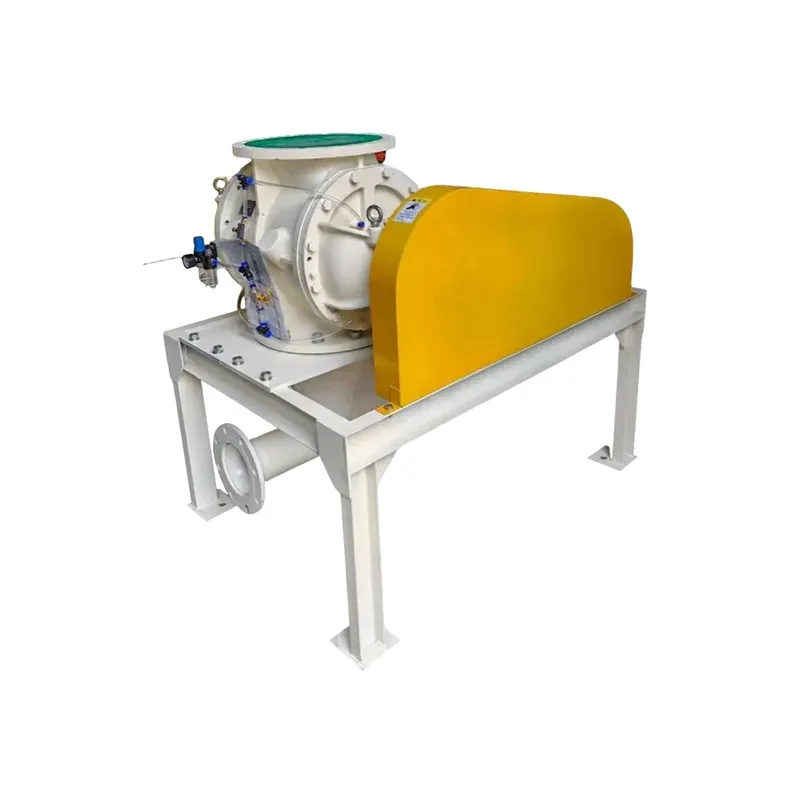
The selection process for positive displacement blower applications extends far beyond comparing catalog specifications and purchase price quotes. Industrial buyers must evaluate how different rotary lobe blower configurations align with their specific application demands, performance requirements, and total cost of ownership over five to ten years of operation. This comprehensive approach helps organizations avoid underestimating hidden expenses that emerge during installation, commissioning, routine operation, and end-of-life disposal phases.
Initial Equipment Investment and Configuration Costs
Base Equipment Pricing and Size Selection
The fundamental cost of acquiring a rotary lobe blower varies significantly based on displacement volume, pressure rating, and design specifications suited to your application. Smaller displacement units operating at standard pressures represent the entry point for cost-conscious buyers, while higher displacement or specialized pressure-rated models command premium prices. Beyond the blower unit itself, installation costs for rotary lobe blower selection guides often include custom base frames, coupling systems, and integration hardware tailored to your facility layout and existing equipment infrastructure.
Motor and Drive System Expenses
Selecting the appropriate motor for positive displacement blower applications requires matching horsepower to your operational demand curve and duty cycle classification. Direct-drive motors, belt-drive arrangements, or variable frequency drive configurations each carry different initial costs and efficiency implications. VFD-equipped systems typically cost more upfront but deliver substantial energy savings when your application permits variable flow operation, making them attractive for facilities with fluctuating demand patterns.
Energy Consumption and Operating Costs
Power Draw and Utility Expenses
Energy consumption represents the largest recurring cost factor throughout the rotary lobe blower maintenance and troubleshooting lifecycle. Rotary positive displacement technology inherently consumes power proportional to displacement and speed, making motor efficiency and overall system design critical to long-term cost control. Premium-efficiency motors rated for continuous duty can reduce annual utility expenses by ten to fifteen percent compared to standard motors, often recovering their higher initial investment within two to three years of operation.
Load Profile Optimization
Applications with variable demand benefit significantly from low noise rotary blower selection guides that incorporate pressure regulation and unload capabilities. Blowers running at full displacement during periods of minimal demand waste energy and increase operating costs unnecessarily. Selecting models with integral regulation systems, relief valves, or variable displacement options allows you to match output precisely to application requirements, reducing idle-state power consumption and extending equipment service intervals through lower average stress.
Maintenance, Repair, and Lifecycle Expenses
Preventive Maintenance Requirements
Rotary lobe blower maintenance and troubleshooting directly impact total ownership cost through planned service intervals, replacement parts availability, and labor allocation. Standard models typically require oil changes, filter replacements, bearing inspections, and seal assessments at regular intervals specified by manufacturers. Selecting equipment from suppliers offering comprehensive service networks and stocking common replacement components reduces downtime risk and ensures maintenance costs remain predictable and manageable throughout the equipment lifecycle.
Repair Costs and Downtime Risk
Unexpected failures of critical positive displacement blower applications can halt production lines and trigger cascading operational disruptions. Investing in robust construction, premium bearing systems, and advanced sealing technologies increases initial equipment cost but substantially reduces unplanned downtime probability and expensive emergency repair expenses. Critical applications justify selecting heavy-duty models designed for extended service life over budget alternatives prone to premature failure and costly mid-shift breakdowns affecting productivity and reputation.
Environmental and Regulatory Compliance Factors
Noise Emission and Sound Attenuation
Low noise rotary blower selection guides increasingly reflect workplace safety regulations and community noise restrictions affecting facility operations and expansion possibilities. Standard rotary lobe blower designs generate substantial operational noise, often requiring additional silencer systems, sound-dampening enclosures, or vibration isolation mounts to achieve compliance. Selecting low-noise rotary models incorporates advanced damping chambers, optimized screw profiles, and precision manufacturing upfront, avoiding costly retrofits while reducing worker safety concerns and enabling facility location flexibility.
Emissions and Environmental Compliance
Many rotary lobe blower maintenance and troubleshooting protocols involve capturing and managing internal leakage oil and preventing environmental contamination. Selecting equipment with sealed bearing housings, advanced drainage systems, and spill containment features ensures compliance with environmental regulations while reducing remediation liability. Premium models incorporating enhanced sealing and drainage integration typically cost more initially but provide insurance against regulatory fines and environmental restoration expenses that can quickly exceed equipment purchase price.
FAQ
How do positive displacement blower applications affect overall selection costs?
Positive displacement blower applications determine the required displacement volume, pressure rating, and control system sophistication, directly influencing equipment cost. Higher-demand applications require larger displacement units and more robust construction, increasing capital expenditure substantially. Selecting the precisely sized rotary lobe blower prevents overspending on unnecessary capacity while ensuring adequate performance for your specific industrial process requirements.
What role does low noise rotary blower selection guide play in cost justification?
Low noise rotary blower selection guides help organizations quantify the cost-benefit of investing in premium, noise-controlled models versus purchasing standard equipment plus expensive acoustic enclosures separately. Integrated low-noise designs often deliver better lifecycle economics through improved worker health outcomes, reduced facilities modifications, and enhanced neighbor relations in industrial parks. The guidance helps procurement teams communicate the total value proposition to finance departments evaluating capital allocation decisions.
Why is rotary lobe blower maintenance and troubleshooting documentation important for cost analysis?
Rotary lobe blower maintenance and troubleshooting documentation reveals expected service intervals, replacement part costs, and probable failure modes that directly impact total cost of ownership calculations. Access to detailed maintenance schedules and parts availability information enables accurate forecasting of recurring expenses and helps identify equipment designs minimizing maintenance burden. Selecting models with well-documented maintenance profiles and readily available spare parts reduces surprise costs and facilitates budgeting accuracy throughout the equipment ownership period.