
 EN
EN
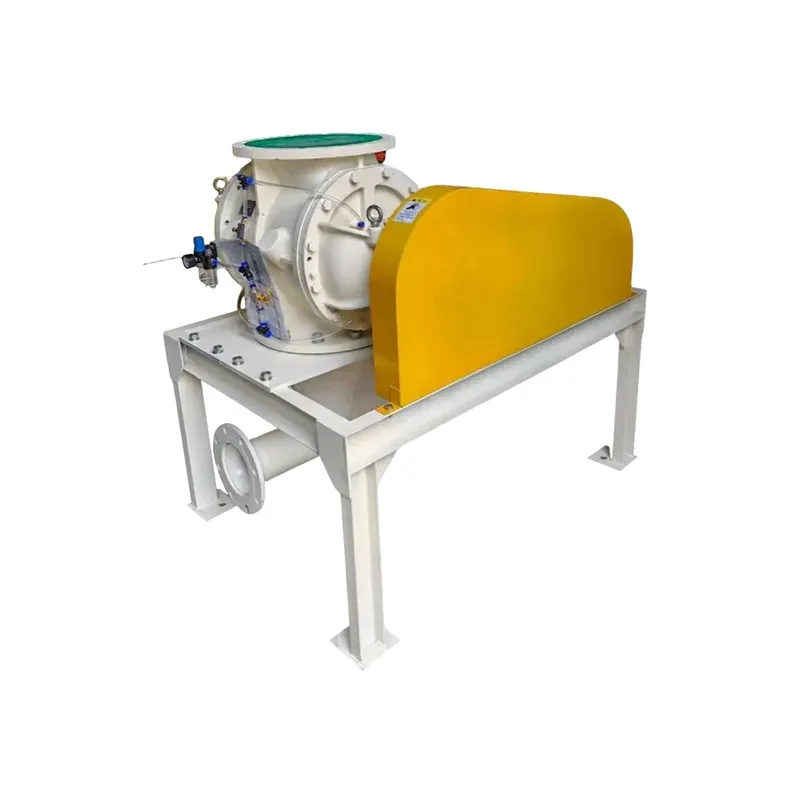
In continuous production environments, selecting the right pneumatic equipment can make the difference between operational efficiency and costly downtime. A rotary lobe blower stands out as a dependable workhorse for many industrial applications where consistent airflow and reliable performance are non-negotiable. These positive displacement blower systems deliver steady volumetric output regardless of pressure fluctuations, making them ideal for processes that demand unwavering consistency.
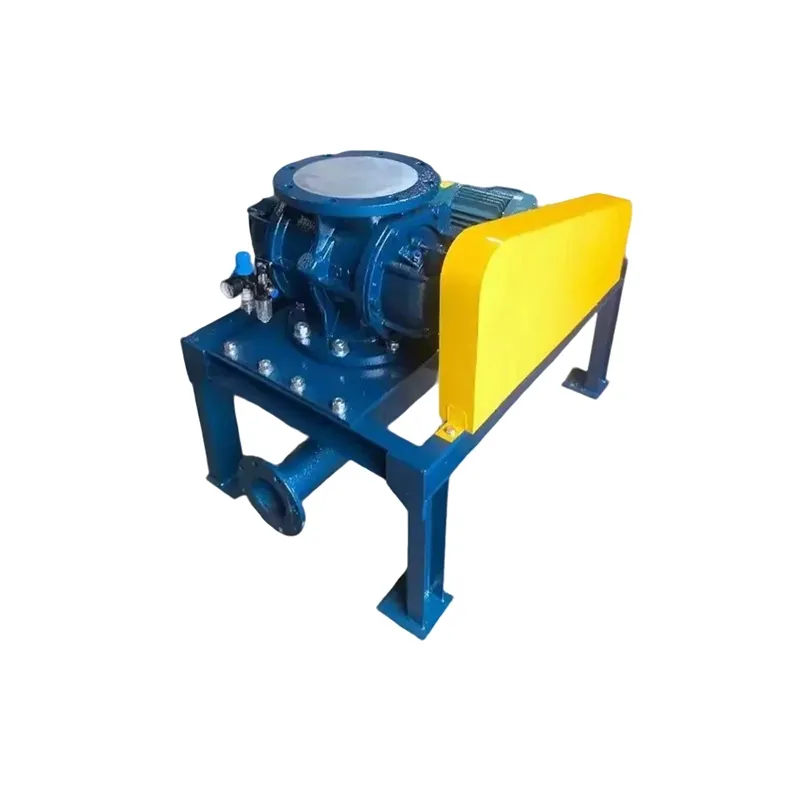
Understanding where and why a rotary lobe blower performs best requires insight into its design principles and practical industrial deployment patterns. Unlike centrifugal alternatives, positive displacement blower applications offer guaranteed flow rates across varying load conditions. This article explores the specific manufacturing and process environments where rotary lobe blowers excel, including guidance on maintenance, troubleshooting, and operational optimization for maximum production uptime.
Ideal Application Environments for Rotary Lobe Blowers
Pneumatic Conveying and Material Transport Systems
Rotary lobe blowers thrive in pneumatic conveying systems where steady, predictable airflow is essential. In powder handling, granule transport, and bulk material movement across industrial facilities, positive displacement blower applications maintain consistent pressure and volume delivery. The positive displacement principle ensures that even when downstream resistance increases, the blower continues delivering the required volumetric flow without stalling or performance degradation. This reliability reduces product spillage, minimizes material segregation, and prevents blockages that would halt production lines.
Industries including food processing, chemical manufacturing, and plastics production rely on rotary lobe blower systems for continuous material movement. The ability to maintain steady output under variable load conditions makes these units superior to centrifugal alternatives in applications where pressure surges or flow inconsistency could damage sensitive products or interrupt manufacturing schedules. Facilities operating 24/7 production cycles particularly value this consistency because it reduces emergency shutdowns and maintenance interruptions.
Wastewater Treatment and Environmental Applications
Wastewater treatment plants and environmental remediation facilities depend on rotary lobe blowers for aeration processes where oxygen transfer and flow consistency directly impact treatment efficiency. Positive displacement blower applications in activated sludge systems, diffused aeration, and biosolids conditioning require reliable, continuous airflow. The rotary lobe blower design maintains stable outlet pressure even when dissolved oxygen levels fluctuate or tank conditions change, ensuring optimized microbial activity and treatment outcomes throughout each operational cycle.
Rotary lobe blower maintenance and troubleshooting in environmental applications focuses on preventing contamination from entering the unit and managing moisture ingestion. Facilities implementing preventive maintenance protocols extend equipment lifespan significantly and avoid costly treatment delays. Many modern installations include inlet filters, moisture separators, and regular service intervals to sustain peak performance in these demanding applications.
Operational Advantages in High-Demand Scenarios
Pressure Stability and Load Adaptation
One defining strength of rotary lobe blower technology lies in its ability to handle pressure fluctuations without sacrificing flow consistency. In applications where downstream equipment suddenly demands higher pressure or system resistance increases, positive displacement blower applications automatically compensate by maintaining volumetric output. This behavior contrasts sharply with centrifugal fans, which lose efficiency and flow when pressure rises. For continuous production lines where maintaining set pressures is critical to product quality, this adaptive pressure handling prevents quality deviations and production interruptions.
Manufacturing operations utilizing rotary lobe blowers experience predictable energy consumption patterns because the blower output remains constant regardless of demand fluctuations. This consistency enables accurate forecasting of compressed air costs and simplifies process control calibration. Operators can confidently specify and validate airflow parameters without worrying that the blower will underperform during peak production periods.
Rotary Lobe Blower Noise Reduction Through Design and Installation
While older rotary lobe blower designs earned reputations for generating high noise levels, modern engineering has substantially reduced operational sound through improved internal geometry, elastomeric components, and dampening technology. Rotary lobe blower noise reduction initiatives include lobed rotor profile optimization that minimizes shock pulses during displacement cycles. Additionally, strategic installation of acoustic enclosures, resilient mounting systems, and discharge mufflers creates multi-layer noise attenuation that brings decibel levels to acceptable industrial standards.
Facilities prioritizing worker safety and regulatory compliance invest in rotary lobe blower noise reduction measures because OSHA and equivalent standards limit workplace noise exposure. Modern blower installations paired with acoustic treatment achieve 8 to 12 decibel reductions, transforming previously problematic equipment into plant-friendly assets. This technical advancement removes a historical barrier to widespread rotary lobe blower adoption and makes the technology viable for noise-sensitive manufacturing environments.
Maintenance, Troubleshooting, and Long-Term Performance
Preventive Maintenance Protocols for Extended Service Life
Rotary lobe blower maintenance and troubleshooting success depends heavily on implementing structured preventive care programs. Regular inspections of inlet filters, discharge silencers, and bearing conditions catch developing issues before they cause equipment failure. Scheduled oil changes, seal replacements, and alignment checks address wear patterns characteristic of positive displacement blower applications. Facilities maintaining detailed service logs typically experience 15,000 to 20,000 operating hours per blower before major overhaul, translating to 5 to 10 years of reliable continuous production support.
Rotary lobe blower noise reduction efforts also benefit from preventive maintenance because loose components and worn bearings amplify operational vibration and sound output. By addressing mechanical wear proactively, operators maintain both quiet operation and stable performance. A well-maintained rotary lobe blower demonstrates consistent delivery even after years of continuous duty, justifying the modest investment in scheduled maintenance over the equipment lifetime.
Common Operational Issues and Resolution Strategies
Understanding typical rotary lobe blower maintenance and troubleshooting scenarios prepares operators to respond quickly when performance deviates from baseline expectations. Cavitation, occurring when inlet pressure drops below safe thresholds, produces harsh noise and reduces effective displacement. Resolving this issue requires verifying inlet filter condition, confirming adequate intake ventilation, and checking for blockages in upstream piping. Pressure relief valve malfunction similarly demands inspection because stuck valves prevent proper system pressure management and force the blower to work harder than designed.
Overheating signals excessive discharge pressure, internal mechanical binding, or inadequate cooling during extended operation. Addressing overheating requires checking outlet restrictions, inspecting internal rotor clearances, and ensuring proper lubrication. Rotary lobe blower noise reduction deterioration also signals maintenance needs; increasing noise levels often precede mechanical failure, making acoustic monitoring a practical early warning system for experienced facility managers.
FAQ
Where do rotary lobe blowers deliver the best performance in industrial settings?
Rotary lobe blowers perform optimally in continuous production environments requiring consistent airflow, such as pneumatic conveying systems, wastewater treatment aeration, chemical processing, and material handling applications. Positive displacement blower applications benefit most when downstream equipment demands stable pressure regardless of varying loads. Facilities operating 24/7 production cycles appreciate the reliability and predictability these blowers provide.
How does rotary lobe blower maintenance and troubleshooting differ from centrifugal fan care?
Rotary lobe blower maintenance and troubleshooting focuses on positive displacement system components including rotor clearances, displacement cycles, and mechanical wear patterns unique to this design. Unlike centrifugal fans, rotary lobe blowers require attention to discharge pressure relief systems, inlet cavitation prevention, and internal lubrication patterns. Preventive maintenance schedules must account for positive displacement blower applications' higher mechanical complexity and bearing stress compared to simpler centrifugal designs.
Can rotary lobe blower noise reduction make these units suitable for noise-sensitive facilities?
Yes, modern rotary lobe blower noise reduction techniques including optimized rotor profiles, elastomeric damping, acoustic enclosures, and discharge silencers reduce operational noise by 8 to 12 decibels. These improvements bring rotary lobe blower systems into compliance with typical industrial noise standards and workplace regulations. Combined with proper installation and preventive maintenance, rotary lobe blowers now operate acceptably in noise-sensitive environments previously requiring quieter but less efficient positive displacement blower alternatives.