
 EN
EN
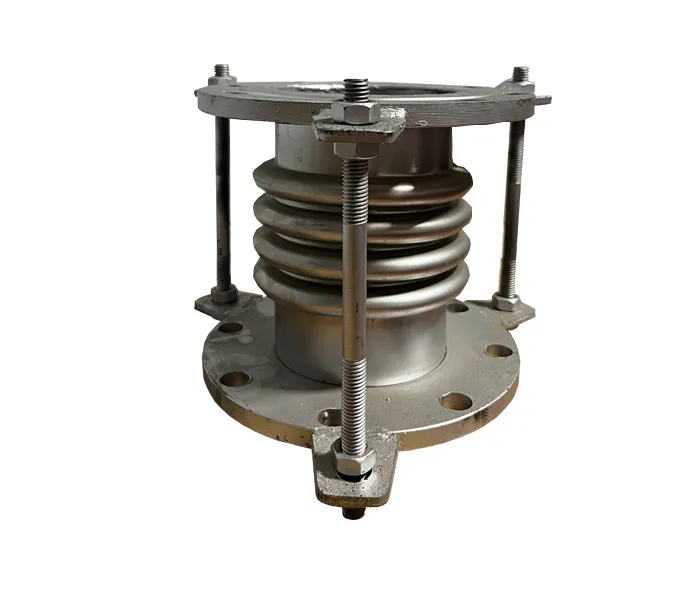
Industries handling powders, granules, and sensitive materials face constant pressure to move products efficiently without degradation. A pneumatic vacuum conveyor provides a proven method for achieving continuous, reliable material transfer across production facilities. Unlike mechanical conveyors or gravity-based systems, pneumatic vacuum conveyor technology isolates materials from environmental exposure while maintaining consistent throughput and minimal product loss.
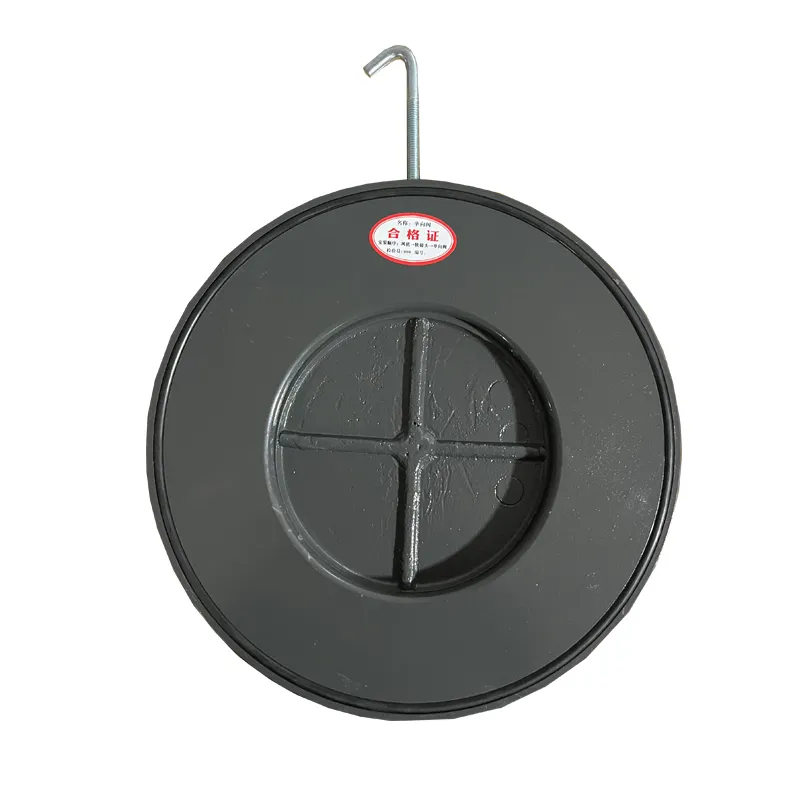
The reliability of pneumatic conveyor system design lies in its simplicity and adaptability. By combining vacuum generation with closed-loop material transport, these systems eliminate common failure points found in open-air conveyance methods. Food processors, chemical manufacturers, and pharmaceutical producers increasingly adopt pneumatic vacuum conveyor solutions because they reduce contamination risk, comply with strict hygiene standards, and deliver predictable material flow under varying operating conditions.
How Pneumatic Conveyor System Design Ensures Reliability
Core Components and Operating Principles
A pneumatic conveyor system design achieves reliability through carefully engineered interaction between vacuum sources, material separation vessels, and controlled air pathways. The vacuum pump draws air from a collection chamber, creating pressure differential that lifts material from storage hoppers and propels it through stainless steel or carbon steel piping. Air velocity management is critical; excessive speed degrades sensitive ingredients while insufficient velocity causes material to drop and accumulate in lines. Modern pneumatic conveyor system design incorporates adjustable governors and pressure regulators that maintain optimal conveying velocity regardless of material density fluctuations or seasonal humidity changes.
Filtration and System Longevity
Integrated filtration within pneumatic vacuum conveyor installations protects equipment from fine dust accumulation that would otherwise degrade vacuum pump performance over time. High-efficiency cartridge filters capture 99.9 percent of airborne particles before they reach the pump, extending component lifespan and reducing maintenance intervals. Automatic pulse-cleaning mechanisms regenerate filter media without stopping production, enabling continuous operation. This design principle directly addresses why pneumatic conveyor system design has become the standard in industries where downtime creates significant financial loss.
Vacuum Conveying Applications in Food Processing
Hygienic Standards and Material Preservation
Vacuum conveying applications in food processing demand absolute separation between conveyed materials and external air. A pneumatic vacuum conveyor meets these stringent requirements because materials never contact atmospheric dust, insects, or microbial contamination sources. Dairy processors use vacuum conveying applications in food processing to transfer lactose and milk powders without moisture absorption that would compromise product stability. Bakeries convey flour and additives through enclosed systems, preventing flour dust explosions while maintaining ingredient functionality. The closed-loop nature of vacuum conveying applications in food processing simultaneously achieves food safety compliance and product quality preservation that open conveyors cannot match.
Gentle Material Handling in Sensitive Applications
Delicate ingredients like freeze-dried fruits, specialty spices, and nutritional supplements degrade when subjected to high-velocity impact or mechanical abrasion. Dilute phase pneumatic transport within a pneumatic vacuum conveyor moves materials at lower speeds with lower air concentrations, preserving particle integrity and nutritional value. Confectionery manufacturers report that dilute phase pneumatic transport systems reduce product loss from 3 percent to 0.5 percent compared to mechanical methods. Vacuum conveying applications in food processing therefore deliver both compliance advantages and cost reduction through improved yield and reduced waste disposal expenses.
Dilute Phase Pneumatic Transport for Versatile Industrial Use
Application Range Across Manufacturing Sectors
Dilute phase pneumatic transport operates effectively for a broader material range than dense phase alternatives, making pneumatic vacuum conveyor systems adaptable to diverse industries. Polymers, titanium dioxide, calcium carbonate, and countless specialty chemicals move reliably through dilute phase pneumatic transport configurations. Chemical blenders report that transitioning to dilute phase pneumatic transport reduced conveying-related dust emissions by 78 percent while improving consistency in blend uniformity. Pharmaceutical manufacturers utilize dilute phase pneumatic transport for active pharmaceutical ingredients where particle segregation during transfer would create dosage inconsistencies. The flexibility of dilute phase pneumatic transport within pneumatic vacuum conveyor installations supports plant optimization when material specifications or production requirements change.
Energy Efficiency and Operating Cost Control
Vacuum-based systems consume less energy than positive pressure conveying methods when transport distances exceed 150 feet, because vacuum systems operate at lower pressure differentials across most of the conveyance path. Dilute phase pneumatic transport specifically reduces wear on bends and elbows by moving materials at gentler velocities, thereby extending system component lifespan from 5 years to 8 or 10 years depending on material abrasiveness. Facility managers implementing dilute phase pneumatic transport report maintenance cost reductions of 35 to 45 percent because component replacement intervals lengthen and unscheduled failures decline sharply. The combination of lower energy consumption and extended component life makes pneumatic vacuum conveyor installations attractive for multi-shift, high-throughput production environments where operational consistency drives profitability.
FAQ
What makes a pneumatic vacuum conveyor more reliable than mechanical belt systems?
Pneumatic vacuum conveyor systems eliminate mechanical wear on belts, pulleys, and bearings that plague conventional conveyors in dusty environments. Vacuum conveying isolates materials in enclosed piping, preventing environmental contamination that forces mechanical system shutdowns for cleaning. Fewer moving parts mean fewer failure points; a pneumatic vacuum conveyor operates reliably in plants where mechanical conveyors require maintenance every 500 to 1000 operating hours. Food processing and pharmaceutical facilities prefer pneumatic vacuum conveyor technology because downtime directly impacts production capacity and compliance records, making reliability a financial priority rather than a luxury feature.
Can dilute phase pneumatic transport handle high-volume production requirements?
Yes, dilute phase pneumatic transport scales effectively to handle production rates exceeding 50 tons per hour when properly sized. Multiple conveying lines operating in parallel allow processors to maintain throughput while keeping individual line velocities gentle enough to protect sensitive materials. Dilute phase pneumatic transport configurations support batch processing or continuous flow depending on production scheduling. Modern pneumatic conveyor system design incorporates variable frequency drives that adjust vacuum pump speed based on real-time material flow demand, allowing dilute phase pneumatic transport to maintain efficiency across a wide production volume range without wasteful constant operation.
How does pneumatic conveyor system design minimize product contamination?
Pneumatic conveyor system design achieves contamination control through complete material isolation within stainless steel or certified carbon steel piping, food-grade gasket materials, and dedicated filtration that prevents backflow of contaminated air into product streams. Vacuum conveying applications in food processing incorporate washdown-compatible junction boxes and cleanable receiver vessels that meet FDA and EU hygiene standards. Regular filter replacement cycles and pressure differential monitoring alert operators when filter loading reaches levels that could compromise air quality. These design features ensure pneumatic conveyor system design delivers both operational reliability and regulatory compliance that customers in sensitive industries require for market access and consumer protection.