
 EN
EN
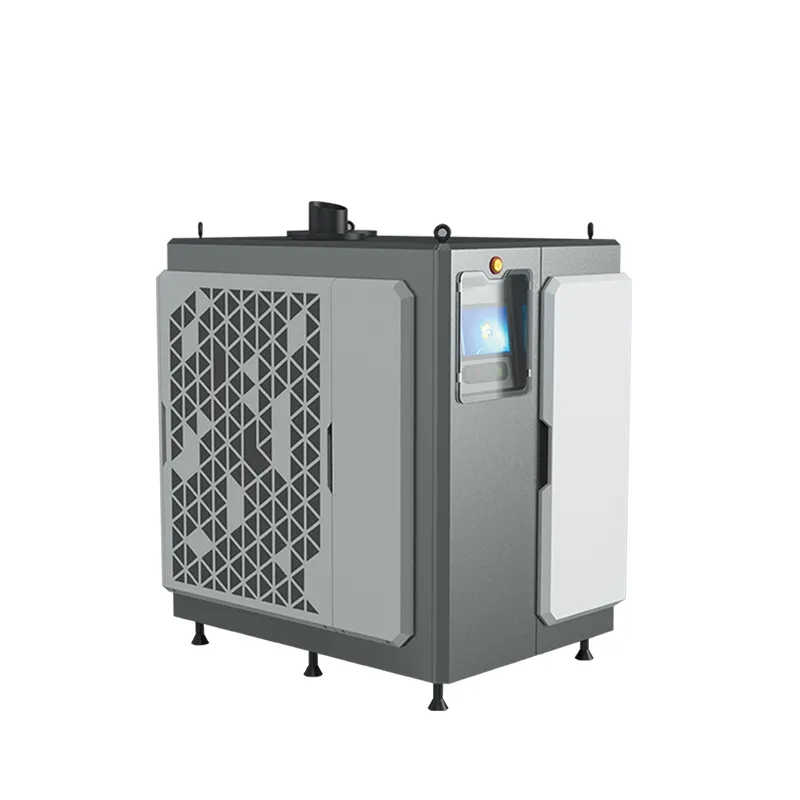
A centrifugal air blower has become the industry standard for applications requiring sustained high-volume airflow delivery. This preference stems not from marketing alone, but from fundamental engineering principles that make these devices uniquely suited to demanding operational environments. Understanding why industrial facilities worldwide rely on centrifugal design reveals critical insights into how modern manufacturing, process control, and environmental management systems achieve their performance targets.
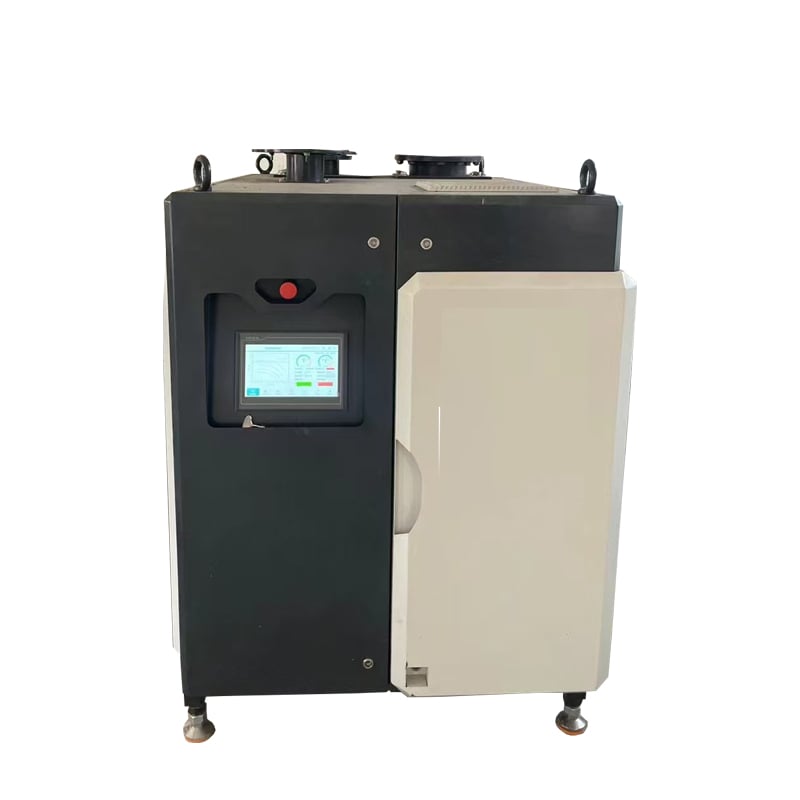
The dominance of centrifugal air blower technology in industrial settings reflects the convergence of operational reliability, pressure capability, and adaptability to varied process demands. Unlike alternative airflow solutions, centrifugal designs deliver consistent performance across wide operating ranges, making them indispensable for facilities where downtime carries significant financial and operational consequences. This article explores the technical and practical reasons behind this preference, examining how design principles, performance characteristics, and cost efficiency combine to make centrifugal air blowers the preferred choice for high-volume applications.
Design Architecture and Pressure Generation Advantages
How Centrifugal Design Delivers Superior Pressure Capacity
The centrifugal air blower operates through a fundamentally different mechanism than axial alternatives. Rather than moving air parallel to the fan axis, centrifugal designs use an impeller to accelerate air radially outward, converting kinetic energy into static pressure through a scroll housing. This architectural approach enables centrifugal air blowers to generate substantially higher static pressures—often exceeding 10 inches of water column—making them suitable for applications requiring air delivery against significant system resistance. High pressure air circulation equipment built on centrifugal principles can overcome ductwork friction, filter resistance, and equipment pressure drops that would overwhelm simpler fan designs.
The scroll housing surrounding the impeller gradually expands the discharge area, transforming velocity energy into usable pressure through the diffusion principle. This design feature allows industrial ventilation systems to maintain stable airflow even when downstream components introduce substantial back-pressure. For facilities performing paint spray operations, powder coating, or emissions control, this pressure capability proves essential for process consistency and product quality.
Impeller Design Variations and Application Flexibility
Modern centrifugal air blower designs offer multiple impeller configurations, each optimized for specific operating conditions. Forward-curved impellers prioritize volume delivery at moderate pressures, ideal for general ventilation and air handling applications. Backward-curved impellers sacrifice some maximum volume capacity in exchange for superior pressure generation and efficiency—characteristics that align perfectly with high pressure air circulation equipment requirements in industrial process applications. Radial-blade impellers occupy the middle ground, offering robustness and tolerance for particulate-laden airstreams common in manufacturing environments.
This design flexibility means a single centrifugal air blower family can serve multiple industrial ventilation systems across different production areas. Facilities can standardize on centrifugal technology while tailoring impeller selection to local requirements, simplifying procurement, maintenance training, and spare parts inventory management.
Operational Reliability and Performance Consistency
Noise Reduction and Acoustic Control Through Engineering
Industrial environments increasingly face regulatory pressure regarding acoustic emissions, making centrifugal fan noise reduction a competitive advantage rather than a luxury feature. Centrifugal air blower designs inherently generate lower noise levels than comparable-capacity axial fans, partly due to lower blade-passage frequency and partly due to the scroll housing's natural sound dampening effect. Manufacturers have further refined centrifugal fan noise reduction through precision impeller balancing, vibration isolation mounts, and optimized blade geometry that reduces turbulence in the discharge path.
Modern industrial ventilation systems often integrate sound-absorbing liners within discharge ducts, leveraging the centrifugal air blower's fundamental acoustic advantages to achieve noise levels compliant with workplace safety standards. This capability supports worker wellbeing while maintaining the high-volume airflow delivery that process requirements demand.
Operational Stability Across Load Variations
High pressure air circulation equipment must perform reliably across fluctuating system conditions. Centrifugal air blowers exhibit a performance curve that naturally resists surge conditions—a phenomenon where sudden flow reversal can damage equipment or disrupt processes. The backward-curved impeller characteristic curve shows increasing pressure as flow decreases, opposite to the axial fan's behavior, providing inherent stability for systems with variable downstream demand.
This stability characteristic makes centrifugal air blower technology the default choice for industrial ventilation systems where damper modulation, equipment cycling, or filter loading creates changing back-pressure conditions throughout the operational day. The equipment operates dependably whether running at full capacity or part-load conditions, extending service intervals and reducing unexpected maintenance incidents.
Energy Efficiency and Total Cost of Ownership
Efficiency Advantages in Sustained Operation
While centrifugal air blower designs require more sophisticated manufacturing than simpler alternatives, the efficiency gains across a typical 10-year operational lifespan justify the higher capital investment. Industrial ventilation systems powered by efficient centrifugal designs consume measurably less electrical energy per unit of airflow delivered, particularly in pressure-dominant applications where efficiency matters most economically.
Backward-curved centrifugal air blower configurations routinely achieve total efficiency ratings of 80-85% compared to 65-75% for equivalent axial fans. Over 10 years of continuous operation, this efficiency advantage translates to energy cost savings that often exceed the centrifugal system's premium purchase price. Facilities serious about operating cost reduction view centrifugal fan noise reduction and efficiency improvements as complementary performance enhancements rather than separate value propositions.
Maintenance Requirements and Extended Service Life
High pressure air circulation equipment operating continuously demands durable construction that minimizes unplanned downtime. Centrifugal air blower designs concentrate forces along the radial axis, reducing lateral vibration compared to axial designs that generate periodic axial thrust variations. This characteristic extends bearing life, reduces seal wear, and enables extended maintenance intervals—a critical advantage for facilities operating 24/7 production schedules where equipment availability directly impacts revenue.
The scroll housing design also provides superior dust containment compared to open-frame alternatives, reducing bearing contamination and extending lubrication effectiveness. Industrial ventilation systems can operate longer between service events when engineered around robust centrifugal principles, improving overall facility productivity and profitability.
FAQ
What makes a centrifugal air blower more suitable for high-volume airflow than axial fans?
Centrifugal air blowers generate higher static pressures through radial impeller acceleration and scroll housing diffusion, enabling them to overcome substantial system resistance while maintaining consistent flow rates. High pressure air circulation equipment demands this pressure capability, which axial fans cannot match at comparable physical sizes. The performance characteristics of centrifugal designs make them ideal for industrial ventilation systems serving multiple connected branches or applications with varying resistance conditions.
How does centrifugal fan noise reduction contribute to workplace compliance?
Centrifugal air blower designs inherently operate at lower noise levels than axial alternatives due to lower blade passage frequency and the scroll housing's acoustic dampening effect. When combined with precision manufacturing, sound-absorbing liners, and vibration isolation, centrifugal fan noise reduction enables industrial ventilation systems to meet occupational health and safety standards without sacrificing airflow performance. This acoustic advantage supports worker comfort while maintaining process reliability.
Why do industrial facilities prefer centrifugal air blower designs despite higher initial costs?
Total cost of ownership over 10 years favors centrifugal air blower technology when energy consumption, maintenance frequency, and downtime risks are considered. Superior efficiency in high pressure air circulation equipment generates substantial energy savings, while robust construction extends service intervals and reduces emergency maintenance expenses. Industrial ventilation systems based on centrifugal design typically cost less to operate than cheaper alternatives, making them the economically rational choice for serious industrial applications.