
 EN
EN
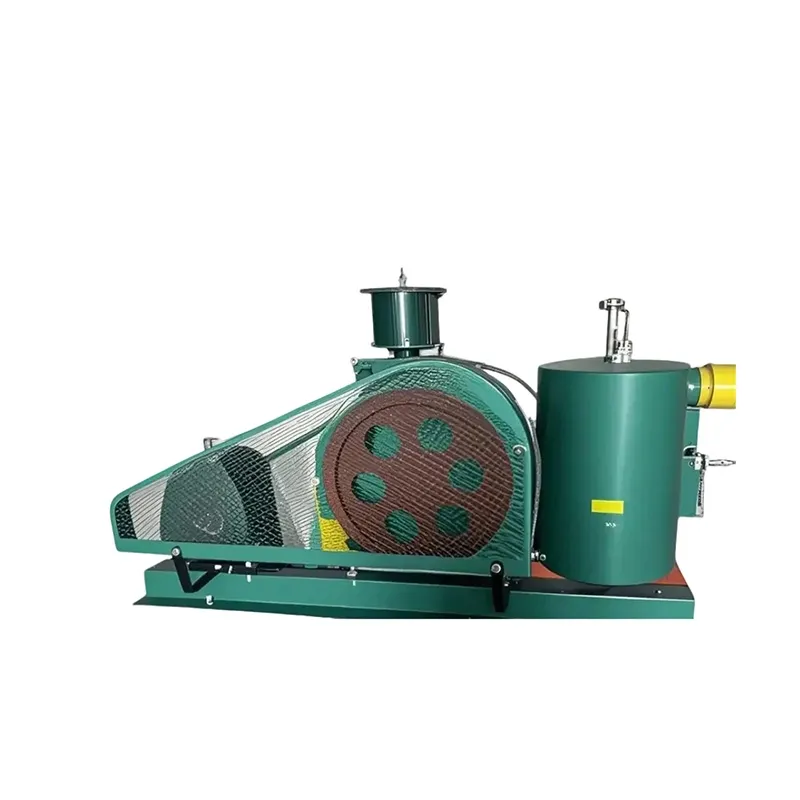
Understanding the differences between positive displacement blowers and dynamic blower technologies is essential for engineers and facility managers selecting air compression equipment. Positive displacement blowers operate on a fundamentally different principle than their dynamic counterparts, delivering fixed volumes of air at variable pressures rather than variable volumes at fixed pressures. This distinction shapes performance characteristics, efficiency profiles, and suitability for specific industrial air compression systems. The choice between these technologies significantly impacts operational cost, maintenance requirements, and system reliability across wastewater treatment, pneumatic conveying, aeration processes, and countless other applications.
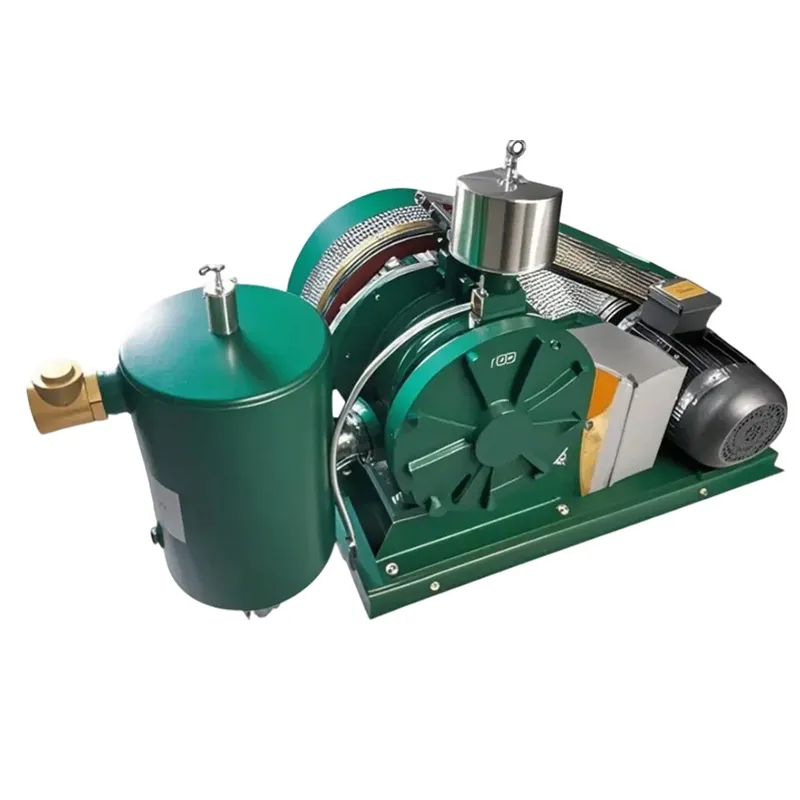
Both positive displacement blowers and dynamic blowers serve critical roles in industrial applications, yet they deliver air movement through entirely different mechanical approaches. Understanding when to deploy each technology prevents costly mismatches and ensures optimal system performance. This article explores the mechanical principles, performance advantages, and real-world applications that distinguish positive displacement blowers from dynamic technologies, helping decision-makers align equipment selection with operational requirements.
Core Operating Principles and Mechanical Design
How Positive Displacement Blowers Function
Positive displacement blowers trap a fixed volume of air with each rotation cycle and force that volume into the discharge line regardless of downstream pressure resistance. Common designs include rotary lobe blowers, screw blowers, and vane blowers, each using rotating elements to seal and transport air from inlet to outlet. The positive displacement blowers category encompasses all these configurations because they share the defining characteristic of constant volume displacement per cycle. This mechanical guarantee ensures predictable airflow regardless of system backpressure, making rotary lobe blower applications particularly valuable in process industries where stable air delivery is non-negotiable.
Dynamic Blower Operation and Characteristics
Dynamic blowers rely on rotating impellers to impart velocity energy to air, converting kinetic energy into pressure as the air decelerates in the discharge diffuser. Centrifugal and axial flow designs both fall into the dynamic category, delivering varying volumes depending on system resistance and operating point. Unlike positive displacement pump vs blower comparisons that highlight volume certainty, dynamic blowers excel at high-speed, high-volume applications where energy efficiency improves at higher rotational speeds and when discharge pressure remains relatively low and stable.
Performance Characteristics and Operational Advantages
Pressure and Flow Stability in Industrial Air Compression Systems
Positive displacement blowers deliver consistent volumetric flow rates across a wide pressure range, making them ideal for industrial air compression systems facing variable downstream resistance. Process applications involving intermittent demand or fluctuating backpressure benefit significantly from this flow guarantee. Rotary lobe blower applications in wastewater aeration, pneumatic conveying, and vacuum-assist systems leverage this characteristic because processes require stable air delivery even as tank levels, line resistance, or vacuum depth changes. Dynamic blowers, conversely, experience flow reduction as discharge pressure increases, requiring larger motors and higher energy input to maintain output when backpressure rises unexpectedly.
Energy Efficiency and Operating Cost Implications
Dynamic blowers demonstrate superior energy efficiency when operating continuously at constant moderate pressure, particularly in high-volume, low-pressure applications like ventilation and cooling. Positive displacement blowers consume more power per unit volume at low pressures but maintain constant displacement regardless of pressure, making them cost-effective when consistent flow matters more than peak efficiency. For industrial air compression systems experiencing variable pressure conditions, positive displacement pump vs blower analysis often reveals that displacement-type equipment prevents energy waste from throttling and surge control that dynamic units require. The choice hinges on whether stable volume or peak efficiency takes priority in the specific application context.
Application Suitability and Industry Use Cases
Optimal Deployment Scenarios for Positive Displacement Technology
Positive displacement blowers excel in wastewater treatment aeration where water level changes create variable backpressure, vacuum-assist conveying where consistent airflow prevents product inconsistency, and pneumatic controls requiring precise air delivery at modest volumes. Rotary lobe blower applications dominate regenerative thermal oxidizer systems, blast cleaning equipment, and fish tank aeration where constant flow and moderate pressure combine with space constraints or pulsating demand profiles. These applications value the mechanical certainty that positive displacement blowers provide over dynamic units that sacrifice output stability for efficiency gains.
Dynamic Blower Applications and Performance Context
Dynamic blowers typically serve high-volume ventilation, cooling tower air supply, combustion air for furnaces, and industrial dust collection where steady low-to-moderate pressure and maximum volume efficiency matter most. When discharge pressure remains predictable and stable, dynamic units deliver superior efficiency, lower acquisition cost, and simpler maintenance. Industrial air compression systems choosing between technologies must evaluate whether operating pressure will remain consistent, as this factor fundamentally shapes whether dynamic efficiency or positive displacement reliability proves more valuable.
Maintenance Considerations and Lifecycle Economics
Component Wear Patterns and Service Requirements
Positive displacement blowers, particularly rotary lobe designs, feature tighter internal tolerances and require regular oil lubrication to maintain clearance integrity and protect bearing surfaces. Seal replacement, gear maintenance, and bearing servicing represent predictable costs in positive displacement pump vs blower lifecycle analysis. Dynamic centrifugal units experience less internal wear from close-tolerance operation but may require more frequent blade or impeller inspection when handling particulate-laden air or experiencing cavitation from sudden pressure transients.
Operational Reliability and Downtime Risk
Positive displacement blowers demonstrate superior reliability in systems requiring constant output because mechanical failure results in zero flow rather than gradual degradation masking problems until catastrophic breakdown. This all-or-nothing characteristic aids predictive maintenance planning. Dynamic blowers may experience silent efficiency decline as blade fouling or bearing wear gradually reduce output, potentially affecting process performance before failure alerts operators. For critical industrial air compression systems where reliable delivery directly supports revenue-generating processes, this maintenance visibility difference often justifies positive displacement technology selection despite higher operating cost.
Pressure Range and System Integration Factors
Pressure Capabilities Across Equipment Categories
Positive displacement blowers typically operate from near-vacuum to moderate pressure ranges, excelling in the 5 to 20 PSI range where rotary lobe blower applications thrive. Very high-pressure applications above 30 PSI generally demand different displacement technologies or multi-stage configurations. Dynamic blowers scale across wider pressure ranges, with centrifugal designs handling pressures from near-zero to over 100 PSI depending on impeller design and motor speed. Selecting between technologies requires matching available pressure capabilities to actual process requirements rather than assuming higher pressure capacity provides inherent advantages.
System Integration and Control Strategy
Positive displacement blowers integrate into systems using relief valves, check valves, and volume control strategies because constant displacement necessitates pressure release mechanisms. These additional controls add cost but provide precise flow management. Dynamic blowers integrate through speed control and inlet dampers, offering simpler but less precise volume management. Industrial air compression systems with sophisticated process requirements often favor positive displacement technology despite control complexity because mechanical displacement certainty permits accurate process optimization impossible with dynamic units experiencing variable output.
FAQ
What is the primary mechanical difference between positive displacement blowers and dynamic blowers?
Positive displacement blowers trap and force fixed volumes of air per cycle regardless of downstream pressure, while dynamic blowers accelerate air through impeller rotation and convert velocity into pressure through diffusers. This fundamental difference means positive displacement technology delivers constant volume at variable pressure, whereas dynamic units deliver variable volume at higher efficiency when pressure remains stable. The mechanical certainty of positive displacement guarantees consistent airflow for critical processes.
How do rotary lobe blower applications compare to other positive displacement pump vs blower configurations?
Rotary lobe blowers represent one common positive displacement design characterized by two rotating lobes that trap air and move it toward discharge. Screw blowers offer slightly higher efficiency and smoother operation, while vane blowers provide compact designs for space-constrained installations. When evaluating positive displacement pump vs blower selection, rotary lobe designs typically offer best cost-to-performance balance for moderate volume, moderate pressure applications like wastewater aeration and pneumatic conveying.
What factors determine whether positive displacement blowers or dynamic units suit specific industrial air compression systems?
Key decision factors include whether discharge pressure will remain stable, whether process flow must stay constant regardless of backpressure, space and noise constraints, acceptable operating cost, and required maintenance frequency. If industrial air compression systems demand reliable constant volume and operate at variable pressure, positive displacement technology typically prevails despite higher power consumption. If systems require maximum efficiency with stable operating conditions, dynamic blowers usually deliver better overall lifecycle economics and operational performance.
Table of Contents
- Core Operating Principles and Mechanical Design
- Performance Characteristics and Operational Advantages
- Application Suitability and Industry Use Cases
- Maintenance Considerations and Lifecycle Economics
- Pressure Range and System Integration Factors
-
FAQ
- What is the primary mechanical difference between positive displacement blowers and dynamic blowers?
- How do rotary lobe blower applications compare to other positive displacement pump vs blower configurations?
- What factors determine whether positive displacement blowers or dynamic units suit specific industrial air compression systems?