
 EN
EN
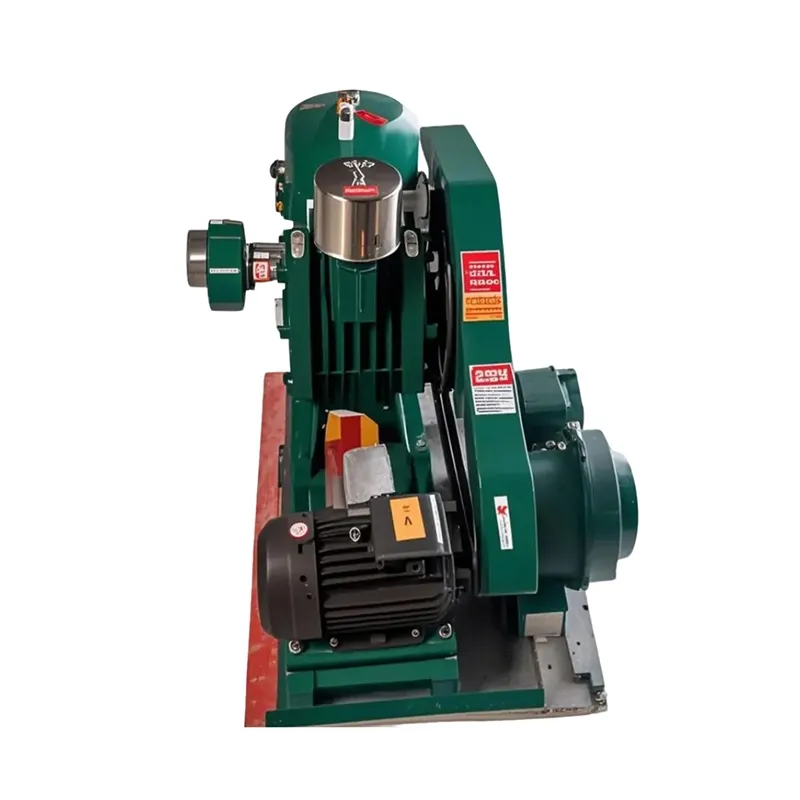
In industrial applications requiring steady, predictable airflow, positive displacement blowers have become the backbone of reliable operations. Unlike centrifugal designs that vary output with resistance changes, positive displacement blowers deliver a fixed volume of air per revolution regardless of system pressure fluctuations. This fundamental characteristic makes them indispensable in wastewater treatment, pneumatic conveying, pond aeration, and other critical processes where consistency determines operational success.
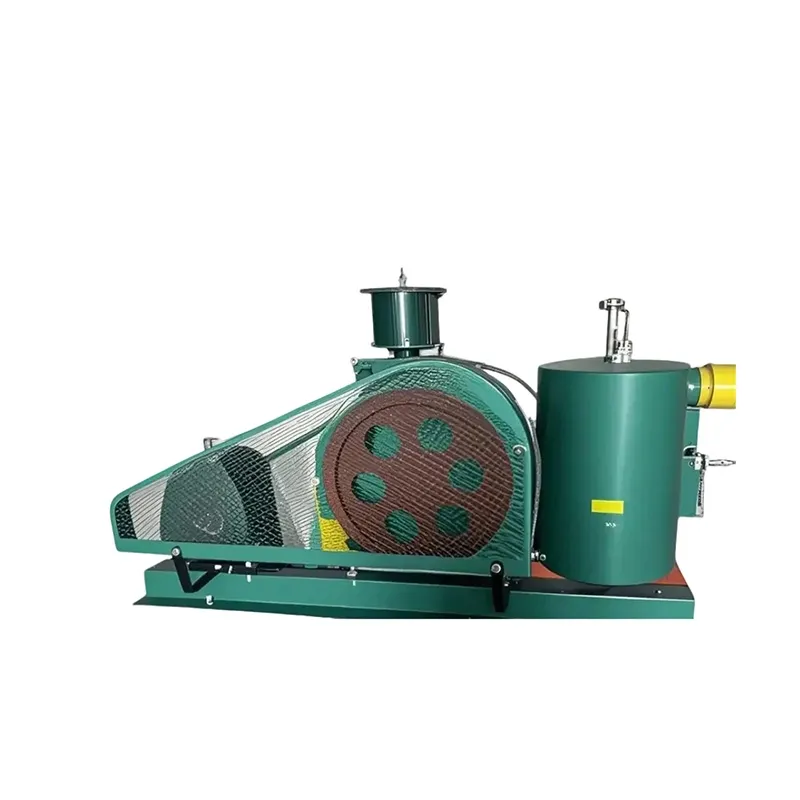
The engineering precision behind rotary lobe blower applications explains why these machines command premium positioning in system designs. Each rotating element maintains tight clearances, enabling positive displacement blower efficiency ratings that remain stable across varying operational pressures and load conditions. For facilities managing demanding workflows, understanding the performance characteristics and maintenance requirements of gear-driven blower maintenance and troubleshooting becomes essential for maximizing asset lifespan and preventing costly downtime.
Consistent Airflow Delivery and System Reliability
Fixed Volume Output Principle
Positive displacement blowers operate on a simple yet powerful principle: they move a fixed quantity of air per shaft rotation. Unlike centrifugal units that respond to back-pressure by reducing output, rotary lobe blower applications maintain volumetric consistency regardless of system resistance. This unwavering performance characteristic prevents the flow fluctuations that compromise process efficiency in treatment facilities, pneumatic systems, and aeration networks.
The mechanical design ensures that positive displacement blower efficiency ratings remain predictable across the operating envelope. When a rotor set completes one full revolution, the same volume of air transfers from inlet to discharge port, cycle after cycle. This mechanical certainty eliminates the guesswork in system capacity planning and enables operators to rely on stable performance for process control and batch consistency.
Pressure Stability and Process Control
In applications where back-pressure varies—such as wastewater aeration or dust collection systems—maintaining constant airflow becomes challenging with conventional fans. Positive displacement blowers excel precisely because they decouple volumetric output from discharge pressure. When downstream resistance increases, positive displacement blowers continue delivering their rated air volume while pressure rises, preserving the quality and consistency of the process rather than allowing flow to drop.
This pressure stability enables tighter process control and more predictable treatment outcomes. Wastewater facilities depend on consistent bubble generation and dissolution rates, which rotary lobe blower applications provide reliably. Gear-driven blower maintenance and troubleshooting protocols focus on preserving this mechanical integrity, ensuring that clearances and timing remain optimized for steady performance throughout the equipment's operational life.
Efficiency Performance and Operating Economics
Positive Displacement Blower Efficiency Ratings
While positive displacement blowers consume more power than centrifugal designs under low-pressure conditions, their positive displacement blower efficiency ratings reflect genuine mechanical advantage in high-resistance applications. The rotary lobe blower applications commonly operate at 70–85 percent isentropic efficiency, particularly when handling system pressures between 3 and 8 psi, the sweet spot for many industrial processes. This efficiency window explains why these machines dominate wastewater treatment, where back-pressure consistency drives the economic case.
Energy consumption becomes manageable when positive displacement blower efficiency ratings are matched to actual system requirements. Over-sizing a rotary lobe blower wastes power because the machine always moves its full displacement volume regardless of demand. However, proper system sizing combined with modern control technologies—variable frequency drives and demand-responsive strategies—allows operators to optimize positive displacement blower efficiency ratings and reduce operating costs while maintaining process consistency.
Maintenance and Cost of Ownership
Gear-driven blower maintenance and troubleshooting demands attention to lubrication, seal integrity, and bearing conditions. Unlike centrifugal designs that tolerate wider operating ranges, positive displacement blowers require disciplined maintenance routines to sustain their performance advantages. However, the payoff justifies the effort: properly maintained rotary lobe blower applications often exceed 50,000 operating hours between major overhauls, delivering exceptional cost-of-ownership value in demanding industrial environments.
Preventive gear-driven blower maintenance and troubleshooting focuses on early detection of wear patterns and seal degradation. Regular inspection of discharge temperature, vibration signatures, and bearing clearances prevents catastrophic failure and extends equipment life. When maintenance protocols remain consistent and parts quality remains high, positive displacement blowers prove economical assets despite their initial capital investment and ongoing servicing requirements.
Industrial Applications Requiring Consistent Airflow
Wastewater Treatment and Aeration Systems
Wastewater treatment facilities depend on reliable airflow for activated sludge aeration, where microbial activity responds directly to oxygen transfer rates. Rotary lobe blower applications deliver the consistent, pulsing airflow that promotes efficient bubble formation and dissolution, maximizing oxygen transfer efficiency and treatment capacity. When treatment processes demand stable aeration without flow fluctuations, positive displacement blowers become the specified choice because their steady output prevents the organic loading variations that undermine treatment effectiveness.
The mechanical simplicity and reliability of positive displacement blowers also appeal to facility operators managing aging infrastructure with limited technical support. These machines run quietly, produce minimal heat, and tolerate temporary inlet blockages better than centrifugal designs. In municipal and industrial treatment plants, rotary lobe blower applications have become the industry standard precisely because their positive displacement blower efficiency ratings and maintenance predictability align with operational reality.
Pneumatic Conveying and Industrial Processing
Industrial conveying systems moving powders, grains, and materials through network pipes require consistent air velocity to maintain particle suspension and prevent line blockages. Positive displacement blowers excel in these applications because their constant volume output resists pressure spikes and maintains system stability even as material accumulates or blockages temporarily develop. Rotary lobe blower applications prevent the flow surges that damage materials or overwhelm downstream equipment.
Grain handling facilities, plastic processors, and chemical manufacturers all rely on positive displacement blower efficiency ratings to maintain uniform conveying velocity and product integrity. The predictable performance characteristic of gear-driven blower systems simplifies process validation and ensures compliance with quality standards. When consistency determines product value or process safety, positive displacement blowers prove indispensable despite their operational demands and maintenance requirements.
FAQ
What distinguishes positive displacement blowers from centrifugal fans?
Positive displacement blowers deliver a fixed air volume per shaft revolution regardless of back-pressure, while centrifugal fans reduce output as system resistance increases. Rotary lobe blower applications maintain pressure stability and consistent flow, making them ideal for demanding processes, whereas centrifugal designs excel at moving large volumes against minimal resistance. Positive displacement blower efficiency ratings remain stable across pressure variations, while centrifugal efficiency peaks within a narrow operating window.
How do gear-driven blower maintenance requirements impact total cost of ownership?
Gear-driven blower maintenance and troubleshooting requires disciplined lubrication schedules, seal monitoring, and periodic bearing inspection. While these routines demand attention and spare parts investment, properly maintained positive displacement blowers often exceed 50,000 operating hours between major overhauls, delivering exceptional long-term value. The consistency and reliability benefits of positive displacement blower efficiency ratings often justify maintenance costs compared to more frequent failures and process downtime from less robust equipment alternatives.
Can positive displacement blowers handle variable process demands efficiently?
Modern variable frequency drive technology paired with positive displacement blowers enables responsive operation where rotary lobe blower applications adjust shaft speed to match demand while maintaining the volumetric consistency advantage. This hybrid approach allows positive displacement blower efficiency ratings to improve during partial-load operation while preserving the pressure stability and process reliability benefits. Operators gain flexibility without sacrificing the core advantage of consistent airflow that distinguishes positive displacement blowers from centrifugal alternatives.