
 EN
EN
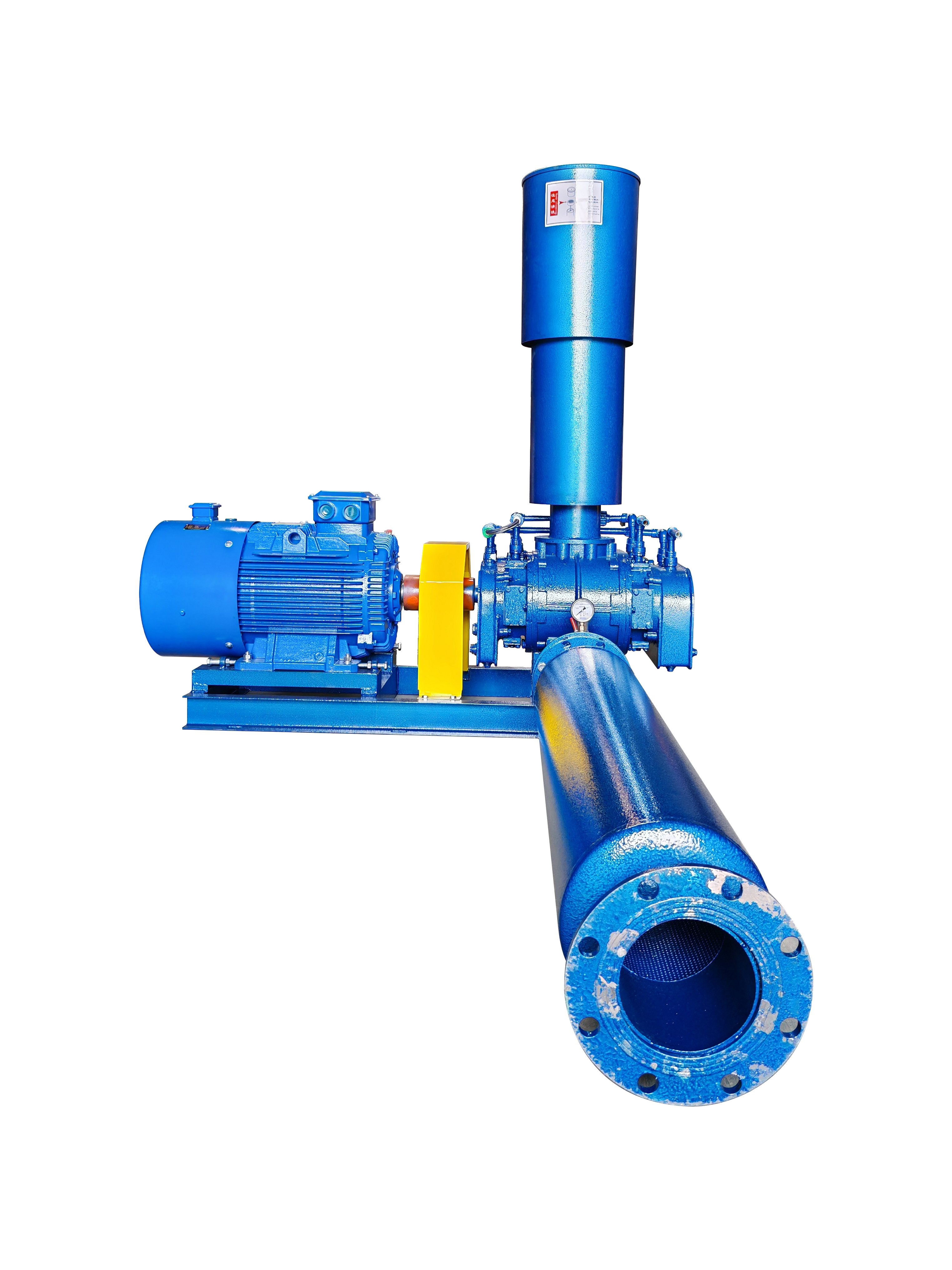
Selecting the right roots blower manufacturers is one of the most critical decisions for industrial operations that depend on reliable air movement and pressure control. The choice directly impacts equipment performance, operational costs, maintenance frequency, and long-term return on investment. With numerous suppliers offering varying quality levels, specifications, and service models, buyers must evaluate multiple factors systematically to identify manufacturers that align with their specific industrial requirements and operational priorities.
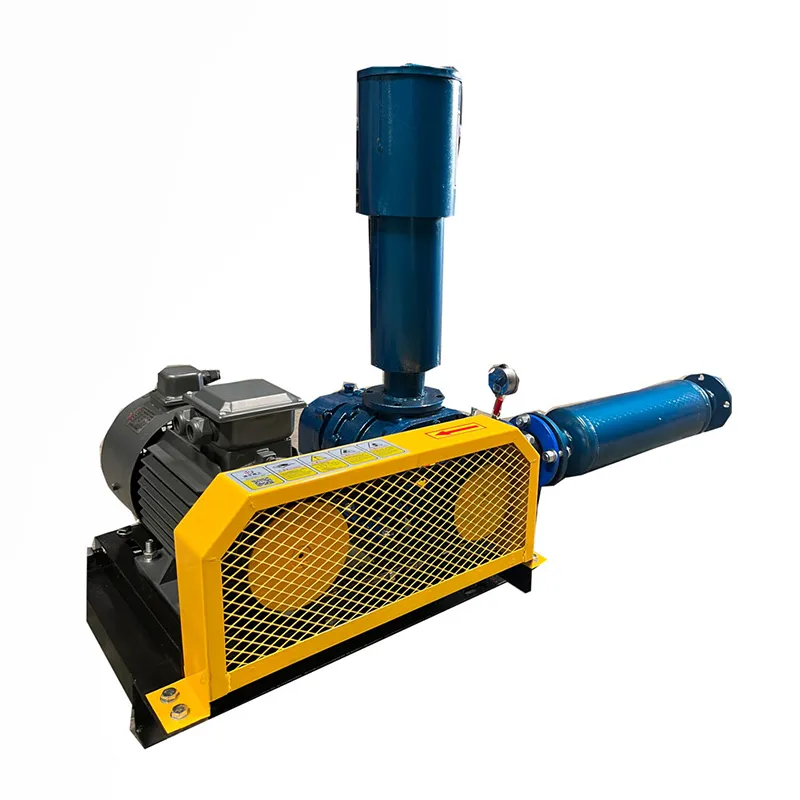
The industrial air handling equipment suppliers landscape continues to evolve, driven by advances in materials, design efficiency, and digital monitoring capabilities. Buyers who understand the core evaluation criteria—from technical specifications to supplier stability—position themselves to make purchasing decisions that reduce operational friction and enhance system reliability over the equipment lifecycle.
Understanding Positive Displacement Blower Specifications
Core Performance Metrics and Design Parameters
Positive displacement blower specifications form the foundation of any purchasing evaluation. These metrics define how much air volume a blower can move at different pressure levels, which directly determines whether equipment can handle your application demands. Flow rate, measured in cubic feet per minute (CFM), establishes the volume capacity. Pressure rating, typically expressed in pounds per square inch (PSI), indicates the maximum operating pressure the unit can sustain. Rotary lobe blower applications and maintenance requirements vary significantly based on these core parameters, so alignment between specified capacity and actual application load is essential to prevent premature wear and inefficient operation.
Material Selection and Durability Considerations
Quality roots blower manufacturers differentiate themselves through material choices that extend equipment lifespan in demanding environments. Cast iron housings provide excellent heat dissipation and mechanical strength for high-pressure applications. Stainless steel components resist corrosion in wet or chemical-laden atmospheres. Internal rotor materials—typically ductile iron or specialized alloys—must withstand continuous rotation and minimal internal clearance without excessive wear. Industrial air handling equipment suppliers that invest in premium materials typically deliver higher reliability and lower maintenance costs, even when initial pricing reflects this quality investment.
Evaluating Manufacturer Capability and Technical Support
Production Capacity and Lead Times
Manufacturer capacity directly influences equipment availability and project timeline feasibility. Established roots blower manufacturers maintain adequate inventory or can deliver custom configurations within reasonable timeframes. Lead times vary widely depending on whether you purchase standard models or require application-specific modifications. Positive displacement blower specifications that demand non-standard tolerances, custom porting, or specialized materials naturally require longer production windows. During vendor selection, confirm whether industrial air handling equipment suppliers can meet your project deadlines without compromising quality, and assess their flexibility for future requirement changes or expansion scenarios.
Technical Documentation and Application Engineering
Superior manufacturers provide comprehensive technical documentation that enables accurate system integration and troubleshooting. Performance curves, installation guidelines, and maintenance protocols should be clearly detailed and accessible. Many leading roots blower manufacturers employ application engineers who assist buyers in selecting the correct unit size, verifying pressure-flow compatibility, and identifying potential integration challenges before purchase. This proactive engineering support prevents costly installation errors and ensures rotary lobe blower applications operate within design parameters from startup. Request samples of available documentation before finalizing vendor selection to confirm documentation quality meets your operational standards.
Service, Warranty, and Long-Term Partnership Value
Warranty Coverage and Spare Parts Availability
Warranty terms reveal how confidently manufacturers stand behind their products and reflect their quality standards. Comprehensive warranties typically cover defects in materials and workmanship for extended periods, often two to three years or longer for industrial-grade equipment. Equally important is spare parts accessibility—industrial air handling equipment suppliers who maintain regional distribution networks or authorized service partners ensure you can obtain replacement components quickly without extended downtime. Positive displacement blower specifications include routine maintenance parts like bearings, seals, and gaskets that will eventually require replacement, so confirm these are readily available and reasonably priced from your chosen manufacturer.
Technical Support and Maintenance Guidance
Ongoing technical support distinguishes premium roots blower manufacturers from commodity suppliers. Responsive customer service teams troubleshoot operational issues, provide maintenance training to your staff, and offer guidance on optimizing equipment performance. Many manufacturers provide condition-monitoring assistance or predictive maintenance recommendations based on operating hours and environmental conditions. Rotary lobe blower applications and maintenance protocols benefit significantly from manufacturer guidance—regular bearing inspection, seal replacement intervals, and proper lubrication schedules extend equipment life substantially. Before committing to a vendor, evaluate their support responsiveness by contacting their technical team with preliminary questions and assessing response quality and speed.
Application-Specific Requirements and Industry Fit
Customization and Application Suitability
Different industrial processes place unique demands on positive displacement blower specifications and equipment configuration. Wastewater treatment, aquaculture, pneumatic conveying, and pressure-swing adsorption each require slightly different performance characteristics and operating conditions. Experienced roots blower manufacturers understand these nuances and offer variants optimized for specific industries. Some specialize in high-pressure compact units suitable for fish farming and aquaculture applications, while others focus on large-volume, moderate-pressure systems for ventilation and air supply. Evaluate whether your chosen industrial air handling equipment suppliers have demonstrated success with applications matching your specific process requirements and can reference installations in comparable operational environments.
Noise and Vibration Characteristics
Acoustic performance significantly impacts operational environment quality and regulatory compliance. Standard rotary lobe blower applications can generate substantial noise, particularly at higher speeds, which affects worker comfort and facility sound level regulations. Leading roots blower manufacturers engineer sound suppression features including improved housing designs, vibration isolation mounts, and specialized silencers that reduce operational noise without compromising airflow. For facilities operating in noise-sensitive environments or with strict occupational health standards, confirm that selected equipment includes acoustic management features and verify decibel levels during operation through test reports or on-site demonstrations before purchase commitment.
Financial Considerations and Total Cost of Ownership
Purchasing decisions should extend beyond initial equipment cost to encompass total cost of ownership across the equipment lifetime. While premium roots blower manufacturers typically command higher upfront prices than commodity competitors, superior engineering, build quality, and efficiency often deliver better long-term financial performance through reduced maintenance expenses, lower energy consumption, and extended operational lifespan. Calculate five-year ownership costs including purchase price, expected maintenance and spare parts, energy usage, and downtime risk. Industrial air handling equipment suppliers that offer efficiency optimization support and condition-based maintenance programs help minimize these ongoing costs. Request detailed operational cost projections from shortlisted manufacturers to facilitate apples-to-apples financial comparison.
FAQ
What are the most important positive displacement blower specifications when selecting equipment?
Flow rate (CFM), pressure rating (PSI), speed (RPM), and material composition are the primary positive displacement blower specifications to evaluate. These parameters determine whether equipment can meet your application demands, withstand operating pressures, and deliver required durability in your specific environment. Always verify that chosen specifications align precisely with your process requirements rather than oversizing or undersizing.
How do I identify reliable industrial air handling equipment suppliers?
Evaluate industrial air handling equipment suppliers based on production history, customer references, technical support responsiveness, warranty comprehensiveness, and spare parts availability. Request case studies from similar applications, speak directly with existing customers, and assess whether their technical team demonstrates depth of application knowledge and genuine commitment to supporting your success.
What maintenance factors should influence my choice of roots blower manufacturers?
Rotary lobe blower applications and maintenance accessibility differ among manufacturers. Choose roots blower manufacturers that provide detailed maintenance protocols, offer readily available spare parts, and include predictive maintenance support. Equipment with simplified access to bearings and seals, durable gasket designs, and standardized replacement components reduces maintenance burden and operational costs throughout the equipment lifecycle.