
 EN
EN
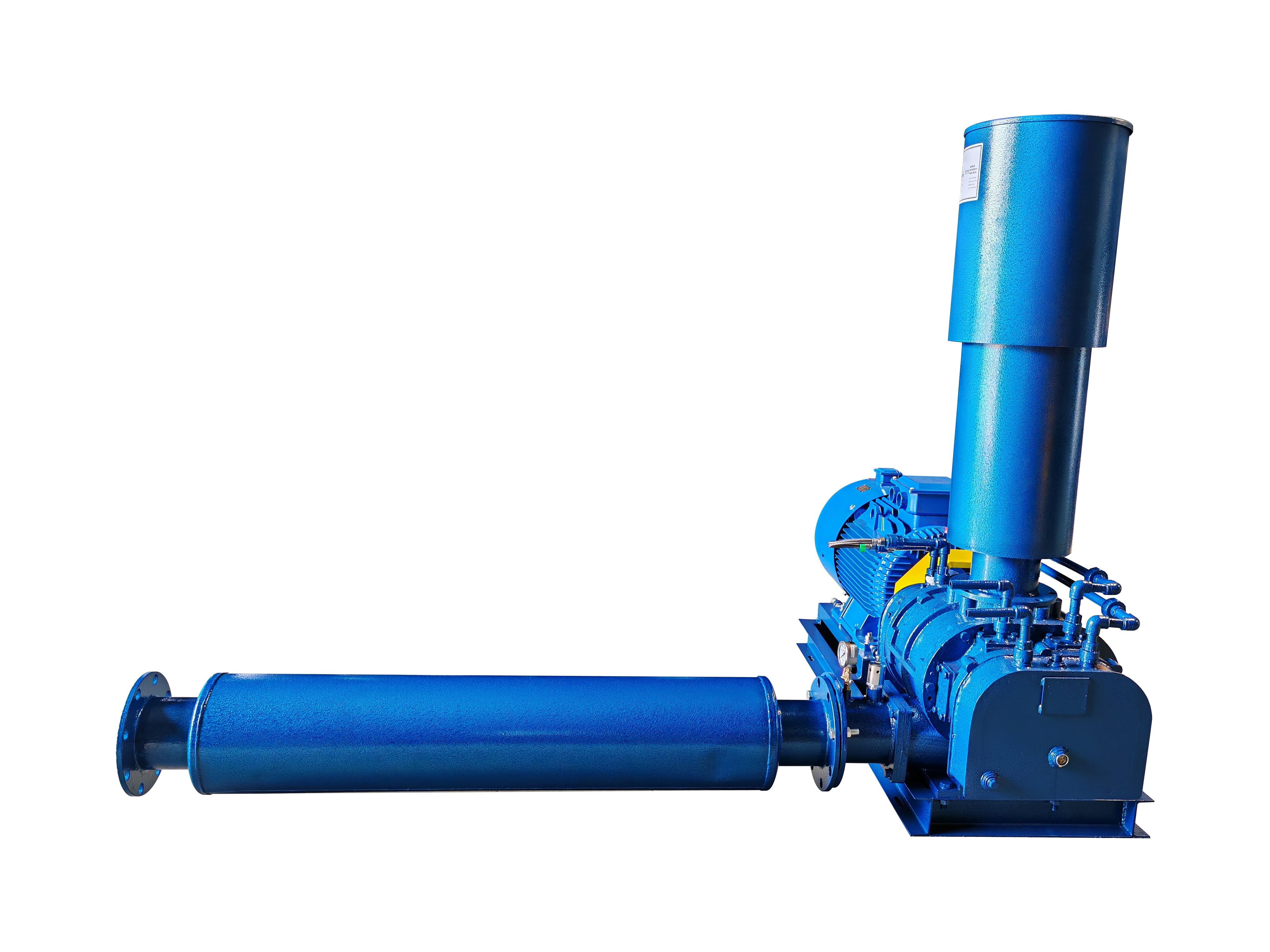
Quality assurance is the cornerstone of successful roots blower manufacturing. When industrial facilities depend on air compression equipment for critical operations, roots blower manufacturers must establish rigorous protocols to ensure every unit meets exacting performance standards. From design validation through final delivery, manufacturers implement multilayered quality control processes that guarantee reliability and longevity in demanding industrial environments.
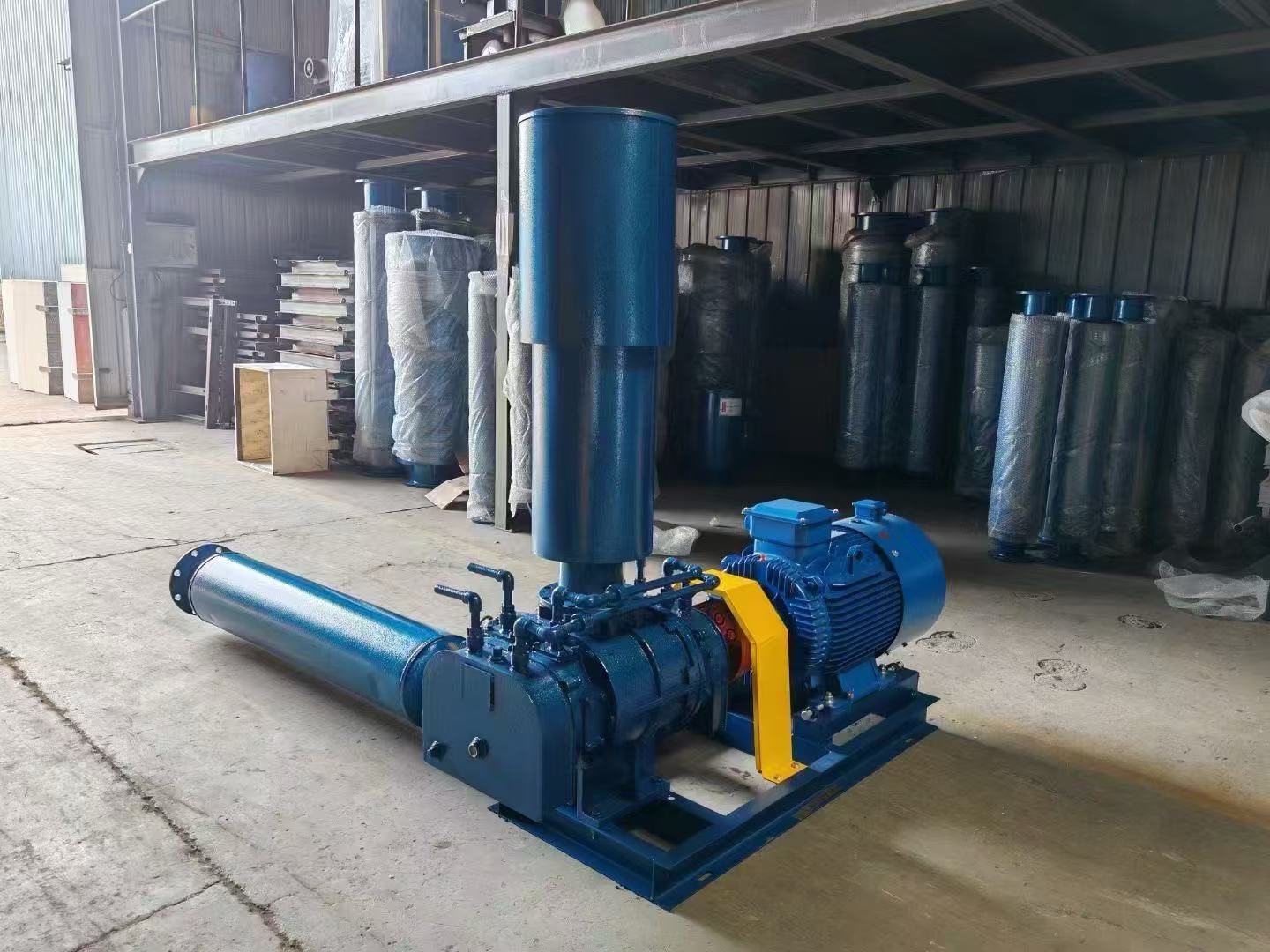
The manufacturing landscape for industrial air compression equipment applications has evolved significantly, with roots blower manufacturers now employing advanced testing methodologies and precision engineering standards. Understanding these quality mechanisms provides valuable insight into how industries can select reliable equipment vendors and what distinguishes premium manufacturers from standard producers.
Engineering Design and Material Selection Standards
Precision in Positive Displacement Blower Specifications
The foundation of quality begins with engineering excellence. Manufacturers develop positive displacement blower specifications that balance efficiency, durability, and operational cost. Each component undergoes dimensional verification using laser measurement systems and coordinate measuring machines to ensure tolerances remain within micron-level precision. Material selection follows strict metallurgical standards, with rotors cast from ductile iron or aluminum alloys that withstand cyclic stress over millions of operating hours.
Lead engineers work closely with material scientists to evaluate fatigue resistance, corrosion characteristics, and thermal stability. The positive displacement blower specifications detail exact rotor profiles, bearing specifications, and seal materials that collectively determine product lifespan. Manufacturers maintain material traceability throughout production, documenting mill certifications and chemical composition analysis for every batch of raw materials entering the facility.
Advanced Manufacturing Process Control
Modern manufacturing floors employ statistical process control and real-time monitoring systems. Computer numerical control machines produce rotor lobes with repeatable accuracy, while quality technicians perform in-process inspections at critical checkpoints. Surface finish specifications are verified through profilometry testing, ensuring smooth operation and minimal vibration transmission. Each casting passes X-ray or ultrasonic inspection to detect internal voids or defects that could compromise structural integrity during industrial air compression equipment applications.
Comprehensive Performance Testing Protocols
Rotary Lobe Blower Performance Comparison Benchmarking
Before any unit ships to customers, manufacturers conduct extensive performance validation. Rotary lobe blower performance comparison testing establishes baseline metrics for flow rate, pressure capability, temperature rise, and noise levels. Each blower operates under simulated load conditions on dynamometer test stands, with data acquisition systems recording performance across the full operating envelope. Manufacturers compare results against published positive displacement blower specifications and internal performance standards to verify specification compliance.
Temperature monitoring during extended runtime identifies potential bearing or seal issues before they manifest in field operations. Vibration analysis detects rotor imbalance or misalignment that could accelerate component wear. Acoustic testing ensures noise signatures remain within acceptable limits for industrial air compression equipment applications. These rotary lobe blower performance comparison protocols often exceed customer requirements, providing confidence in long-term reliability and operational consistency.
Endurance Testing and Stress Validation
Quality-focused manufacturers operate test units for extended periods under maximum pressure and temperature conditions. Some conduct accelerated life testing, running units at elevated loads to compress years of typical operation into weeks or months of continuous testing. If a unit shows anomalies during this phase, engineers disassemble and investigate root causes, analyzing wear patterns and material condition to prevent similar issues in production batches. This commitment to endurance validation distinguishes premium manufacturers from volume-focused producers prioritizing speed over thoroughness.
Quality Management Systems and Continuous Improvement
Certification and Industry Standard Compliance
Leading roots blower manufacturers maintain ISO 9001 certification and adhere to international quality management system standards. Third-party audits verify compliance with documented procedures, traceability protocols, and corrective action mechanisms. Equipment may also meet specific industrial standards such as API, ASME, or ISO technical requirements relevant to customer applications. Positive displacement blower specifications reference these standards, ensuring transparent communication about performance attributes and safety features.
Traceability and Documentation Excellence
Complete documentation accompanies every unit, including material certificates, test reports, calibration records, and performance data sheets. Serial number systems enable full traceability from raw material through final assembly, allowing manufacturers to respond swiftly if issues emerge in specific production lots. This documentation demonstrates commitment to accountability and facilitates troubleshooting when customers encounter operational questions. Manufacturers maintain historical records enabling trend analysis and identification of process improvements that enhance industrial air compression equipment applications.
Customer Feedback Integration and Iterative Enhancement
Quality doesn't end at shipment. Manufacturers establish warranty support channels and gather field performance data from installed equipment. Customer feedback regarding reliability, ease of maintenance, and operational characteristics informs design revisions for subsequent product generations. When issues arise, manufacturers conduct failure analysis, implement corrective actions, and communicate updates to the broader customer base. This continuous improvement cycle reinforces product excellence and demonstrates genuine commitment to customer success and satisfaction.
FAQ
What specific testing do roots blower manufacturers perform before shipment?
Manufacturers conduct multiple testing phases including dimensional verification, material analysis, performance testing on dynamometers, extended runtime validation, and acoustic and vibration assessment. Most test units for extended periods under maximum pressure and temperature conditions to simulate years of field operation. Test data is documented comprehensively and accompanies the unit to customers, providing transparency about actual performance characteristics and positive displacement blower specifications.
How do positive displacement blower specifications ensure quality standards?
Detailed positive displacement blower specifications establish precise requirements for component dimensions, material properties, performance parameters, and operating limits. These specifications serve as engineering blueprints and quality benchmarks, allowing manufacturers to verify that every unit meets design intent. Specifications reference international standards and customer requirements, creating accountability throughout the manufacturing process. Quality control teams compare actual products against these specifications using calibrated measurement equipment and testing protocols.
Why do manufacturers conduct rotary lobe blower performance comparison testing?
Rotary lobe blower performance comparison testing validates that each unit performs consistently with design expectations and competitor offerings for industrial air compression equipment applications. This testing identifies potential anomalies before customer deployment, ensuring reliability under real-world operating conditions. Performance comparison data also supports marketing claims and helps customers make informed purchasing decisions by understanding actual performance across flow rates, pressure ranges, and temperature conditions.