 EN
EN
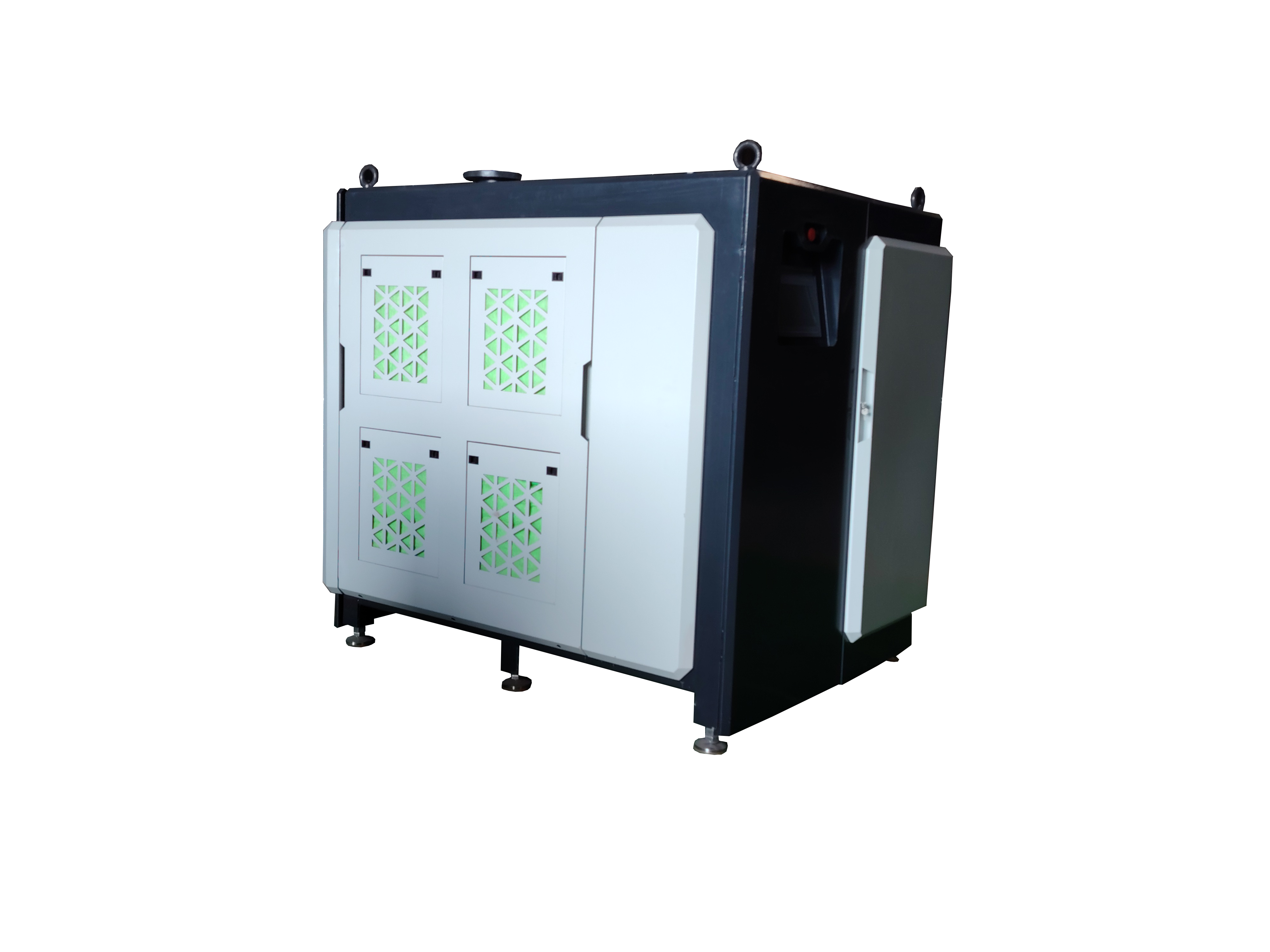
Plant managers considering equipment upgrades face significant operational and financial decisions. When evaluating a magnetic levitation blower, understanding the core technology, operational advantages, and implementation requirements is essential before committing to this investment. This technology represents a fundamental shift from traditional mechanical bearing systems, offering compelling benefits alongside specific considerations unique to industrial facilities.
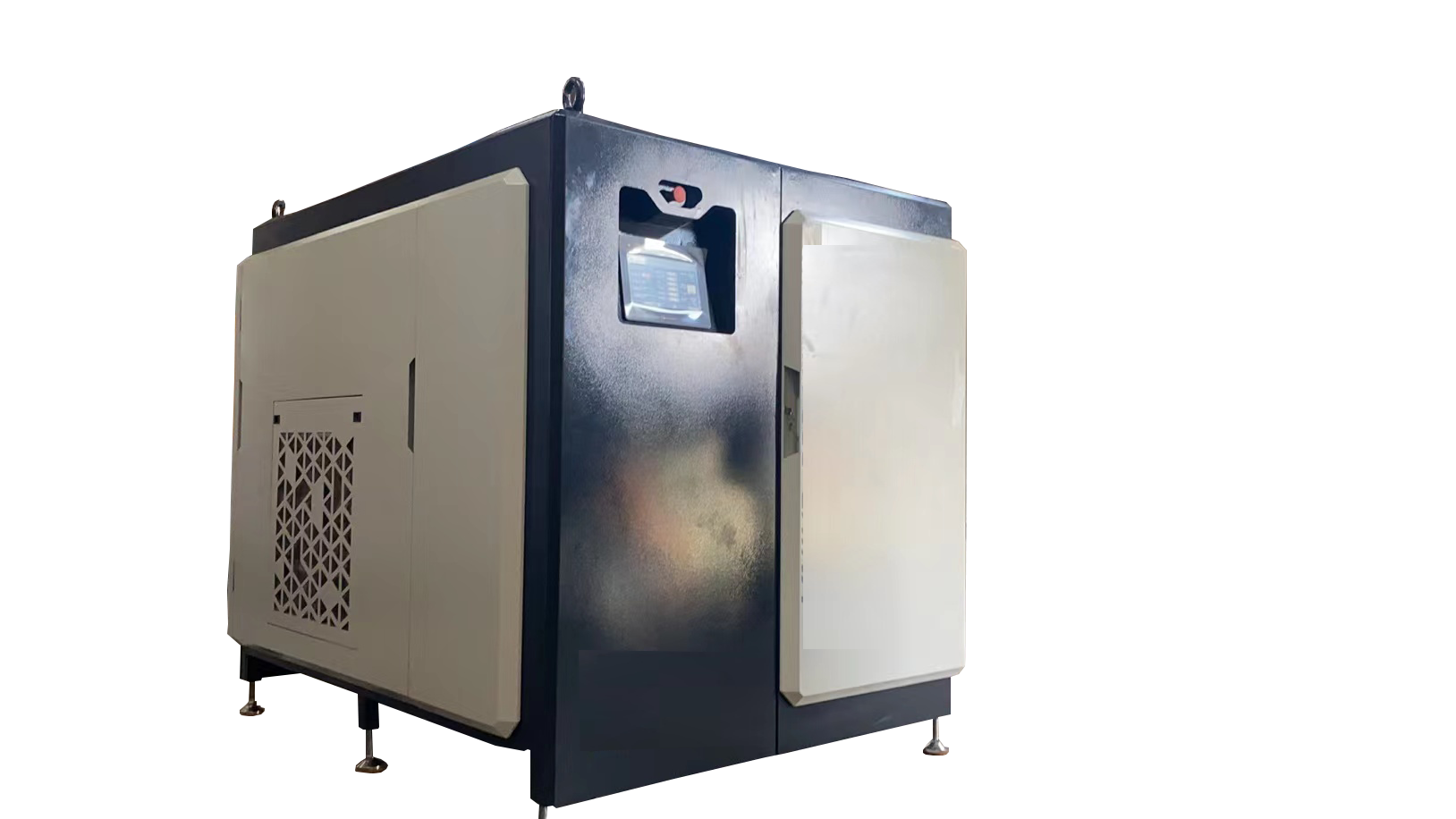
The decision to upgrade from conventional blowers involves understanding how maglev bearing technology fundamentally changes equipment performance, maintenance cycles, and energy consumption. Plant managers must evaluate whether their facility infrastructure, electrical systems, and operational workflows align with the capabilities and requirements of high-speed rotary equipment. This article provides essential knowledge for making an informed decision about whether a magnetic levitation blower suits your facility's needs.
Understanding Maglev Bearing Technology and Contactless Cooling Systems
Core Principles of Magnetic Levitation in Industrial Equipment
Maglev bearing technology eliminates physical contact between rotating and stationary components by using magnetic forces to suspend the rotor. Unlike traditional roller or ball bearings that require lubrication and suffer wear over time, contactless cooling systems using magnetic suspension create a frictionless operating environment. This fundamental difference means your magnetic levitation blower operates without the degradation that affects conventional equipment, resulting in consistent performance throughout its operational life.
The magnetic suspension system maintains precise positioning of the rotor through active or passive magnetic bearings. Contactless cooling systems incorporate auxiliary bearings that provide backup support during startup, shutdown, or power loss scenarios. Plant managers should understand that this technology requires stable electrical supply and facility infrastructure designed to accommodate high-speed rotary equipment operating at speeds conventional systems cannot reach safely.
Key Technical Specifications Plant Managers Must Evaluate
Before upgrading to a magnetic levitation blower, assess your facility's electrical capacity, cooling water supply, and control system capabilities. High-speed rotary equipment demands precise frequency control and often requires variable frequency drives to manage acceleration and stability. Maglev bearing technology operates most efficiently at optimal speeds, so your facility must support the necessary electrical infrastructure and power quality standards. Plant managers need to verify that existing electrical systems can handle the startup characteristics and steady-state power requirements without compromising other facility operations.
Operational Performance and Maintenance Advantages
Efficiency Gains from Contactless Cooling Systems
One of the most compelling reasons plant managers consider upgrading involves the energy efficiency of high-speed rotary equipment. Magnetic levitation blower systems typically consume less power than comparable mechanical bearing units because friction losses are essentially eliminated. Contactless cooling systems also reduce heat generation, decreasing the load on facility cooling systems and lowering utility costs. For plants operating these machines continuously, annual energy savings can justify upgrade investments relatively quickly.
Beyond energy consumption, the reduction in operating temperature improves equipment longevity and creates a more stable operating environment. Maglev bearing technology maintains consistent performance characteristics across extended operational periods, eliminating the gradual performance degradation typical of worn mechanical bearings. Plant managers should factor these efficiency advantages into their total cost of ownership analysis.
Maintenance Requirements and Downtime Considerations
Traditional bearing systems require regular lubrication, bearing replacements, and scheduled maintenance that generates unplanned downtime costs. A magnetic levitation blower reduces these burdens significantly because contactless cooling systems eliminate bearing wear as a maintenance driver. Plant managers can expect fewer interruptions to production schedules and reduced inventory requirements for replacement bearings and lubricants. However, high-speed rotary equipment still requires monitoring systems and specialized technician knowledge to manage the magnetic suspension components effectively.
Plant managers upgrading equipment should budget for training programs to ensure maintenance staff understand magnetic levitation blower operation and diagnostics. While routine bearing maintenance disappears, preventive monitoring of the magnetic bearing system becomes critical. Maglev bearing technology requires condition-based monitoring rather than time-based maintenance intervals, a shift that requires different operational protocols and technical expertise than plants may currently employ.
Implementation Challenges and Infrastructure Requirements
Electrical Infrastructure and System Integration
Plant managers must verify that electrical supply quality meets specifications for high-speed rotary equipment before upgrading to a magnetic levitation blower. These systems often require dedicated electrical circuits with precise voltage stability and frequency control. Existing variable frequency drives may require upgrading to support the control requirements of contactless cooling systems. Power quality issues that conventional equipment tolerates can destabilize magnetic suspension systems, making facility electrical infrastructure assessment a critical pre-upgrade task.
Integration with building management systems and control networks requires planning to ensure proper monitoring and alarm functions. Plant managers should consult with electrical engineers to evaluate distribution system capacity and identify any upgrades needed. Maglev bearing technology performs optimally with stable, predictable electrical environments, so facilities with marginal power quality may face operational challenges despite the advanced equipment capabilities.
Cost Analysis and Financial Decision Framework
The initial purchase price of a magnetic levitation blower typically exceeds conventional alternatives, so plant managers must develop comprehensive financial models comparing total costs. Calculate energy savings, reduced maintenance labor, decreased downtime costs, and extended equipment life against the capital investment and any facility upgrades required. Contactless cooling systems often justify investments for high-duty applications operating continuously, but lower-utilization applications may show longer payback periods. Plant managers should evaluate whether expected operational hours justify the premium over conventional alternatives.
Consider whether your facility has budgeted capital resources for both the equipment purchase and supporting infrastructure improvements. High-speed rotary equipment may require reinforced mounting systems, vibration isolation, or facility modifications. Some plants justify staged implementation where critical processes upgrade first, allowing staff to build expertise before expanding deployment. Maglev bearing technology represents a capital investment requiring careful financial analysis aligned with facility upgrade timelines and budget constraints.
FAQ
How do I know if my facility is ready for a magnetic levitation blower upgrade?
Evaluate your facility's electrical infrastructure stability, cooling water supply, existing equipment mounting systems, and technical staff capability. Assess whether current power quality meets specifications for high-speed rotary equipment, and determine whether maintenance teams can support maglev bearing technology monitoring. Facilities with stable electrical supply, continuous-duty applications, and technical expertise in advanced equipment typically experience successful transitions to magnetic levitation blower systems.
What are the real maintenance cost savings from contactless cooling systems?
Savings vary based on current bearing maintenance costs and equipment utilization rates. Eliminate expenses for bearing replacement kits, lubricants, lubrication labor, and bearing-related downtime. However, budget for condition monitoring systems and specialized technician training for maglev bearing technology. Most plants achieve payback within three to five years through reduced bearing maintenance alone, with additional energy savings extending the financial advantage over equipment life.
Can existing equipment mounting and facility space accommodate high-speed rotary equipment?
Magnetic levitation blower systems may require different foundation mounting than conventional equipment to manage vibrational characteristics. Verify that existing supports, ductwork connections, and facility layout can accommodate new equipment dimensions and operational requirements. Consult equipment manufacturers about specific mounting specifications before finalizing upgrade plans to ensure your facility infrastructure adequately supports the magnetic levitation blower installation.