
 EN
EN
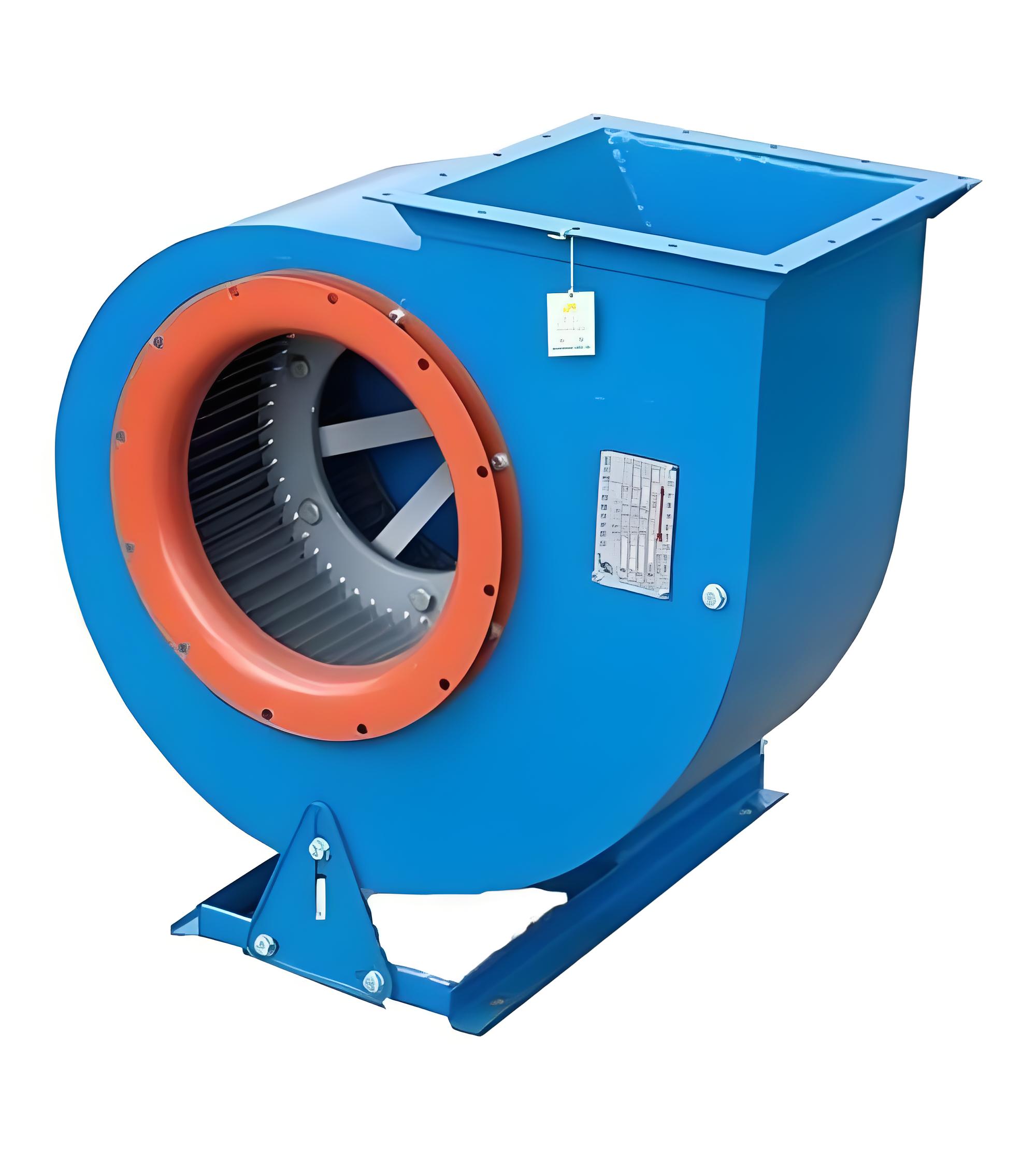
Selecting the right centrifugal air blower requires understanding the technical specifications that directly impact performance, reliability, and operational cost. Industrial facilities, HVAC systems, and process applications depend on blowers that match precise requirements, yet many decision-makers focus only on price or generic horsepower ratings. The truth is that several interconnected technical parameters determine whether a blower will deliver adequate performance, operate efficiently, and maintain durability over its service life.
Understanding which specifications matter most begins with recognizing that different applications demand different performance priorities. A centrifugal air blower intended for material conveying faces entirely different demands than one designed for ventilation, and high pressure air blower selection guide principles help clarify this distinction. This article breaks down the critical technical specifications you must evaluate during the purchase decision process, explains why each matters, and shows how to align specifications with your specific operational requirements.
Performance and Airflow Specifications
Pressure Rating and Performance Curve
Pressure rating stands as the most commonly misunderstood specification in centrifugal air blower purchasing. Most buyers focus on static pressure alone, yet the performance curve reveals how a blower behaves across its entire operating range. A centrifugal fan noise reduction techniques approach begins by selecting a blower whose pressure curve matches your system resistance profile. The performance curve shows the relationship between volumetric flow rate and pressure output, and operating your blower far from its design point creates inefficiency, excessive vibration, and accelerated wear on mechanical components.
Static pressure represents the force a blower generates to overcome system resistance, measured in inches of water column or pascals. Selecting a blower with sufficient pressure margin prevents the unit from struggling at maximum load, which creates heat generation and reduces service life. Conversely, oversizing pressure capability beyond actual system needs drives unnecessary capital expense and operational inefficiency. The high pressure air blower selection guide principle of matching the performance curve to your system resistance profile prevents both undersizing failures and wasteful oversizing decisions.
Volumetric Flow Rate Capacity
Flow rate capacity, measured in cubic feet per minute or cubic meters per hour, must match the volume of air your process requires. Industrial ventilation system design calculations establish the required flow rate based on space volume, air change requirements, and process demands. A centrifugal air blower rated for adequate flow at the system design point ensures stable operation without velocity constraints that would create excessive noise or pressure drop. The performance curve shows how flow rate changes as system resistance increases, allowing you to verify the blower will deliver required capacity at your actual operating pressure.
Undersizing flow capacity creates a system that cannot meet process demands, while oversizing creates operational waste and potential control difficulties. The centrifugal fan noise reduction techniques literature consistently emphasizes that matching volumetric capacity to actual requirements reduces noise generation at the source by preventing overloading and excessive impeller speeds.
Mechanical and Efficiency Characteristics
Efficiency Rating and Energy Consumption
Efficiency rating directly impacts long-term operational cost, yet many purchasers overlook this specification in favor of lower initial capital expense. A centrifugal air blower with higher static efficiency consumes less electrical power to deliver the same airflow and pressure, translating to measurable energy savings over months and years. Industrial ventilation system design professionals now routinely calculate the lifecycle cost by combining initial purchase price with estimated annual energy consumption, demonstrating that higher-efficiency units often deliver superior total cost ownership despite higher upfront investment.
Efficiency is influenced by impeller design, blade geometry, housing shape, and bearing quality. Higher-quality construction and precision manufacturing improve efficiency ratings, which explains why premium centrifugal air blower models command higher prices. The high pressure air blower selection guide approach evaluates efficiency through standardized metrics such as total or static efficiency, allowing you to compare units from different manufacturers on equivalent technical grounds. Energy consumption over a ten-year service life often exceeds the initial purchase price, making efficiency a critical decision factor in industrial applications.
Motor Power and Drive Configuration
Motor power rating must provide sufficient torque to accelerate the impeller and maintain steady operation under full load conditions. The specified horsepower should include margin above the minimum theoretical requirement, ensuring the motor does not overheat under sustained operation. Different applications call for different motor types: direct-drive configurations offer compact installation, while belt-drive arrangements allow speed adjustment and better motor cooling in high-temperature environments. Industrial ventilation system design frequently incorporates variable frequency drives that allow precise speed control, reducing energy consumption when full capacity is unnecessary and improving operational flexibility.
Motor frame size, insulation class, and bearing type affect reliability and service life. A centrifugal air blower with oversized bearings and premium motor insulation operates at lower temperatures and delivers longer service intervals. The relationship between motor power, impeller design, and pressure capability must remain balanced to prevent motor overload or inadequate performance.
Operational Reliability and Environmental Factors
Noise Characteristics and Sound Emissions
Noise emission represents a critical but sometimes overlooked specification in urban or occupied environments. A centrifugal fan noise reduction techniques framework evaluates both broadband noise and frequency-specific acoustic characteristics. The sound power level, measured in decibels, provides a standardized metric for comparing noise output between different units operating at similar pressures and flows. Location-specific regulations often limit allowable noise levels, making acoustic performance essential for compliance in facilities near residential areas or in noise-sensitive industrial settings.
Centrifugal air blower designs inherently produce less noise than axial fans at comparable pressures, but construction quality significantly influences actual acoustic performance. Units featuring rigid housings, balanced impellers, and vibration isolation mounts deliver superior acoustic performance compared to poorly engineered alternatives. Industrial ventilation system design standards now routinely incorporate acoustic requirements, and specifying a blower with documented low-noise characteristics prevents costly retrofit solutions later.
Material Selection and Environmental Durability
Material selection determines how well a centrifugal air blower withstands corrosion, temperature extremes, and chemical exposure specific to your application. Stainless steel construction resists corrosion in humid or chemically aggressive environments, while carbon steel suffices for clean, dry applications. Impeller materials must resist erosion if the airstream carries abrasive particles, and housing thickness affects both durability and vibration characteristics. Environmental factors including ambient temperature ranges, humidity levels, and exposure to corrosive substances should inform material specification decisions during the high pressure air blower selection guide process.
Bearing type and lubrication system influence service intervals and maintenance requirements. Ball bearings require periodic greasing, while rolling element bearings with sealed designs operate longer between maintenance events. Industrial ventilation system design in corrosive environments increasingly specifies sealed bearing arrangements and premium materials to reduce maintenance frequency and extend equipment service life substantially.
FAQ
What pressure rating should I specify for my centrifugal air blower application?
Pressure rating should match the total system resistance calculated from your ductwork, filters, equipment, and outlet configurations. Work with an engineer to map your system resistance curve, then select a blower whose performance curve intersects your system line at the desired flow rate. This ensures efficient operation and prevents undersizing failures. A high pressure air blower selection guide always includes this matching exercise as the fundamental first step.
How does impeller design affect centrifugal fan noise reduction techniques?
Impeller blade count, blade angle, and rotational speed all influence noise generation in a centrifugal air blower. Higher blade counts and optimized blade geometry reduce pressure pulsations that generate noise at the blade-pass frequency. Lower rotational speeds also reduce noise proportionally, which is why belt-drive configurations with speed control options often deliver quieter operation than direct-drive arrangements. Modern centrifugal fan noise reduction techniques emphasize slow-speed, high-blade-count designs for noise-sensitive applications.
Why does efficiency matter if I only care about upfront cost for my industrial ventilation system design?
Efficiency directly determines energy consumption over your blower's ten-year service life, often amounting to many times the initial purchase price. A centrifugal air blower with 5% higher efficiency might reduce annual electricity costs by hundreds or thousands of dollars depending on operating hours and local energy rates. Industrial ventilation system design professionals evaluate lifecycle cost rather than initial purchase price alone, recognizing that efficiency improvements typically recover the cost premium within 2–4 years of operation through energy savings.