
 EN
EN
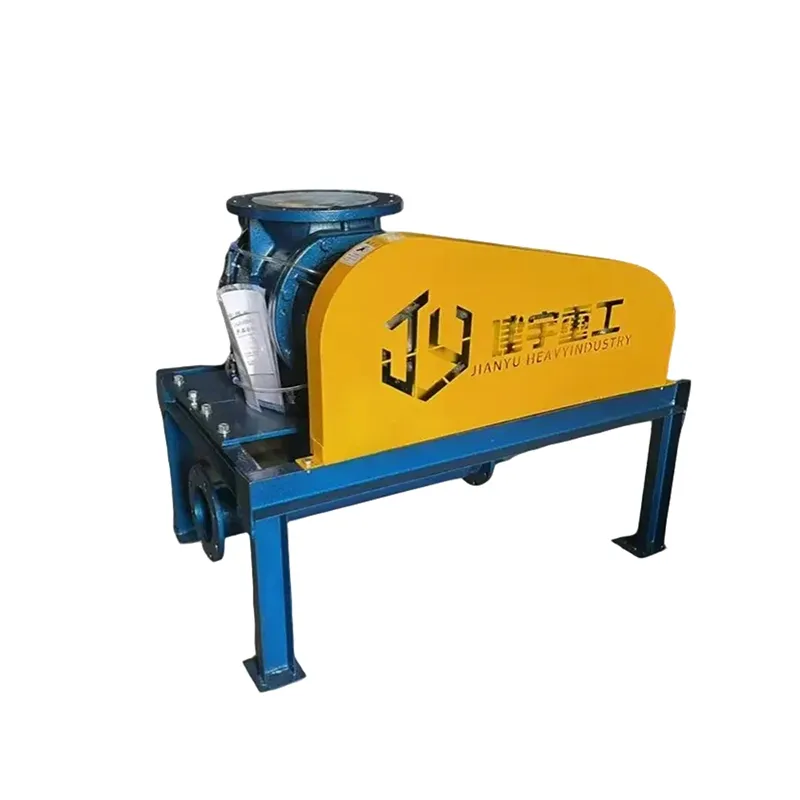
A rotary lobe blower stands as one of the most reliable solutions for applications demanding consistent air or gas movement under challenging industrial conditions. These machines operate using a positive displacement principle, which fundamentally differs from centrifugal alternatives and makes them uniquely suited to heavy-duty environments where reliability, pressure stability, and durability take precedence. Understanding what sets a rotary lobe blower apart requires examining its core mechanical principles, operational characteristics, and how it performs across demanding industrial sectors.
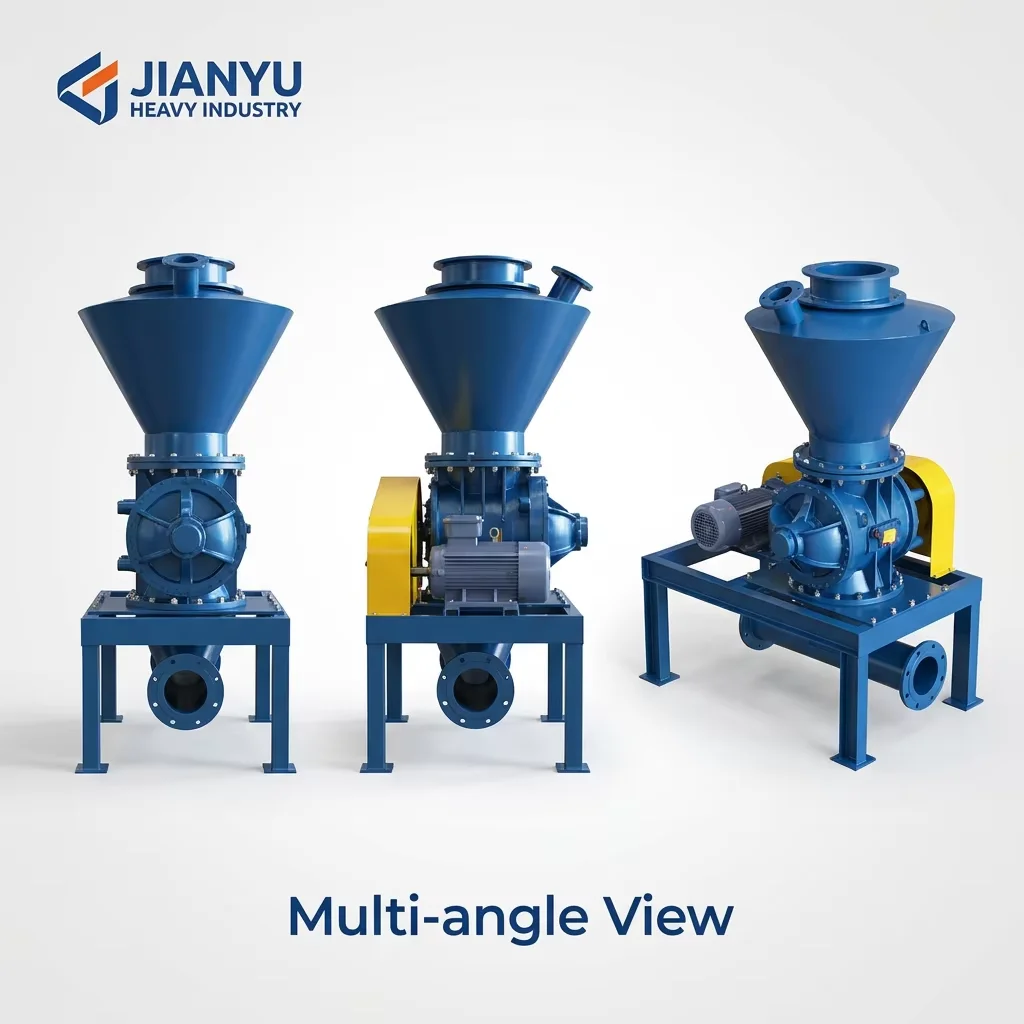
The defining characteristic of this machine is its ability to deliver constant volumetric flow across varying pressure ranges, making it essential for processes where predictability matters more than maximum efficiency ratings. Unlike alternatives that scale their output based on system resistance, rotary lobe blower technology ensures your pneumatic conveying, aeration, or pressure application receives the exact volume of gas your process requires, regardless of backpressure fluctuations.
Core Design and Positive Displacement Principle
How Positive Displacement Differentiates Performance
Positive displacement blower applications rely on mechanical trapping and moving of air volumes rather than relying on centrifugal force. Two rotating lobes within a precisely machined chamber create expanding and contracting cavities that alternately trap and discharge fixed volumes of gas. This mechanical certainty means your rotary lobe blower delivers consistent flow whether system pressure sits at 5 psi or 15 psi, a capability critical in wastewater treatment, pneumatic conveying systems, and sewage aeration.
The synchronized rotor design eliminates vibration common in some competing technologies while maintaining tight tolerances that preserve efficiency over extended service periods. Heavy-duty operations depend on this mechanical reliability because intermittent failures cascade into production delays. Your positive displacement blower applications experience uninterrupted performance across temperature variations, humidity swings, and altitude changes that would compromise alternatives lacking this mechanical robustness.
Pressure and Flow Characteristics Under Load
When comparing rotary lobe blower vs centrifugal blower comparison metrics, pressure stability emerges as perhaps the most consequential distinction for industrial operators. Your rotary lobe unit maintains nearly flat performance curves across its operational range, while centrifugal alternatives experience significant pressure drops as flow demands increase. This flat characteristic makes rotary lobe technology ideal for applications where consistent gas delivery prevents process failures or quality degradation.
Heavy-duty operations spanning cement manufacturing, leather tanning, and chemical processing benefit directly from this pressure consistency. Your industrial facility gains predictable performance without the capacity margin waste required when using alternatives that curve downward under modest backpressure increases. The mechanical design ensures your rotary lobe blower maintains volumetric delivery even when system resistance climbs unexpectedly.
Durability and Reliability in Extreme Conditions
Component Longevity and Material Specifications
Rotary lobe blower maintenance and troubleshooting protocols differ markedly from centrifugal equipment because the mechanical simplicity enables longer service intervals and more straightforward diagnostic procedures. Cast iron and aluminum construction in precision-engineered casings withstand temperature extremes, corrosive atmospheres, and abrasive particulate loads that accumulate in heavy-duty industrial settings. Your maintenance schedules remain predictable because mechanical wear patterns develop consistently across operating hours rather than suffering sudden efficiency collapse.
The positive displacement principle means fewer rotating components require precision balancing, reducing vulnerability to misalignment problems plaguing high-speed alternatives. Your rotary lobe blower operates comfortably at 600 RPM or lower, speeds that inherently reduce mechanical stress and thermal generation. Heavy-duty applications from food processing to pharmaceutical manufacturing leverage this inherent durability advantage, extending equipment lifespan well beyond initial cost justification periods.
Maintenance Requirements and Service Intervals
Effective rotary lobe blower maintenance and troubleshooting begins with understanding that preventive care focuses on lubrication monitoring, seal integrity, and inlet filter cleanliness rather than complex mechanical adjustments. Your maintenance team requires basic mechanical knowledge to identify early wear indicators, with most service tasks completed onsite without specialized equipment or extended downtime windows. Heavy-duty facilities appreciate this accessibility because maintenance staffs avoid extended training requirements or reliance on external specialists.
The gear drive system in your rotary lobe requires periodic oil analysis and filter changes on schedules matching typical industrial equipment standards. Bearing assemblies employ quality seals that resist contamination when proper inlet filtration remains operational. When comparing rotary lobe blower vs centrifugal blower comparison frameworks, maintenance accessibility and cost predictability consistently favor the rotary technology in facilities operating with lean maintenance teams or remote locations limiting specialist availability.
Industrial Applications and Performance Validation
Positive Displacement Blower Applications Across Sectors
Pneumatic conveying systems transporting powdered materials, grains, and chemical additives depend on the consistent flow characteristics your rotary lobe blower provides across varying load densities and pipe configurations. Wastewater treatment facilities utilize positive displacement blower applications for diffused aeration, where consistent bubble size and oxygen transfer remain critical to treatment efficacy. Your concrete and cement manufacturers employ these machines for dust collection and material transportation in environments where centrifugal alternatives would require constant capacity adjustments.
The leather tanning industry relies heavily on rotary lobe technology for providing steady air and gas flows through treatment chemicals and processes where pressure fluctuations create quality inconsistencies. Food processing facilities use these blowers for package inflation, foam generation, and pneumatic material handling where particle-free operation and consistent flow govern process success. Heavy-duty operations spanning these diverse sectors validate the universal applicability of rotary technology across industries prioritizing reliability and performance predictability.
Comparison Framework for Technology Selection
When evaluating rotary lobe blower vs centrifugal blower comparison considerations, your facility should prioritize pressure consistency requirements, installation space constraints, and expected maintenance resource availability. Rotary lobe technology excels when your process demands relatively constant volumetric output regardless of system backpressure, when space remains limited, or when maintenance capabilities remain modest. Centrifugal alternatives gain consideration primarily when your operation requires maximum efficiency over wide flow ranges or when extremely low noise levels become mandatory constraints.
The decision framework for your heavy-duty operation ultimately hinges on application-specific requirements rather than universal performance superiority of any single technology. Your rotary lobe blower delivers unmatched value when process stability and mechanical simplicity outweigh efficiency optimization as primary facility objectives. Understanding these distinctions ensures your capital equipment selection aligns precisely with your operational demands and maintenance infrastructure capabilities.
FAQ
What specific industries benefit most from rotary lobe blower technology?
Wastewater treatment, pneumatic conveying, cement manufacturing, leather tanning, and food processing represent sectors where positive displacement blower applications consistently provide superior performance to alternatives. These industries prioritize pressure consistency and reliability over maximum efficiency, making rotary technology the optimal choice for their heavy-duty operations and specialized processes.
How does rotary lobe blower maintenance and troubleshooting differ from centrifugal equipment care?
Rotary lobe blower maintenance and troubleshooting focuses on lubrication, seal integrity, and filter management rather than complex mechanical adjustments or precision balancing. The mechanical simplicity enables facility maintenance teams to handle most service requirements onsite, reducing dependency on specialized technicians and extending service intervals compared to high-speed centrifugal alternatives.
When should a facility choose rotary lobe blower vs centrifugal blower comparison analysis?
Facilities should evaluate rotary lobe blower vs centrifugal blower comparison frameworks when their applications require consistent volumetric output under variable backpressure, space remains limited, or maintenance resources are constrained. Rotary lobe technology delivers superior value for heavy-duty operations prioritizing reliability and pressure stability, while centrifugal alternatives suit applications demanding maximum efficiency across wide flow ranges.