
 EN
EN
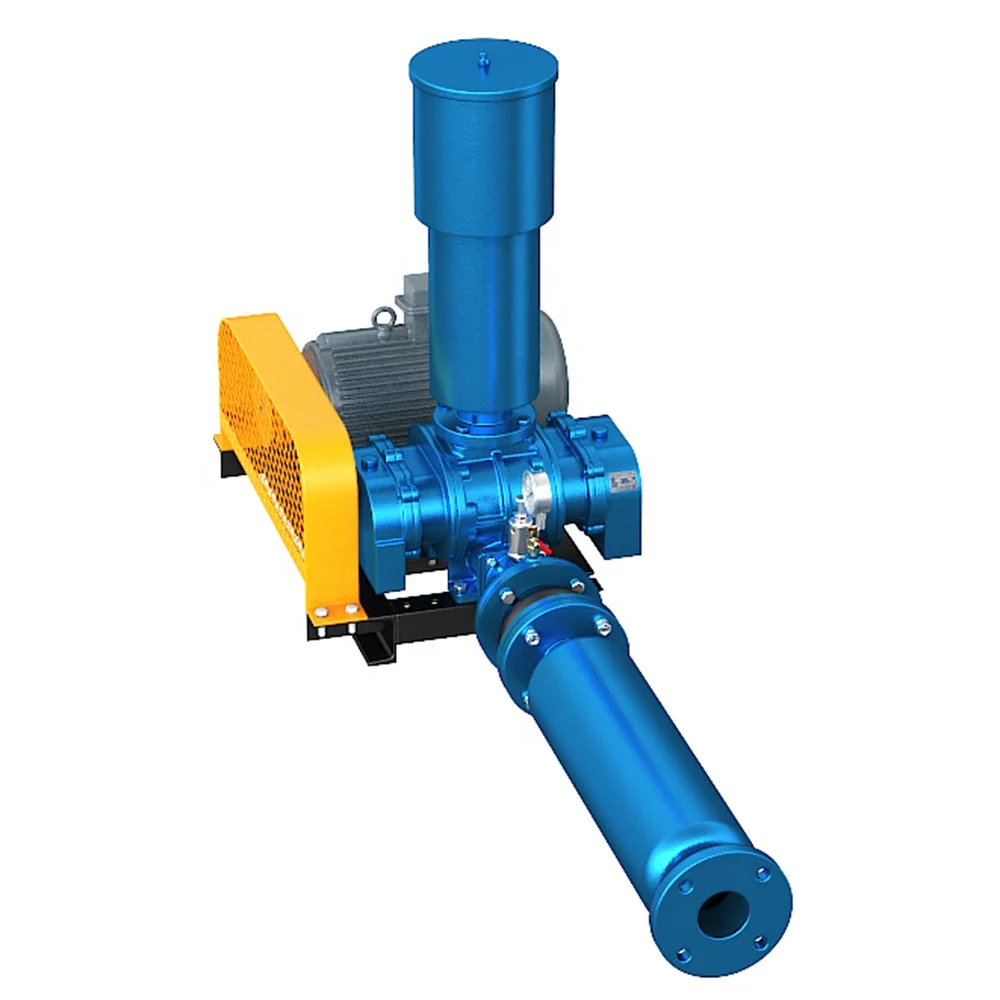
Wastewater treatment facilities face constant pressure to improve operational efficiency, reduce environmental impact, and maintain regulatory compliance. One of the most critical components enabling these goals is the air blower, a device that has become indispensable in modern treatment systems worldwide. Understanding why air blowers are used reveals the fundamental science behind effective wastewater management and the operational advantages they provide to facility managers and engineers.
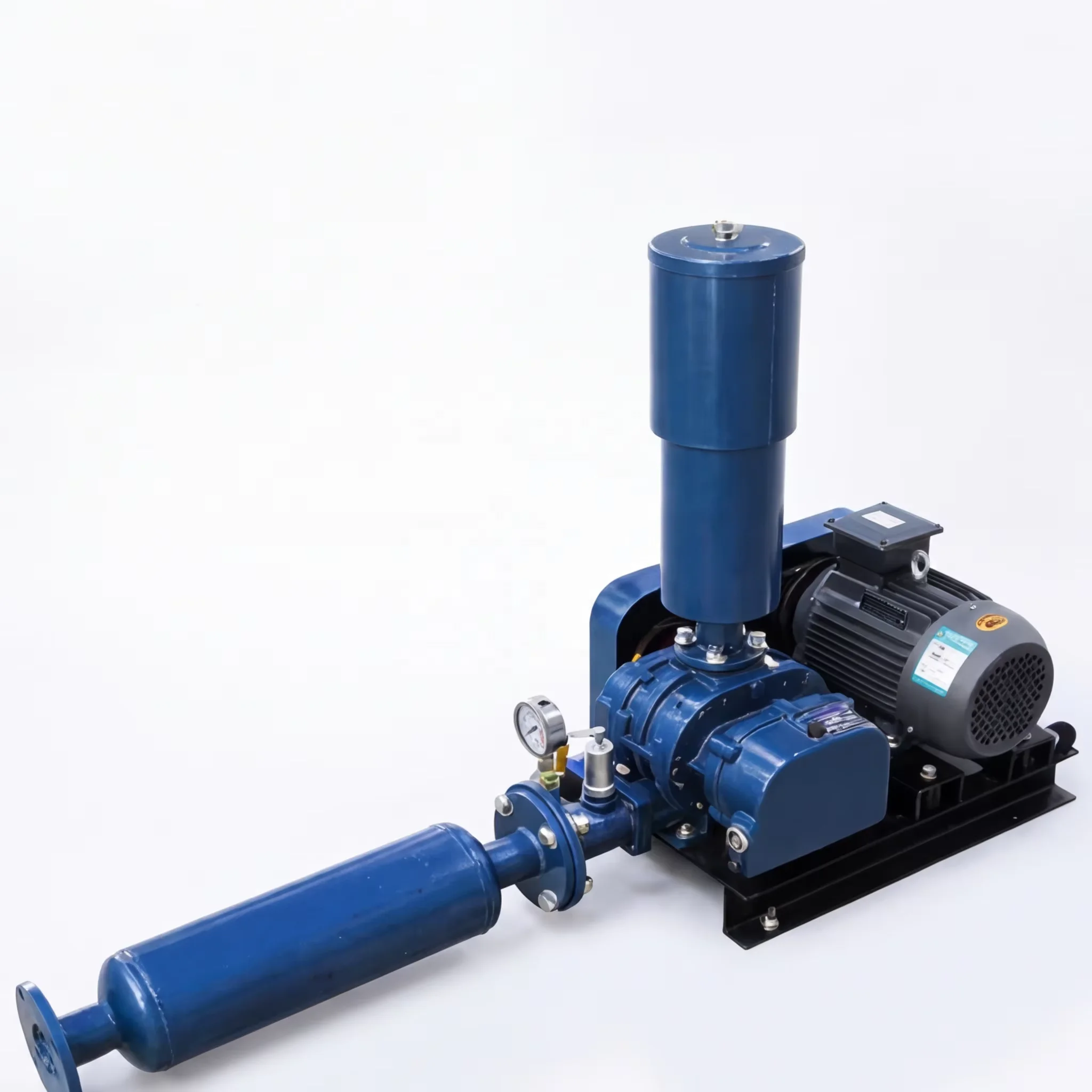
The role of an air blower in wastewater treatment extends far beyond simple air circulation. These systems inject oxygen into biological reactors where naturally occurring microorganisms break down organic pollutants. By maintaining adequate oxygen levels, air blowers enable the aerobic digestion process that transforms hazardous waste into harmless byproducts. The reliability and performance of aeration systems directly impact treatment quality, cost efficiency, and the ability to meet discharge standards set by environmental agencies.
Oxygen Transfer and Biological Aeration Efficiency
How Air Blowers Enable Aerobic Digestion
The primary function of an air blower in wastewater treatment is to supply dissolved oxygen to biological reactors. Microorganisms responsible for degrading organic compounds require aerobic conditions to function optimally. Without sufficient oxygen supply, these beneficial bacteria cannot process waste efficiently, leading to system failure and environmental violations. Air blower systems create bubbles that maximize contact between air and wastewater, dramatically increasing oxygen transfer rates compared to passive settling or mechanical mixing alone.
Air blower motor specifications directly influence treatment performance and energy consumption. Facility operators must select blowers with motors capable of delivering consistent flow rates across varying system demands. The choice between rotary lobe blowers, centrifugal fans, and turbocompressors depends on treatment volume, facility size, and specific aeration requirements. Proper motor sizing ensures the air blower operates within optimal efficiency bands, reducing power consumption while maintaining treatment quality throughout the operational cycle.
Oxygen Levels and Pollutant Removal
Sustained dissolved oxygen concentrations of 2–4 milligrams per liter typically support effective aerobic treatment in activated sludge systems. An appropriately sized air blower maintains these oxygen levels consistently, allowing microorganisms to metabolize biochemical oxygen demand, nitrogen, and phosphorus compounds. Inadequate aeration results in incomplete treatment, while excessive aeration wastes energy without proportional treatment gains. The air blower must be precisely matched to basin volume and influent loading to optimize the balance between treatment effectiveness and operational cost.
Energy Efficiency and Operational Cost Control
Reducing Power Consumption Through Proper Air Blower Selection
Energy costs represent one of the largest operational expenses for wastewater treatment facilities, often accounting for 25–40% of total operating budgets. Selecting the correct air blower with appropriate motor specifications can reduce energy consumption by 15–30% compared to oversized or inefficient alternatives. Variable frequency drives paired with modern air blower systems allow operators to adjust air flow in real time based on actual treatment demand rather than running at constant maximum capacity. This dynamic control approach significantly lowers electricity bills while maintaining consistent treatment performance.
The air blower motor specifications also determine maintenance intervals and long-term reliability. High-efficiency motors with proper cooling systems operate at lower temperatures, extending bearing life and reducing unplanned downtime. Facilities investing in premium motor specifications often recover the initial cost premium within 3–5 years through energy savings and reduced maintenance expenses. Portable air blower for cleaning applications during maintenance operations also benefits from efficient motor design, enabling staff to perform in-basin cleaning tasks without excessive power draw or operational disruption.
Lifecycle Cost Analysis of Aeration Systems
Evaluating air blower investments requires analyzing total lifecycle costs rather than initial purchase price alone. A high-efficiency air blower with optimized motor specifications may cost 20–30% more upfront but deliver superior energy performance and reliability over a 15–20 year operational lifespan. Variable speed drives, improved impeller designs, and advanced motor cooling systems all contribute to lower operating costs. Facilities that track energy consumption, maintenance costs, and treatment performance data can justify air blower upgrades based on documented cost savings and improved environmental compliance.
Noise Reduction and Operational Safety
Understanding Air Blower Noise Level Comparison and Control
Noise generated by aeration systems affects both worker safety and community relations, particularly for facilities located near residential areas. Modern air blower noise level comparison studies demonstrate that rotary lobe blowers typically produce 78–85 decibels, while optimized centrifugal designs can achieve 70–76 decibels under similar operating conditions. Directional mufflers, vibration isolation mounts, and enclosure systems further reduce noise emissions by 5–10 additional decibels. Facility operators selecting new aeration equipment should review air blower noise level comparison data specific to their system configuration and installation environment.
Portable air blower for cleaning operations often generates temporary noise increases during maintenance activities. Scheduling these operations during daylight hours and utilizing portable silencers minimizes community impact while ensuring worker safety during confined space entry and basin cleaning procedures. Advanced sound-dampening technology in modern air blower designs allows facilities to perform necessary maintenance without triggering noise complaints or exceeding local ordinances limiting construction equipment sound levels.
Worker Safety and Environmental Stewardship
Prolonged exposure to noise levels above 85 decibels poses hearing loss risks for maintenance and operations personnel. Air blower noise level comparison standards guide employers in selecting equipment that supports occupational safety and health compliance. Facilities implementing comprehensive hearing protection programs combine engineering controls like improved air blower designs with administrative practices and personal protective equipment. This multi-layered approach demonstrates commitment to worker welfare while optimizing operational efficiency and regulatory compliance across all treatment processes.
FAQ
What is the primary purpose of an air blower in wastewater treatment?
An air blower supplies oxygen to biological treatment reactors, enabling aerobic microorganisms to break down organic pollutants and remove excess nitrogen and phosphorus. This aeration process is fundamental to activated sludge systems and other aerobic treatment technologies that form the backbone of municipal and industrial wastewater treatment operations worldwide.
How do air blower motor specifications impact treatment facility costs?
Air blower motor specifications determine energy consumption, maintenance frequency, and system reliability. High-efficiency motors with proper cooling systems reduce annual electricity costs by 15–30%, extend operational lifespan to 15–20 years, and minimize unplanned downtime. Lifecycle cost analysis typically justifies investment in premium motor specifications through documented energy savings over the equipment operational period.
Why is air blower noise level comparison important for facility planning?
Air blower noise level comparison helps facility operators select equipment that complies with occupational safety standards protecting worker hearing and community noise ordinances. Modern aeration systems with optimized designs achieve 70–76 decibels compared to 78–85 decibels for conventional equipment. Understanding noise performance allows facilities to balance operational requirements with environmental stewardship and regulatory compliance objectives.