
 EN
EN
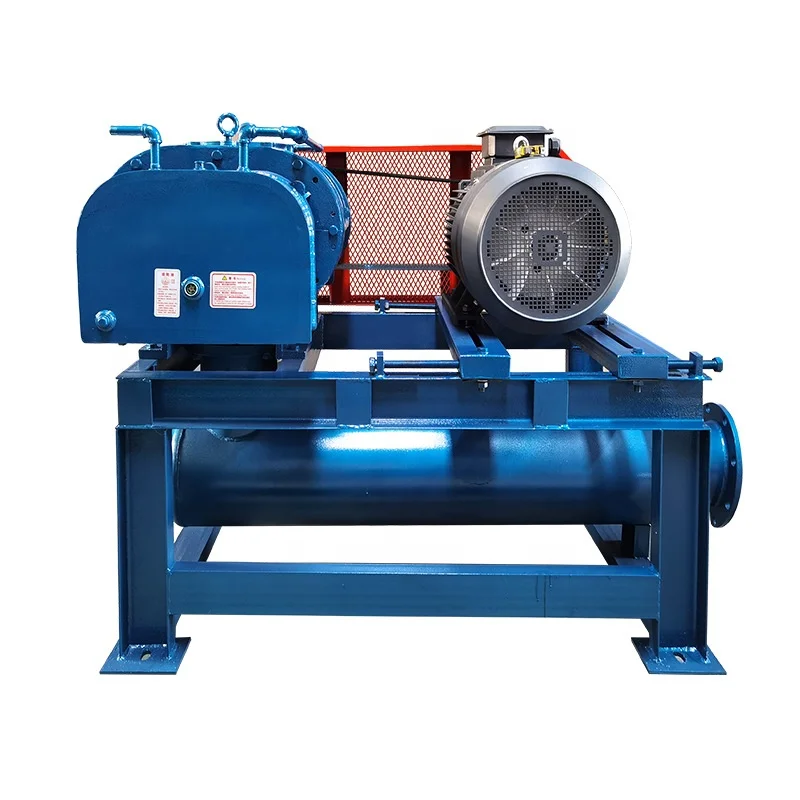
Aeration stands as one of the most critical processes in wastewater treatment, environmental management, and industrial applications. An air blower serves as the backbone of effective aeration systems, delivering pressurized air to accelerate oxygen transfer and enhance operational performance. Understanding how an air blower improves aeration efficiency directly impacts treatment costs, environmental compliance, and system reliability in modern industrial facilities.
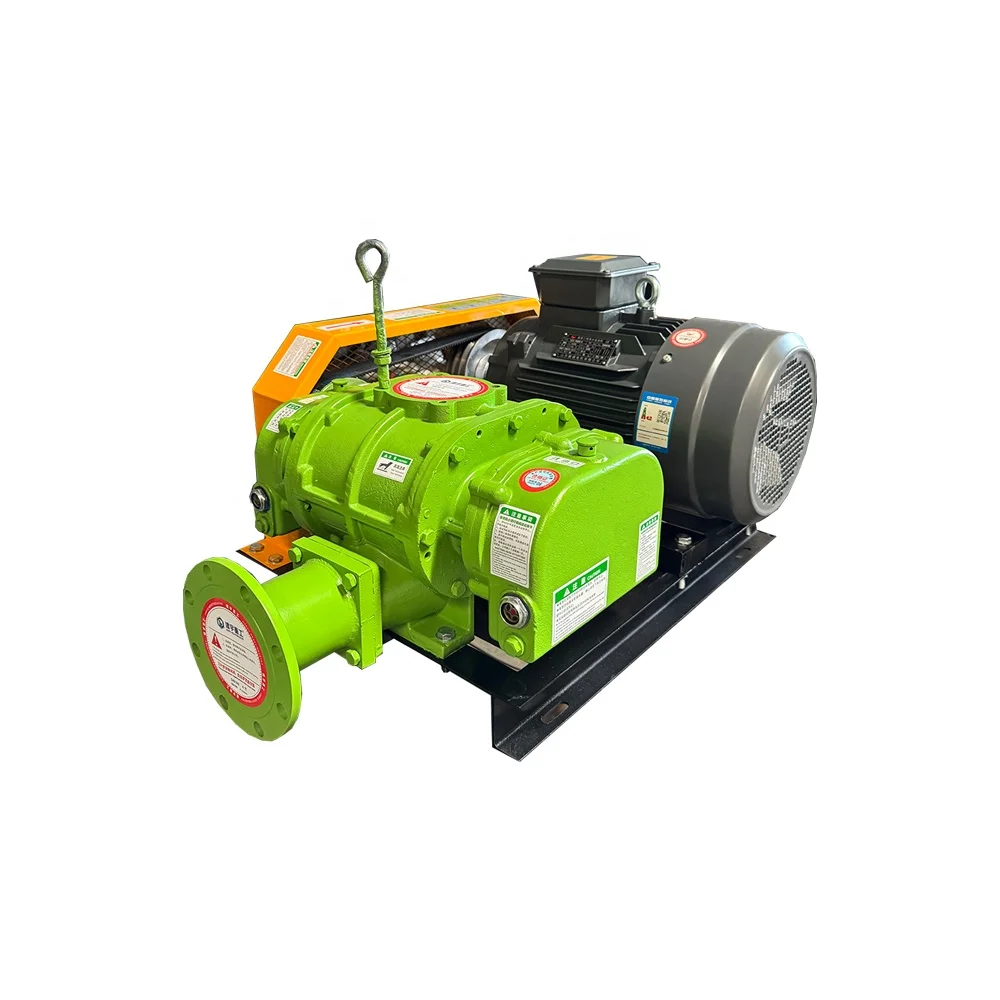
The efficiency gains from deploying an optimized air blower system extend far beyond basic oxygen delivery. Modern air blower technology enables facilities to reduce energy consumption by up to 30 percent while simultaneously increasing treatment capacity. By selecting equipment with appropriate air blower motor specifications and minimizing air blower noise level comparison concerns, operators create sustainable aeration solutions that balance performance, cost, and environmental responsibility within their operational constraints.
How an Air Blower Enhances Oxygen Transfer
Mechanismof Pressurized Air Delivery
An air blower operates by drawing ambient air and compressing it into a pressurized stream directed into treatment vessels or aeration tanks. This pressurized air creates fine bubbles that distribute oxygen throughout the liquid medium, dramatically increasing the surface area available for gas exchange. The fundamental principle is straightforward: higher pressure and controlled flow rates ensure more efficient oxygen dissolution compared to passive diffusion methods or undersized equipment.
The aeration efficiency improvement depends directly on the air blower's ability to maintain consistent pressure and volume across varying operating conditions. Positive displacement air blower designs deliver fixed volumes per revolution, ensuring reliable performance regardless of downstream resistance changes. This mechanical consistency prevents performance degradation and maintains steady oxygen transfer rates essential for stable treatment processes.
Volume and Pressure Optimization
Operators must match the air blower displacement to specific aeration requirements, which vary significantly based on wastewater composition, tank geometry, and treatment objectives. An undersized unit struggles to meet dissolved oxygen targets, while oversized equipment wastes energy and creates unnecessary operating expenses. Selecting a portable air blower for cleaning and maintenance applications alongside the primary aeration unit provides operational flexibility and extends system reliability during peak demand periods.
Pressure specifications directly influence bubble size and distribution patterns within treatment tanks. Higher pressure creates smaller, more uniform bubbles that penetrate deeper into liquid, improving contact time and oxygen absorption efficiency. Air blower motor specifications must therefore specify pressure ratings that align with tank depth and intended diffuser types to maximize oxygen transfer while minimizing excess energy expenditure.
Energy Efficiency and Operating Cost Reduction
Power Consumption Strategies
Energy represents the largest operational cost component in aeration systems, often accounting for 50 to 70 percent of total facility operating expenses. Modern air blower designs incorporate variable frequency drives and sophisticated motor control systems that adjust output based on real-time demand signals. This dynamic adjustment prevents unnecessary power draw during low-demand periods while ensuring full performance during peak treatment cycles, creating substantial cost savings over multiple operating years.
Selecting equipment with efficient air blower motor specifications proves critical for long-term cost reduction. High-efficiency motors with optimized bearing designs, advanced cooling systems, and precision manufacturing reduce friction losses and extend operating life. The relationship between motor efficiency and total system cost becomes clearer when annualized energy expenses are calculated, often justifying premium equipment investment within two to three years of operation.
Maintenance Impact on System Efficiency
Regular maintenance preserves air blower performance and prevents gradual efficiency decline. Bearing wear, seal degradation, and blade fouling progressively reduce output pressure and volume, forcing operators to increase running hours to maintain aeration targets. Portable air blower for cleaning applications allows operators to access and service components without complete system shutdown, reducing downtime and maintenance-related productivity losses.
Preventive maintenance programs reduce unplanned failures and associated emergency repair costs. Scheduled bearing replacement, seal inspection, and inlet filter cleaning maintain design specifications and ensure consistent aeration efficiency throughout the equipment lifecycle. Facilities implementing comprehensive maintenance protocols report 15 to 25 percent improvements in system reliability and substantially lower total cost of ownership.
Noise Considerations and Operational Context
Understanding Air Blower Noise Characteristics
Air blower noise levels vary considerably based on design type, operating speed, and mechanical construction methods. Positive displacement air blower units typically generate noise in the 80 to 90 decibel range at standard operating pressures, requiring proper installation practices and acoustic treatments in facilities located near residential areas. Air blower noise level comparison between competing products reveals significant variation, with some advanced designs incorporating noise-reducing inlet silencers and vibration isolation mounts that reduce output by 10 to 15 decibels.
Installation location and mounting practices dramatically influence perceived noise levels in surrounding environments. Facilities can mitigate noise concerns through enclosure design, vibration dampening pad installation, and strategic placement away from facility boundaries. Understanding local noise ordinances and facility-specific constraints helps operators select equipment configurations that meet regulatory requirements while maintaining performance targets.
Balancing Performance and Acoustic Impact
Some applications prioritize noise reduction over maximum efficiency, requiring careful equipment selection and system design. Slower-speed air blower units with larger displacement ratings often produce lower noise levels than high-speed, smaller-displacement alternatives delivering identical output. This design flexibility allows operators to customize installations matching specific facility noise restrictions without compromising aeration efficiency.
Advanced air blower motor specifications sometimes include variable frequency drives that reduce operating speed during off-peak hours, simultaneously decreasing noise emissions and energy consumption. This multi-benefit approach addresses operational constraints while extending equipment lifespan and reducing environmental impact. Facilities balancing noise concerns with efficiency requirements find these adaptive systems deliver superior long-term value.
FAQ
What factors determine the right air blower size for a specific aeration system?
Proper sizing depends on wastewater volume, treatment target dissolved oxygen levels, influent characteristics, and tank geometry. Air blower motor specifications must match these parameters precisely. Undersized equipment fails to reach treatment targets, while oversized units waste energy. Professional system design incorporates safety factors and future capacity growth to ensure long-term reliability and performance across varying operational scenarios.
How do air blower noise level comparison findings influence facility site selection?
Noise levels directly impact facility feasibility in proximity to residential areas or sensitive environments. Understanding typical noise output for different equipment types allows operators to plan adequate acoustic mitigation measures. A portable air blower for cleaning may use quieter designs suitable for indoor placement, while primary aeration systems require outdoor installation and sound-dampening structures. Regulatory compliance and community relations depend on proper noise management during facility design and operation.
Can variable frequency drives improve efficiency without sacrificing aeration performance?
Yes, advanced controls allow air blower systems to optimize output matching real-time treatment demand. Variable frequency drives reduce speed during low-demand periods, decreasing energy consumption and noise emissions while maintaining adequate oxygen transfer. During peak demand, the system delivers full performance and capacity. This adaptive approach provides superior efficiency compared to fixed-speed units while ensuring treatment goals are consistently achieved.