
 EN
EN
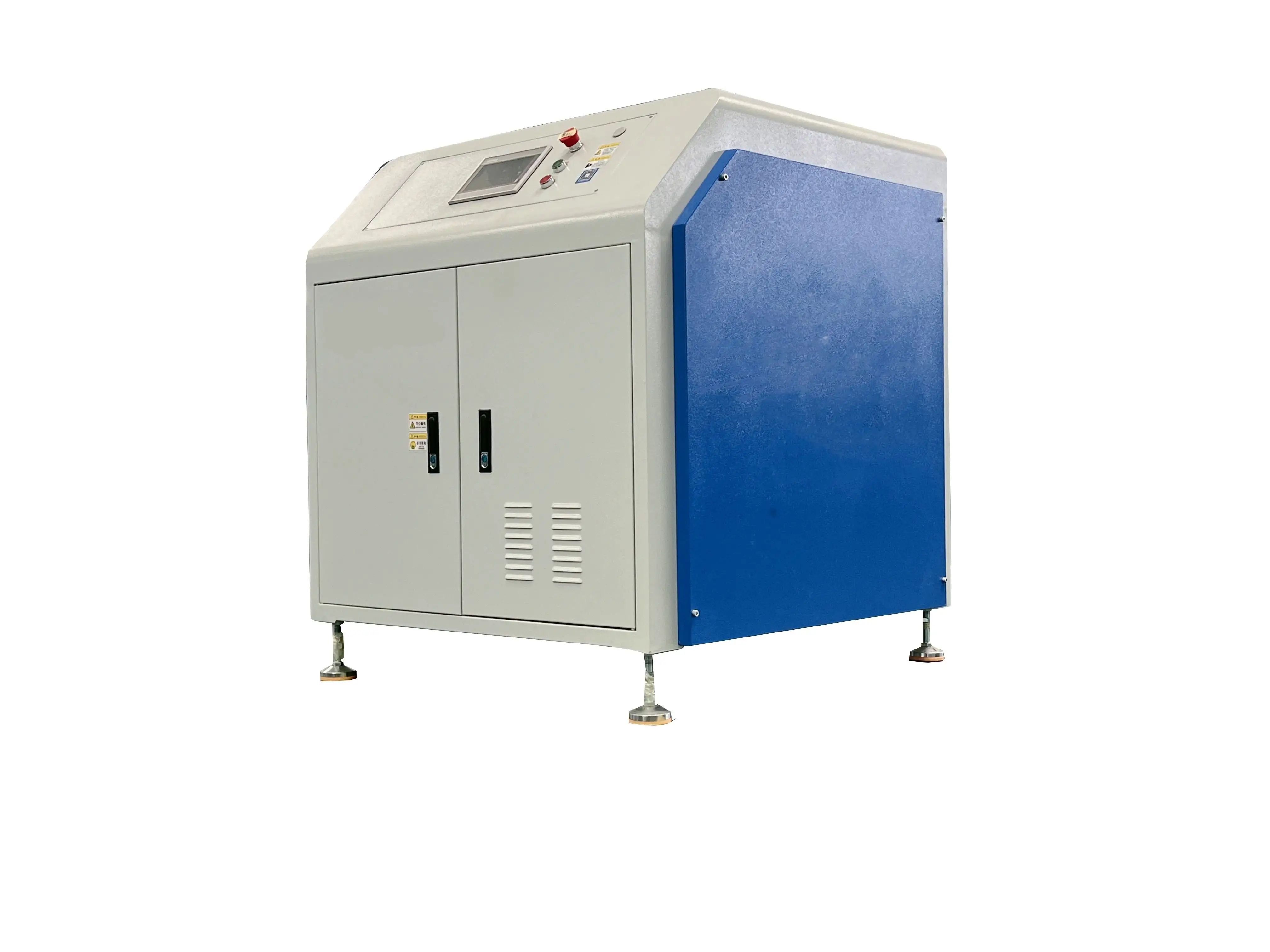
Selecting the right air handling equipment is critical when clean air requirements demand precision and reliability. An air bearing blower represents a significant advancement in achieving contamination-free operations across industrial and laboratory environments. Unlike conventional bearing systems that rely on mechanical contact, air bearing blowers operate on pressurized air films, eliminating friction-induced particle generation and delivering exceptionally clean discharge air. This technology directly addresses the growing demand for ultra-pure air in semiconductor manufacturing, pharmaceutical processing, food production, and precision engineering applications where even microscopic particles can compromise product quality or process integrity.
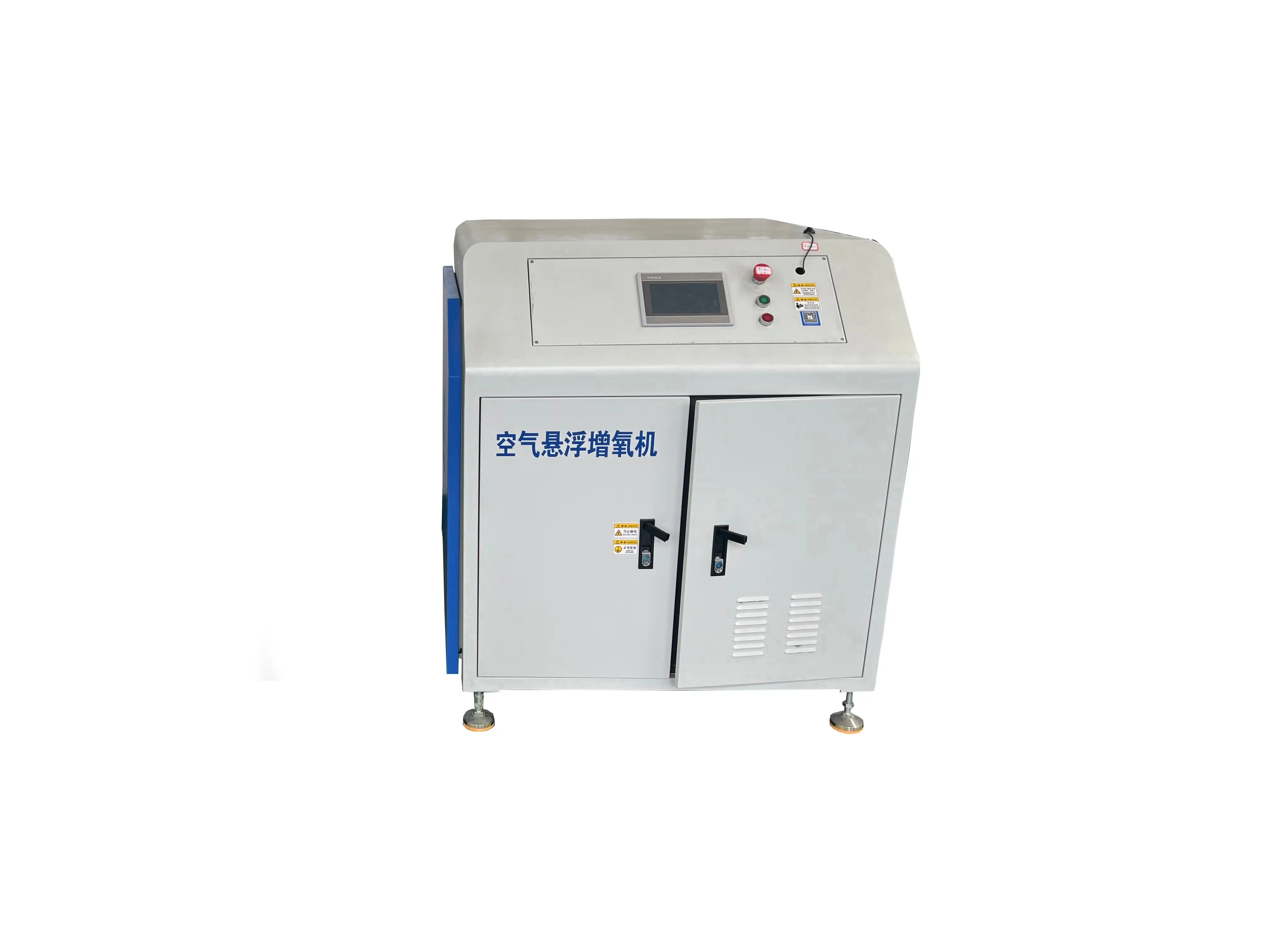
The choice to invest in an air bearing blower goes beyond simply moving air from one point to another. It represents a strategic decision to eliminate bearing wear debris, reduce maintenance costs, and extend equipment lifecycle while maintaining uncompromised air purity standards. Organizations operating under stringent contamination control protocols recognize that traditional ball or roller bearings shed particles that inevitably contaminate the airstream, requiring expensive downstream filtration and creating hidden operational risks. Modern spindle air bearing systems and pneumatic bearing technology have matured to the point where they deliver measurable performance advantages that justify their adoption in mission-critical applications where air quality directly impacts bottom-line results.
How Air Bearing Blower Technology Delivers Superior Cleanliness
Understanding Contactless Air Film Operation
An air bearing blower operates by suspending the rotor on pressurized air films rather than mechanical rolling elements. This contactless design eliminates the primary source of particulate contamination in traditional blower systems. The spindle air bearing system creates a thin, precisely controlled air gap between rotating and stationary components, allowing smooth rotation without any solid-to-solid contact. Since no mechanical wear occurs, no wear debris contaminates the discharged airstream. This fundamental difference transforms the cleanliness profile of the entire air delivery system, particularly benefiting applications where even trace contamination poses unacceptable risks to product quality, process yield, or regulatory compliance.
Pneumatic bearing technology maintains the air film thickness through precise pressure regulation and geometric design. The air pocket that suspends the rotor creates a natural damping effect that reduces vibration and noise, further improving operational stability. Because the rotor never touches bearing surfaces, mechanical failure modes common to ball or roller bearings are entirely absent. The spindle air bearing system therefore offers intrinsic reliability advantages that extend service intervals and reduce unplanned downtime. For facilities operating under just-in-time production schedules or continuous-duty pharmaceutical processes, this reliability translates directly into reduced operating costs and improved process predictability.
Particle Generation Prevention and Air Quality Assurance
Traditional bearing systems generate particles through multiple mechanisms: rolling element wear, cage degradation, raceway spalling, and lubrication breakdown. Even with sealed bearings and careful maintenance, microscopic particles inevitably escape into the airstream. A precision centrifugal blower equipped with air bearing technology eliminates these particle sources entirely. The contactless design means zero bearing wear, zero cage fragmentation, and zero lubricant particles entering the air pathway. This passive contamination prevention approach is fundamentally superior to filtration-based cleanup strategies, which always allow some particles to pass through or create pressure drop penalties that reduce blower efficiency.
The cleanliness advantage of an air bearing blower becomes especially pronounced in long-running applications where bearing degradation accumulates over time. While mechanical bearings gradually shed more particles as they age, air bearing systems maintain consistent cleanliness performance throughout their operational life. This consistency is critical for pharmaceutical clean rooms, semiconductor fabrication, and food processing facilities where air quality must remain stable across extended production runs. Organizations that adopt pneumatic bearing technology often report compliance improvements with ISO 14644 cleanroom classifications and reduced product defect rates directly attributable to elimination of bearing-sourced contamination.
Strategic Advantages and Operational Benefits
Cost Reduction Through Maintenance Efficiency and Extended Life
Operating expenses for blower systems extend well beyond purchase price. Traditional bearing-equipped blowers require regular lubrication, scheduled bearing replacement, and frequent filter changeouts to manage particle accumulation. A spindle air bearing system eliminates lubrication requirements entirely, removing one of the most recurring maintenance tasks. No bearing replacement intervals mean planned maintenance becomes minimal, reducing labor costs and facility downtime. The precision centrifugal blower design with air bearing technology often achieves service intervals of ten years or more without component replacement, compared to three to five year intervals typical for mechanical bearing systems. This longevity directly reduces total cost of ownership despite higher initial capital investment.
Energy efficiency also improves with air bearing blower technology. The absence of rolling element friction reduces parasitic energy losses within the bearing assembly. Combined with modern centrifugal impeller designs optimized for the bearingless platform, pneumatic bearing technology enables higher efficiency ratings that lower electrical consumption over the equipment's lifetime. Facilities consuming large volumes of compressed air benefit particularly from these efficiency gains. The cumulative savings from reduced maintenance labor, eliminated lubrication costs, extended intervals between major overhauls, and improved energy efficiency frequently justify the higher initial investment within three to five years of operation.
Risk Mitigation and Regulatory Compliance
Regulatory environments in pharmaceuticals, medical devices, and food processing continue tightening requirements for air quality documentation and traceability. An air bearing blower provides defensible evidence of contamination control through its inherent design rather than relying on procedural controls or downstream cleanup equipment. The spindle air bearing system creates an audit trail showing that your facility selected technology specifically designed to prevent particle generation at the source. This proactive approach resonates strongly with regulatory inspectors and quality assurance teams evaluating process robustness. FDA, EMA, and ISO standards increasingly emphasize engineering controls over procedural ones, making the passive contamination prevention offered by pneumatic bearing technology increasingly valuable from a compliance perspective.
Supply chain risk also decreases when adopting a precision centrifugal blower with air bearing technology. Bearing replacement schedules create inventory management challenges and potential supply chain disruptions. The extended service life and minimal maintenance requirements of air bearing systems reduce dependency on replacement parts availability. For organizations managing geographically distributed facilities or operating in regions with limited service infrastructure, this reduced maintenance burden becomes a significant operational advantage. The technology therefore enables more resilient operations less vulnerable to parts shortages or service delays that could interrupt critical air supply functions.
Implementation Considerations and Selection Guidance
Application Fit and Performance Matching
Not every air handling application benefits equally from an air bearing blower investment. Applications with extreme cleanliness demands—semiconductor clean rooms, injectable pharmaceutical manufacturing, and precision medical device assembly—represent ideal candidates where the technology delivers maximum return. These environments typically already justify sophisticated filtration systems and cleanroom infrastructure, making investment in source-level contamination prevention particularly logical. A spindle air bearing system proves most cost-effective in high-utilization scenarios where the equipment runs continuously or near-continuously, allowing maintenance cost savings and efficiency gains to accumulate rapidly. Facilities with dedicated compressed air systems already generating sufficient supply pressure to support pneumatic bearing technology find implementation more straightforward than operations requiring new compressor investment.
Performance characteristics of precision centrifugal blower designs often differ subtly from traditional mechanical bearing equivalents. Air bearing blowers typically operate at lower pressure differentials and higher speeds compared to conventional designs, achieving similar airflow through optimized aerodynamic efficiency. Organizations considering this technology should verify that existing ductwork, intake systems, and downstream equipment accommodate the slightly different performance profile. Working with equipment manufacturers to validate pressure drop, flow rate, and noise characteristics ensures seamless integration into existing systems. The transition to pneumatic bearing technology often coincides with system upgrades or relocations, providing convenient opportunities to optimize entire air handling architectures for enhanced cleanliness performance.
Investment Economics and Selection Criteria
Capital budgeting for an air bearing blower requires considering lifecycle cost rather than purchase price alone. While initial cost typically exceeds mechanical bearing equivalents by twenty to forty percent, the maintenance savings, extended service life, and energy efficiency gains often recover this premium within three to five years. Facilities with long-term commitment to current process locations and air quality requirements find the economic case most compelling. Organizations undergoing strategic process migrations or facing uncertain future air quality demands should carefully evaluate whether the higher initial investment aligns with their planning horizon. Quantifying expected maintenance savings, calculating energy cost differences, and estimating avoided downtime costs provides concrete financial justification for technology adoption. Many organizations find that formal lifecycle cost analysis transforms an air bearing blower from a capital expense burden into an attractive operational investment.