
 EN
EN
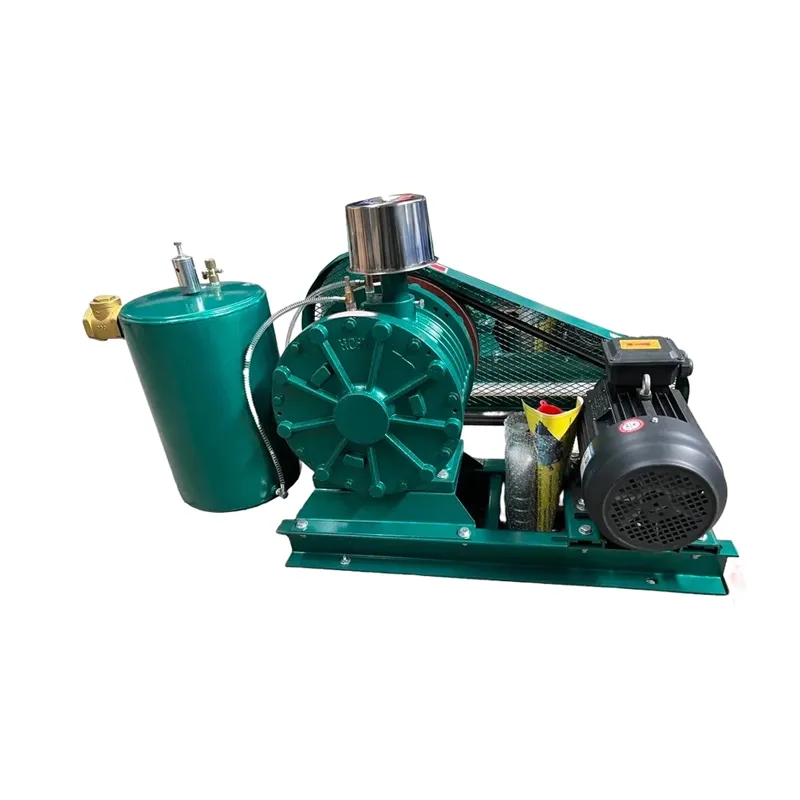
A rotary vane blower represents one of the most reliable solutions for applications requiring consistent, stable low-pressure air delivery. Unlike centrifugal alternatives that rely on velocity and momentum, this positive displacement technology ensures predictable performance across varying operational conditions. Industries from wastewater treatment to pneumatic conveying depend on this equipment for its ability to maintain steady flow rates and gentle pressure delivery without significant fluctuations.
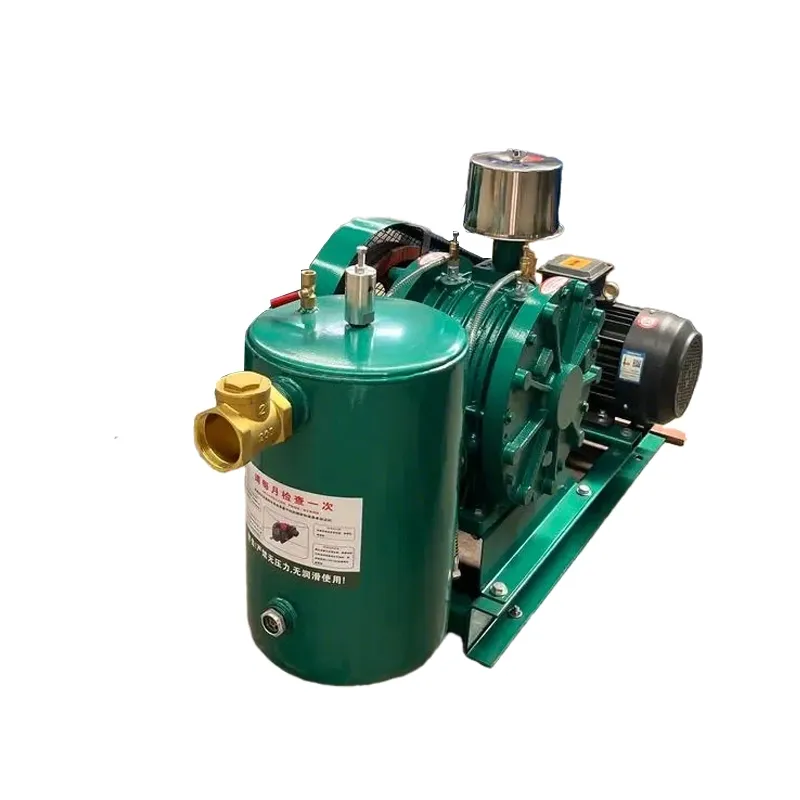
The stability and control offered by a rotary vane blower make it the preferred choice where process sensitivity demands reliable air handling. Whether managing aeration in biological treatment systems, supporting pneumatic transfer operations, or powering vacuum applications, this industrial air handling equipment specifications focus on positive displacement technology to eliminate pressure pulsation and deliver smooth, consistent airflow that sensitive downstream processes require.
Why Positive Displacement Technology Defines Low-Pressure Excellence
Understanding Positive Displacement Operating Principles
Positive displacement blower applications function by trapping fixed volumes of air during each cycle and forcing them through the discharge port with mechanical certainty. A rotary vane blower accomplishes this through rotating vanes housed in an eccentric chamber, creating expanding and contracting chambers that move air from inlet to outlet. This direct volumetric transfer means the blower delivers essentially the same flow regardless of downstream pressure variations, making it ideal for stable, predictable operations where centrifugal machines would struggle with load changes.
The mechanical precision of positive displacement technology eliminates the surge and instability common in other designs. Unlike dynamic blowers that change performance based on system pressure, a rotary vane blower maintains steady outlet conditions. This consistency proves essential in industrial air handling equipment specifications where process stability prevents equipment damage and ensures product quality.
Pressure Stability and Flow Consistency Benefits
Rotary vane blower maintenance and troubleshooting protocols emphasize this technology's durability advantage. The gentle, consistent pressure delivery reduces stress on downstream piping, valves, and process equipment. Applications handling delicate materials or requiring precise aeration find exceptional value in this smooth delivery profile. Low-pressure air systems benefit most from this characteristic because subtle pressure variations that would go unnoticed in high-pressure applications become critical factors in gentle, sustained aeration or transfer operations.
The inherent stability reduces peak pressures and protects equipment from damaging spikes. Industrial air handling equipment specifications consistently recommend rotary vane blower technology where process sensitivity and equipment longevity matter most.
Critical Applications Where Stability Becomes Non-Negotiable
Wastewater Treatment and Biological Process Aeration
Wastewater treatment plants depend on steady aeration to maintain microbial activity in biological reactors. A rotary vane blower delivers the consistent air supply these systems demand without the pressure fluctuations that disrupt biological processes. Positive displacement blower applications in aeration keep dissolved oxygen levels stable, preventing process upset and maintaining treatment efficiency. The gentle pressure profile also reduces energy waste compared to oversized centrifugal equipment running at partial capacity.
Rotary vane blower maintenance and troubleshooting in these environments emphasizes reliability because treatment plant downtime directly impacts environmental compliance and public health. The straightforward design enables field maintenance and part replacement without requiring specialized expertise.
Pneumatic Conveyance and Gentle Material Handling
Industries transferring fragile materials, powders prone to segregation, or products sensitive to pressure surges specify rotary vane blower technology specifically for flow stability. A rotary vane blower eliminates pressure spikes that cause material damage during pneumatic conveying. Positive displacement blower applications in material handling preserve product integrity while maintaining process throughput. The consistent low-pressure delivery allows system designers to optimize pipe sizing and minimize energy consumption.
Industrial air handling equipment specifications for powder processing, plastic granule transfer, and similar applications frequently mandate positive displacement technology to prevent product degradation and maintain consistency batch after batch.
Design Characteristics Supporting Stable Low-Pressure Delivery
Mechanical Construction and Pressure Control
The rotary vane blower construction features rotating vanes that slot into an eccentric rotor, creating expanding chambers during inlet and contracting chambers during discharge. This sequential chamber action generates smooth, pulsation-free flow. A rotary vane blower housing designed for low-pressure operation typically includes bypass or relief mechanisms that prevent excessive pressure buildup while maintaining consistent outlet conditions. Industrial air handling equipment specifications detail these pressure-limiting features that distinguish low-pressure configurations from high-pressure variants.
Rotary vane blower maintenance and troubleshooting focus on vane condition and rotor eccentricity because these components directly control pressure stability. Worn vanes reduce sealing efficiency and create pressure pulsation, signaling maintenance need. Regular inspection and timely seal replacement maintain the stable performance that makes this technology valuable for sensitive applications.
Energy Efficiency in Low-Pressure Service
A rotary vane blower operating at low pressure consumes less energy than oversized centrifugal machines delivering excess capacity. The positive displacement design eliminates pressure recirculation losses that plague other technologies. Positive displacement blower applications benefit from this efficiency because system designers can select equipment precisely matched to process requirements rather than oversizing for safety margin. Industrial air handling equipment specifications increasingly emphasize energy consumption metrics that favor rotary vane technology in low-pressure applications.
Operational stability also extends equipment life by reducing vibration, thermal stress, and component wear. This longevity advantage compounds economic benefits across the blower's service life.
Rotary Vane Blower Maintenance and Troubleshooting Essentials
Preventive Maintenance and Condition Monitoring
Maintaining a rotary vane blower requires attention to vane wear, oil condition, and seal integrity. Rotary vane blower maintenance and troubleshooting protocols recommend regular filter changes, oil analysis, and pressure monitoring to catch degradation early. Positive displacement blower applications demand these practices because performance decline happens gradually as internal components wear, potentially causing process instability before obvious failure occurs. Industrial air handling equipment specifications include maintenance intervals that ensure sustained performance.
Temperature monitoring proves particularly valuable for detecting developing problems. Excessive heat indicates inadequate cooling, seal degradation, or internal friction requiring attention before catastrophic failure.
Common Issues and Resolution Strategies
Pressure fluctuation despite proper system design often signals vane wear or rotor eccentricity problems. Rotary vane blower maintenance and troubleshooting address these through vane replacement and housing inspection. Positive displacement blower applications experiencing flow reduction may indicate blockage in the inlet filter or cooling passages. Industrial air handling equipment specifications for these systems include accessible maintenance points that enable quick diagnosis and correction.
Seal leakage causes the most common serviceability issues. The straightforward design of rotary vane blower technology allows operators to replace seals using basic tools, minimizing downtime and maintenance costs compared to complex alternative designs requiring specialized service expertise.
FAQ
What makes a rotary vane blower superior to centrifugal designs for low-pressure applications?
A rotary vane blower delivers consistent flow regardless of pressure changes because positive displacement technology mechanically traps and moves fixed air volumes. Centrifugal blowers depend on speed and system pressure to generate flow, causing performance variation as conditions change. This fundamental difference means a rotary vane blower maintains stable outlet conditions essential for sensitive processes, while centrifugal machines require oversizing to handle pressure variations. For low-pressure applications where stability matters more than peak capacity, the rotary vane design provides superior performance and efficiency.
How frequently should rotary vane blower maintenance occur in industrial operations?
Rotary vane blower maintenance and troubleshooting recommendations typically specify filter changes every 500–1000 operating hours depending on air quality, oil analysis every 1000 hours, and visual seal inspection quarterly. Operating environment significantly influences maintenance intervals; dusty facilities or those with moisture exposure require more frequent service. Most industrial facilities establish monthly walk-around inspections checking temperature, pressure, noise, and vibration as part of positive displacement blower applications management. Following manufacturer guidance and monitoring equipment condition ensures maximum reliability and prevents unexpected downtime in critical processes.
Can a rotary vane blower handle pressure variations without affecting downstream processes?
Yes, the fundamental advantage of positive displacement technology is pressure independence within design limits. A rotary vane blower maintains nearly constant flow delivery even as downstream resistance changes. This characteristic defines why positive displacement blower applications excel in sensitive operations; the blower output remains stable regardless of system blockage or load variation. However, operating beyond the design pressure rating risks seal failure and reduced performance. Industrial air handling equipment specifications detail the maximum pressure rating and relief valve settings that protect equipment while maintaining the stability that makes rotary vane technology invaluable for low-pressure applications requiring consistent, predictable performance.