
 EN
EN
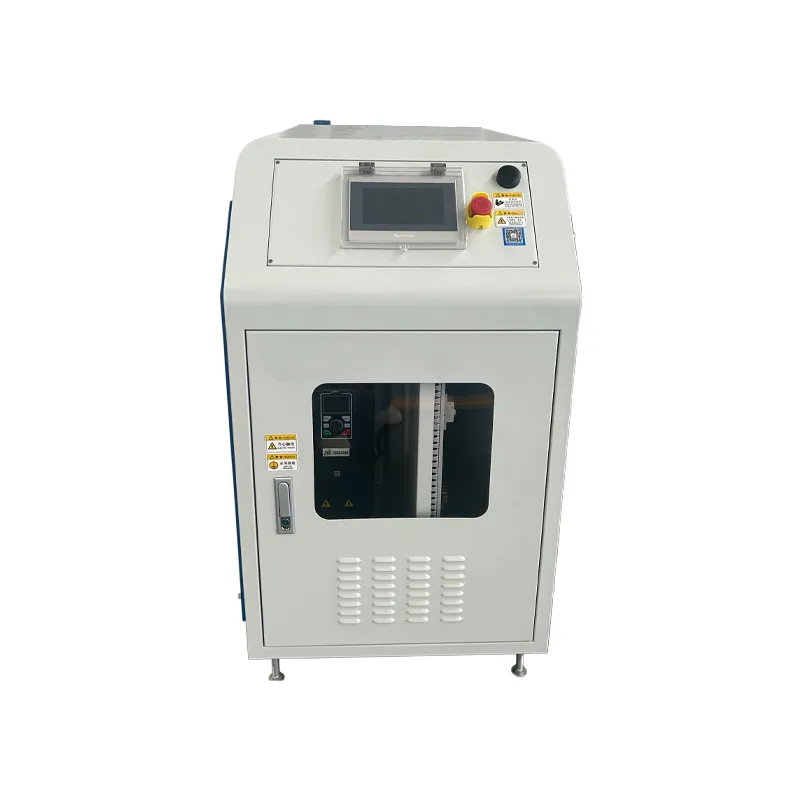
Industrial facilities worldwide are increasingly adopting air suspension blower technology as the foundation for their compressed air systems. This shift reflects a fundamental change in how manufacturing plants, processing centers, and production facilities approach pneumatic efficiency. The decision to upgrade to air suspension compressor noise reduction systems represents more than a simple equipment swap; it reflects a strategic investment in operational performance, workforce safety, and long-term cost management.
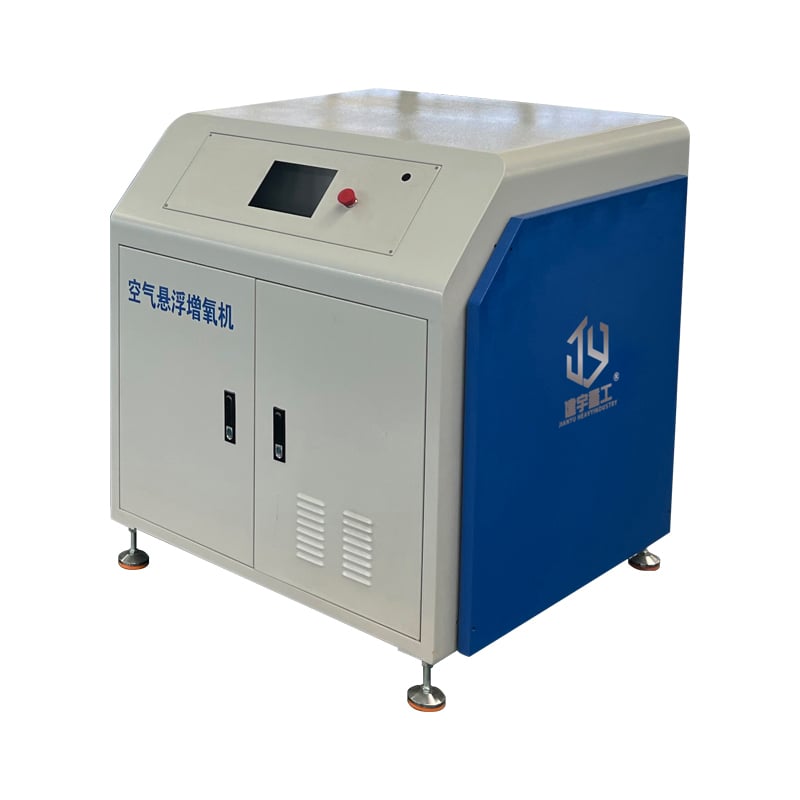
The transition to air suspension blower systems is driven by measurable advantages in reliability, operational noise levels, and system longevity. Organizations managing pneumatic suspension troubleshooting have discovered that modern air spring system maintenance demands become significantly less complex when integrated with contemporary blower architectures. Industrial project managers recognize that upgrading to advanced pneumatic suspension technology delivers tangible returns through reduced downtime, improved air quality, and lower maintenance overhead.
Noise Reduction and Workplace Compliance
Understanding Air Suspension Compressor Noise Reduction Benefits
Industrial facilities operate under increasingly strict workplace noise regulations. Air suspension compressor noise reduction represents one of the primary motivations driving technology adoption across manufacturing sectors. Traditional blower equipment generates excessive acoustic output that forces facilities to invest in secondary soundproofing infrastructure, operational scheduling adjustments, and employee hearing protection programs. Modern air suspension blower designs integrate dampening mechanisms, vibration isolation systems, and optimized impeller geometries that substantially lower operational noise without sacrificing airflow capacity.
Regulatory compliance has become a non-negotiable priority for facility managers. OSHA guidelines and occupational health standards mandate strict exposure thresholds for industrial workers. Advanced air suspension blower technology enables facilities to maintain full production capacity while remaining comfortably within permitted noise exposure limits. This compliance advantage translates directly into reduced liability exposure, improved worker retention, and enhanced facility reputation within manufacturing communities.
Operational Benefits Beyond Noise Control
Beyond acoustic performance, air suspension compressor noise reduction systems deliver secondary operational advantages. Lower mechanical vibration extends component lifespan, reduces structural stress on facility foundations and mounting systems, and minimizes acoustic transmission through building infrastructure. Facilities report measurably longer intervals between major maintenance events when implementing advanced air suspension blower technology, directly improving overall equipment effectiveness and reducing operational interruptions.
System Reliability and Maintenance Efficiency
Pneumatic Suspension Troubleshooting Complexity Reduction
Pneumatic suspension troubleshooting has traditionally consumed significant maintenance resources across industrial operations. Legacy blower systems require frequent diagnostic procedures, component replacements, and system recalibrations. Contemporary air suspension blower designs incorporate advanced monitoring capabilities, predictive maintenance algorithms, and diagnostic sensors that identify potential failures before they impact operations. This proactive approach fundamentally transforms how maintenance teams allocate resources and schedule preventive interventions.
Facility engineers implementing modern air suspension blower systems report dramatic reductions in emergency service calls and unplanned shutdown events. Predictive maintenance protocols derived from real-time system data enable maintenance teams to perform repairs during scheduled downtime rather than responding reactively to catastrophic failures. This operational predictability simplifies workforce planning, reduces emergency service costs, and enables more precise production scheduling.
Air Spring System Maintenance Streamlining
Air spring system maintenance represents a critical component of comprehensive pneumatic system management. Advanced air suspension blower technology integrates air spring components with optimized pressure regulation, automated drainage systems, and intelligent monitoring protocols. These integrated systems significantly reduce the complexity of routine maintenance procedures and extend service intervals beyond what legacy systems achieved. Facility maintenance teams can focus resources on high-priority tasks rather than managing recurring diagnostic procedures and component adjustments.
The streamlined air spring system maintenance approach associated with modern air suspension blower equipment results in measurable cost reductions. Fewer service calls, extended component intervals, and simplified diagnostic procedures combine to reduce total cost of ownership. Facilities implementing these advanced systems typically achieve maintenance cost reductions of fifteen to thirty percent within the first operational year, with continued improvements as teams develop expertise with the technology.
Energy Efficiency and Operational Economics
Power Consumption Optimization Through Air Suspension Blower Design
Industrial energy costs represent one of the largest controllable expense categories for manufacturing facilities. Modern air suspension blower technology incorporates efficiency improvements that reduce electrical consumption while maintaining or exceeding airflow and pressure targets. Variable frequency drives, optimized impeller designs, and improved motor technologies work in concert to match power consumption precisely to operational demand. This demand-responsive architecture eliminates the energy waste inherent in legacy systems that operate at constant capacity regardless of actual production requirements.
Facilities upgrading to contemporary air suspension blower systems consistently report energy consumption reductions ranging from twenty to thirty-five percent. These improvements translate directly to reduced utility bills, lower operational carbon footprint, and improved sustainability metrics. For facilities managing large-scale pneumatic operations, the annual energy savings frequently exceed the capital investment required for equipment replacement within three to five years.
Long-Term Cost of Ownership Analysis
Decision-makers evaluating air suspension blower technology must consider comprehensive cost of ownership calculations that extend beyond initial purchase price. When analyzing total operational expenses across equipment lifespan, including energy costs, maintenance labor, component replacement, and downtime expenses, advanced air suspension blower systems consistently demonstrate superior economic performance. Facilities performing detailed financial modeling typically identify breakeven points occurring well before the system reaches mid-life, with substantial cost advantages accumulating during later operational years.
The economic advantages of air suspension compressor noise reduction systems extend beyond direct operational metrics. Facilities implementing advanced technology often experience improved employee retention, reduced workers compensation claims related to noise exposure, and enhanced operational flexibility. These secondary benefits, while harder to quantify precisely, contribute significantly to overall organizational performance and justify investment in modern pneumatic suspension technology.
FAQ
What makes air suspension blower technology superior to conventional pneumatic systems?
Air suspension blower technology delivers advantages across multiple dimensions including acoustic performance, reliability, energy efficiency, and maintenance requirements. Modern systems integrate advanced materials, optimized component designs, and intelligent monitoring capabilities that legacy equipment simply cannot match. The combination of noise reduction, predictive maintenance, and energy efficiency creates a compelling value proposition that justifies upgrade investments for most industrial applications.
How does pneumatic suspension troubleshooting differ with modern air suspension blower systems?
Contemporary air suspension blower equipment incorporates intelligent diagnostics and monitoring sensors that identify problems before they become critical. Pneumatic suspension troubleshooting procedures become significantly less complex because systems provide detailed fault identification and performance data. Maintenance teams spend less time diagnosing problems and more time implementing targeted solutions, resulting in shorter repair intervals and reduced operational disruption.
What air spring system maintenance improvements should facilities expect?
Modern air suspension blower systems simplify air spring system maintenance through integrated pressure regulation, automated drainage, and advanced sealing designs. Facilities typically experience extended service intervals, reduced component replacement frequency, and lower maintenance labor costs. The simplified maintenance architecture associated with contemporary systems enables smaller maintenance teams to manage larger operational footprints without increasing overall service complexity.