 EN
EN
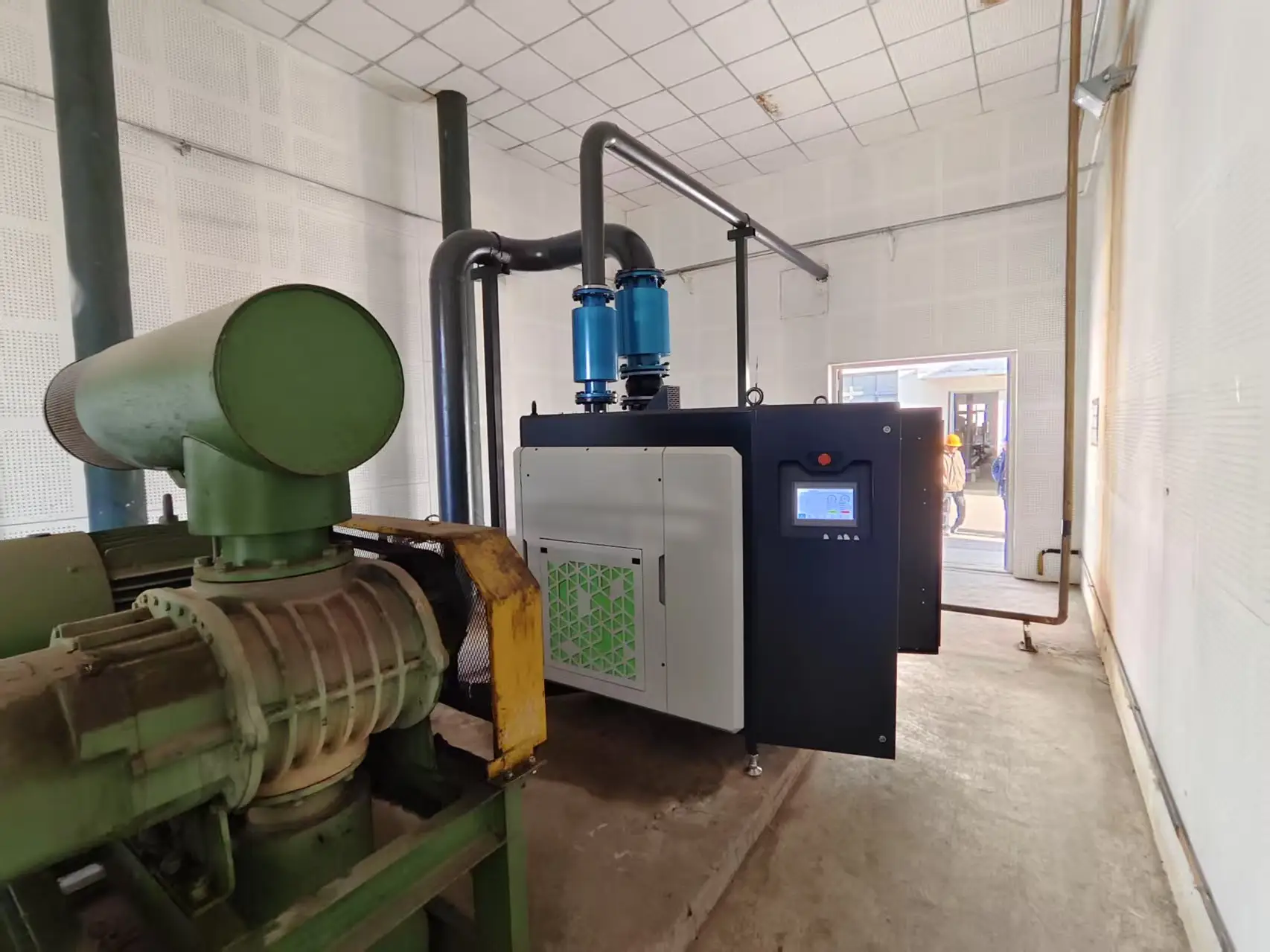
The industrial equipment landscape is shifting toward innovative technologies that prioritize reliability, efficiency, and sustainability. A magnetic levitation blower represents one of the most significant advancements in centrifugal air handling systems today. Unlike traditional mechanical bearings that require constant lubrication and maintenance, this technology uses magnetic suspension to eliminate contact between rotating and stationary components, fundamentally transforming how industries approach air compression and delivery.
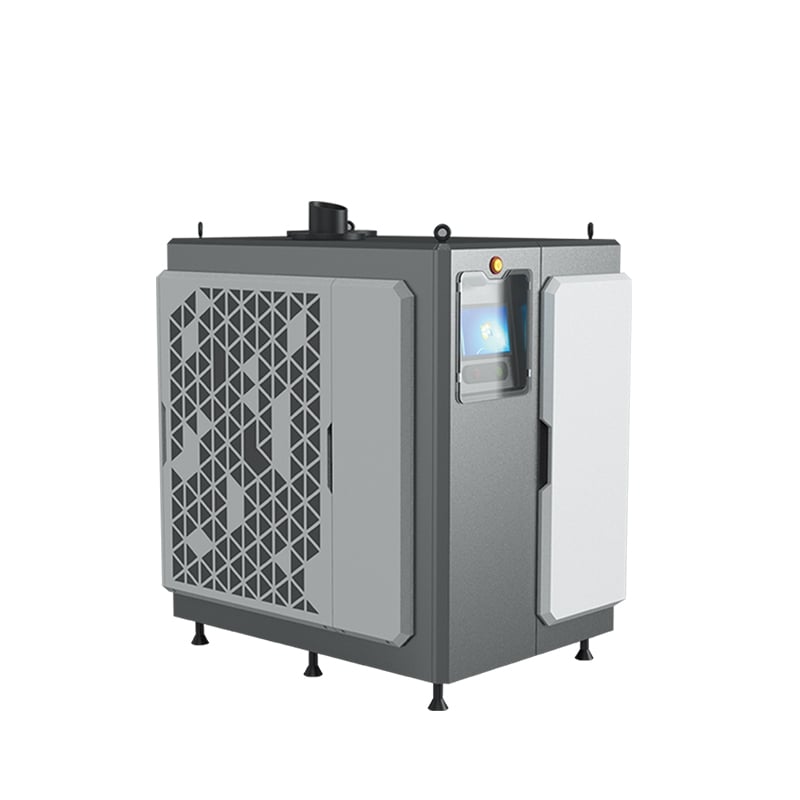
Industrial manufacturers and facility managers increasingly recognize that traditional bearing systems introduce friction, energy loss, and maintenance costs that accumulate throughout equipment lifespan. The adoption of contactless bearing technology for pumps and blowers has accelerated because it directly addresses these pain points. High-speed centrifugal fan efficiency improves dramatically when friction is removed from the equation, while oil-free air compression systems eliminate contamination risks in sensitive applications. Understanding why this technology is becoming mainstream requires examining the operational, economic, and environmental drivers reshaping industrial equipment selection.
Superior Energy Efficiency and Performance Gains
How Magnetic Suspension Reduces Energy Consumption
Traditional roller bearings and oil-lubricated systems inherently waste energy through friction and drag. Every rotation generates heat and requires continuous lubrication, consuming power that does not contribute to productive air compression. Magnetic levitation blower systems eliminate this parasitic energy loss by suspending the rotor on a magnetic field, creating zero-contact operation. The contactless bearing technology for pumps allows rotors to spin at significantly higher speeds without mechanical wear, directly increasing high-speed centrifugal fan efficiency compared to conventional designs.
Facilities operating magnetic suspension equipment report energy savings ranging from fifteen to thirty percent depending on application and duty cycle. The magnetic levitation blower achieves this through reduced drag, lower operating temperatures, and optimized aerodynamic pathways. When multiplied across eight thousand to twenty thousand annual operating hours typical in industrial settings, these efficiency gains translate into substantial cost reductions. High-speed centrifugal fan efficiency improvements also reduce cooling system requirements, creating secondary energy benefits throughout the facility infrastructure.
Extended Equipment Lifespan and Reduced Maintenance
Conventional bearing systems degrade continuously through microscopic metal contact, requiring replacement intervals typically ranging from two to five years depending on operating conditions and maintenance protocols. Oil-free air compression systems using magnetic levitation eliminate mechanical bearing wear entirely, extending functional equipment life to ten to fifteen years or more. The magnetic levitation blower requires no bearing lubrication, seal replacement, or routine wear-part servicing that characterizes traditional systems.
This durability advantage translates directly into reduced downtime and lower total cost of ownership. Facilities no longer need to maintain extensive spare parts inventories for bearing replacements, seals, and gaskets. The contactless bearing technology for pumps simplifies maintenance protocols, allowing operators to focus on core equipment function rather than managing degrading mechanical components. Predictive maintenance becomes more straightforward when the primary failure mechanisms present in traditional systems simply do not exist.
Environmental and Product Quality Advantages
Eliminating Oil Contamination and Environmental Risk
Oil-based lubrication in traditional bearing systems creates multiple environmental and operational challenges. Oil mist escapes into compressed air streams, contaminating end-use applications in pharmaceutical manufacturing, electronics production, food processing, and other sensitive industries. Environmental disposal regulations require proper handling of spent lubricant, creating compliance costs and potential liability exposure. The magnetic levitation blower eliminates these issues entirely through true oil-free operation achieved via contactless bearing technology for pumps.
Industries with strict purity requirements have become primary adopters of magnetic suspension technology. High-speed centrifugal fan efficiency in these applications includes not just energy performance but also product quality assurance. Compressed air purity becomes a natural outcome of the design rather than an achievement requiring additional filtration systems and monitoring. Oil-free air compression systems significantly reduce environmental liability, simplify compliance documentation, and eliminate contamination disputes with end customers who require certified clean air supplies.
Lower Noise and Vibration Characteristics
Magnetic levitation blower systems generate substantially lower noise levels than traditional bearing-based equipment. The absence of metal-to-metal contact eliminates the grinding sounds associated with conventional centrifugal fans. Facilities requiring equipment installation in office environments, hospitals, or other noise-sensitive locations benefit significantly from this characteristic. The magnetic suspension also reduces vibration transmission to building structures, eliminating costly isolation mounting systems and noise attenuation measures.
Lower vibration profiles have additional operational implications beyond comfort and regulatory compliance. Reduced mechanical stress on mounting structures and connected piping systems extends infrastructure lifespan and decreases maintenance frequency for ancillary equipment. The high-speed centrifugal fan efficiency includes this dimension of overall system reliability and durability. These combined advantages make magnetic suspension technology particularly attractive for retrofit applications in existing facilities where noise and vibration control represents a significant constraint.
Market Adoption Drivers and Industry Transformation
Regulatory Pressure and Sustainability Goals
Industrial facilities globally face increasing pressure to reduce energy consumption and minimize environmental footprint through regulatory requirements and corporate sustainability commitments. Equipment efficiency standards have tightened substantially over the past decade, eliminating the lowest-performing traditional systems from new installations in many markets. Magnetic levitation blower technology naturally meets and exceeds these standards, positioning it as the preferred choice for facilities pursuing net-zero goals and carbon reduction targets.
The contactless bearing technology for pumps enables oil-free air compression systems that align with waste reduction and circular economy principles increasingly embedded in supply chain requirements. Major industrial customers specify magnetic suspension equipment as a condition of supplier engagement, accelerating adoption across manufacturing networks. The magnetic levitation blower represents not just an efficiency upgrade but a strategic alignment with the regulatory environment and customer expectations shaping industrial equipment procurement decisions.
Total Cost of Ownership Economics
Initial capital costs for magnetic suspension equipment exceed traditional systems by approximately twenty to forty percent, but this investment recovers rapidly through operational savings. Energy consumption reductions, eliminated maintenance expenses, and extended equipment lifespan typically justify the capital premium within three to five years of operation. Facilities operating equipment continuously or in harsh environments experience even faster payback periods. The magnetic levitation blower transforms from a premium technology into an economically compelling standard choice when evaluated on total cost of ownership rather than initial purchase price alone.
This economic reality has triggered significant market expansion as procurement teams recognize the financial justification for magnetic suspension technology. High-speed centrifugal fan efficiency improvements directly reduce operational expense budgets, making facility managers enthusiastic adopters. As production volumes increase and manufacturing processes mature, capital costs for magnetic levitation blower systems continue declining, further accelerating market penetration. The technology transition follows the classic pattern of disruptive innovation becoming mainstream through demonstrated economic and operational superiority.
FAQ
How does contactless bearing technology for pumps improve reliability compared to traditional lubricated bearings?
Contactless bearing technology eliminates mechanical wear, lubrication degradation, and bearing failure mechanisms inherent to traditional systems. Without oil-based lubrication, contamination and seal failures disappear. The magnetic levitation blower experiences no bearing degradation over time, resulting in consistent performance and extended service intervals of ten to fifteen years or more compared to two to five years for conventional equipment. This fundamental reliability difference makes magnetic suspension technology particularly attractive for critical applications where downtime carries substantial costs.
What specific industries benefit most from oil-free air compression systems using magnetic levitation?
Pharmaceutical manufacturing, semiconductor production, food and beverage processing, and electronics assembly represent primary adopters of oil-free air compression systems. These industries require absolutely clean compressed air where oil contamination poses unacceptable product quality and regulatory compliance risks. The magnetic levitation blower naturally provides certified clean air as an inherent design feature. Medical device manufacturing, laboratory research facilities, and aerospace component production similarly depend on magnetic suspension technology to meet stringent purity and certification requirements that traditional systems struggle to guarantee consistently.
How significantly does high-speed centrifugal fan efficiency improve with magnetic levitation technology?
Energy efficiency improvements typically range from fifteen to thirty percent depending on specific application, operating pressure, and duty cycle characteristics. High-speed centrifugal fan efficiency gains emerge from multiple sources including reduced friction drag, elimination of bearing parasitic losses, higher achievable rotational speeds, and optimized impeller design enabled by magnetic suspension. These cumulative improvements compound across annual operating hours, creating substantial cost reductions and environmental benefits that make magnetic levitation blower systems economically superior to traditional alternatives over equipment lifespan.
Table of Contents
- Superior Energy Efficiency and Performance Gains
- Environmental and Product Quality Advantages
- Market Adoption Drivers and Industry Transformation
-
FAQ
- How does contactless bearing technology for pumps improve reliability compared to traditional lubricated bearings?
- What specific industries benefit most from oil-free air compression systems using magnetic levitation?
- How significantly does high-speed centrifugal fan efficiency improve with magnetic levitation technology?