
 EN
EN
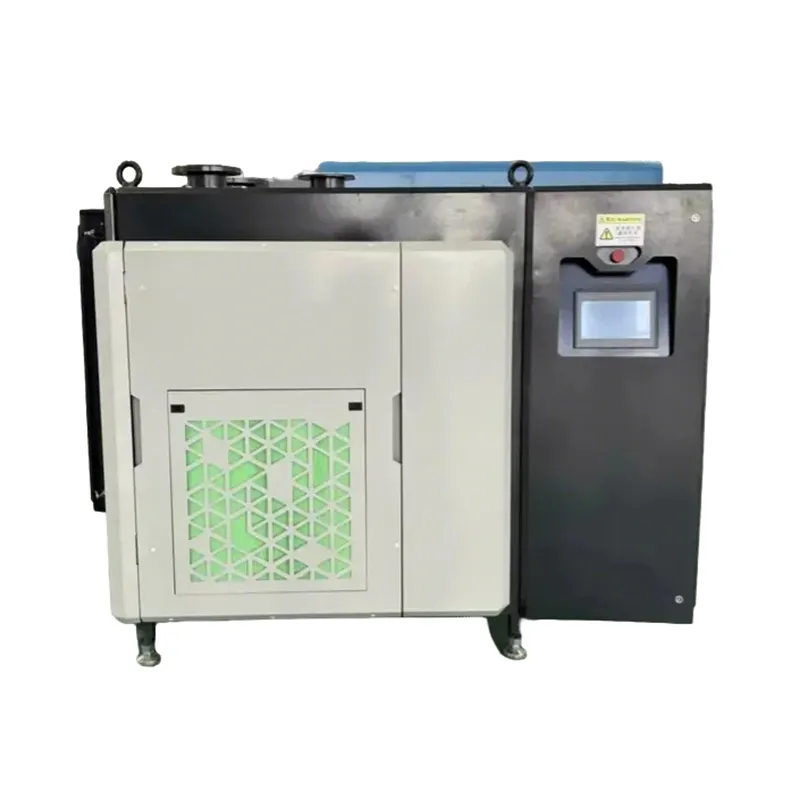
Ventilation system performance directly impacts operational efficiency, equipment longevity, and workplace safety across industrial facilities. A centrifugal blower represents one of the most effective technologies for achieving superior airflow management and system reliability. These robust machines convert rotational energy into kinetic energy, pushing air through complex ductwork with consistent pressure and minimal performance degradation over extended operational periods.
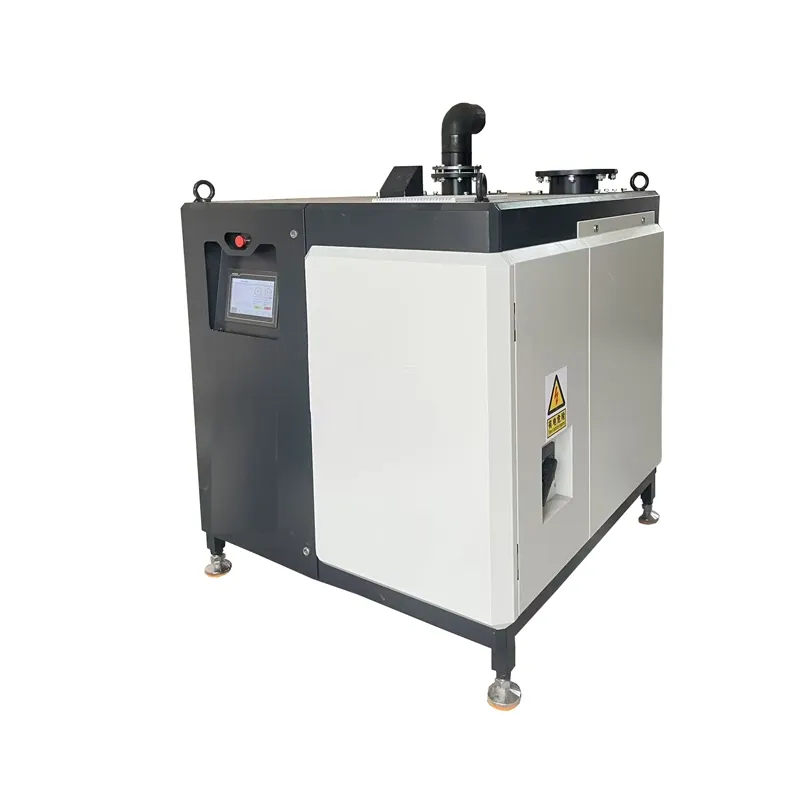
Industrial facilities depend on reliable ventilation to remove contaminants, regulate temperature, and maintain equipment performance standards. Selecting and implementing the right blower technology requires understanding how design features contribute to system efficiency. Centrifugal blower systems offer distinct advantages in pressure consistency, scalability, and long-term durability that make them preferred solutions across manufacturing, HVAC, and environmental control applications.
Optimizing Airflow and Pressure Consistency
How Centrifugal Blower Design Enhances System Pressure
Centrifugal blower units operate by accelerating air radially outward from a central impeller. This mechanical principle allows the blower to maintain uniform pressure delivery across varying load conditions, preventing the pressure fluctuations common in simpler blower designs. The curved impeller blade geometry converts rotational motion into sustained air velocity, ensuring consistent ventilation regardless of duct configuration complexity or resistance changes.
System performance improves significantly when pressure remains stable throughout operation. Inconsistent airflow creates dead zones in ductwork, reduces contaminant removal efficiency, and forces equipment to work harder than necessary. A properly selected centrifugal blower eliminates these inefficiencies by delivering predictable pressure curves that match facility requirements. This reliability reduces energy consumption while maintaining air quality standards essential for production environments.
Achieving Higher Velocity with Lower Energy Input
Centrifugal blower technology achieves superior air velocity through efficient energy conversion rather than raw motor power. The impeller design concentrates rotational force into directional airflow, reducing wasted energy as heat or vibration. This efficiency advantage translates directly to lower operational costs and reduced environmental impact compared to alternative ventilation technologies. Facilities operating centrifugal blower systems typically report 15 to 25 percent energy savings after system optimization and proper centrifugal blower selection and sizing.
Reducing Operational Noise and Vibration
Engineering Centrifugal Blower Noise Reduction Features
Excessive noise represents a significant operational challenge in industrial ventilation systems. Modern centrifugal blower designs incorporate multiple noise reduction strategies that dramatically lower decibel levels during standard operation. Blade geometry optimization, impeller balancing precision, and housing material selection work together to minimize turbulent air patterns that generate noise. These engineering improvements directly address one of the primary concerns facility managers face when implementing ventilation upgrades.
Centrifugal blower noise reduction extends beyond acoustic comfort to include equipment protection and regulatory compliance. Lower vibration levels reduce structural stress on ductwork, mounting hardware, and connected equipment. Facilities in noise-sensitive areas benefit substantially from blower systems designed with damping materials, flexible connections, and optimized impeller speed settings. Proper centrifugal blower selection and sizing prevents oversizing, which remains a common cause of unnecessary noise and energy waste.
Isolation and Mounting Solutions for Sound Control
Even well-designed centrifugal blower units require proper installation practices to achieve maximum noise reduction benefits. Vibration isolation mounts separate blower movement from building structure, preventing sound transmission through walls and floors. Strategic ductwork layout with flexible sections and acoustic liners further reduces noise propagation. Routine centrifugal blower maintenance and repair activities maintain these noise reduction systems, as wear in bearings or impeller imbalance can gradually increase operating noise levels. Professional installation and periodic service ensure noise benefits persist throughout the blower operational life.
Extending Equipment Life Through Maintenance
Preventive Centrifugal Blower Maintenance and Repair Protocols
Preventive maintenance represents the foundation of long-term centrifugal blower performance and reliability. Regular inspection of impeller blade surfaces, bearing conditions, and seal integrity prevents minor issues from escalating into major failures. Dust accumulation on impeller blades reduces efficiency and increases vibration, making routine cleaning a critical maintenance task. Facilities implementing structured centrifugal blower maintenance and repair schedules experience significantly fewer unexpected shutdowns and extend total equipment service life by 30 to 40 percent compared to reactive maintenance approaches.
Lubrication management and bearing monitoring form essential components of comprehensive blower maintenance programs. Proper bearing lubrication reduces friction, minimizes heat generation, and prevents catastrophic mechanical failure. Vibration analysis and thermal imaging identify developing problems before they impact system performance or safety. Centrifugal blower maintenance and repair expertise ensures technicians understand impeller dynamics, bearing compatibility, and material degradation patterns specific to centrifugal designs. Investing in professional maintenance training and regular service schedules protects facility investments and maintains consistent ventilation system performance.
Identifying When Repair or Replacement Becomes Necessary
Determining optimal repair versus replacement timing requires careful analysis of blower condition, remaining useful life, and facility performance requirements. Increased noise levels, reduced pressure output, or higher vibration measurements indicate internal wear requiring professional inspection. Centrifugal blower maintenance and repair costs must be weighed against replacement expenses and efficiency improvements newer units might provide. Facilities using older blower technology often discover that replacement with modern centrifugal units reduces energy costs sufficiently to justify equipment investment within 3 to 5 years, while simultaneously improving system performance and reliability metrics.
FAQ
What factors influence centrifugal blower selection and sizing accuracy?
Accurate centrifugal blower selection and sizing depends on calculating required airflow volume, system resistance, and operating pressure requirements. Facility layout, ductwork configuration, filter loading, and equipment heat sources all influence selection parameters. Professional load analysis ensures the chosen blower operates efficiently within its optimal performance range rather than running oversized or undersized. Correct centrifugal blower selection and sizing prevents energy waste, excessive noise, and premature equipment wear.
How often should centrifugal blower maintenance and repair activities occur?
Standard practice recommends centrifugal blower maintenance and repair inspections quarterly for critical applications and semi-annually for standard industrial ventilation. Specific intervals depend on operating hours, environmental conditions, and blower type. High-dust environments require more frequent impeller cleaning to maintain performance. Facilities should establish baseline vibration and noise readings during initial installation, then monitor changes to determine actual maintenance timing. Centrifugal blower maintenance and repair programs should include professional bearing inspection, seal assessment, and performance testing annually.
Can centrifugal blower noise reduction be retrofitted to existing installations?
Existing centrifugal blower systems can benefit from noise reduction retrofits including vibration isolation mounts, acoustic ductwork liners, and flexible connections. However, retrofits have limitations compared to designing noise reduction into new installations. Centrifugal blower noise reduction proves most effective when integrated during equipment selection and sizing stages. For facilities facing noise complaints, professional assessment determines whether retrofits suffice or replacement with optimized blower designs becomes more cost-effective long-term.