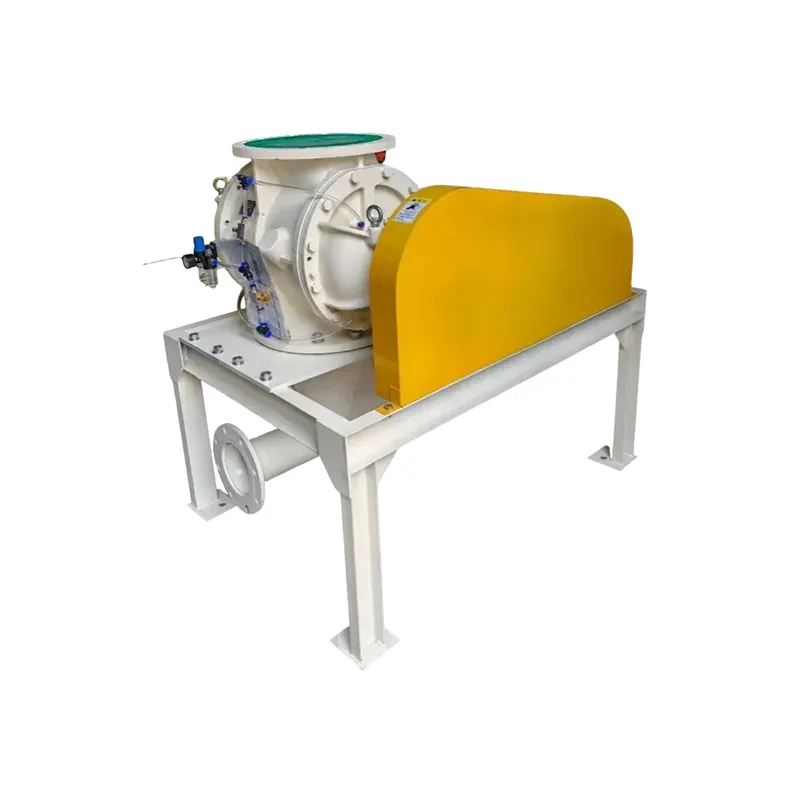
High-Performance Oxidation Air Blowers: Advanced Energy-Efficient Solutions for Industrial Applications

All Categories

oxidation air blower

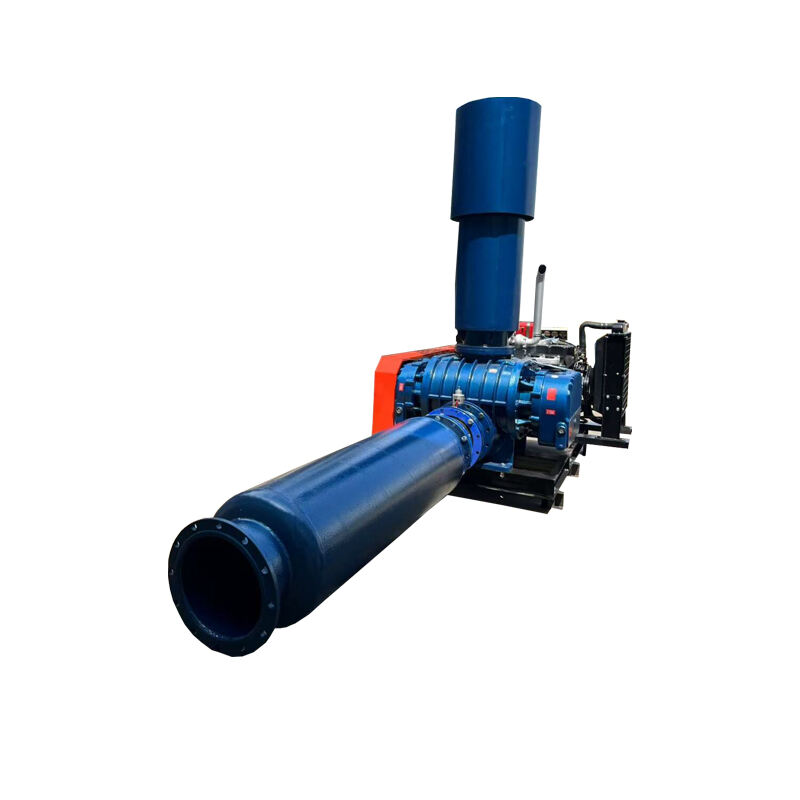
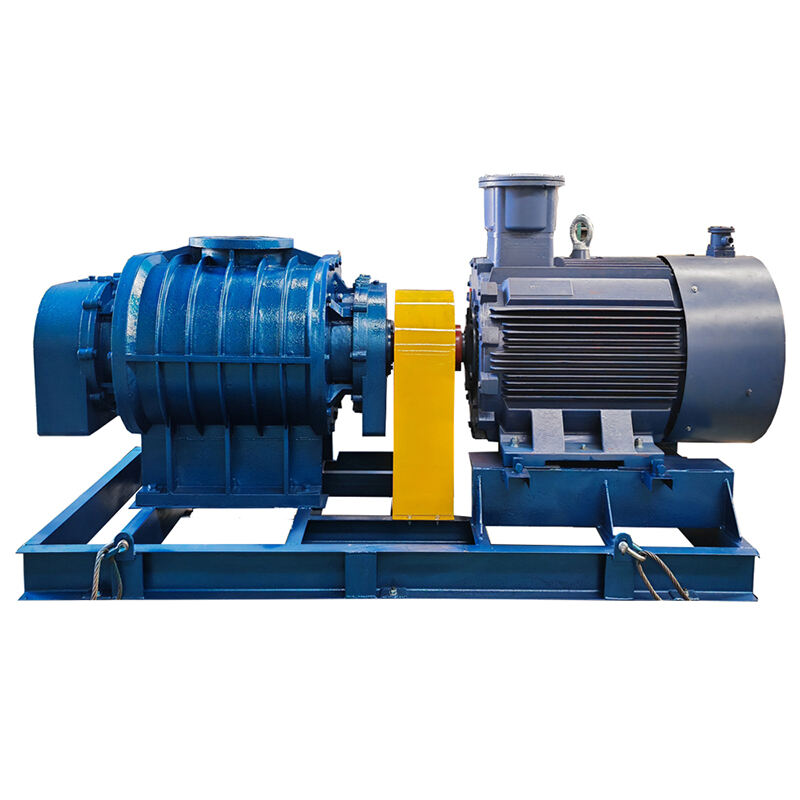
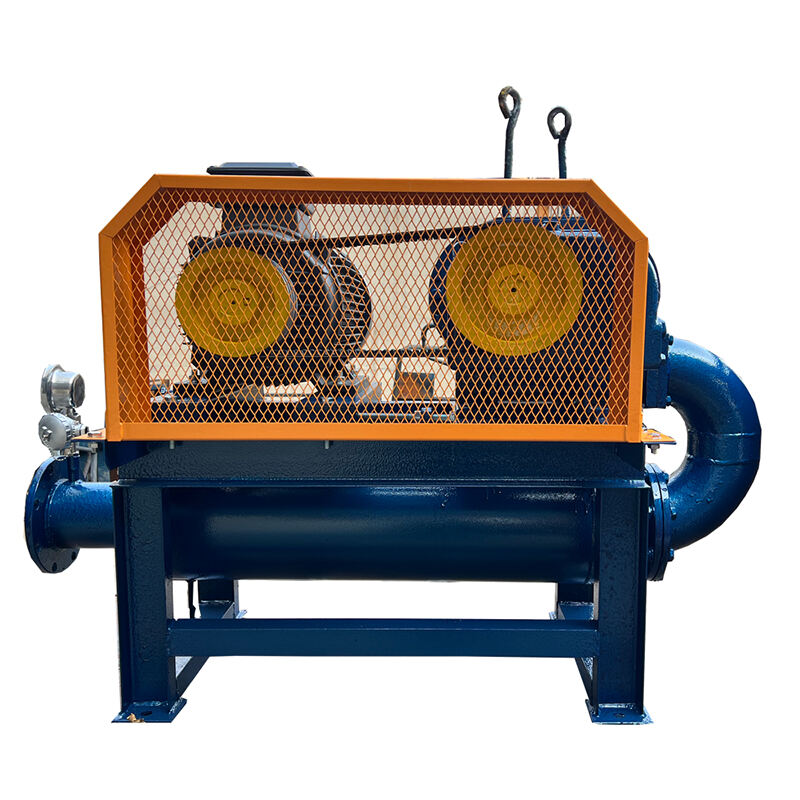
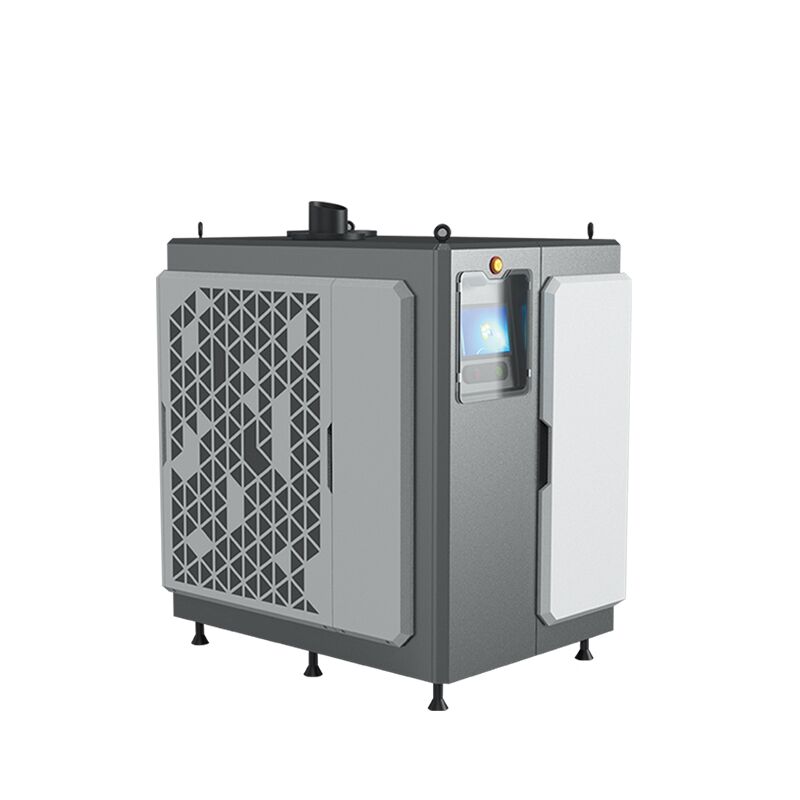
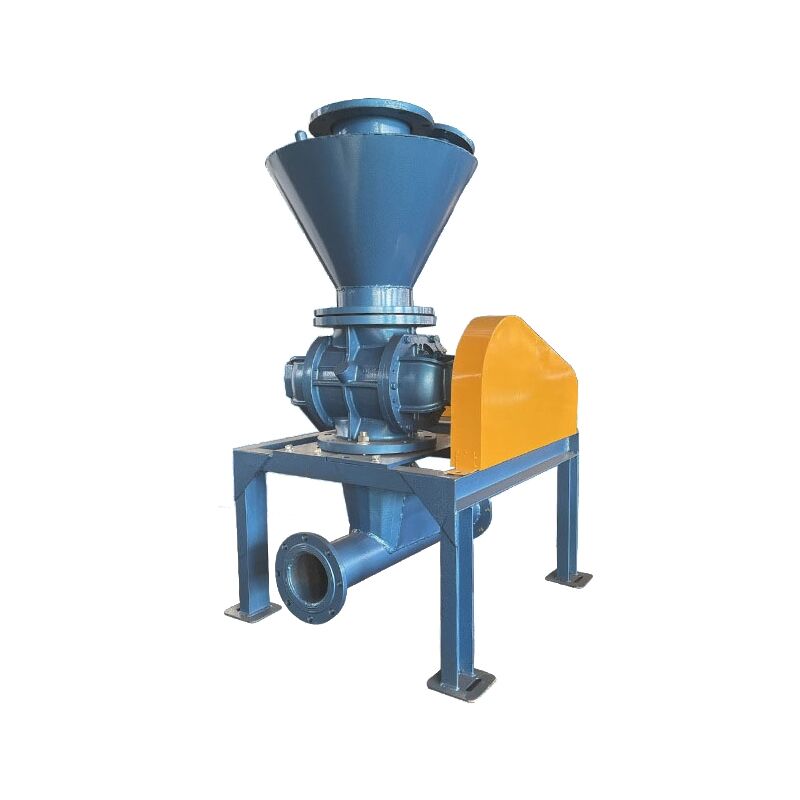
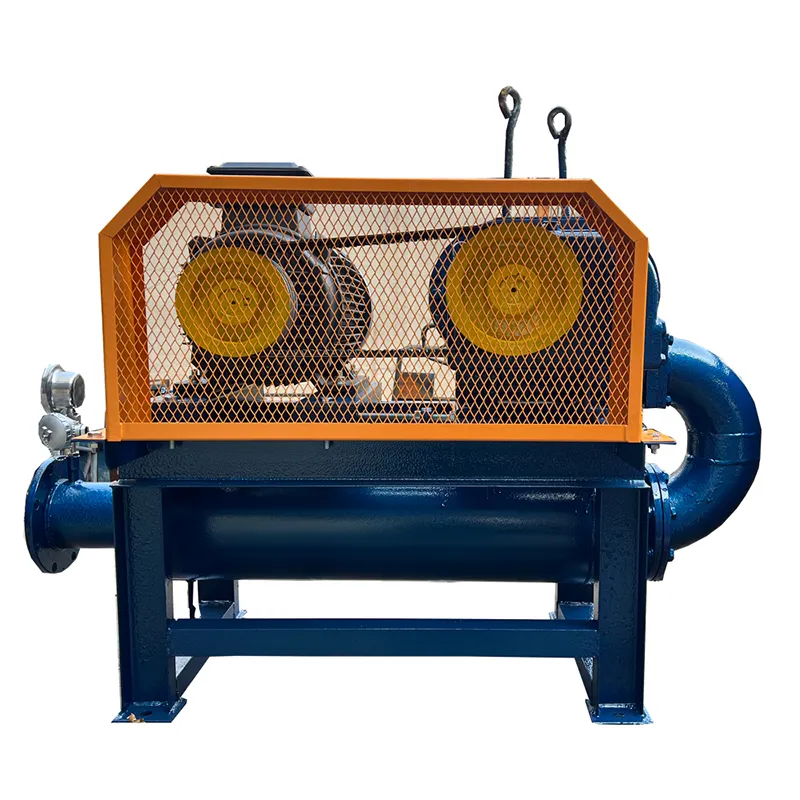
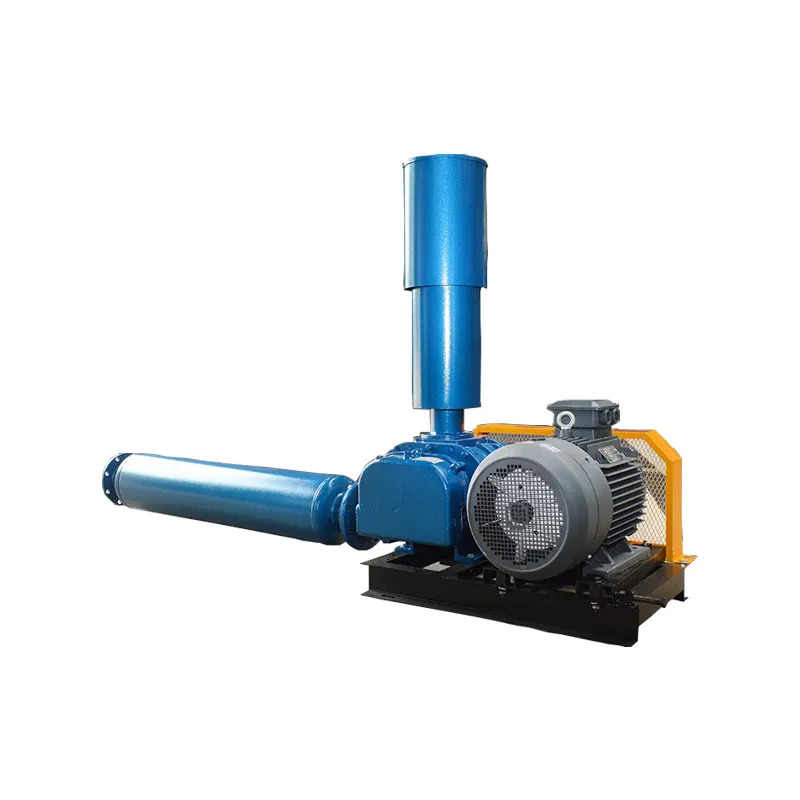
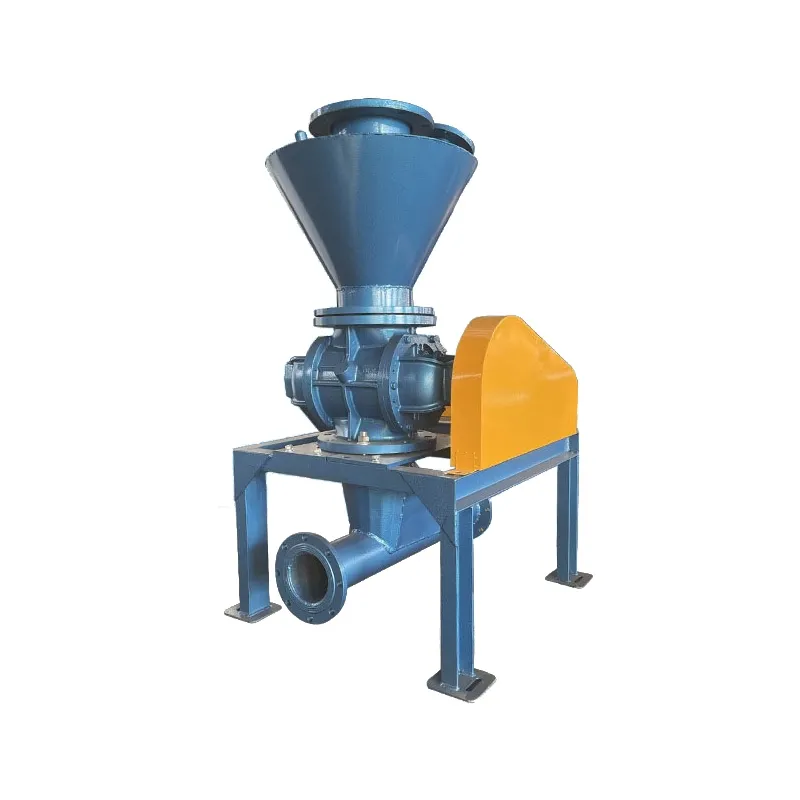
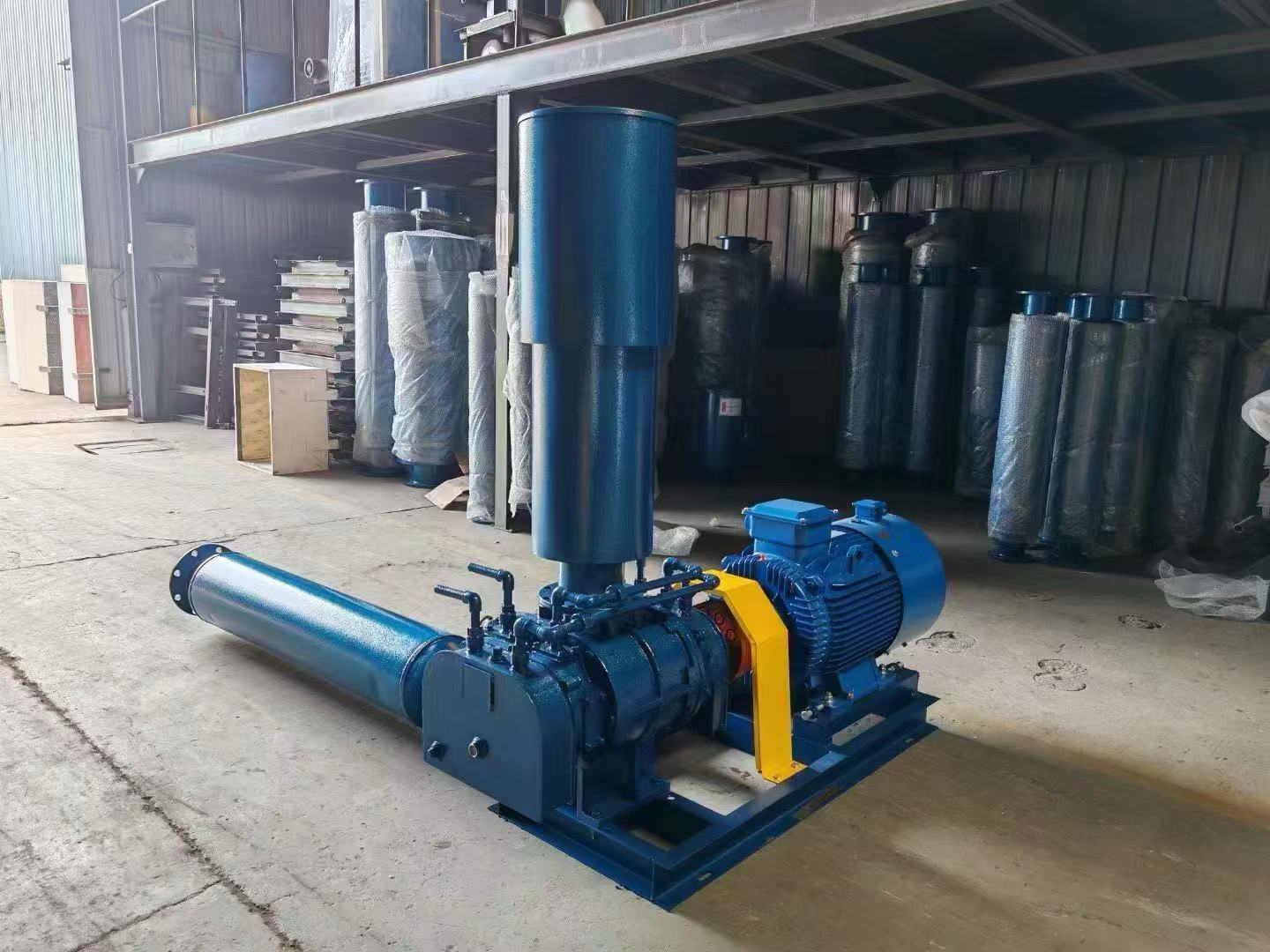
An oxidation air blower is a critical piece of industrial equipment designed to supply oxygen-rich air for various oxidation processes. This sophisticated machinery operates by generating high-pressure airflow that facilitates chemical reactions in industrial applications. The blower system comprises advanced impeller designs, precision-engineered housing, and smart control mechanisms that work in harmony to deliver consistent air supply. In wastewater treatment plants, these blowers play a vital role in the activated sludge process by providing the necessary oxygen for bacterial growth and organic matter decomposition. The equipment features variable frequency drives that enable precise control over airflow rates, allowing operators to optimize energy consumption while maintaining process efficiency. Modern oxidation air blowers incorporate noise reduction technology and thermal management systems to ensure reliable operation in demanding industrial environments. The robust construction includes corrosion-resistant materials and high-grade bearings that contribute to extended service life and reduced maintenance requirements. These blowers are designed to handle continuous operation while maintaining stable pressure levels and airflow rates, making them indispensable in applications ranging from municipal wastewater treatment to industrial oxidation processes.
New Product Recommendations

Oxidation air blowers offer numerous compelling advantages that make them essential in modern industrial operations. First and foremost, these systems deliver superior energy efficiency through advanced aerodynamic designs and intelligent control systems, resulting in significant cost savings over traditional air supply methods. The incorporation of variable speed technology allows for precise matching of air supply to process demands, eliminating waste and optimizing resource utilization. These blowers feature robust construction that ensures exceptional reliability and reduced maintenance requirements, minimizing downtime and operational disruptions. The systems excellent turndown capability enables flexible operation across varying load conditions, making them adaptable to changing process requirements. Advanced monitoring and control capabilities provide operators with real-time performance data, enabling proactive maintenance and optimal system operation. The compact design of modern oxidation air blowers requires minimal installation space while delivering maximum performance, making them ideal for facilities with space constraints. Environmental benefits include reduced noise emissions and lower carbon footprint through improved energy efficiency. The systems also incorporate advanced bearing technology and cooling systems that extend equipment life and reduce maintenance costs. Installation and integration capabilities allow for seamless incorporation into existing infrastructure, while smart control interfaces enable easy operation and monitoring. These advantages combine to deliver a superior return on investment through reduced operating costs, improved process efficiency, and enhanced reliability.

Practical Tips

How to Choose the Right Roots Blower for Industrial Use?

28

May

How to Choose the Right Roots Blower for Industrial Use?

View More
How Do You Maintain a Roots Blower for Long-Term Performance?

28

May

How Do You Maintain a Roots Blower for Long-Term Performance?

View More
What is a rotary feeder and how does it work?

28

May

What is a rotary feeder and how does it work?

View More
What are the main applications of rotary feeders?

28

May

What are the main applications of rotary feeders?

View More

Get a Free Quote

Our representative will contact you soon.
Email
Name
Company Name
Message
0/1000

oxidation air blower

Advanced Energy Management System

Advanced Energy Management System

The oxidation air blowers state-of-the-art energy management system represents a breakthrough in operational efficiency. This sophisticated system incorporates advanced algorithms that continuously monitor and adjust power consumption based on real-time demand. The intelligent control system features predictive analytics that optimize blower performance by anticipating load changes and adjusting output accordingly. This proactive approach to energy management can result in power savings of up to 30% compared to conventional systems. The system includes detailed energy monitoring capabilities that provide comprehensive usage data, enabling operators to identify opportunities for further optimization. Advanced thermal management features prevent energy waste through efficient heat dissipation, while smart start-up sequences minimize peak power demands.
Innovative Maintenance Technology

Innovative Maintenance Technology

The revolutionary maintenance technology integrated into modern oxidation air blowers sets new standards for reliability and serviceability. This system features advanced diagnostic capabilities that continuously monitor critical components, providing real-time alerts and predictive maintenance recommendations. The innovative design includes easily accessible service points and modular components that significantly reduce maintenance downtime. Smart sensors throughout the system track bearing temperatures, vibration levels, and other key parameters, enabling early detection of potential issues before they become critical. The maintenance system includes automated lubrication systems that ensure optimal performance while minimizing manual intervention requirements.
Environmental Protection Features

Environmental Protection Features

The environmental protection features incorporated into oxidation air blowers demonstrate a commitment to sustainable operation. Advanced noise reduction technology utilizes sophisticated acoustic engineering to minimize sound emissions, creating a better working environment and reducing community impact. The systems efficient operation results in significantly lower carbon emissions compared to traditional blower systems. Environmental sensors monitor air quality and system emissions, ensuring compliance with regulatory requirements while maintaining optimal performance. The design includes specialized filtration systems that prevent contamination and ensure clean air delivery, protecting both the equipment and the environment.