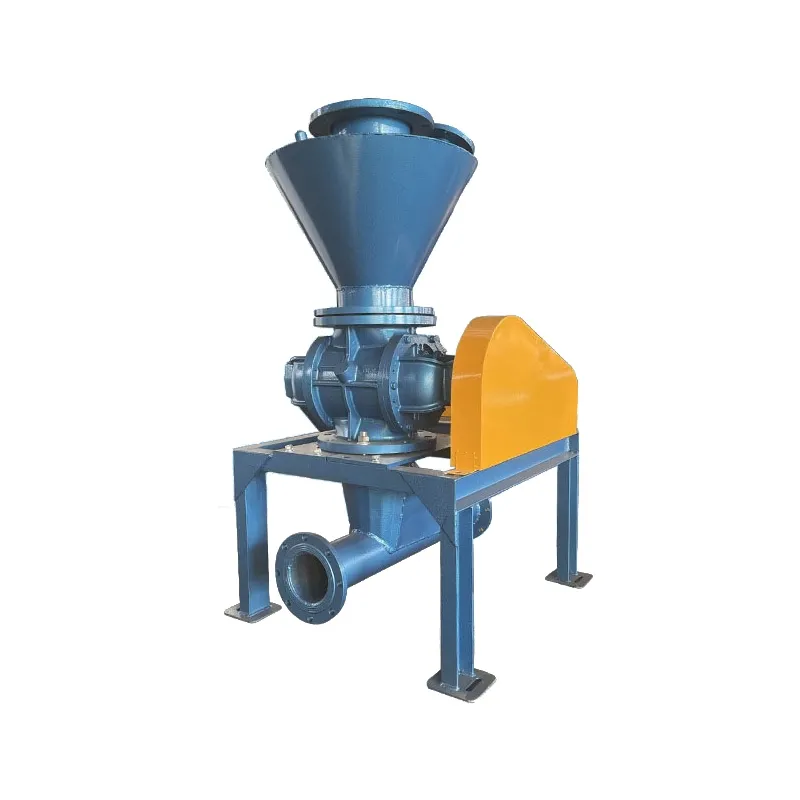
High-Performance Oxidation Blowers: Advanced Solutions for Industrial Aeration Systems

All Categories

oxidation blower price

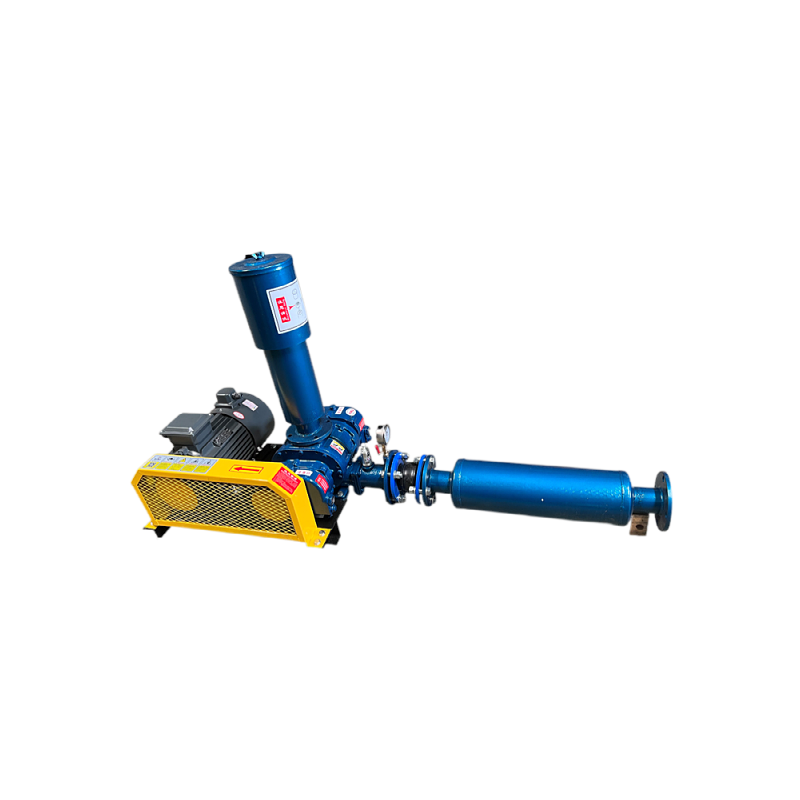
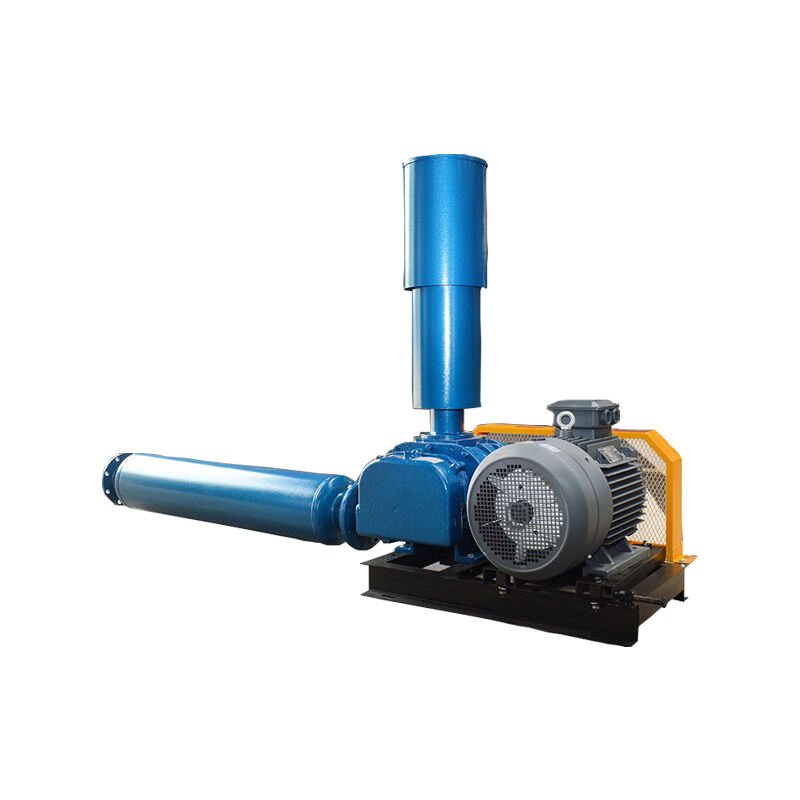
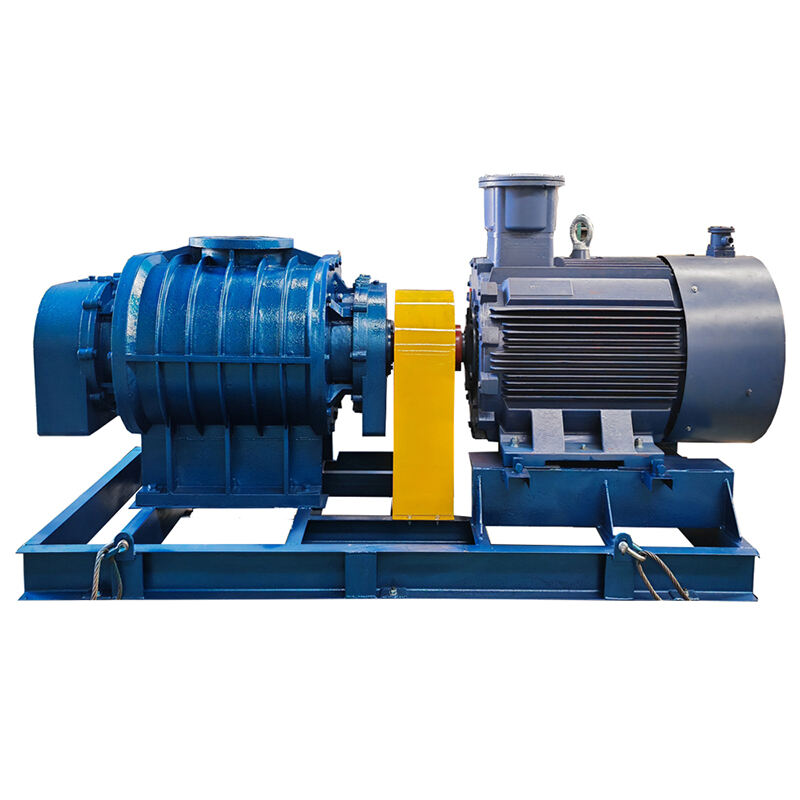
The oxidation blower price reflects a crucial investment in wastewater treatment and industrial processes. These essential machines are designed to inject air or oxygen into various systems, promoting oxidation reactions that are vital for numerous applications. Modern oxidation blowers incorporate advanced technologies, including variable frequency drives and precision-engineered impellers, ensuring optimal performance while maintaining energy efficiency. The price point varies depending on factors such as capacity, pressure requirements, and technological features. Manufacturers typically offer a range of models to accommodate different operational scales, from small municipal facilities to large industrial complexes. The construction quality, featuring corrosion-resistant materials and robust bearings, directly influences the price but also ensures long-term reliability and reduced maintenance costs. These blowers are equipped with sophisticated control systems that allow for precise adjustment of airflow rates and pressure levels, maximizing operational efficiency. When considering the oxidation blower price, it's essential to factor in not only the initial investment but also the long-term operational costs, including energy consumption and maintenance requirements. The market offers various options, from basic models suitable for standard applications to advanced units with enhanced features for specialized industrial processes.
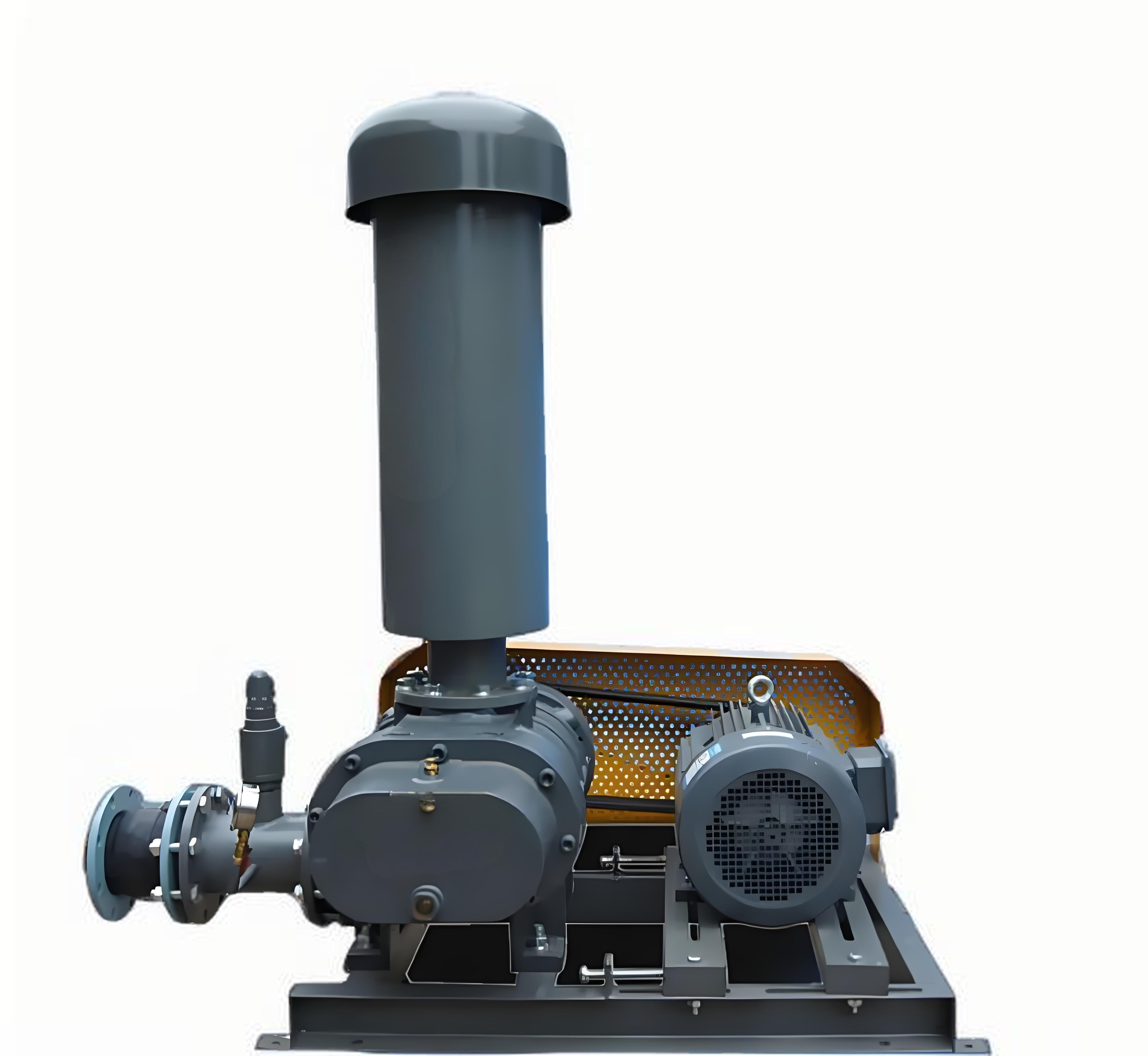
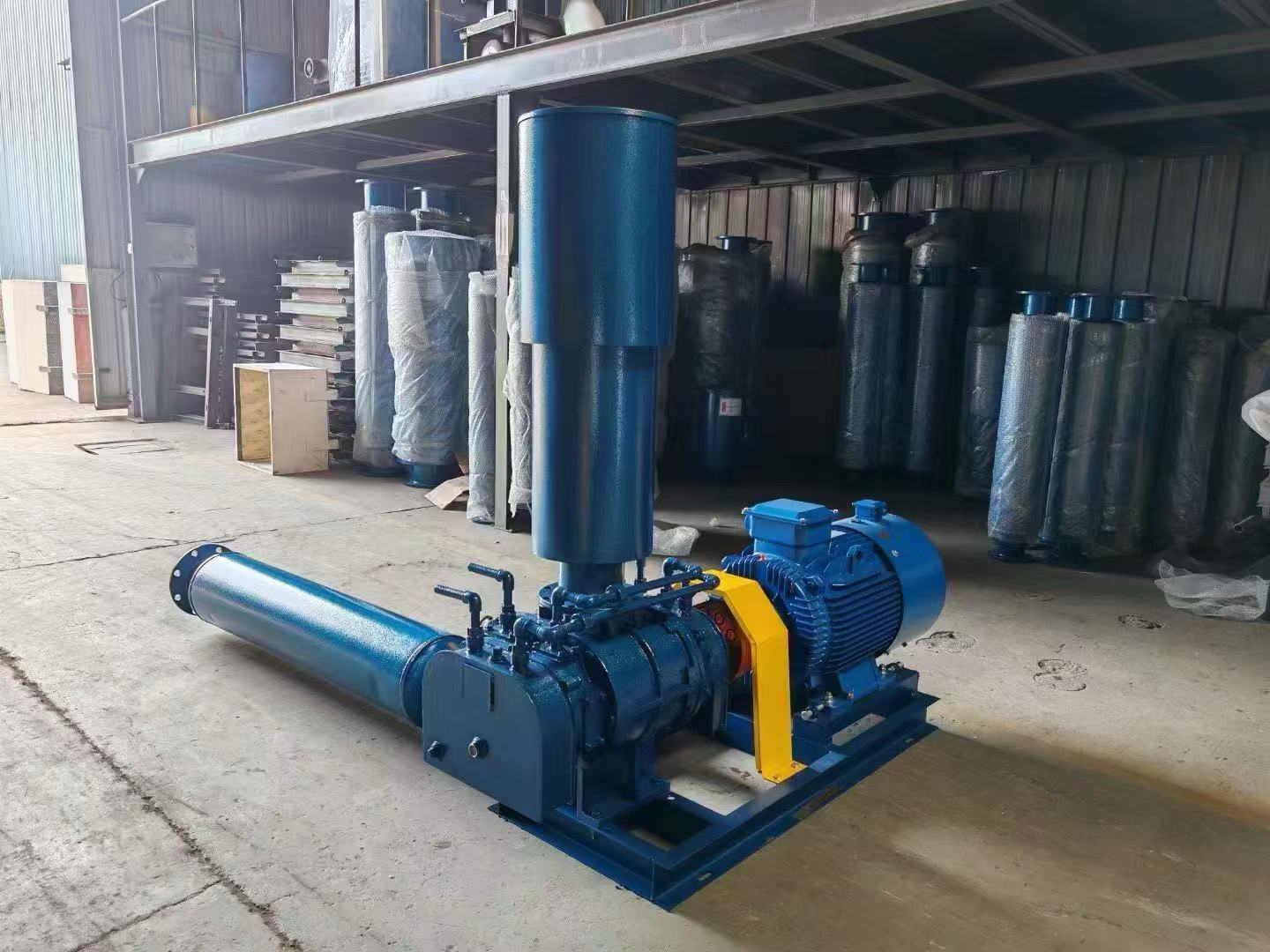
New Product Recommendations

The strategic pricing of oxidation blowers presents several compelling advantages for businesses and facilities seeking reliable aeration solutions. First, the cost-effectiveness becomes apparent through reduced energy consumption, as modern blowers incorporate energy-efficient motors and optimized aerodynamic designs. The pricing structure often includes comprehensive warranty coverage, protecting the investment while ensuring peace of mind for operators. Another significant advantage is the scalability of available options, allowing organizations to select models that precisely match their requirements without overinvesting in excess capacity. The price point typically reflects the inclusion of advanced monitoring systems that enable predictive maintenance, ultimately reducing unexpected downtime and repair costs. These blowers offer excellent return on investment through their durability and minimal maintenance requirements, often operating continuously for extended periods without issues. The pricing also considers the integration of user-friendly interfaces and automated controls, reducing the need for specialized operators and minimizing human error. Additionally, manufacturers often provide flexible financing options and comprehensive support packages, making the technology more accessible to a broader range of applications. The price structure usually includes training and technical support, ensuring optimal operation and maximizing the equipment's lifespan. Modern oxidation blowers are designed with future expansion in mind, allowing for easy upgrades and modifications as operational needs evolve.

Latest News

How to Choose the Right Roots Blower for Industrial Use?

28

May

How to Choose the Right Roots Blower for Industrial Use?

View More
What Benefits Do Roots Blowers Offer in Pneumatic Conveying?

28

May

What Benefits Do Roots Blowers Offer in Pneumatic Conveying?

View More
How Do You Maintain a Roots Blower for Long-Term Performance?

28

May

How Do You Maintain a Roots Blower for Long-Term Performance?

View More
What is a rotary feeder and how does it work?

28

May

What is a rotary feeder and how does it work?

View More

Get a Free Quote

Our representative will contact you soon.
Email
Name
Company Name
Message
0/1000

oxidation blower price

Cost-Effective Performance Optimization

Cost-Effective Performance Optimization

The pricing structure of oxidation blowers reflects a careful balance between initial investment and long-term operational benefits. Advanced models feature sophisticated control systems that automatically adjust output based on demand, significantly reducing energy consumption and operating costs. This intelligent operation ensures that facilities only use the necessary power, resulting in substantial savings over time. The integration of high-efficiency motors and precision-engineered components justifies the price point by delivering superior performance with minimal energy waste. These systems often include advanced monitoring capabilities that help prevent costly breakdowns and optimize maintenance schedules, further enhancing their cost-effectiveness.
Durability and Reliability Investment

Durability and Reliability Investment

The price of oxidation blowers encompasses robust construction using premium materials specifically chosen for their longevity and resistance to harsh operating conditions. This investment in quality materials and construction techniques results in equipment that maintains consistent performance over extended periods, reducing the frequency of replacements and repairs. The pricing includes features such as enhanced bearing systems, corrosion-resistant coatings, and reinforced housing designs that contribute to exceptional durability. These design elements ensure reliable operation even in challenging environments, making the initial investment worthwhile through reduced maintenance costs and extended service life.
Technological Innovation Value

Technological Innovation Value

The pricing of modern oxidation blowers reflects significant technological advancements that provide substantial value to operators. These innovations include advanced control systems with touchscreen interfaces, remote monitoring capabilities, and integration with facility-wide management systems. The investment covers sophisticated diagnostic tools that enable predictive maintenance and real-time performance optimization. The price point includes access to cutting-edge features such as variable frequency drives, smart pressure sensing, and automated adjustment systems that ensure optimal performance under varying conditions. These technological elements justify the cost by providing unprecedented levels of control, efficiency, and operational insight.