
 EN
EN
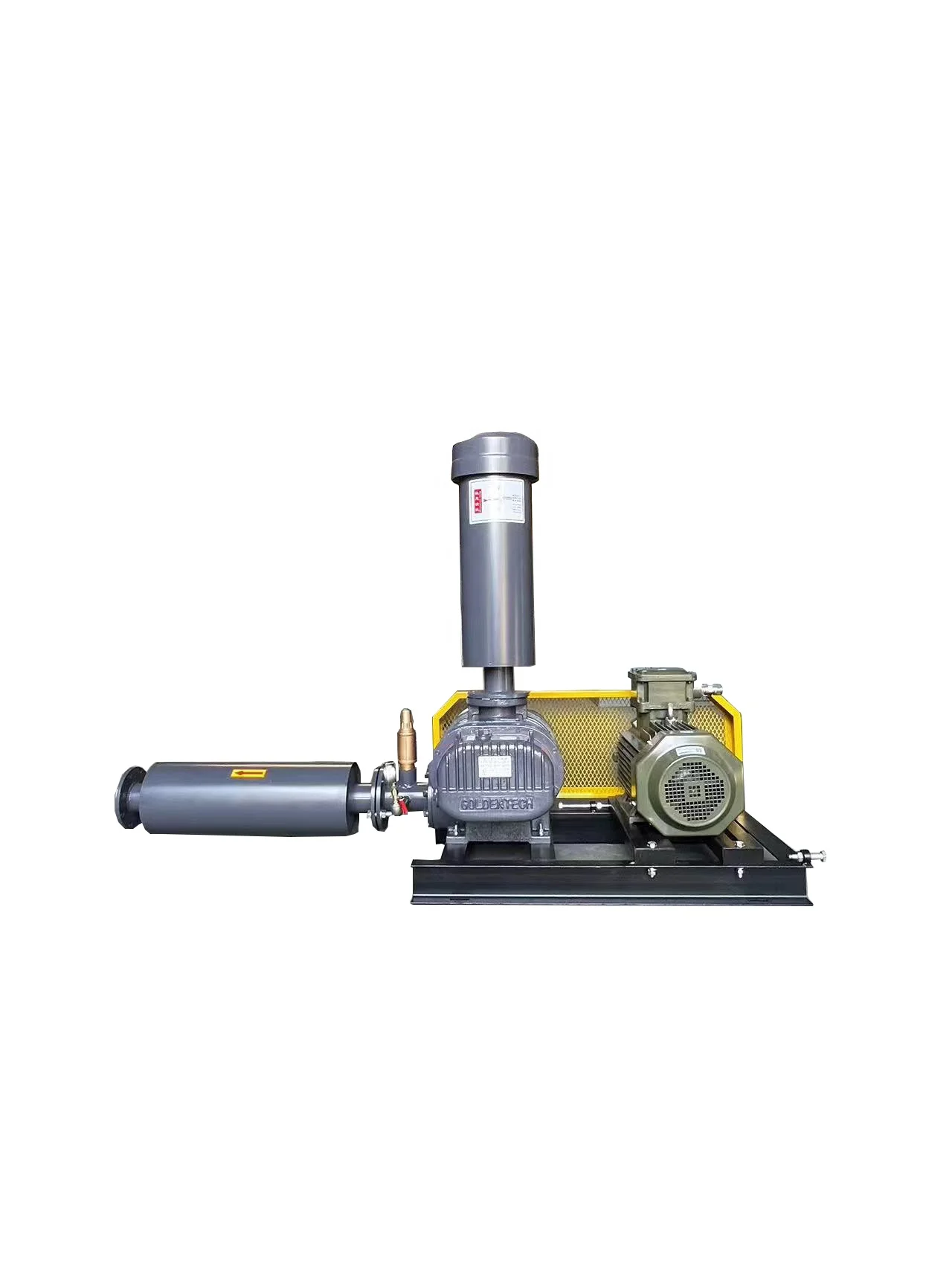
When evaluating equipment for large-scale industrial operations, organizations must carefully assess whether specific machinery can genuinely meet their demanding requirements. A lobe roots blower represents a significant investment, and questions about its capability for substantial production environments deserve thorough analysis. The answer is nuanced: yes, modern lobe roots blowers can absolutely meet large-scale industrial needs, but success depends on matching specific rotary lobe blower specifications to your operational requirements and understanding the full scope of positive displacement blower applications in your industry.
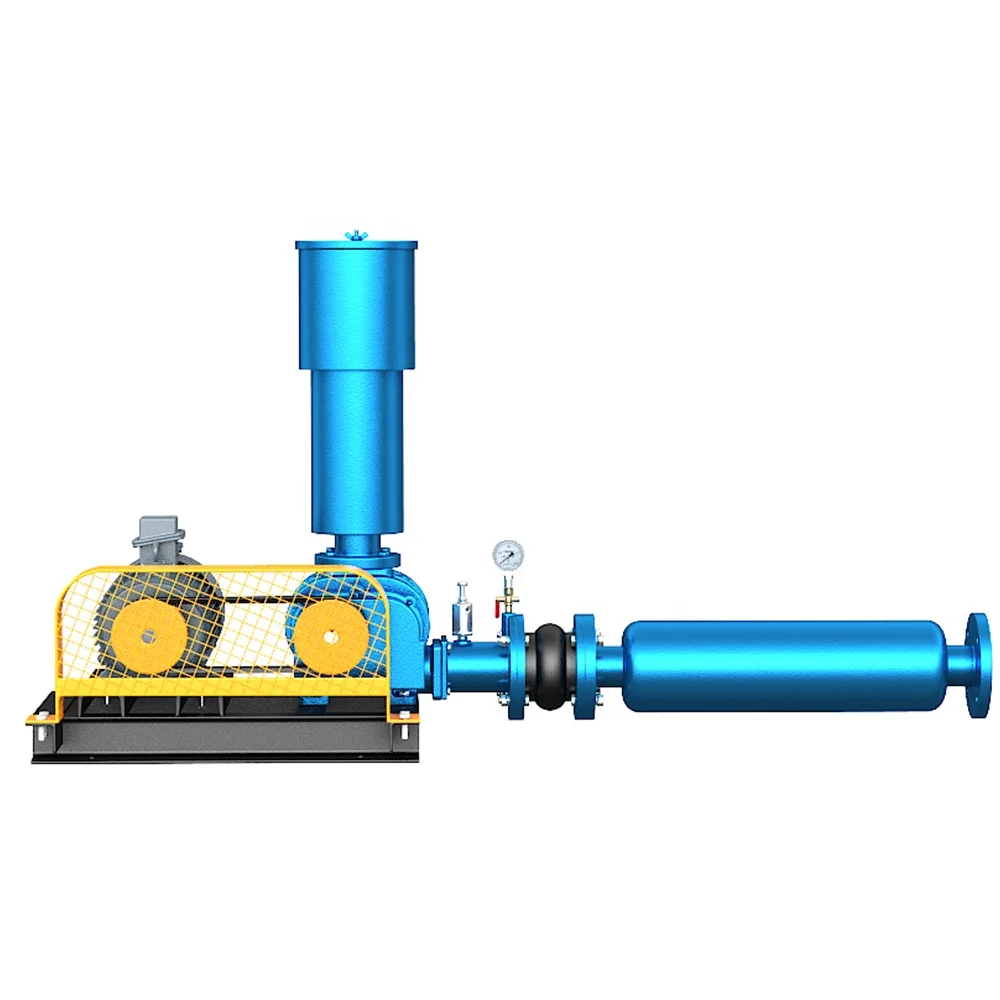
Industrial air compression systems have evolved dramatically over recent decades, and today's rotary lobe blower specifications offer capabilities that rival or exceed competing displacement technologies. For large-scale applications, the capacity, pressure delivery, and reliability of modern units make them viable for operations ranging from pneumatic conveying to wastewater treatment to manufacturing processes. Understanding whether a lobe roots blower truly aligns with your facility's scale requires examining capacity thresholds, operational efficiency, maintenance demands, and the specific demands of your positive displacement blower applications.
Capacity and Performance Capabilities for Large Operations
Flow Rate and Pressure Range Considerations
Modern rotary lobe blower specifications include models engineered specifically for high-volume industrial environments. Flow rates typically range from 100 to over 5,000 cubic feet per minute, meaning even the largest manufacturing facilities can find appropriately sized equipment. Pressure delivery in contemporary units reaches 15 pounds per square inch gauge or higher, addressing most industrial air compression systems demands. Large-scale operations benefit from this range because they can avoid undersizing equipment that becomes a production bottleneck or oversizing equipment that wastes energy.
Scalability in Manufacturing and Processing
Positive displacement blower applications expand significantly when you recognize that these machines scale across facility sizes. A textile mill using pneumatic conveyance, a food processing plant managing ingredient transport, or a chemical facility handling powder transfer all rely on the consistent displacement principle that defines lobe roots blower technology. Multiple units can operate in parallel for extreme-scale operations, or single large-capacity models can serve comprehensive facility needs. This scalability makes rotary lobe blower specifications increasingly attractive for enterprise-level industrial air compression systems planning.
Operational Efficiency and Industrial Integration
Energy Consumption and Cost Structures
Large-scale industrial operations live and die by operational expense management, and a lobe roots blower's efficiency profile directly impacts profitability. Modern positive displacement blower applications achieve improved energy efficiency through advanced motor coupling, optimized rotor geometry, and integrated variable frequency drives. While positive displacement blowers traditionally consumed more energy than centrifugal alternatives at identical duty points, contemporary rotary lobe blower specifications now compete effectively on efficiency metrics, particularly in applications requiring consistent, reliable pressure. For operations running continuously across shifts or seasons, this efficiency improvement translates to measurable annual savings.
Integration with Existing Industrial Systems
A critical consideration for large-scale adoption involves whether industrial air compression systems infrastructure can accommodate a lobe roots blower seamlessly. These machines integrate effectively with existing pneumatic networks, filtration systems, and control architectures. Their positive displacement characteristic means steady flow delivery regardless of downstream pressure variations, which benefits operations requiring consistent material transport or gas injection. Retrofit possibilities exist for facilities currently running aging centrifugal systems, making the transition to rotary lobe blower specifications feasible without complete infrastructure replacement.
Maintenance, Reliability, and Long-Term Operational Viability
Durability Requirements in Demanding Environments
Large-scale industrial operations cannot tolerate frequent downtime, making machinery reliability paramount. Modern lobe roots blower technology delivers robust durability when specified correctly for your positive displacement blower applications. Rotary lobe blower specifications now include corrosion-resistant materials, advanced sealing systems, and thermal management features that extend service intervals significantly. Industries from mining to pharmaceuticals successfully operate contemporary units for years between major maintenance events, demonstrating that industrial air compression systems using this technology achieve the uptime rates large-scale operations demand.
Maintenance Accessibility and Support Networks
When equipment fails at large-scale facilities, repair speed determines financial impact. The widespread adoption of lobe roots blower technology means robust service networks exist across most industrial regions. Replacement components remain readily available, technician expertise is established, and troubleshooting protocols are well-documented. This ecosystem support matters significantly for operations planning long-term equipment strategy. Positive displacement blower applications benefit from this mature technology ecosystem, as does your facility's ability to maintain rotary lobe blower specifications without extended downtime or emergency procurement chaos.
Application-Specific Suitability Assessment
Ideal Use Cases for Large-Scale Implementation
Certain industrial sectors consistently benefit from lobe roots blower technology at scale. Pneumatic conveying systems moving bulk materials benefit tremendously from the steady flow and pressure consistency that positive displacement blowers provide. Wastewater treatment facilities use these machines for aeration at scales reaching hundreds of thousands of gallons daily. Paper mills, polymer processing plants, and mineral handling operations all rely on rotary lobe blower specifications for mission-critical functions. These positive displacement blower applications represent proven, validated use cases where modern equipment performs reliably at enterprise scale.
Scenarios Requiring Alternative Technologies
Conversely, some large-scale operations benefit from alternative approaches. Facilities requiring extremely variable flow demands across wide operational ranges might find centrifugal systems more flexible. Applications demanding ultra-high pressures exceeding 20 pounds per square inch gauge may require specialized compressed air systems rather than positive displacement equipment. Some industrial air compression systems must deliver both consistent pressure and efficient variable-capacity operation simultaneously, creating hybrid scenarios where lobe roots blower technology serves specific subsystems rather than overall facility needs. Understanding these boundaries ensures realistic assessment of whether rotary lobe blower specifications genuinely match your specific operational profile.
FAQ
Can a single lobe roots blower serve an entire large manufacturing facility?
Yes, a properly sized lobe roots blower can serve large facilities, though actual suitability depends on your specific flow and pressure requirements. Facilities with multiple independent pneumatic systems sometimes deploy multiple units, while others operate successfully with a single large-capacity machine. Modern rotary lobe blower specifications include models designed explicitly for enterprise-scale demands. Consult with industrial air compression systems specialists to calculate your facility's total demand and confirm that available positive displacement blower applications equipment can meet those parameters reliably.
How do rotary lobe blower specifications compare to centrifugal blower efficiency at large-scale duty?
Contemporary lobe roots blower technology achieves energy efficiency levels approaching centrifugal systems, particularly when variable frequency drives optimize performance. Modern positive displacement blower applications include integrated motor controls that reduce power consumption during lower-demand periods. At constant full-load duty, some centrifugal alternatives remain marginally more efficient, but the consistent pressure delivery of rotary lobe blower specifications often reduces downstream system losses that would increase overall cost. For industrial air compression systems requiring reliable steady flow, the overall energy economics frequently favor lobe roots blower technology despite slight motor power variations.
What maintenance demands should large facilities expect from industrial air compression systems using a lobe roots blower?
Modern rotary lobe blower specifications require significantly less maintenance than older generations, with service intervals extending 2,000 to 3,000 operating hours under normal conditions. Positive displacement blower applications benefit from sealed bearing designs and improved materials that resist wear. Large-scale operations should budget for periodic filter changes, seal inspections, and oil analysis programs, but catastrophic failures are uncommon in contemporary equipment. Preventive maintenance planning specific to your positive displacement blower applications and facility operating patterns ensures reliable performance aligned with industrial air compression systems reliability expectations.
Table of Contents
- Capacity and Performance Capabilities for Large Operations
- Operational Efficiency and Industrial Integration
- Maintenance, Reliability, and Long-Term Operational Viability
- Application-Specific Suitability Assessment
-
FAQ
- Can a single lobe roots blower serve an entire large manufacturing facility?
- How do rotary lobe blower specifications compare to centrifugal blower efficiency at large-scale duty?
- What maintenance demands should large facilities expect from industrial air compression systems using a lobe roots blower?