
 EN
EN
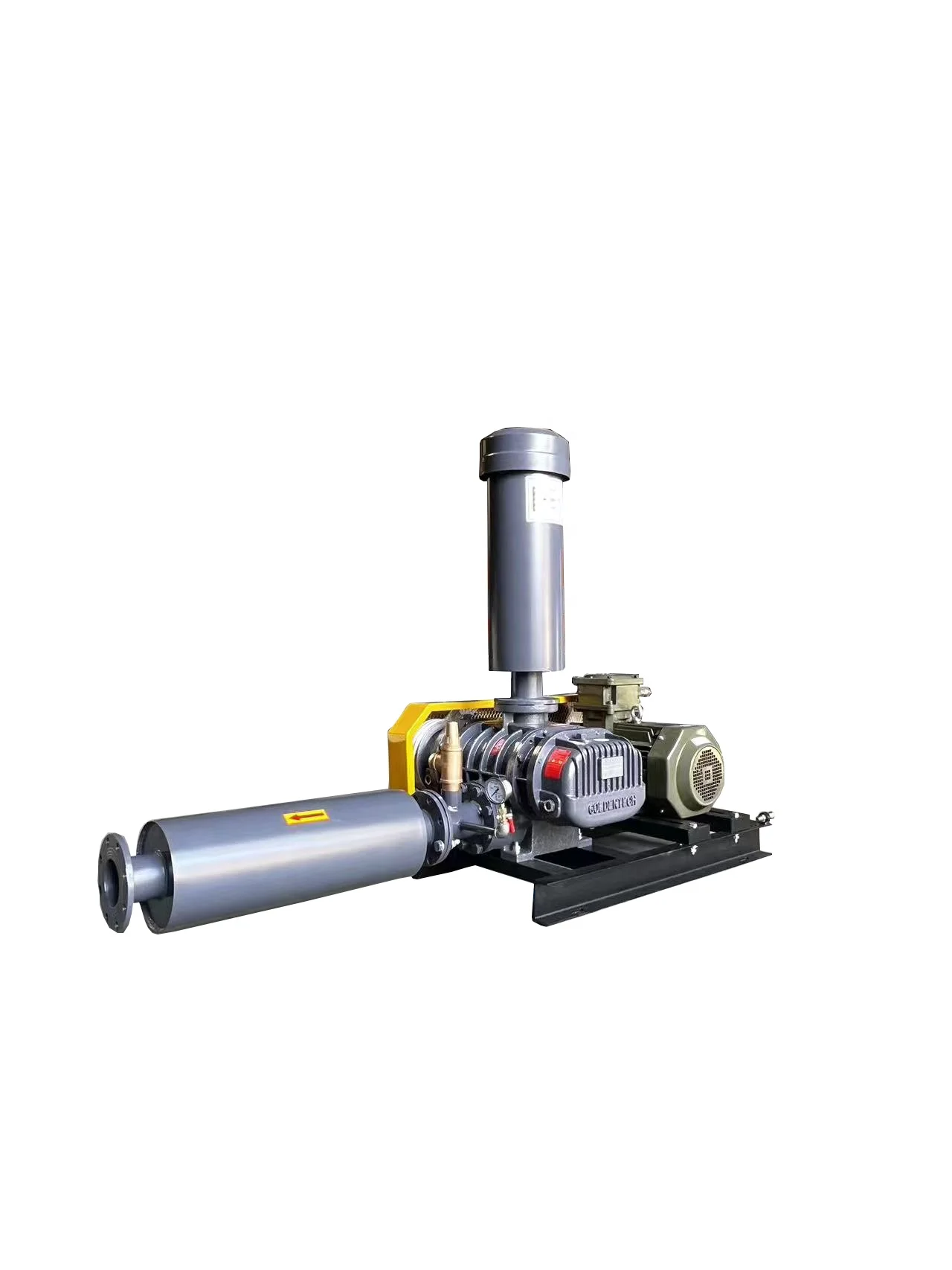
Selecting the right lobe roots blower is a critical decision that directly impacts operational efficiency, maintenance costs, and system reliability in industrial applications. Many facility managers and engineers make costly purchasing mistakes that result in undersized equipment, operational failures, or unnecessary capital expenditure. Understanding the common pitfalls in blower selection helps you avoid these errors and choose equipment that genuinely matches your facility's performance requirements.
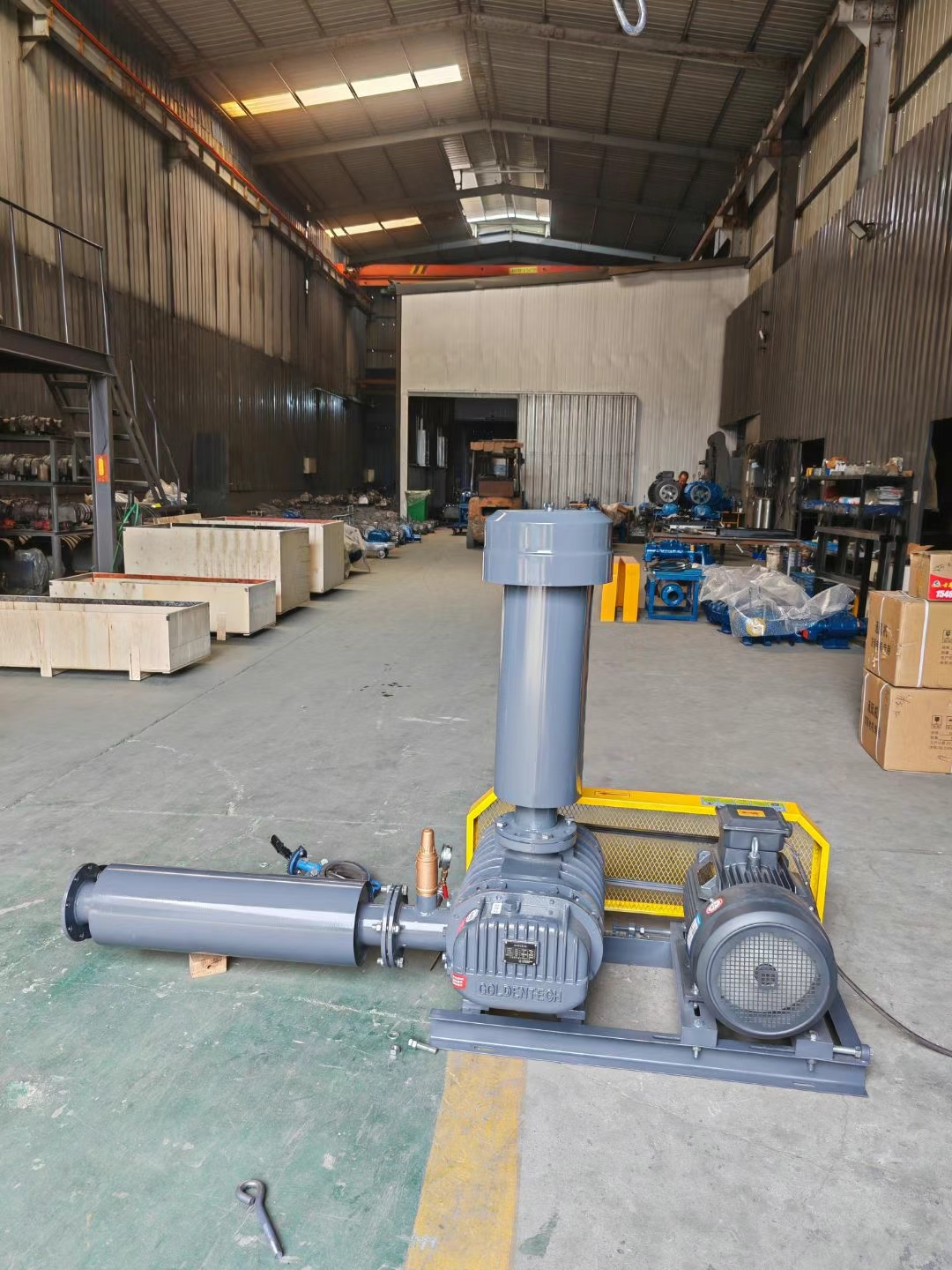
A lobe roots blower operates as a positive displacement blower that moves fixed volumes of air regardless of pressure conditions, making it fundamentally different from centrifugal designs. This distinction matters greatly during selection because misunderstanding how positive displacement blower applications differ from other technologies leads to incorrect equipment choices. The blower you select must align with your specific workflow, pressure requirements, and volumetric flow demands.
Overlooking Application-Specific Pressure and Flow Requirements
Matching Specifications to Actual Operating Conditions
One of the most frequent mistakes occurs when engineers select a lobe roots blower based solely on required flow rate while neglecting pressure specifications. Rotary lobe compressor specifications must account for both the volume of air needed and the pressure at which that air must be delivered. A blower rated for adequate flow but insufficient pressure will consume excessive energy, generate heat, and may fail prematurely under load.
Industrial air handling equipment operates across vastly different pressure ranges depending on the application. Pneumatic conveying systems, for example, require consistent pressure output, while vacuum applications demand the opposite characteristic. Reviewing your process documentation to identify peak pressure demands, average operating pressure, and pressure variability ensures you specify rotary lobe compressor specifications that genuinely support your workflow rather than creating performance bottlenecks.
Understanding Positive Displacement Blower Applications in Your Industry
Positive displacement blower applications span wastewater treatment, pneumatic conveying, dust collection, and material handling across multiple industries. Each sector demands different performance envelopes, and a blower suitable for one application may be entirely wrong for another. An undersized blower forces the motor to work harder, increasing energy consumption and reducing bearing life, while an oversized selection wastes capital and creates unnecessary heat dissipation challenges.
The industrial air handling equipment you select must deliver consistent, reliable performance within your facility's specific operating window. Taking time to document actual minimum and maximum flow requirements, seasonal variations, and pressure fluctuations prevents selecting equipment that performs adequately only under ideal conditions while struggling during peak demand periods.
Ignoring Motor Size, Power Coupling, and Installation Compatibility
Ensuring Proper Motor Specifications and Drive Configuration
A second critical mistake involves selecting a lobe roots blower without careful attention to motor sizing and drive mechanism compatibility. Many users assume that any motor rated for the blower's stated horsepower will work, but this overlooks motor service factor, starting torque requirements, and power delivery consistency. Industrial motors must match not just the average load but also peak startup conditions and any pressure spikes your system experiences.
The coupling between motor and lobe roots blower must accommodate rotational alignment, vibration damping, and torque transmission without slipping or introducing mechanical stress. Direct-drive, belt-drive, and gear-coupling configurations each present different efficiency profiles and maintenance demands. Neglecting to specify the correct coupling type can result in coupling failure, misalignment-induced vibration, and eventual blower damage that could have been prevented through proper initial selection.
Evaluating Space Constraints and Installation Requirements
Installation environment represents another overlooked selection factor. Positive displacement blower applications in confined spaces, high-temperature rooms, or corrosive environments require equipment configured differently than standard industrial air handling equipment. Blowers exposed to ambient temperatures outside their rated operating range experience seal degradation, lubricant breakdown, and reduced service life.
Before finalizing your lobe roots blower purchase, verify that your facility's installation location meets the manufacturer's environmental specifications. Rotary lobe compressor specifications include maximum ambient temperature, humidity tolerance, and corrosion resistance requirements. Ignoring these environmental factors forces you to either retrofit the installation at great expense or accept premature equipment failure.
Neglecting Maintenance Requirements, Spare Parts Availability, and Total Cost of Ownership
Assessing Long-Term Maintenance Burden and Support Resources
Many organizations focus exclusively on the initial purchase price of a lobe roots blower and pay insufficient attention to maintenance requirements and total cost of ownership. Different blower designs demand varying maintenance intervals, seal replacement frequency, and bearing service protocols. A blower offering lower upfront cost but requiring quarterly overhauls will ultimately cost far more than equipment designed for extended service intervals.
Industrial air handling equipment reliability depends directly on whether your maintenance team can access spare parts, obtain qualified service support, and perform routine servicing without extended downtime. Selecting a lobe roots blower from a manufacturer with limited domestic support infrastructure creates vulnerability during emergencies. Verify that replacement rotary lobe compressor specifications, bearing assemblies, seals, and gaskets are readily available from authorized distributors before you commit to any purchase.
Calculating Operating Costs Beyond Equipment Acquisition
Energy consumption represents the largest operating cost for positive displacement blower applications over the equipment's service life. Two blowers may deliver identical performance, but efficiency differences create substantially different monthly utility bills. A lobe roots blower that operates at 82 percent efficiency versus 86 percent efficiency generates noticeably higher operating costs across multiple years of continuous or frequent use.
Oil consumption rates, filter replacement frequency, and bearing maintenance also accumulate significantly. Some rotary lobe compressor specifications include sealed lubrication systems requiring infrequent attention, while others demand regular oil changes and filter replacements. Requesting detailed operating cost projections from multiple suppliers and calculating the five-year total cost of ownership prevents the common mistake of selecting the cheapest initial option only to face escalating maintenance expenses and downtime penalties.
FAQ
What makes positive displacement blower applications different from centrifugal blower designs?
Positive displacement blower applications, including lobe roots blowers, move a fixed volume of air per revolution regardless of pressure conditions. This characteristic means they maintain consistent flow output even as downstream pressure increases. Centrifugal blowers, by contrast, vary their output based on system resistance, making them better suited for applications where flow can fluctuate with changing pressure. For processes requiring guaranteed volumetric delivery like pneumatic conveying and wastewater aeration, positive displacement technology excels.
How do rotary lobe compressor specifications impact selection accuracy?
Rotary lobe compressor specifications detail the maximum pressure rating, volumetric flow capacity, rotational speed range, and efficiency characteristics essential for proper equipment matching. Comprehensive specifications allow you to verify whether the candidate blower can deliver your required flow at your required pressure without exceeding thermal limits or motor capacity. Incomplete specification review leads to selecting equipment that fails under real-world operating conditions despite appearing adequate on paper. Always request complete performance curves and thermal analysis data before finalizing your lobe roots blower purchase.
What warning signs indicate an industrial air handling equipment selection error?
Frequent warning signs of selection mistakes include excessive vibration or noise, unexpectedly high motor current draw, pressure unable to reach system requirements, or rapid deterioration of seals and bearings. Temperature rise exceeding manufacturer specifications also suggests improper lobe roots blower sizing or installation configuration. If you notice any of these symptoms shortly after commissioning, contact your equipment supplier immediately to verify that your positive displacement blower applications match the installed equipment's rated capability.