 EN
EN
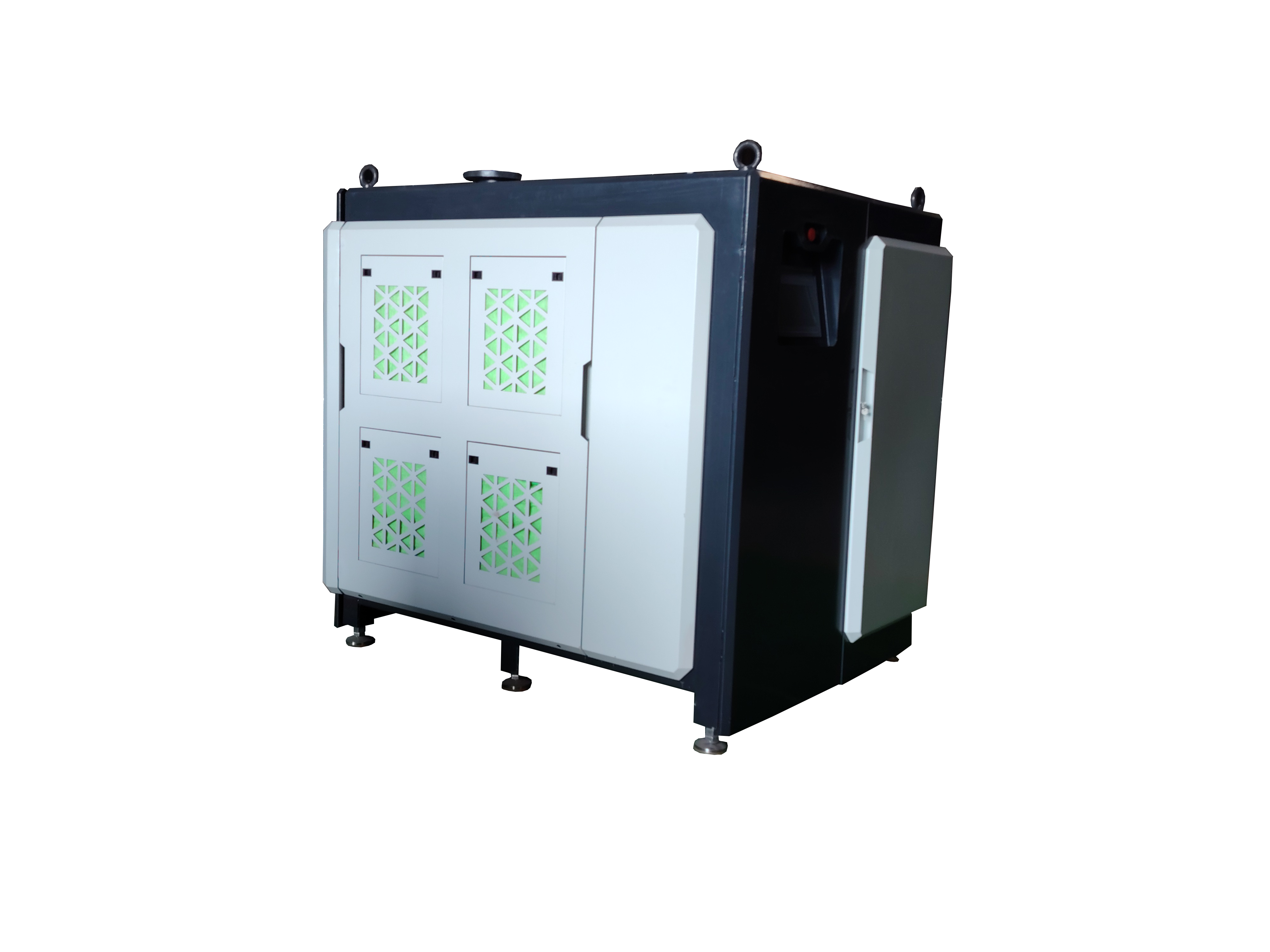
Industrial facilities face constant pressure to minimize unplanned downtime and control operating costs. Traditional blowers rely on mechanical bearings that degrade over time, requiring frequent replacements and costly maintenance interventions. A magnetic levitation blower transforms this operational reality by eliminating direct mechanical contact between rotating and stationary components, resulting in dramatically lower maintenance demands and extended equipment life.
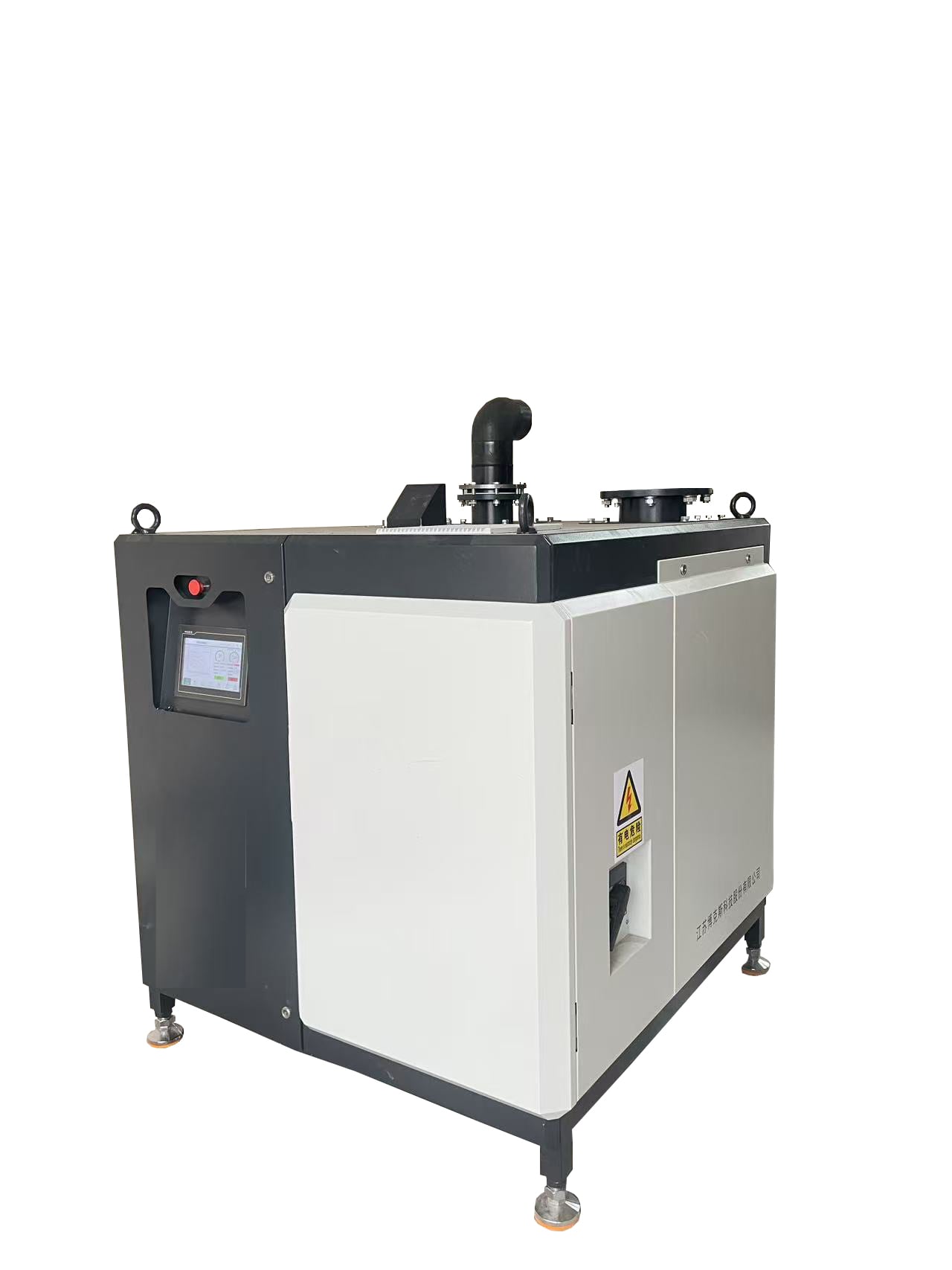
The fundamental advantage lies in the physics of magnetic suspension itself. By replacing conventional friction-generating bearings with contactless bearing technology for industrial fans, manufacturers eliminate the primary source of mechanical wear. This shift from mechanical contact to electromagnetic suspension creates a maintenance-free operational model where components never touch during normal operation, preventing friction-induced degradation and the associated failures that trigger costly downtime events.
How Contactless Technology Eliminates Bearing Failure
The Physics Behind Magnetic Suspension
Contactless bearing technology for industrial fans operates through precisely controlled magnetic fields that suspend the rotor in mid-air. Unlike rolling element bearings that accumulate fatigue and require periodic replacement, magnetic suspension systems maintain a stable gap between components using active electromagnetic control. This eliminates the wear mechanisms that plague traditional equipment, including friction, lubrication breakdown, and surface degradation that inevitably lead to bearing failure and emergency maintenance.
The suspension force remains constant regardless of operating duration, preventing the progressive decline in bearing performance that characterizes mechanical systems. Industrial facilities using high-speed maglev pump applications report virtually zero bearing-related failures over multi-year operating periods, a stark contrast to traditional blowers requiring bearing replacement every 1-3 years depending on duty cycle and environmental conditions.
Elimination of Lubrication Dependency
Traditional blower bearings depend on precise lubrication management, creating ongoing maintenance complexity and operational risks. Bearing degradation accelerates when lubrication schedules slip, contamination occurs, or environmental factors degrade lubricant performance. Magnetic levitation blower systems eliminate this entire lubrication requirement, removing a critical failure mode and the associated maintenance burden. Energy-efficient levitation motor systems operate completely dry, without oil mist, lubricant disposal costs, or environmental contamination risks that plague conventional equipment.
Downtime Reduction Through Predictable Operation
Elimination of Unexpected Failures
Industrial downtime costs often exceed equipment purchase price within the first year of operation, making failure prevention the highest operational priority. Contactless bearing technology for industrial fans prevents the sudden bearing seizure, shaft rubbing, and catastrophic failures that generate unplanned outages. High-speed maglev pump applications demonstrate failure rates approaching zero in normal operating conditions, enabling facilities to schedule maintenance proactively rather than responding to emergency failures.
The magnetic levitation blower achieves this reliability through system redundancy and fault tolerance inherent to suspension design. If one magnetic bearing shows drift, electronic control systems detect and correct this deviation before mechanical contact occurs, preventing failure progression. This predictability transforms maintenance from reactive crisis response to planned, controlled procedures scheduled during production downtime windows.
Extended Operating Intervals
Energy-efficient levitation motor systems operate for 5-10 years without requiring bearing replacement, compared to annual or semi-annual bearing service intervals on traditional equipment. This extended service life directly translates to fewer planned maintenance events, lower spare parts inventory requirements, and more stable operational scheduling. Facilities can extend production run lengths without bearing-related interruptions, increasing throughput and equipment utilization significantly.
Cost Implications and Total Operating Economy
Direct Maintenance Cost Reduction
Bearing replacement and associated maintenance represents a substantial portion of blower operating costs. A single bearing failure on a traditional system requires bearing kit purchase, technician labor, equipment disassembly, contamination control during installation, and system testing before return to service. High-speed maglev pump applications eliminate or dramatically reduce this recurring expense. Over a 10-year facility lifecycle, contactless bearing technology for industrial fans reduces maintenance labor by 60-80%, proportionally reducing spare parts expenses and associated inventory management overhead.
Downtime Cost Avoidance
Beyond direct maintenance expenses, unplanned downtime generates secondary costs through lost production, emergency service premiums, and operational disruption. A magnetic levitation blower operating reliably for years without bearing-related failures prevents emergency service calls at premium rates and avoids the hidden costs of production line disruption. Energy-efficient levitation motor systems enable facilities to defer capital equipment replacement, maximizing ROI on initial installation investment and providing substantial competitive advantage through superior equipment availability.
The economic case for magnetic levitation technology strengthens as facility sophistication increases. Complex production environments where blower downtime affects multiple downstream processes benefit most from the reliability premium. Industrial operations operating 24/7 with minimal maintenance windows experience the greatest return from adopting contactless bearing technology for industrial fans, as the probability and cost of bearing-related failures escalates dramatically in high-utilization scenarios.
FAQ
What makes contactless bearing technology superior to traditional rolling element bearings?
Contactless bearing technology eliminates mechanical friction and wear by using electromagnetic suspension instead of rolling surfaces. Traditional bearings experience cumulative fatigue, lubrication breakdown, and surface degradation that magnetic levitation blower systems completely avoid. This fundamental difference results in failure rates approaching zero for contactless systems versus periodic bearing failures in mechanical designs.
How does high-speed maglev pump application technology improve operational efficiency?
High-speed maglev pump applications achieve higher rotational speeds without mechanical stress limitations that restrict traditional bearings. Energy-efficient levitation motor systems operate more efficiently at these elevated speeds while maintaining perfect rotor geometry and alignment throughout their service life. This combination enables superior performance while reducing energy consumption compared to conventional equipment operating at lower speeds to manage bearing stress.
What is the typical maintenance schedule for a magnetic levitation blower system?
Magnetic levitation blower systems require minimal scheduled maintenance compared to traditional equipment. Annual inspections of electronic control systems and sensor calibration represent primary maintenance tasks, while bearing replacement and lubrication services are eliminated entirely. Many industrial facilities report zero unplanned maintenance events over 5+ year operating periods, allowing facilities to consolidate maintenance activities and operate with smaller maintenance teams.