
 EN
EN
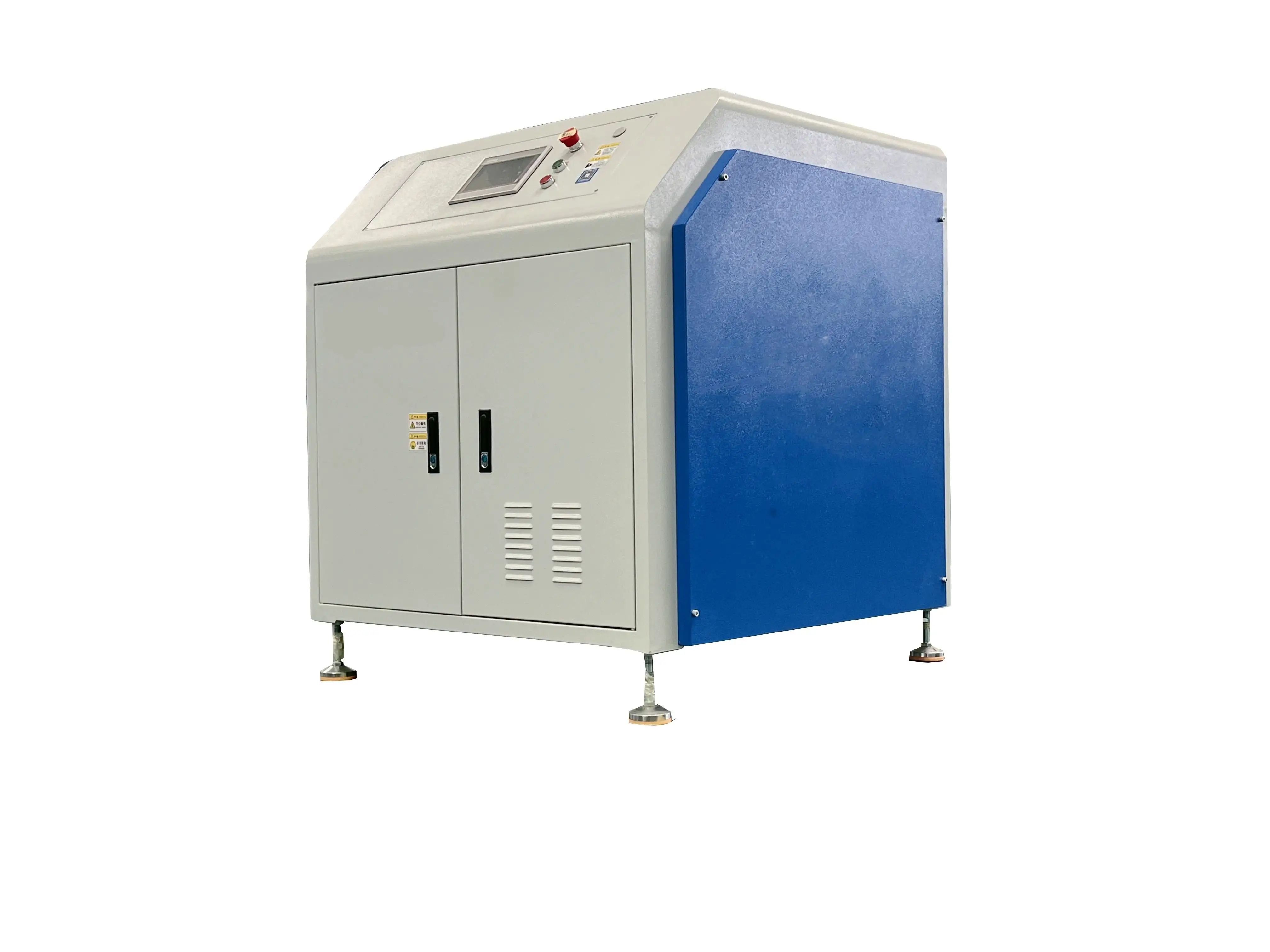
Water quality stands as the foundation of successful commercial aquaculture operations. Dissolved oxygen, pH balance, and nutrient circulation directly influence fish health, growth rates, and survival. An aeration air blower addresses these critical variables by introducing oxygen into water systems where natural processes fall short. Commercial operations demand reliable solutions that improve water quality consistently, reduce disease risk, and maximize production efficiency. The right aeration technology transforms aquaculture sustainability from a challenge into a competitive advantage.
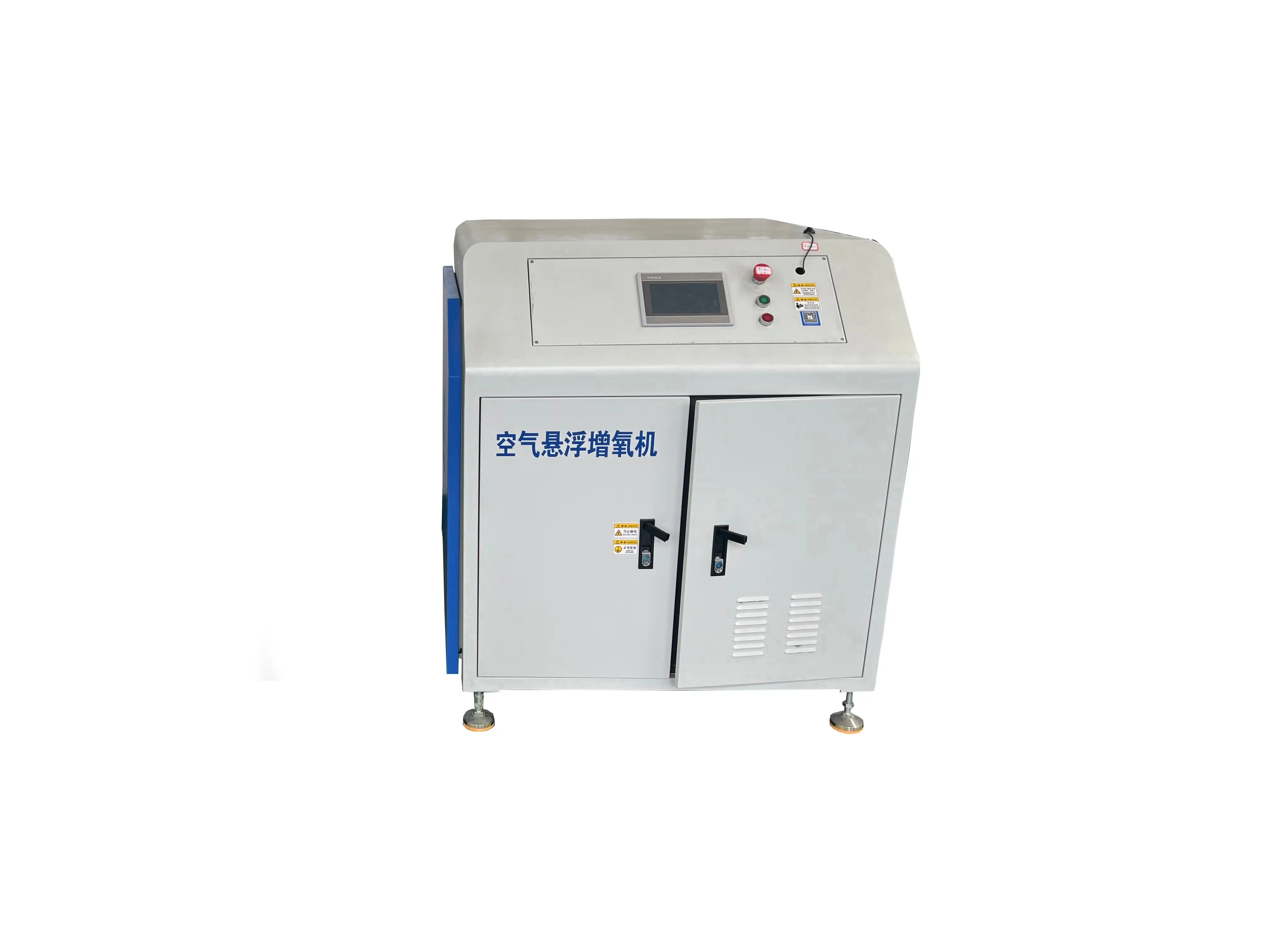
Modern aquaculture faces growing pressure to maintain high water quality while controlling operational costs. A pond aeration system powered by efficient air blowers creates oxygen-rich environments that support dense stocking densities. These systems prevent dead zones where harmful gases accumulate, reduce algae blooms triggered by stagnation, and maintain stable biofilter performance. The science behind water aeration is straightforward: introducing air bubbles increases the surface area for oxygen exchange. However, selecting the right equipment requires understanding high pressure air blower specifications, noise impact, and integration with existing infrastructure.
How Aeration Improves Water Quality Parameters
Oxygen Enhancement and Fish Health
Dissolved oxygen is the most critical parameter in aquaculture. Fish consume oxygen through their gills, and insufficient levels trigger stress responses that weaken immune systems and reduce growth. An aeration air blower increases dissolved oxygen from typical levels of 4–5 mg/L to optimal ranges of 7–8 mg/L or higher. This oxygen boost supports faster metabolism, better feed conversion, and stronger disease resistance across the population. Commercial operations with dense fish populations depend entirely on mechanical aeration to maintain these life-sustaining levels.
Ammonia and Nitrogen Cycle Management
Nitrification bacteria convert toxic ammonia into less harmful nitrate through aerobic processes. A pond aeration system ensures adequate oxygen for these bacteria colonies to function efficiently. Without sufficient aeration, ammonia accumulates to lethal concentrations and triggers mass mortality events. The high pressure air blower specifications must match your system's bioload capacity to prevent these failures. Proper aeration maintains the nitrogen cycle in balance, protecting both water chemistry and fish survival rates.
Technical Specifications and Performance Considerations
Sizing and High Pressure Air Blower Specifications
Selecting the correct air blower requires calculating the oxygen demand based on stocking density, species, and water temperature. High pressure air blower specifications typically include flow rate measured in cubic feet per minute (CFM), outlet pressure in pounds per square inch (PSI), and power consumption in horsepower or kilowatts. A 1-acre pond holding 10,000 fish may require 5–10 CFM of air flow per 1,000 fish under peak feeding conditions. Professional aquaculture operations often oversize their systems by 20–30% to maintain performance during warm months when oxygen demand peaks and atmospheric oxygen solubility drops.
Energy Efficiency and Operational Costs
Aeration consumes 30–50% of operating expenses in intensive aquaculture facilities. Modern air blower technology has improved efficiency significantly through variable-speed drives and optimized impeller design. A pond aeration system operating 24 hours daily demands equipment rated for continuous duty. Selecting high pressure air blower specifications that match your exact oxygen requirements—rather than oversizing universally—reduces electricity costs without compromising water quality. Energy-efficient models recover their premium cost within 2–3 years through reduced power consumption.
Noise Reduction and Environmental Integration
Air Blower Noise Reduction Strategies
Noise pollution affects farm workers and surrounding communities, making air blower noise reduction an operational priority. Standard blowers generate 80–95 decibels, comparable to heavy traffic noise. Enclosures with acoustic insulation reduce noise levels by 10–15 decibels while maintaining airflow. Vibration isolation mounts prevent structure-borne sound transmission to building foundations. A pond aeration system equipped with modern silencers and vibration-dampening technology operates at 70–75 decibels, significantly reducing community impact. Investing in air blower noise reduction enhances worker safety, reduces regulatory compliance burden, and improves the farm's relationship with local stakeholders.
Integration with Pond Design
Effective aeration distribution depends on pond design and diffuser placement. Deep-water diffusers with fine bubbles achieve better oxygen transfer than surface aerators. A high pressure air blower delivers air through specialized tubing and diffuser stones positioned to maximize contact time and prevent short-circuiting. Proper system design ensures every part of the pond receives adequate oxygen circulation. Areas with poor circulation develop dead zones where anaerobic conditions trigger hydrogen sulfide production and ammonia pockets. Professional installation of your pond aeration system considers water depth, surface area, and prevailing current patterns to optimize oxygen delivery.
FAQ
What dissolved oxygen level does an aeration air blower achieve?
A properly sized aeration air blower typically raises dissolved oxygen from 4–5 mg/L to 7–8 mg/L within operating ponds. Peak oxygen saturation near diffusers can exceed 10 mg/L. Actual performance depends on water temperature, air flow rate, and diffuser efficiency. Cold water holds more oxygen naturally, while warm water requires more aggressive aeration. Most commercial operations target 6–8 mg/L as a safe operating range that supports both fish health and biofilter function.
How do I select the right high pressure air blower specifications for my pond?
Calculate oxygen demand using this formula: (stocking density in pounds per 1,000 gallons) × (0.5 to 1.0 CFM per pound of biomass). For example, a 50,000-gallon pond with 2,000 pounds of fish requires 1,000–2,000 CFM under peak demand. Consult your high pressure air blower specifications sheet for the model that delivers this range continuously. Add 20–30% capacity to handle warm-season peaks. Verify PSI requirements match your diffuser type—fine bubble diffusers need 4–8 PSI, while coarse diffusers work at 2–4 PSI.
Does a pond aeration system reduce labor costs?
Yes, automated pond aeration systems significantly reduce manual water quality monitoring and emergency response. Poor water quality without aeration requires frequent testing, water exchanges, and emergency interventions that consume labor and increase losses. A reliable aeration air blower operates independently 24/7, maintaining stable conditions and reducing daily management tasks. The labor savings accumulate quickly, especially when compared against the cost of treating disease outbreaks or recovering from oxygen crashes that occur in under-aerated systems.