
 EN
EN
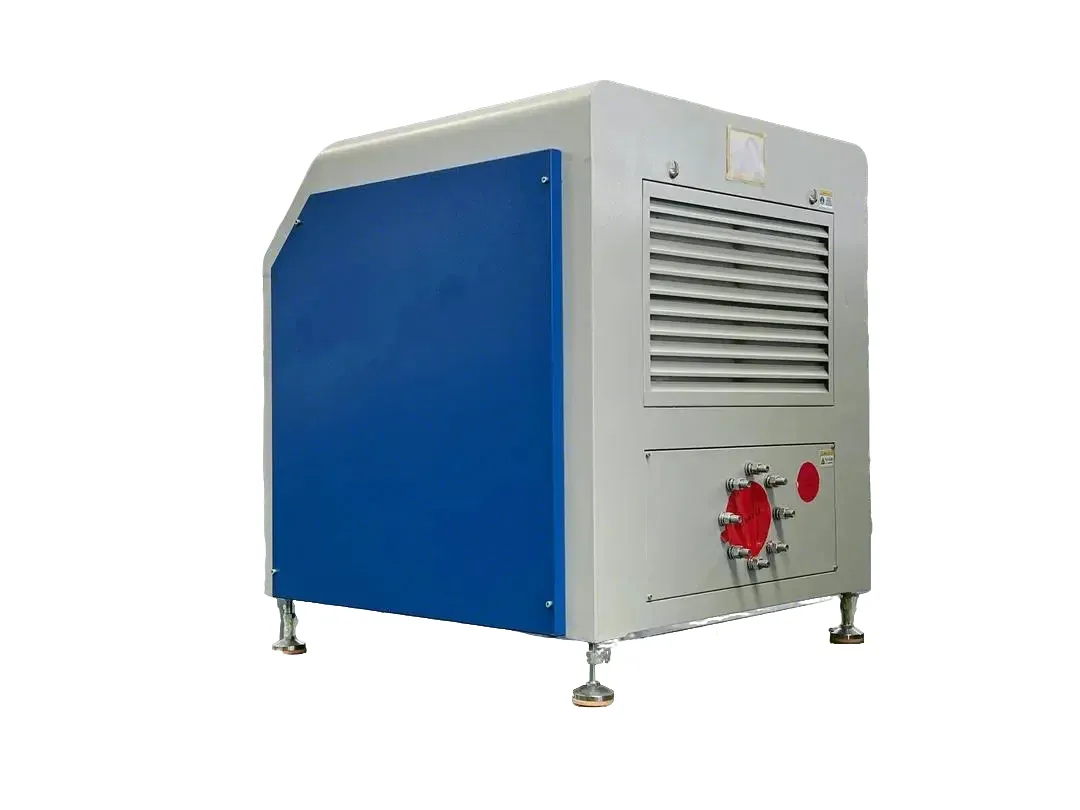
An aeration air blower represents a critical investment for any facility managing water quality or wastewater treatment. These systems work by forcing compressed air into water bodies, creating turbulence and circulation that dramatically improves dissolved oxygen levels. The core challenge that facilities face is balancing the need for adequate oxygen transfer against the rising operational costs of running mechanical equipment continuously. Understanding how an aeration air blower can achieve both efficiency and cost reduction requires examining the mechanics of oxygen transfer, energy consumption patterns, and system optimization strategies.
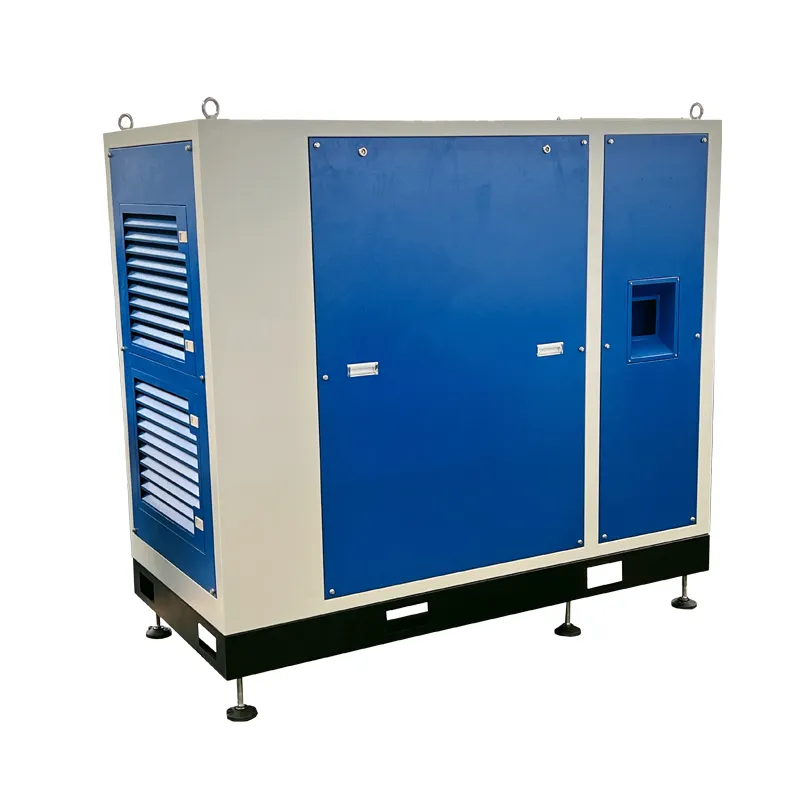
The efficiency of an aeration air blower depends on multiple interrelated factors, including motor design, compressor technology, diffusion method, and system configuration. Modern aeration systems integrate pond aerator pump technology with advanced air diffuser stone materials to maximize oxygen transfer while minimizing energy waste. By choosing the right equipment and implementing proper operational strategies, facilities can significantly reduce electricity consumption while maintaining or even improving water quality metrics. This article explores the mechanisms behind energy-efficient oxygen circulation systems and provides practical guidance for selection and operation.
Understanding Oxygen Transfer and Energy Efficiency in Aeration Systems
The Physics of Air Diffusion and Oxygen Uptake
The effectiveness of an aeration air blower depends fundamentally on how efficiently air gets dispersed into water and how well dissolved oxygen is transferred to the liquid phase. When pressurized air passes through an air diffuser stone, it breaks into fine bubbles that create maximum surface area contact with water molecules. This contact time, bubble size distribution, and water mixing all determine the oxygen transfer rate per unit of energy input. A high-quality pond aerator pump system optimizes this relationship by using energy-efficient motors and low-resistance diffusion pathways, ensuring that less power is wasted as heat and friction.
Measuring Aeration Performance and Energy Input
Facilities evaluate aeration air blower performance using metrics like oxygen transfer rate, measured in pounds of oxygen transferred per hour per unit of power consumed. This efficiency figure, often expressed as pounds O₂ per horsepower-hour, directly correlates to operational cost. An oxygen circulation system designed for high efficiency transfers more oxygen per kilowatt of electricity used, which translates to lower monthly energy bills. This measurement becomes especially important when comparing different aeration technologies or deciding whether to upgrade aging equipment that may consume significantly more power than modern alternatives.
How Modern Aeration Air Blower Technology Reduces Energy Consumption
Positive Displacement Blower Designs and Their Advantages
The most energy-efficient aeration air blower systems use positive displacement compressor technology, which moves a fixed volume of air with each rotation of the impeller. Unlike centrifugal blowers that waste energy at partial loads, a positive displacement aeration air blower maintains consistent performance across varying operating conditions. This design reduces energy waste during low-demand periods, such as early morning or late evening when oxygen requirements may be lower. When integrated with variable frequency drives and adaptive controls, a pond aerator pump system can automatically adjust speed to match real-time oxygen demand, cutting power consumption by 30 to 50 percent compared to fixed-speed systems.
Air Diffuser Stone Materials and Bubble Size Optimization
The quality of your air diffuser stone directly affects how efficiently the aeration air blower energy is converted into dissolved oxygen. Premium materials engineered for fine-bubble diffusion create micro-sized bubbles that maximize surface area and residence time in the water column. This enhanced bubble-to-water contact means the oxygen circulation system achieves target dissolved oxygen levels using less air volume, which means the aeration air blower runs at lower pressures and consumes less energy. Facilities that upgrade to advanced air diffuser stone technology often observe 15 to 25 percent reductions in blower runtime while maintaining identical water quality outcomes.
System Integration and Operational Optimization Strategies
Combining Pond Aerator Pump Units with Smart Control Systems
Modern water treatment facilities pair their aeration air blower with dissolved oxygen sensors and automated control logic that optimizes blower runtime based on actual water conditions rather than fixed schedules. This responsive oxygen circulation system adjusts air delivery in real time, preventing the common inefficiency of continuous operation at full power when partial operation would suffice. A pond aerator pump equipped with variable speed capability and integrated monitoring can reduce annual energy costs by 40 to 60 percent without compromising water quality standards. The investment in control automation pays for itself within two to four years through energy savings alone, while providing superior operational reliability and data transparency.
Maintenance Practices that Preserve Aeration Efficiency
An aeration air blower maintains peak efficiency only when properly maintained, as fouling and wear degrade performance over time. Routine inspection of air diffuser stone condition ensures the bubbles remain fine and uniform; clogged or deteriorated diffusers force the blower to work harder for the same oxygen transfer, wasting energy and increasing maintenance costs. Similarly, keeping the pond aerator pump's intake filters clean prevents pressure buildup that forces the motor to consume additional power. Scheduled maintenance, including air filter replacement, bearing inspection, and pressure line cleaning, typically costs 5 to 10 percent of annual energy expenses but can deliver 10 to 15 percent improvements in oxygen circulation system efficiency.
FAQ
Can an aeration air blower achieve energy savings without reducing oxygen output?
Yes, modern aeration air blower technology is designed specifically to decouple energy consumption from oxygen delivery performance. By optimizing compressor design, air diffuser stone quality, and system controls, facilities can maintain or even increase dissolved oxygen levels while reducing energy use. Smart systems achieve this through adaptive blower speed adjustment, variable frequency drives, and real-time dissolved oxygen monitoring that ensures the pond aerator pump operates only at the power level needed to meet treatment objectives.
What role does the air diffuser stone play in aeration efficiency?
The air diffuser stone is critical to aeration efficiency because it determines bubble size and distribution pattern. A well-designed air diffuser stone breaks compressed air into fine, uniform bubbles that maximize contact time with water, enabling the oxygen circulation system to achieve high oxygen transfer rates at lower blower pressures and power levels. When the air diffuser stone becomes fouled or worn, transfer efficiency drops sharply, forcing the aeration air blower to consume more energy for the same result.
How does a pond aerator pump differ from a standard aeration air blower?
A pond aerator pump is typically a complete water circulation unit that may include both blower and pump components working together, while an aeration air blower specifically refers to the air compression mechanism. The distinction matters because integrated systems allow for more efficient design that optimizes both air delivery and water movement simultaneously, whereas standalone blowers focus solely on air compression. Many modern oxygen circulation system installations combine both for maximum flexibility and performance across varying water conditions.