
 EN
EN
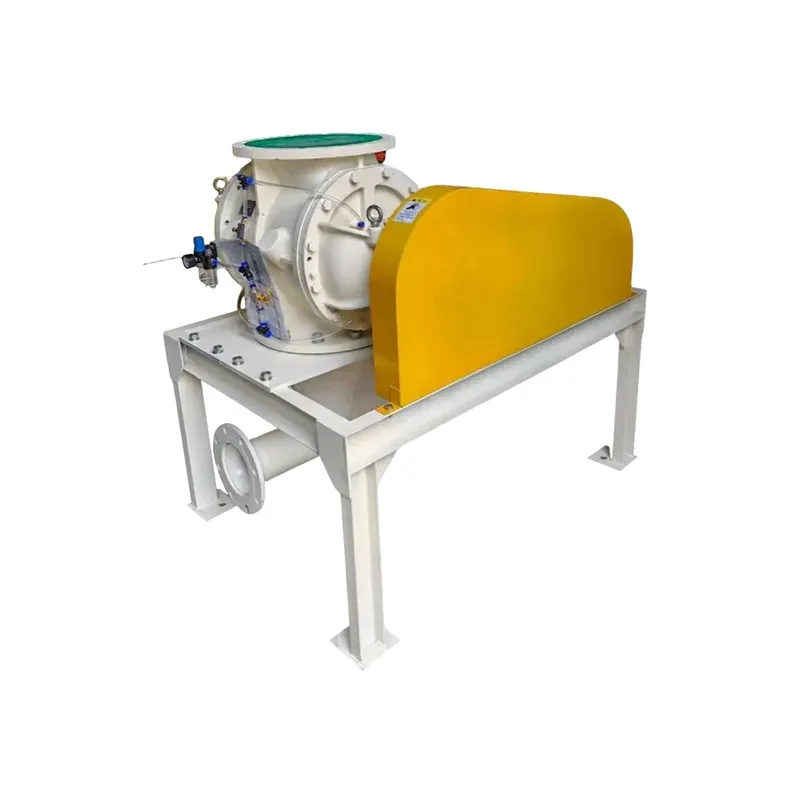
An industrial rotary feeder is specifically engineered to manage challenging material handling scenarios where standard equipment falls short. When dealing with abrasive particles, crushed minerals, ash, or high-density powders, many facilities struggle with equipment that clogs, wears prematurely, or fails to maintain consistent flow rates. The question of whether an industrial rotary feeder can handle these demanding conditions is critical for operations that depend on reliable material transfer. The answer is nuanced and depends on several design factors, material properties, and system integration considerations that directly impact operational efficiency and equipment longevity.
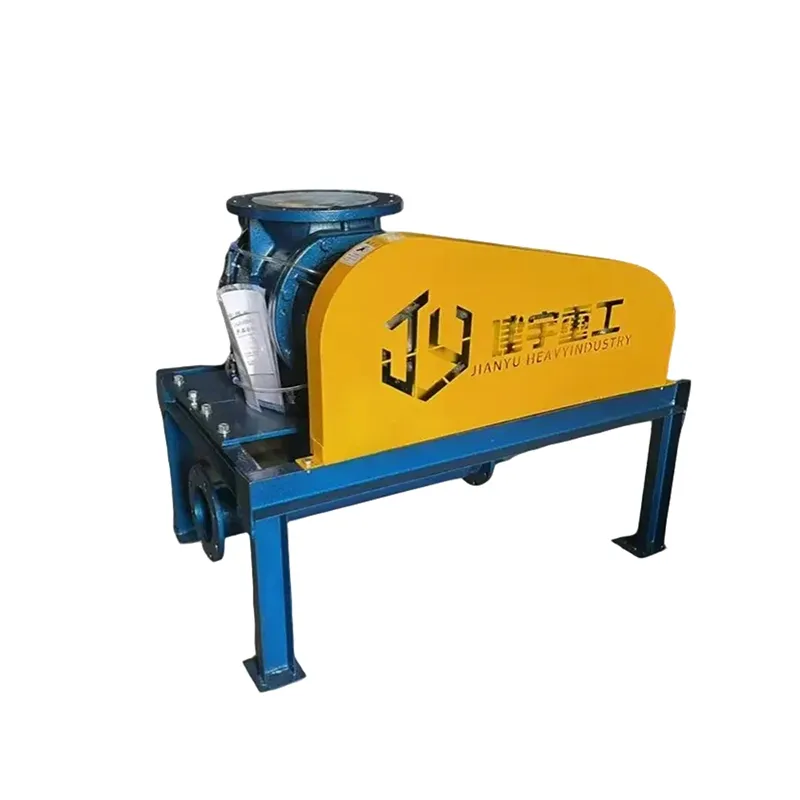
Understanding the capabilities and limitations of an industrial rotary feeder requires examining its core functions within broader bulk material handling equipment systems. These devices serve as critical interface points between storage hoppers and downstream processing or transport systems, managing flow rate, preventing material spillage, and controlling pressure differentials. The ability to handle abrasive or high-density materials efficiently hinges on material composition analysis, equipment construction specifications, and proper integration with complementary components like rotary airlock valves and screw conveyor feeder systems.
Material Handling Capability and Design Specifications
Abrasive Material Resistance
An industrial rotary feeder designed for abrasive materials incorporates specialized construction features that extend operational lifespan and maintain performance consistency. Hard-faced rotor blades, reinforced housing materials, and optimized clearance tolerances significantly improve wear resistance compared to standard equipment. When abrasive particles like silica sand, fly ash, or crushed limestone pass through the feeder, hardened steel components and internal linings reduce surface degradation rates that would otherwise render the equipment unusable within months.
The rotary airlock valve mechanism within these systems creates controlled material discharge patterns that minimize turbulent impact on internal surfaces. By directing material flow smoothly through dedicated channels rather than allowing random particle trajectories, the feeder reduces stress concentrations and uneven wear patterns. Equipment selection for abrasive applications should prioritize models with proven track records in similar industries, verified wear rates, and established replacement schedules that factor material characteristics into maintenance planning.
High-Density Material Handling
High-density bulk material handling equipment demands stronger rotor assemblies, more powerful drive motors, and enhanced bearing systems to withstand substantially greater mass per unit volume. Materials such as iron ore, titanium dioxide, or metallic powders present fundamentally different mechanical challenges than lighter abrasive dusts. An industrial rotary feeder handling dense materials must generate sufficient torque to rotate the rotor against material friction and weight, requiring careful motor sizing and drive system specification to prevent stalling or component failure.
The screw conveyor feeder system often works in conjunction with the rotary feeder, coordinating material flow rates and managing the transition between equipment stages. For high-density applications, this coordination becomes critical because inconsistent discharge can overwhelm downstream equipment or create backpressure that reduces feeder effectiveness. Proper system design ensures that the industrial rotary feeder operates within its rated capacity while maintaining predictable output suitable for subsequent processing stages.
Performance Optimization and System Integration
Pressure Management and Flow Control
Effective bulk material handling equipment operation depends on managing pressure differentials across the feeder chamber. When an industrial rotary feeder operates in vacuum or pressurized environments, material behavior changes significantly relative to atmospheric conditions. Lighter particles behave more compressibly under reduced pressure, potentially improving flow characteristics, while dense materials may exhibit increased friction and resistance. Understanding these dynamics allows facilities to optimize rotor speed, chamber geometry, and intake configuration to match specific application requirements.
The rotary airlock valve component functions as a pressure differential controller, isolating upstream and downstream pressure zones while maintaining consistent material discharge. For abrasive applications, valve wear occurs on both the rotor and the housing, requiring robust construction and predictable replacement cycles. Proper maintenance of this interface directly influences overall system reliability and the industrial rotary feeder's ability to sustain efficient operation across extended periods without forced shutdown for repairs.
Capacity and Throughput Considerations
Material throughput capacity represents one of the most practical indicators of whether an industrial rotary feeder meets application requirements. Capacity ratings typically express volumetric flow in cubic feet or meters per hour, though actual performance depends heavily on material bulk density, moisture content, and particle size distribution. A screw conveyor feeder system feeding material into the rotary feeder must operate at rates compatible with the feeder's rated capacity; oversized feed rates cause material backup and potential equipment damage.
Abrasive materials typically require reduced throughput rates compared to non-abrasive alternatives to maintain acceptable wear rates within service intervals. High-density materials often achieve greater mass throughput with equivalent volumetric capacity because the same physical volume contains substantially more material weight. Facility operators must verify that equipment capacity specifications account for the specific material properties they plan to process, as mismatched expectations lead to either operational failures or inefficient underutilization of installed equipment.
Real-World Application Context and Decision Factors
Industry-Specific Requirements
Different industries encounter vastly different abrasive and density challenges that influence industrial rotary feeder suitability. Cement production facilities handling raw mill feed, ash streams, or finished product must process materials with high abrasivity and substantial density variations. Mining operations moving crushed ore or processed mineral products face continuous abrasive exposure with extreme density loading. Chemical plants handling processed powders or bulk material handling equipment for pneumatic transport systems operate under distinct pressure regimes and material specifications that require tailored equipment selection.
The rotary airlock valve and screw conveyor feeder system integration points vary significantly across industries based on upstream hopper design, downstream equipment requirements, and facility layout constraints. An industrial rotary feeder that performs excellently in one setting may prove inadequate in another, even when handling nominally similar materials. Successful equipment selection requires detailed process analysis including material characterization, throughput requirements, environmental conditions, and integration compatibility with existing infrastructure.
Maintenance and Total Cost of Ownership
Evaluating whether an industrial rotary feeder efficiently handles challenging materials requires extending analysis beyond initial purchase price to encompass maintenance costs, component replacement frequency, and system downtime expenses. Abrasive material processing necessarily involves accelerated wear requiring more frequent component replacement than standard applications. Planning realistic maintenance intervals and budgeting for wear part inventory becomes essential for facilities relying on continuous operation, as unexpected failures can cascade through production schedules and customer commitments.
Advanced bulk material handling equipment often incorporates design features specifically targeting wear reduction and extended service intervals, though these typically command premium pricing. The investment in hardened materials, optimized rotor geometry, and enhanced bearing systems may prove economically justified when comparing total cost of ownership across multiple years of operation. Facilities processing high-density or severely abrasive materials should carefully evaluate equipment specifications against operational requirements rather than defaulting to least-cost options that may deliver poor reliability.
FAQ
Can an industrial rotary feeder work with wet or moist abrasive materials?
Moisture content significantly impacts material behavior in bulk material handling equipment, potentially causing agglomeration, clumping, or material bridging within the feeder chamber. While an industrial rotary feeder can technically operate with moist materials, performance degradation and wear rate acceleration typically occur. Applications involving wet abrasive materials require specialized design modifications including enhanced rotor spacing clearances, moisture-shedding geometry, and corrosion-resistant materials to maintain long-term reliability.
What motor specifications ensure adequate power for high-density materials?
Motor sizing for dense material processing requires calculating the mechanical load imposed by material weight, friction resistance, and rotational speed requirements. A screw conveyor feeder system designer must ensure the industrial rotary feeder motor provides sufficient torque at operating speeds without stalling or overheating during peak load conditions. Equipment manufacturers typically specify minimum motor power based on material density and design capacity; underspecified motors lead to performance failures while oversized motors increase operational costs unnecessarily.
How do rotary airlock valves contribute to efficient abrasive material handling?
The rotary airlock valve controls material flow rate and maintains pressure isolation while minimizing turbulent particle impact that accelerates wear. By channeling material through dedicated pathways with smooth transitions, this component protects the industrial rotary feeder housing from destructive particle trajectories. Properly functioning rotary airlock valves reduce internal stress concentrations, extend equipment life in abrasive applications, and maintain consistent bulk material handling equipment performance across extended operating periods.