
 EN
EN
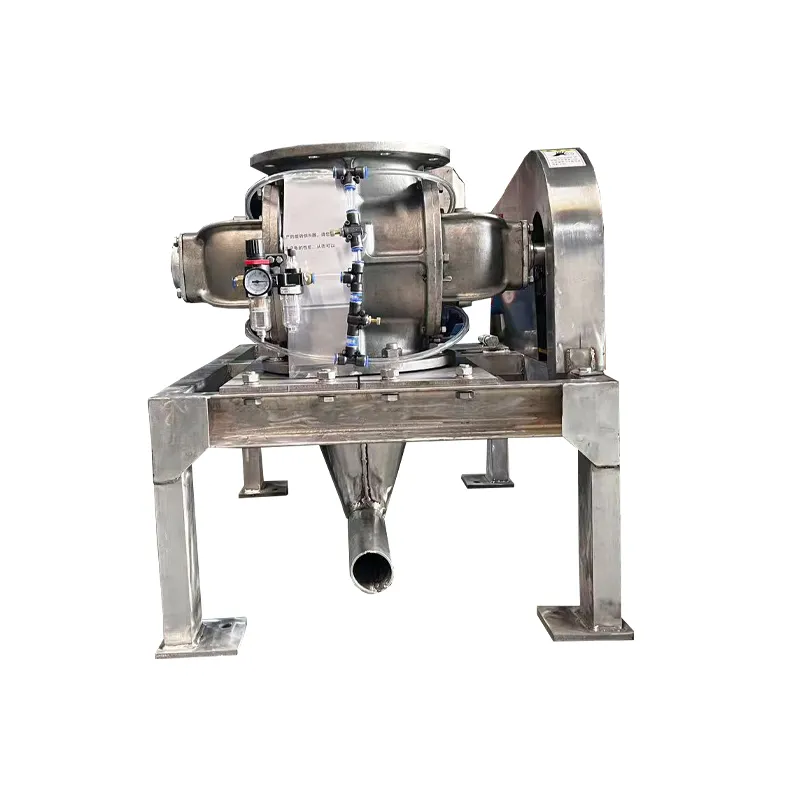
An industrial rotary feeder serves as a critical component in most bulk material handling systems, regulating material flow from storage hoppers into pneumatic conveying lines or processing equipment. When these devices operate under demanding industrial conditions, their reliability directly impacts production efficiency and operational costs. Preventive maintenance practices can significantly extend feeder lifespan, reduce unexpected downtime, and preserve the precision necessary for controlled material discharge in bulk material handling systems.
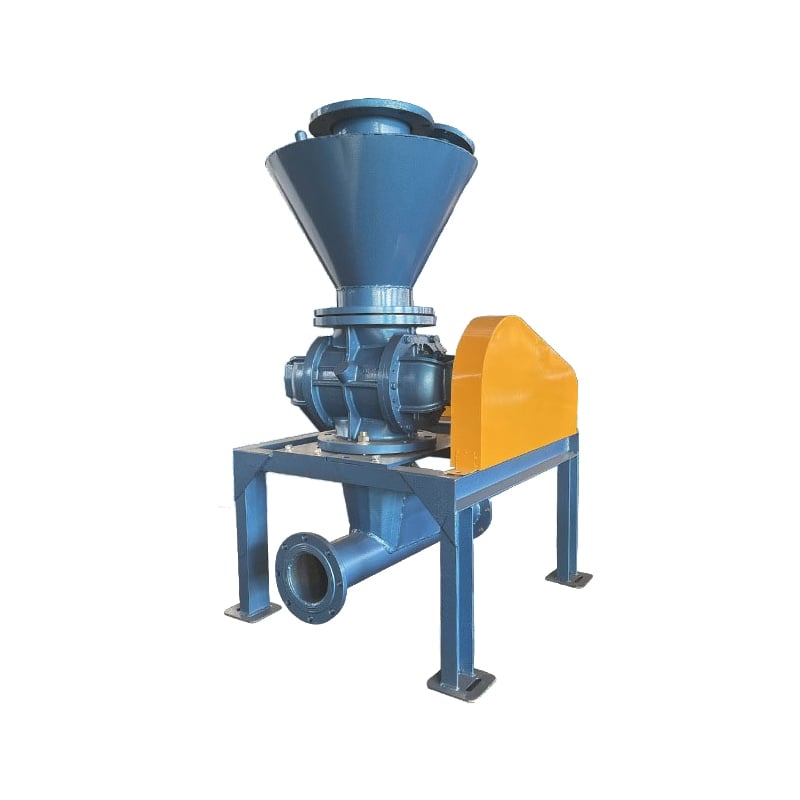
Understanding the specific maintenance requirements of an industrial rotary feeder requires knowledge of how these systems interact with gravimetric feeder control systems and rotary airlock valve configurations. Material buildup, wear patterns, and seal degradation follow predictable trajectories that operators can monitor and address proactively. The difference between a feeder that operates for years versus one that fails prematurely often comes down to disciplined maintenance scheduling and attention to early warning signs.
Regular Inspection and Cleaning Protocols
Establishing a Systematic Inspection Schedule
The foundation of extending industrial rotary feeder performance lies in establishing routine inspection intervals aligned with production volume and material characteristics. Weekly visual inspections should check for material accumulation around seals, unusual vibration patterns, and audible changes in operating noise. Monthly inspections can include more detailed checks of rotational speed consistency and discharge uniformity. For facilities using gravimetric feeder control systems, these inspections should verify that sensors remain calibrated and that control response times match equipment specifications.
Documentation of inspection findings creates a maintenance history that helps predict component failure before catastrophic breakdown occurs. Operators should record discharge material flow patterns, any fluctuations in feeder speed, and changes in bearing temperature. This data becomes invaluable when paired with bulk material handling systems diagnostics, revealing trends that might indicate seal wear, bearing degradation, or housing misalignment requiring attention.
Cleaning and Material Residue Management
Material residue accumulation represents one of the fastest routes to industrial rotary feeder failure, particularly when handling hygroscopic, sticky, or abrasive materials. Residual material can harden inside the feeder housing, creating friction spots that accelerate wear and increase motor load. After each shift or production run, accessible areas should be cleaned to prevent buildup around the rotor, housing interior, and discharge outlet. For bulk material handling systems handling materials prone to caking, cleaning intervals may need to become daily rather than weekly.
The rotary airlock valve configuration requires special attention during cleaning, as blockages in the valve ports directly reduce feeder capacity and increase pressure drop across the system. A compressed air blowdown or soft brush cleaning of valve rotor edges prevents material bridges that restrict discharge flow. When using wet cleaning methods, ensure complete drying before operation to prevent moisture from promoting corrosion or affecting material flow characteristics.
Seal Maintenance and Bearing Care
Seal Inspection and Replacement Timing
Seals represent the industrial rotary feeder's primary defense against material infiltration into bearing cavities and oil loss from sealed housings. Shaft seals typically show wear patterns before complete failure, manifesting as increased oil weeping around the shaft collar or fine material dust appearing in bearing areas. Most manufacturers recommend seal inspection every six months under normal operating conditions, with replacement every 12 to 24 months depending on duty cycle intensity. For facilities operating their bulk material handling systems continuously, seal replacement intervals should shift toward the shorter end of that range.
When seals require replacement, use only approved replacement parts matching the original specifications, as improper seal selection or installation can actually accelerate feeder wear. Shaft runout should be verified during seal replacement to ensure that vibration or misalignment is not prematurely wearing new seals. Many industrial rotary feeder failures stem not from the seal material itself but from rotor imbalance or bearing wear that creates shaft movement exceeding seal design tolerances.
Bearing Lubrication and Temperature Management
Proper bearing lubrication stands as one of the simplest yet most effective maintenance practices for extending industrial rotary feeder life. Bearings should be checked for adequate oil or grease level before each production shift, with oil changes performed according to the equipment manual schedule or when analysis indicates oil degradation. Contaminated bearing oil accelerates wear and can cause progressive damage that becomes visible only after significant internal wear has occurred. Using a gravimetric feeder control system helps maintain consistent load patterns, which in turn reduces bearing stress and extends lubrication intervals.
Bearing temperature monitoring provides an early warning signal for lubrication problems or internal wear developing within the industrial rotary feeder. Normal operating temperatures for most feeders fall between 60 and 80 degrees Celsius at the bearing housing; temperatures exceeding 90 degrees indicate inadequate lubrication, excessive load, or bearing wear requiring investigation. Infrared thermometers offer a non-invasive way to track bearing temperature during routine checks, with sustained temperature increases signaling the need for immediate bearing inspection or replacement before seals fail from excess heat exposure.
Alignment, Vibration Control, and Material Flow Optimization
Coupling Alignment and Foundation Stability
Misalignment between the industrial rotary feeder motor and driven equipment introduces vibration that accelerates bearing wear and can fracture mounting bolts over time. Laser alignment of couplings should occur during initial installation and after any maintenance work affecting the motor or feeder relationship. Foundation bolts warrant regular tightening checks, as vibration gradually loosens fasteners and allows the feeder to shift position relative to connecting bulk material handling systems equipment. Preventive bolt inspection every three months catches loose fasteners before they allow movement that damages bearings or seals.
Installation on resilient mounts designed for the feeder's operating frequency reduces vibration transmission to surrounding structure and extends overall system life. If vibration levels increase noticeably, this often indicates coupling wear, rotor imbalance, or bearing degradation developing within the industrial rotary feeder. Baseline vibration measurements taken after proper installation provide a reference point for detecting when vibration changes warrant investigation.
Material Flow and Rotary Airlock Valve Performance
The rotary airlock valve configuration demands that discharge material flow remains uniform across all rotor pockets to prevent uneven wear patterns and excessive bearing loads. When discharge flow becomes erratic or pulse-like, this often signals that material is not filling rotor pockets evenly or that gravity feed from the hopper is insufficient. Adjusting inlet material head pressure, redistributing material entry points, or modifying hopper outlet geometry can restore smooth flow and reduce feeder wear. For bulk material handling systems with gravimetric feeder control, maintaining consistent feeder speed while adjusting material supply ensures predictable discharge rates and prevents control system hunting that stresses mechanical components.
Material characteristics significantly influence feeder wear rates; abrasive materials accelerate rotor and housing wear while sticky materials promote seal and valve port blockages. Changing material sources, adding lubricity agents, or increasing cleaning frequencies may become necessary when industrial rotary feeder wear rates exceed expected norms. Monitoring wear patterns on rotor tips and housing walls provides feedback about whether current operating procedures are appropriate for the material being handled.
FAQ
How often should an industrial rotary feeder receive preventive maintenance?
Most industrial rotary feeder systems benefit from weekly visual inspections, monthly detailed checks, and quarterly in-depth maintenance reviews. For bulk material handling systems operating continuously or under severe duty, maintenance intervals should compress toward weekly detailed inspections and daily cleaning. The specific schedule depends on production volume, material type, gravimetric feeder control precision requirements, and equipment age. Establishing a maintenance log helps track intervals and predict when major service becomes due.
What are the early warning signs that a rotary airlock valve needs repair?
Changes in material discharge uniformity, increased sound or vibration, difficulty maintaining target feed rates, and higher motor currents all indicate developing rotary airlock valve problems. Material leakage around the shaft or visible material accumulation inside valve ports suggests seal wear or blockage. If a rotary airlock valve begins showing these symptoms, diagnosis should occur promptly because continued operation with a failing valve accelerates housing and rotor wear across the industrial rotary feeder system.
Can gravimetric feeder control systems help extend feeder life?
Yes, gravimetric feeder control systems actively extend industrial rotary feeder and bulk material handling systems life by maintaining consistent load conditions and preventing the speed fluctuations that stress bearings. Stable control feedback keeps the feeder operating near its optimal efficiency point rather than cycling through rapid speed variations. Precise material flow management reduces the likelihood of overload conditions that accelerate wear on all rotating components and seals.