
 EN
EN
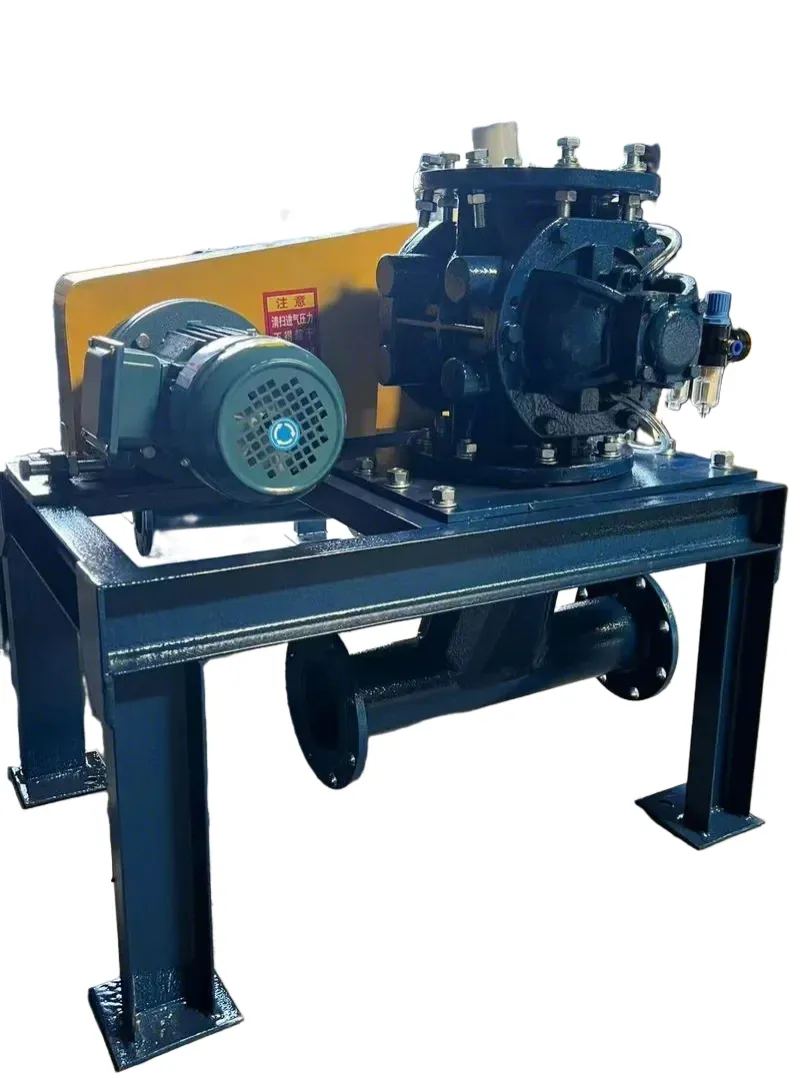
Dust control stands as a critical concern in modern industrial operations, particularly when managing bulk materials across production environments. An industrial rotary feeder addresses this challenge by serving as a precision interface between material sources and downstream processing systems. These devices create sealed barriers that prevent fugitive dust emissions while maintaining consistent flow rates, making them essential components within comprehensive bulk material handling equipment strategies. The rotary valve airlock feeder represents a technological advancement that combines mechanical reliability with environmental responsibility, allowing facilities to operate within increasingly stringent air quality regulations.
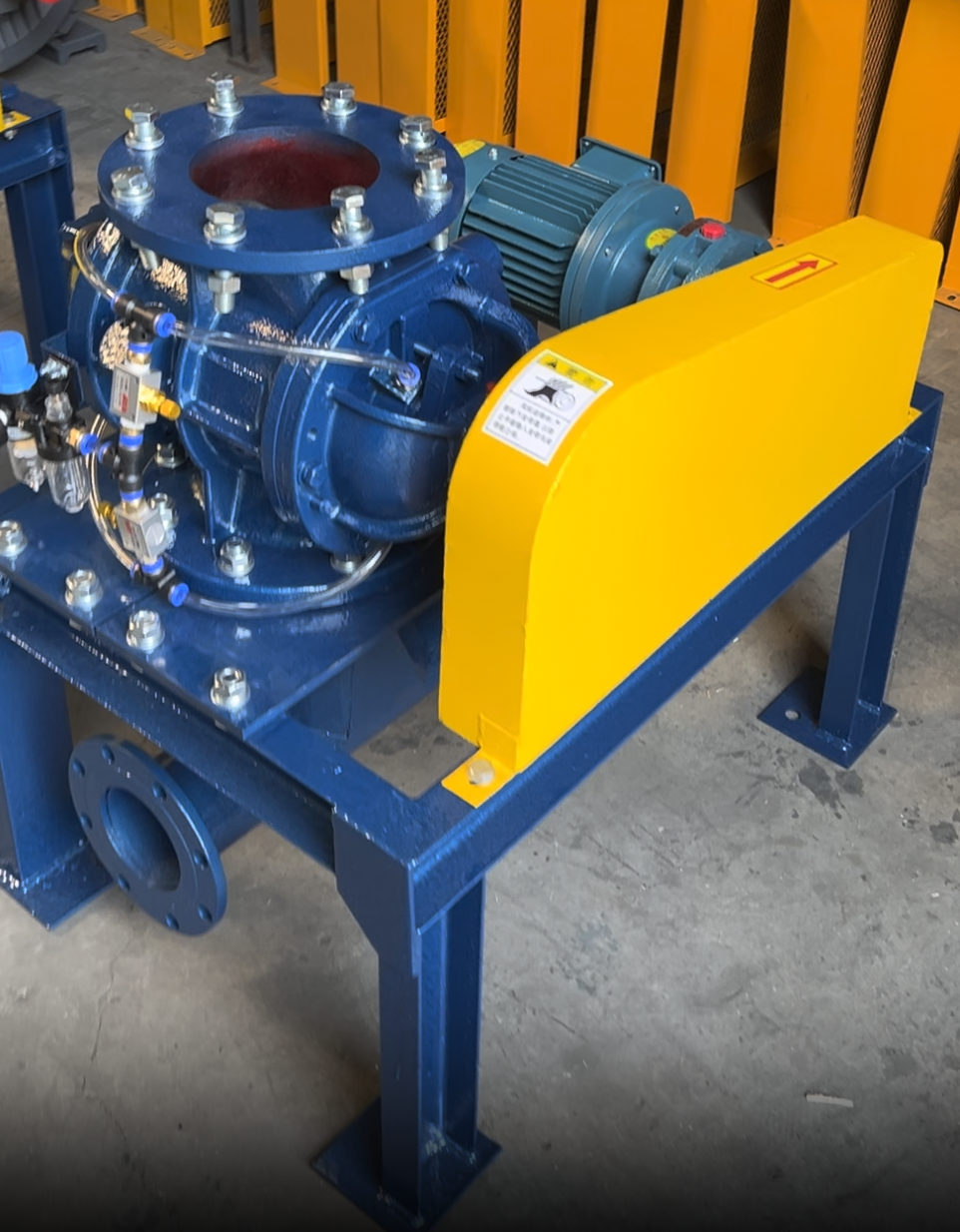
Industrial operations ranging from cement production to chemical processing depend on equipment that bridges storage vessels with active processing lines. A rotary valve airlock feeder prevents material bypass while creating an airtight seal that stops dust from escaping into the workplace atmosphere. This dual function—metering material flow while eliminating dust migration—explains why industrial rotary feeder systems have become standard in facilities prioritizing worker safety and environmental compliance. The screw conveyor feeder system works synergistically with rotary valve technology to create complete material management networks that maintain both operational efficiency and air quality standards.
How Rotary Feeder Technology Controls Dust During Transfer
Sealing Mechanism and Pressure Differential Management
An industrial rotary feeder operates by rotating specially designed lobes or vanes inside a sealed chamber, creating expanding and contracting volumes that meter material precisely while maintaining pressure isolation. The rotating element blocks material from freely falling between input and output ports, preventing dust clouds from forming within the transfer zone. This mechanical sealing occurs regardless of material characteristics, making the bulk material handling equipment approach universally applicable across different powder and granule types. The pressure differential between hopper and discharge creates natural resistance that the rotary valve airlock feeder overcomes through controlled rotation, ensuring steady material flow without vibration or spillage that would compromise dust containment.
Integration with Dust Collection Systems
Modern industrial rotary feeder installations incorporate vacuum or positive pressure systems that work in tandem with the valve itself. When paired with a screw conveyor feeder system, the rotary mechanism sits at the interface point where air velocities would otherwise suspend particles. The sealed cavity design of the rotary valve airlock feeder eliminates dead zones where dust accumulates, while the continuous rotation prevents material compaction that might create excessive pressure or mechanical failure. Industrial facilities implementing this technology report significant reductions in airborne particulate concentrations at the material transfer point, directly supporting workplace safety initiatives and reducing housekeeping labor requirements across production floors.
Material Characteristics and Feeder Selection Considerations
Handling Variable Bulk Material Compositions
Different industrial materials present distinct challenges within bulk material handling equipment systems. An industrial rotary feeder must accommodate variations in particle size distribution, moisture content, and material density without compromising seal integrity. The rotary valve airlock feeder design allows adjustment of rotation speed to match material flow properties, preventing bridging in hoppers above while ensuring positive discharge below. Materials prone to caking or agglomeration require careful lobe geometry selection within the screw conveyor feeder system framework, as inadequate clearances can cause binding and mechanical damage.
Environmental and Operational Factors
Temperature extremes and corrosive atmospheres influence material transfer dynamics within bulk material handling equipment installations. An industrial rotary feeder constructed from appropriate alloys maintains dust sealing performance even when processing heated powders or hygroscopic substances. The rotary valve airlock feeder technology demonstrates reliability across temperature ranges from cryogenic processing to high-temperature discharge applications. Facilities operating in humid environments must specify materials and coatings for the screw conveyor feeder system components to prevent rust formation that might compromise seal quality and introduce contaminants into processed materials.
System Integration and Performance Optimization
Downstream System Compatibility and Workflow Design
An industrial rotary feeder must coordinate seamlessly with both upstream material sources and downstream processing equipment. The bulk material handling equipment network requires careful sizing so that the rotary valve airlock feeder discharge rate matches the consumption rate of downstream pneumatic conveying or mechanical transfer systems. Oversizing creates backup conditions that strain seals, while undersizing causes starvation that disrupts production continuity. The screw conveyor feeder system must operate at speeds synchronized with the rotary mechanism, creating balanced material flow that prevents dust generation through irregular introduction or spillage patterns.
Maintenance and Long-Term Dust Control Performance
Regular inspection schedules ensure that an industrial rotary feeder continues delivering dust control performance throughout extended service intervals. The rotary valve airlock feeder seals wear gradually as material abrasion affects the lobe surfaces and chamber walls. Preventive maintenance programs establish replacement intervals before seal degradation allows fugitive dust breakthrough. An effective bulk material handling equipment maintenance strategy includes regular seal verification, bearing lubrication monitoring, and rotation speed confirmation to maintain the pressure differentials that distinguish a properly functioning rotary valve airlock feeder from marginal installations. The screw conveyor feeder system components should be inspected simultaneously to identify wear patterns that might affect material flow characteristics and dust generation rates.
FAQ
Does an industrial rotary feeder eliminate all dust during material transfer?
An industrial rotary feeder significantly reduces dust through sealed metering, but complete elimination depends on the entire bulk material handling equipment system design. If air velocities in connecting ducts or hoppers exceed material settling rates, dust can still become suspended downstream. A properly specified rotary valve airlock feeder installed within a comprehensive screw conveyor feeder system framework achieves dust control ratings exceeding 99.9 percent at the transfer point itself, though peripheral sources may require additional dust collection infrastructure.
What maintenance frequency does a rotary valve airlock feeder require?
Maintenance intervals for an industrial rotary feeder depend on material abrasiveness and operating hours, typically ranging from six months to two years between seal inspections. The bulk material handling equipment environment determines wear rates significantly—gentle materials like flour require less frequent attention than highly abrasive substances like minerals or grinding media. A screw conveyor feeder system operating alongside the rotary valve airlock feeder may require synchronized maintenance cycles to ensure consistent dust control and system reliability throughout extended production runs.
Can an industrial rotary feeder handle moisture-sensitive materials?
Yes, an industrial rotary feeder accommodates moisture-sensitive bulk material handling equipment applications through sealed chamber design that prevents atmospheric moisture intrusion. The rotary valve airlock feeder provides superior humidity isolation compared to open chutes or gravity drops, making it ideal for hygroscopic powders and materials prone to caking. However, the screw conveyor feeder system must also include moisture management features, and some applications may require heated or dehumidified air within the enclosed transfer pathway to prevent condensation and material degradation.