 EN
EN
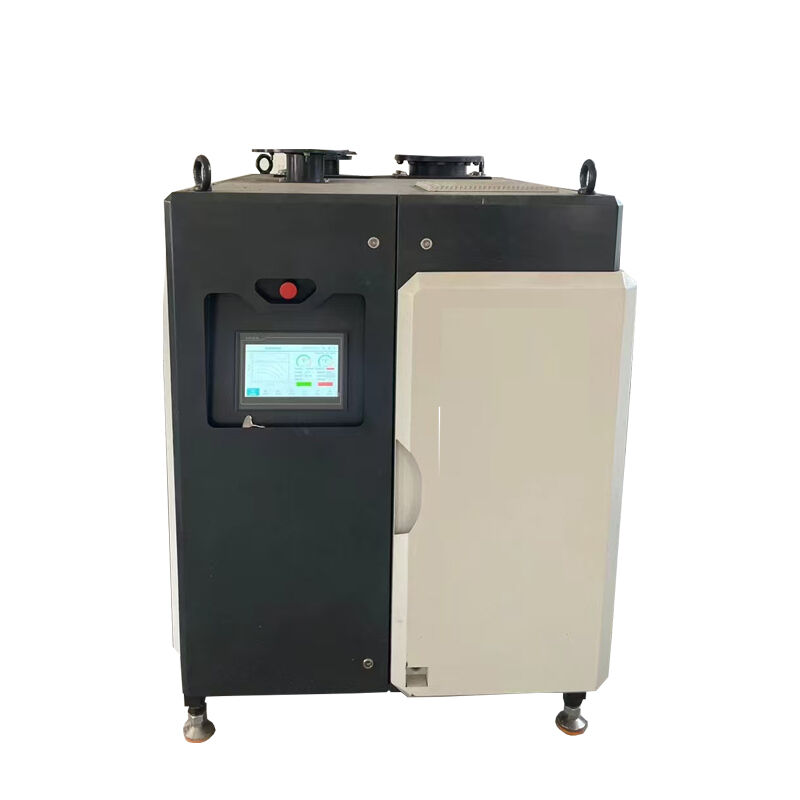
Industrial facilities across manufacturing, wastewater treatment, and HVAC sectors face mounting pressure to reduce operational expenses while maintaining reliable air handling performance. Traditional blower systems with mechanical bearings require frequent maintenance interventions, creating significant downtime costs and ongoing repair expenses. The question of whether magnetic levitation blower technology can deliver measurable maintenance cost reductions has become increasingly relevant as facility managers seek long-term operational efficiency improvements.
The answer is definitively yes, but the extent of maintenance cost reduction depends on specific operational conditions, current maintenance practices, and implementation approach. A magnetic levitation blower eliminates the primary wear components found in conventional bearing-based systems, resulting in dramatically reduced maintenance requirements and associated labor costs. Understanding the mechanics behind these savings and the conditions that maximize them enables informed decision-making for facility upgrades and new installations.
Fundamental Maintenance Cost Drivers in Traditional Blower Systems
Bearing Replacement and Lubrication Requirements
Conventional blower systems rely on mechanical bearings that require regular lubrication, monitoring, and eventual replacement. These bearings operate under continuous rotational stress, generating heat and experiencing gradual wear that necessitates predictive maintenance programs. The magnetic levitation blower technology eliminates this entirely by suspending the impeller using electromagnetic fields, removing physical contact between rotating and stationary components.
Traditional bearing maintenance typically involves quarterly lubrication schedules, annual vibration analysis, and bearing replacement every 2-3 years depending on operating conditions. Each maintenance intervention requires system shutdown, skilled technician time, and replacement parts inventory management. The cumulative cost of these activities often represents 15-25% of total system operating expenses over a 10-year operational period.
Vibration-Related Component Wear
Mechanical bearings generate operational vibration that propagates throughout the blower system, accelerating wear on secondary components including seals, couplings, and mounting hardware. This vibration-induced wear creates cascading maintenance requirements that extend beyond the primary bearing components. A magnetic levitation blower operates with minimal vibration due to the frictionless magnetic suspension system.
The reduction in system vibration directly translates to extended service life for auxiliary components, reducing both planned and unplanned maintenance interventions. Facilities using magnetic levitation blower systems report 60-80% reduction in vibration-related component replacements compared to equivalent conventional systems, contributing significantly to overall maintenance cost reduction.
Quantifiable Maintenance Cost Reduction Mechanisms
Labor Cost Elimination Through Reduced Service Intervals
The most immediate maintenance cost reduction comes from eliminated routine service requirements. Traditional blower systems require quarterly maintenance visits for lubrication, inspection, and adjustment procedures. Each service visit typically requires 2-4 hours of skilled technician time, plus travel costs and potential production interruptions.
A properly installed magnetic levitation blower can operate for 12-18 months between maintenance interventions, with many systems requiring only annual inspection and basic cleaning procedures. This dramatic extension of service intervals directly reduces labor costs while improving system availability. The elimination of lubrication requirements alone can save $1,200-2,000 annually per blower unit in combined labor and material costs.
Parts Inventory and Procurement Savings
Conventional blower maintenance requires maintaining inventory of bearings, seals, lubricants, and wear components to support planned and emergency repair activities. This inventory represents tied capital and storage costs, plus the risk of obsolescence for specialized components. The magnetic levitation blower significantly reduces required parts inventory through component elimination.
Facilities typically reduce blower-related parts inventory by 40-60% when transitioning to magnetic levitation systems. The remaining inventory consists primarily of basic electrical components and control system elements that are standardized and readily available. This inventory reduction frees working capital while reducing procurement complexity and supplier management requirements.
Operational Reliability Impact on Maintenance Economics
Unplanned Downtime Cost Avoidance
Emergency bearing failures represent the highest-cost maintenance events in conventional blower operations. These failures often occur during peak operational periods, creating production disruptions that far exceed the direct repair costs. Emergency repairs typically cost 3-5 times more than planned maintenance due to overtime labor, expedited parts procurement, and production losses.
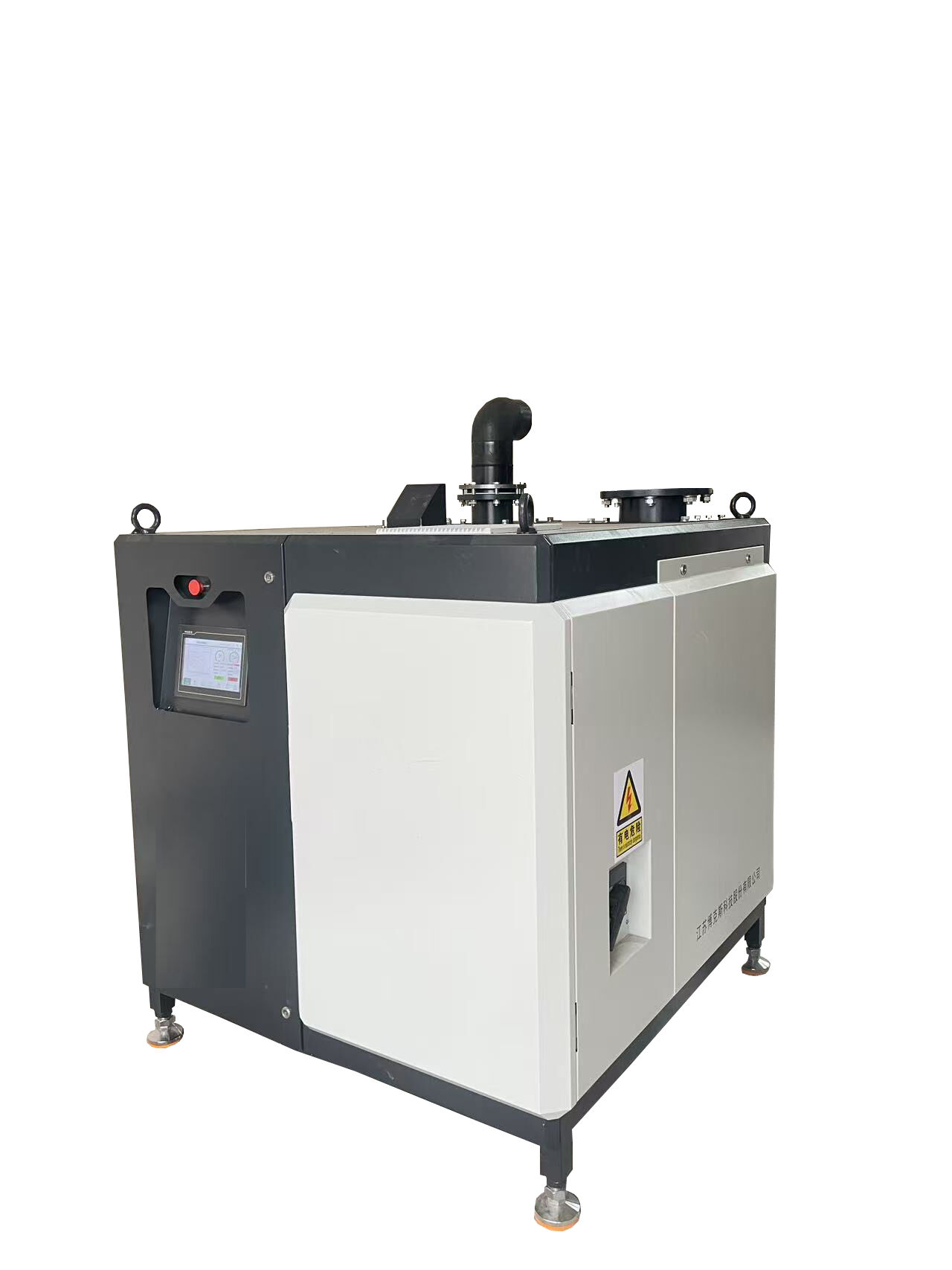
The magnetic levitation blower eliminates the primary failure mode responsible for emergency shutdowns. The magnetic bearing system includes integrated monitoring that provides advance warning of any performance degradation, enabling planned maintenance rather than reactive repair. This predictability allows maintenance scheduling during planned downtime periods, eliminating emergency service costs.
System Availability and Production Continuity
Higher system availability directly translates to reduced maintenance costs per unit of production output. A magnetic levitation blower typically achieves 98-99% availability compared to 92-95% for conventional bearing systems. This improved availability reduces the effective maintenance cost per operating hour while improving production consistency.
The reliability advantage becomes more pronounced in critical applications where blower failure directly impacts production capacity. In wastewater treatment facilities, for example, blower downtime can trigger regulatory compliance issues and potential fines. The enhanced reliability of magnetic levitation systems provides quantifiable risk reduction that factors into total cost of ownership calculations.
Implementation Factors That Maximize Maintenance Savings
Proper Installation and Commissioning Requirements
Realizing the full maintenance cost benefits of magnetic levitation blower technology requires proper installation and commissioning procedures. The magnetic bearing control system must be correctly calibrated and the operating environment must meet specified cleanliness and temperature requirements. Inadequate installation can compromise system reliability and reduce the expected maintenance savings.
Successful implementations include comprehensive training for maintenance personnel on the unique characteristics of magnetic levitation systems. While overall maintenance requirements are reduced, the remaining maintenance activities require different skills and procedures compared to conventional systems. Proper training ensures that maintenance activities are performed correctly and efficiently.
Integration with Existing Maintenance Programs
Maximum maintenance cost reduction occurs when magnetic levitation blower systems are integrated into existing computerized maintenance management systems with appropriate scheduling and monitoring procedures. The extended service intervals and different maintenance requirements must be reflected in maintenance planning to avoid unnecessary service activities or delayed necessary interventions.
Effective integration includes establishing new performance monitoring baselines and alarm thresholds specific to magnetic levitation technology. The built-in diagnostic capabilities of these systems provide more detailed performance data than conventional blowers, enabling condition-based maintenance strategies that further optimize maintenance timing and scope.
Long-Term Economic Analysis and ROI Considerations
Total Cost of Ownership Calculation Methods
Calculating the maintenance cost impact of magnetic levitation blower technology requires comprehensive total cost of ownership analysis that includes initial capital costs, energy consumption, maintenance expenses, and end-of-life considerations. While magnetic levitation systems typically have higher initial costs, the maintenance savings often justify the investment within 3-5 years of operation.
The maintenance cost reduction typically represents 20-40% of total operating cost savings, with energy efficiency improvements providing additional economic benefits. Facilities with high labor costs or critical process requirements often see faster payback periods due to the enhanced value of reduced maintenance requirements and improved reliability.
Risk Mitigation Value in Maintenance Planning
The predictable maintenance requirements of magnetic levitation blower systems enable more accurate budgeting and resource planning compared to conventional systems with variable failure rates. This predictability has quantifiable value in maintenance program management, allowing better allocation of maintenance resources and more accurate long-term cost projections.
The reduced maintenance variability also minimizes the need for emergency maintenance capabilities and standby equipment, further contributing to overall system cost reduction. Facilities can often reduce maintenance staffing requirements or redeploy maintenance resources to other equipment when magnetic levitation systems reduce overall maintenance demands.
FAQ
How much maintenance cost reduction can be expected from magnetic levitation blower systems?
Most facilities experience 40-70% reduction in direct maintenance costs for magnetic levitation blower systems compared to equivalent conventional bearing systems. The exact savings depend on current maintenance practices, labor costs, and operating conditions. Higher-use applications with frequent maintenance requirements typically see greater percentage savings.
What maintenance activities are still required for magnetic levitation blowers?
Magnetic levitation blower systems still require periodic inspection of electrical connections, cleaning of air filters and intake components, and monitoring of control system performance. However, these activities are typically performed annually rather than quarterly, and do not require system disassembly or specialized bearing maintenance procedures.
Are there any new maintenance requirements specific to magnetic levitation technology?
Magnetic levitation systems require monitoring of the magnetic bearing control system and periodic calibration of position sensors. These activities require different skills than traditional mechanical maintenance but are typically less labor-intensive and can often be performed while the system remains in operation. Training for maintenance personnel is essential to develop these new capabilities.
How does the maintenance cost reduction compare to the higher initial cost of magnetic levitation systems?
The maintenance cost savings, combined with energy efficiency improvements, typically recover the additional initial cost within 3-5 years depending on operating conditions and local cost factors. In critical applications where downtime costs are high, the payback period is often shorter due to the enhanced reliability and availability of magnetic levitation systems.
Table of Contents
- Fundamental Maintenance Cost Drivers in Traditional Blower Systems
- Quantifiable Maintenance Cost Reduction Mechanisms
- Operational Reliability Impact on Maintenance Economics
- Implementation Factors That Maximize Maintenance Savings
- Long-Term Economic Analysis and ROI Considerations
-
FAQ
- How much maintenance cost reduction can be expected from magnetic levitation blower systems?
- What maintenance activities are still required for magnetic levitation blowers?
- Are there any new maintenance requirements specific to magnetic levitation technology?
- How does the maintenance cost reduction compare to the higher initial cost of magnetic levitation systems?