
 EN
EN
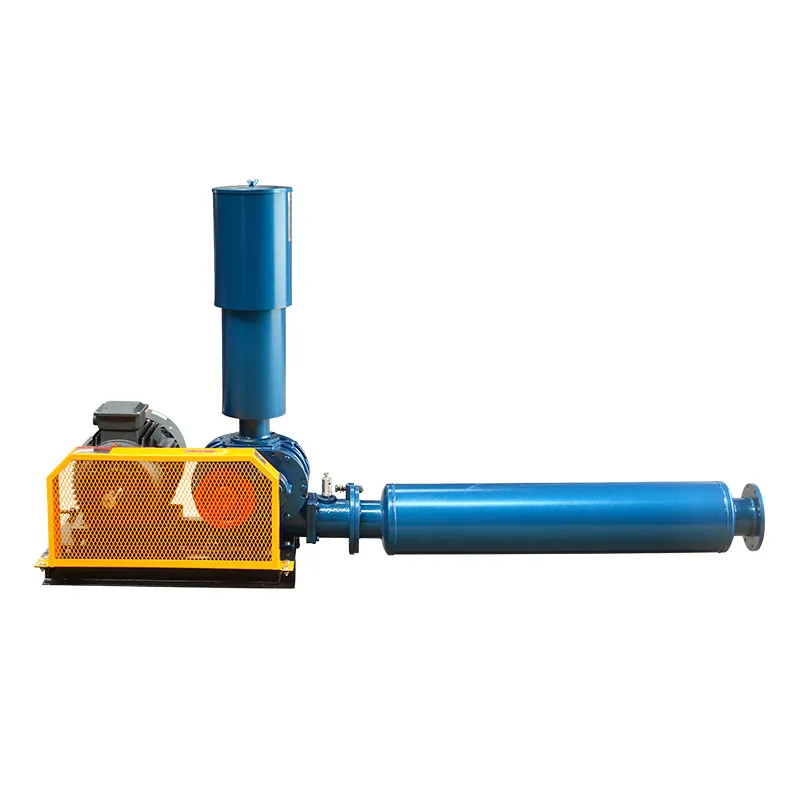
Pond oxygenation efficiency stands as a critical factor determining the success of modern aquaculture operations, directly influencing fish health, growth rates, and overall production yields. The integration of specialized aeration equipment has become essential for maintaining optimal dissolved oxygen levels, with aquaculture roots blower systems emerging as a powerful solution for large-scale fish farming facilities seeking consistent and reliable oxygenation performance.
The deployment of an aquaculture roots blower represents a significant advancement in pond aeration technology, offering superior air delivery capacity and energy efficiency compared to traditional surface aerators or paddle wheel systems. These positive displacement blowers generate consistent airflow volumes under varying pressure conditions, ensuring stable oxygen transfer rates even during peak demand periods when fish populations require maximum dissolved oxygen concentrations for optimal metabolic function.
Mechanism of Enhanced Oxygen Transfer Through Roots Blower Systems
Positive Displacement Air Delivery Process
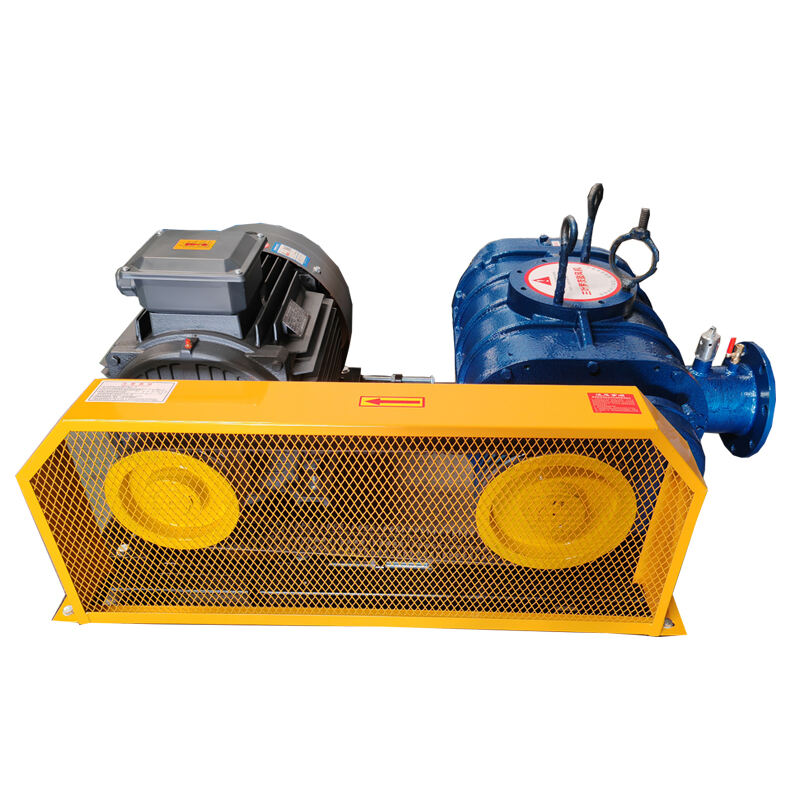
An aquaculture roots blower operates through a precise positive displacement mechanism that delivers consistent air volumes regardless of system back pressure variations. The twin-rotor design creates sealed chambers that transport ambient air from the inlet to the discharge port without internal compression, maintaining steady flow rates essential for predictable oxygenation performance. This mechanical reliability ensures that pond operators can calculate exact oxygen delivery rates based on blower specifications and operating parameters.
The consistent air delivery characteristic of roots blower technology eliminates the fluctuations commonly experienced with centrifugal fans or regenerative blowers, providing aquaculture facilities with precise control over dissolved oxygen management. Operating pressures typically range from 0.5 to 1.5 bar gauge, allowing effective air distribution through diffuser networks positioned at optimal pond depths for maximum oxygen transfer efficiency.
Fine Bubble Generation and Surface Area Maximization
The pressurized air delivered by an aquaculture roots blower enables the use of fine bubble diffusion systems that significantly increase the air-water contact surface area compared to coarse bubble methods. Fine bubbles maintain longer residence times in the water column, allowing extended contact periods that enhance oxygen dissolution rates and improve overall transfer efficiency. The smaller bubble size also creates more uniform distribution patterns throughout the pond volume.
Research indicates that fine bubble aeration systems powered by roots blowers can achieve oxygen transfer efficiencies of 15-25% compared to 5-10% for surface aeration methods. This substantial improvement in oxygen dissolution translates directly to reduced energy consumption per kilogram of oxygen transferred, making aquaculture roots blower systems economically advantageous for intensive fish farming operations requiring continuous aeration.
Operational Advantages for Aquaculture Applications
Energy Efficiency and Cost Reduction Benefits
The superior energy efficiency of aquaculture roots blower systems stems from their ability to maintain consistent performance across varying load conditions while operating at optimal efficiency points. Unlike centrifugal systems that experience significant performance degradation under back pressure, roots blowers deliver rated airflow volumes with minimal energy penalty, resulting in lower operational costs per unit of oxygen transferred to pond water.
Long-term cost analysis demonstrates that aquaculture roots blower installations typically achieve payback periods of 18-24 months through reduced electricity consumption and improved fish production efficiency. The combination of lower energy costs and enhanced oxygenation effectiveness creates substantial economic benefits for commercial aquaculture operations seeking to optimize their production economics.
Reliability and Maintenance Considerations
The robust mechanical design of aquaculture roots blower units provides exceptional operational reliability essential for critical aquaculture applications where aeration system failures can result in significant fish mortality. The simple twin-rotor configuration minimizes wearing components and reduces maintenance requirements compared to more complex aeration technologies, ensuring consistent performance over extended operational periods.
Preventive maintenance programs for aquaculture roots blower systems typically involve routine lubrication, filter replacement, and periodic inspection of rotor clearances, representing significantly lower maintenance complexity than alternative aeration methods. This operational simplicity reduces labor costs and minimizes the risk of unexpected equipment failures that could compromise pond oxygenation during critical production phases.
System Integration and Pond Design Optimization
Air Distribution Network Configuration
Effective integration of an aquaculture roots blower requires careful design of the air distribution system to ensure uniform oxygenation throughout the entire pond volume. The consistent pressure output characteristics of roots blowers enable the use of extensive diffuser networks with multiple branch circuits, allowing precise control over air delivery to different pond zones based on fish density and oxygen demand patterns.
Optimal diffuser placement typically involves positioning fine bubble generators at depths of 2-4 meters, depending on pond geometry and target species requirements. The steady pressure delivery of aquaculture roots blower systems ensures consistent performance across all diffuser locations, eliminating dead zones and maintaining uniform dissolved oxygen concentrations throughout the pond environment.
Control System Integration and Automation
Modern aquaculture facilities increasingly integrate roots blower systems with automated dissolved oxygen monitoring and control equipment to optimize aeration efficiency based on real-time pond conditions. Variable frequency drives can modulate blower output to match oxygen demand fluctuations, maintaining target dissolved oxygen levels while minimizing energy consumption during periods of reduced fish activity or favorable environmental conditions.
The predictable performance characteristics of aquaculture roots blower technology enable precise integration with pond management software systems that monitor water quality parameters, fish feeding schedules, and environmental conditions. This automation capability allows aquaculture operators to maintain optimal oxygenation conditions while reducing labor requirements and improving overall production consistency.
Performance Optimization Strategies
Operating Parameter Management
Maximizing the oxygenation efficiency of aquaculture roots blower systems requires careful attention to operating parameters including air pressure, flow rate, and diffuser depth configuration. Optimal performance typically occurs when blowers operate within their design efficiency ranges, maintaining consistent pressure delivery while avoiding excessive back pressure that could reduce airflow volumes and increase energy consumption.
Temperature considerations also play a crucial role in aquaculture roots blower performance, as ambient air temperature affects air density and consequently the mass flow rate delivered to pond diffusers. Seasonal adjustments to operating parameters help maintain consistent oxygen transfer rates despite variations in air temperature and atmospheric conditions that influence dissolved oxygen solubility in pond water.
Maintenance Protocols for Sustained Performance
Establishing comprehensive maintenance protocols ensures that aquaculture roots blower systems maintain peak oxygenation efficiency throughout their operational lifetime. Regular inspection of rotor clearances, bearing condition, and seal integrity prevents performance degradation that could compromise pond oxygenation capacity during critical production periods when fish oxygen demand reaches maximum levels.
Filter maintenance represents a particularly important aspect of aquaculture roots blower care, as clogged inlet filters can significantly reduce airflow capacity and increase energy consumption. Implementing scheduled filter replacement protocols based on operating hours and environmental conditions helps maintain optimal system performance while extending equipment service life.
Economic Impact on Aquaculture Operations
Production Yield Enhancement
The improved oxygenation efficiency achieved through aquaculture roots blower implementation directly translates to enhanced fish production yields through several mechanisms including improved feed conversion ratios, reduced mortality rates, and accelerated growth performance. Consistent dissolved oxygen levels maintained by reliable aeration systems create optimal conditions for fish metabolic function and overall health maintenance.
Studies conducted on intensive aquaculture operations demonstrate that facilities utilizing aquaculture roots blower systems typically achieve 15-20% improvements in production efficiency compared to conventional aeration methods. This enhanced productivity results from the ability to maintain higher fish stocking densities while preserving water quality standards necessary for optimal fish health and growth performance.
Return on Investment Analysis
Comprehensive economic analysis of aquaculture roots blower installations reveals favorable return on investment profiles driven by multiple value creation mechanisms including reduced energy costs, improved production yields, and decreased mortality rates. The combination of operational efficiency gains and enhanced production capacity typically generates positive cash flows within the first two years of system deployment.
Long-term financial benefits extend beyond immediate operational improvements to include reduced equipment replacement costs due to the superior reliability and extended service life characteristics of aquaculture roots blower technology. These factors combine to create compelling economic justification for upgrading existing aeration systems or incorporating roots blower technology in new facility designs.
FAQ
What pressure range is optimal for aquaculture roots blower operation in pond aeration applications?
Optimal pressure ranges for aquaculture roots blower systems typically fall between 0.5 to 1.5 bar gauge, depending on diffuser depth and system design requirements. This pressure range ensures effective fine bubble generation while maintaining energy efficiency and preventing excessive stress on distribution components.
How does an aquaculture roots blower compare to surface aerators in terms of oxygen transfer efficiency?
Aquaculture roots blower systems with fine bubble diffusion typically achieve oxygen transfer efficiencies of 15-25% compared to 5-10% for surface aerators. The enhanced efficiency results from increased air-water contact surface area and longer bubble residence times in the water column.
What maintenance requirements are associated with aquaculture roots blower systems?
Maintenance requirements for aquaculture roots blower systems include routine lubrication, inlet filter replacement, periodic rotor clearance inspection, and bearing condition monitoring. These maintenance tasks are typically less complex than alternative aeration technologies, resulting in lower operational costs and higher system reliability.
Can aquaculture roots blower systems be integrated with automated pond management controls?
Yes, aquaculture roots blower systems integrate effectively with automated dissolved oxygen monitoring and control equipment. Variable frequency drives enable output modulation based on real-time pond conditions, optimizing energy consumption while maintaining target dissolved oxygen levels throughout varying operational demands.
Table of Contents
- Mechanism of Enhanced Oxygen Transfer Through Roots Blower Systems
- Operational Advantages for Aquaculture Applications
- System Integration and Pond Design Optimization
- Performance Optimization Strategies
- Economic Impact on Aquaculture Operations
-
FAQ
- What pressure range is optimal for aquaculture roots blower operation in pond aeration applications?
- How does an aquaculture roots blower compare to surface aerators in terms of oxygen transfer efficiency?
- What maintenance requirements are associated with aquaculture roots blower systems?
- Can aquaculture roots blower systems be integrated with automated pond management controls?