
 EN
EN
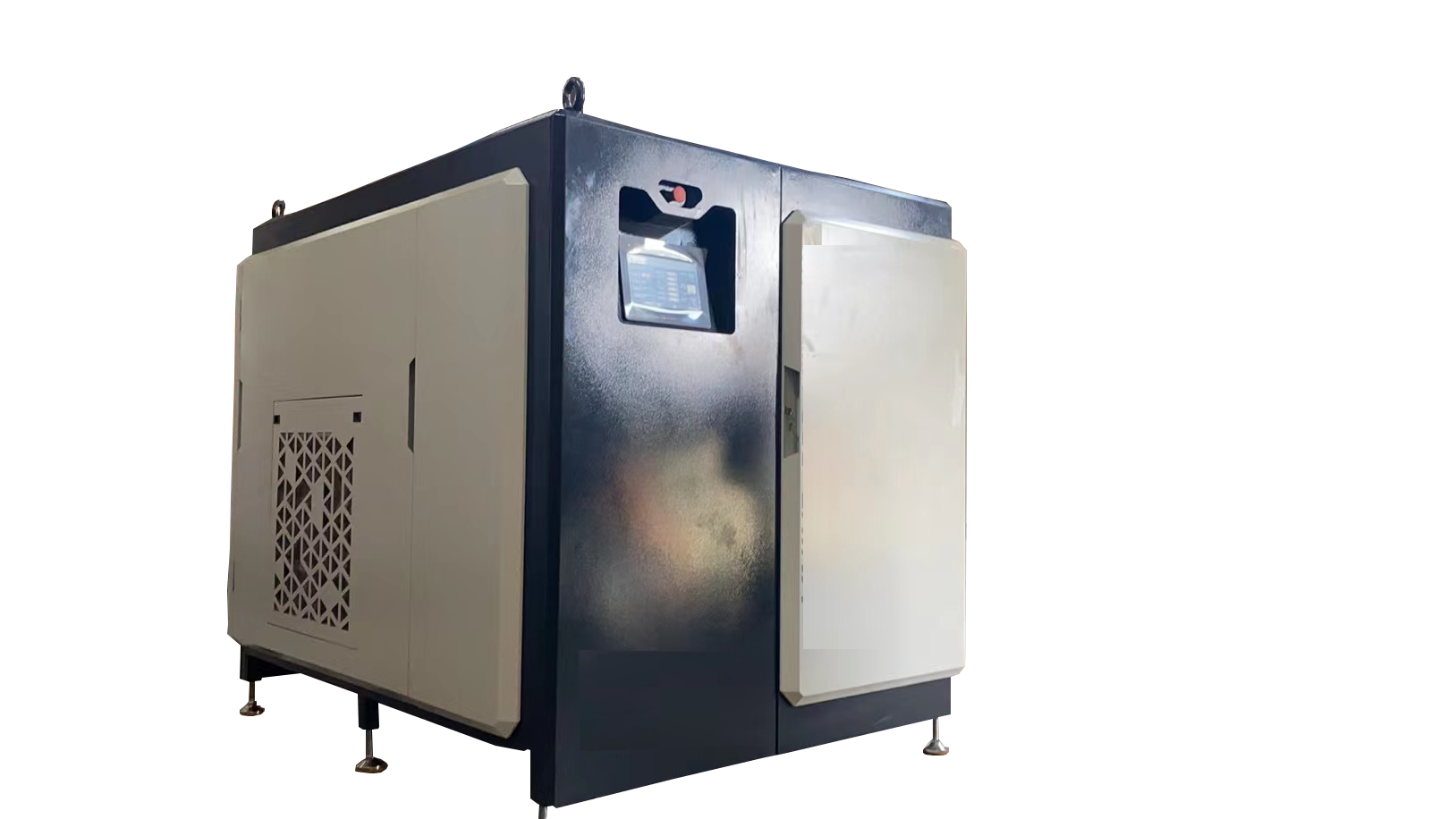
Industrial facilities across manufacturing, wastewater treatment, and HVAC applications constantly struggle with noise pollution from traditional blower systems. The revolutionary magnetic levitation blower technology addresses this challenge by eliminating the primary sources of mechanical noise found in conventional rotary and centrifugal blowers. Understanding how magnetic levitation blower systems achieve superior noise reduction requires examining the fundamental differences in their operating mechanisms compared to traditional bearing-supported equipment.
The noise reduction capabilities of magnetic levitation blower technology stem from the complete elimination of physical contact between rotating and stationary components. This contactless operation removes the vibration transmission pathways that generate the majority of noise in traditional blower systems. By suspending the impeller shaft using precisely controlled magnetic fields, these advanced blowers operate with significantly reduced mechanical disturbances, resulting in noise levels that can be 10-15 decibels lower than comparable conventional systems.
Elimination of Mechanical Contact Points
Magnetic Bearing Technology Fundamentals
The core noise reduction mechanism in a magnetic levitation blower begins with the magnetic bearing system that completely eliminates physical contact between the rotating shaft and stationary housing. Traditional blowers rely on ball bearings, roller bearings, or journal bearings that create metal-to-metal contact points. These contact interfaces generate friction, vibration, and mechanical wear that translate directly into audible noise. The magnetic levitation blower uses electromagnetic fields to suspend the impeller shaft in a stable position without any physical touching surfaces.
Active magnetic bearings in these systems employ sensors and control circuits that continuously monitor shaft position and adjust magnetic field strength to maintain perfect centering. This real-time control prevents the shaft from touching the bearing housing even under varying load conditions or external disturbances. The absence of mechanical contact eliminates bearing noise, which typically accounts for 40-60% of total noise generation in conventional blower systems.
The magnetic suspension system operates across the full speed range of the magnetic levitation blower without requiring different bearing configurations or lubrication systems. This consistent contactless operation maintains the same low noise characteristics from startup through maximum operating speed, unlike traditional bearings that may exhibit different noise signatures at various rotational velocities.
Vibration Transmission Path Interruption
Conventional blowers transmit mechanical vibrations through solid bearing connections directly to the housing and mounting structure. These vibration pathways create structure-borne noise that can propagate throughout the surrounding equipment and building framework. The magnetic levitation blower interrupts these transmission paths by creating an air gap between all rotating and stationary components, effectively isolating vibration sources from the external structure.
The electromagnetic suspension system in a magnetic levitation blower acts as a dynamic vibration isolator that adapts to changing operating conditions. Unlike passive vibration mounts that have fixed characteristics, the active magnetic bearings can adjust their stiffness and damping properties in real-time to minimize vibration transmission across different frequencies and operating modes.
This isolation capability extends beyond simple bearing noise reduction to encompass other vibration sources such as impeller imbalance, aerodynamic forces, and external disturbances. The magnetic bearing system can compensate for these dynamic forces before they reach the blower housing, preventing them from generating audible noise through structural vibration.
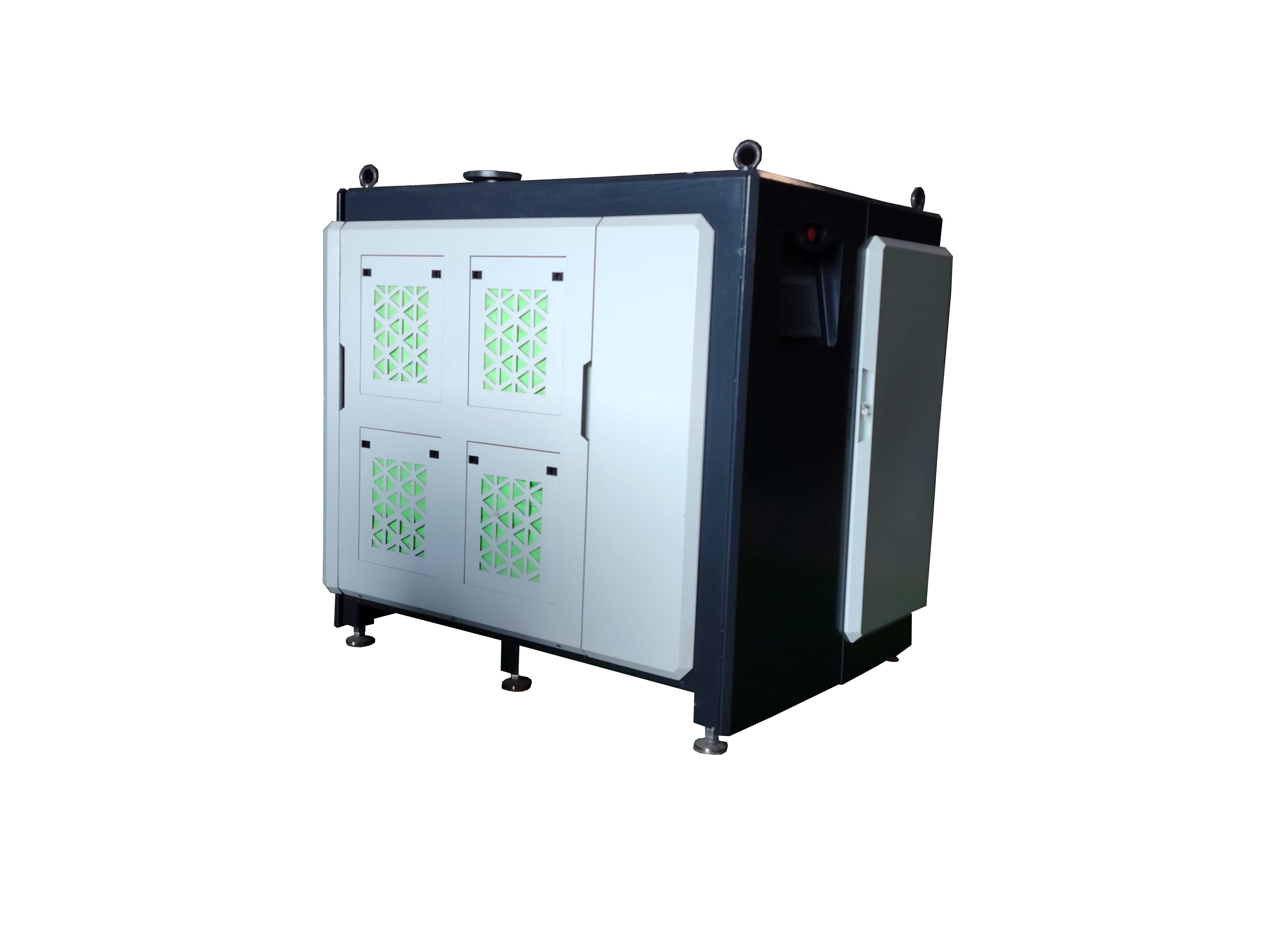
Advanced Impeller Design Integration
Precision Balancing Capabilities
The magnetic levitation blower enables unprecedented impeller balancing precision because the magnetic bearings can accommodate and compensate for residual imbalances that would cause severe vibration in conventional bearing systems. Traditional blowers require impellers to be balanced to tight tolerances during manufacturing, but even small imbalances create noise-generating vibrations when transmitted through rigid bearing connections.
Magnetic bearing systems in magnetic levitation blower applications can actively counteract impeller imbalances through controlled magnetic force adjustments. The bearing control system detects imbalance forces through position sensors and applies corrective magnetic forces to minimize shaft deflection and vibration. This active balancing capability allows the magnetic levitation blower to operate quietly even with impellers that would be unacceptably noisy in traditional bearing-supported systems.
The precision control achievable with magnetic bearings also enables the use of lighter impeller designs with optimized aerodynamic profiles. Reduced impeller mass decreases the magnitude of imbalance forces, while improved aerodynamic efficiency reduces turbulence-related noise generation. These design synergies contribute to the overall noise reduction performance of the magnetic levitation blower system.
Aerodynamic Noise Optimization
The stable, vibration-free rotation achieved by magnetic levitation blower systems allows for precise optimization of aerodynamic noise characteristics. Conventional blowers suffer from shaft wobble and bearing play that creates variations in impeller tip clearances and affects air flow patterns. These variations generate additional turbulence and flow disturbances that increase aerodynamic noise levels.
Magnetic bearings maintain extremely tight shaft positioning tolerances, typically within micrometers, ensuring consistent impeller tip clearances and smooth air flow paths. This precision positioning minimizes flow separation, tip leakage, and other aerodynamic disturbances that contribute to noise generation. The magnetic levitation blower can therefore operate at optimal aerodynamic efficiency while maintaining low noise output.
The absence of bearing-related vibrations also allows the magnetic levitation blower housing and inlet/outlet ducting to be designed specifically for aerodynamic noise reduction rather than accommodating mechanical vibration isolation requirements. Sound-absorbing materials and flow-smoothing geometries can be incorporated more effectively when mechanical noise sources are eliminated.
Electronic Control System Benefits
Variable Speed Operation Advantages
Most magnetic levitation blower systems incorporate variable frequency drives that enable precise speed control without the mechanical complexity of gearboxes or belt drives. Traditional speed control mechanisms introduce additional noise sources through gear mesh contact, belt slippage, and mechanical wear. The electronic speed control in magnetic levitation blower applications eliminates these mechanical noise contributors while providing smooth, stepless speed adjustment.
Variable speed capability allows the magnetic levitation blower to operate at the minimum speed required for each application condition, reducing both aerodynamic noise and power consumption. Lower operating speeds directly correlate with reduced air flow velocities and turbulence levels, resulting in quieter operation. The ability to precisely match blower output to system demand eliminates the need for throttling valves or bypass systems that can generate additional flow noise.
The electronic control system can also implement advanced algorithms that optimize operating parameters for minimum noise generation. These algorithms can adjust speed, magnetic bearing stiffness, and other parameters based on real-time feedback from vibration sensors and acoustic monitoring systems integrated into the magnetic levitation blower control package.
Predictive Maintenance Integration
The sensor-rich environment of magnetic levitation blower systems enables sophisticated condition monitoring that prevents noise-generating problems before they develop. Traditional bearing wear, misalignment, and imbalance issues that gradually increase noise levels can be detected and corrected automatically by the magnetic bearing control system. This predictive capability maintains consistent low noise operation throughout the equipment lifecycle.
Continuous monitoring of magnetic bearing performance parameters allows the magnetic levitation blower control system to identify developing issues such as sensor drift, magnetic circuit degradation, or impeller deposits that could affect noise levels. Early detection enables proactive maintenance interventions that preserve optimal acoustic performance rather than allowing gradual noise increases that are common with wear-prone conventional bearing systems.
The elimination of periodic bearing replacement and lubrication requirements also removes the maintenance activities that can temporarily increase noise levels due to assembly tolerances, break-in periods, or improper installation procedures. The magnetic levitation blower maintains consistent noise characteristics without the periodic variations associated with traditional bearing maintenance cycles.
Installation and Environmental Considerations
Foundation and Mounting Simplification
The inherently low vibration characteristics of magnetic levitation blower systems significantly reduce foundation and mounting requirements compared to conventional blowers. Traditional high-capacity blowers often require massive concrete foundations, vibration isolation mounts, and structural reinforcement to prevent noise transmission to surrounding areas. The magnetic levitation blower generates minimal structural vibration, allowing installation on lighter foundations with reduced isolation requirements.
Simplified mounting systems reduce both installation costs and potential noise transmission pathways. Rigid mounting connections that would transmit vibration from conventional blowers can be used safely with magnetic levitation blower systems because there is minimal vibration to transmit. This mounting flexibility allows installation in noise-sensitive locations where conventional blowers would require extensive noise control measures.
The reduced foundation requirements also enable installation of magnetic levitation blower systems in upper-floor mechanical rooms or other locations where weight and vibration constraints would prohibit conventional equipment. This installation flexibility can improve overall system efficiency by reducing ductwork lengths and pressure losses while maintaining acceptable noise levels.
Acoustic Enclosure Optimization
When acoustic enclosures are required for magnetic levitation blower installations, the low noise generation allows for more cost-effective enclosure designs with reduced sound attenuation requirements. Conventional blower enclosures must address both airborne noise and structure-borne vibration transmission, requiring heavy construction with vibration isolation and multiple layers of sound-absorbing materials.
Magnetic levitation blower enclosures can focus primarily on aerodynamic noise attenuation because mechanical noise sources are minimized. This simplified acoustic treatment reduces enclosure weight, cost, and space requirements while achieving superior overall noise reduction performance. Ventilation requirements for the enclosure are also reduced because the magnetic levitation blower generates less heat than conventional systems with bearing friction losses.
The predictable noise characteristics of magnetic levitation blower systems enable more accurate acoustic modeling during the design phase, ensuring that enclosure specifications meet noise targets without over-design. This precision reduces both initial costs and long-term energy consumption for enclosure ventilation systems.
FAQ
How much quieter is a magnetic levitation blower compared to conventional blowers?
Magnetic levitation blowers typically operate 10-15 decibels quieter than comparable conventional blowers, which represents a noise reduction that sounds approximately 50-75% quieter to the human ear. The actual noise reduction depends on the specific application, operating conditions, and comparison baseline, but the elimination of bearing noise and vibration transmission consistently produces significant improvements across all operating ranges.
Do magnetic levitation blowers require special acoustic treatment in mechanical rooms?
Magnetic levitation blowers often require less acoustic treatment than conventional blowers due to their inherently low noise generation. However, aerodynamic noise from high-velocity air flow may still require attention in noise-sensitive installations. The reduced vibration characteristics typically eliminate the need for special foundation isolation or structural vibration control measures that are common with traditional blower installations.
Can magnetic levitation blowers maintain low noise levels throughout their operating life?
Yes, magnetic levitation blowers maintain consistent noise levels throughout their operating life because they eliminate the wear mechanisms that cause gradual noise increases in conventional blowers. Bearing wear, lubrication degradation, and mechanical loosening that typically increase noise over time are not factors in magnetic bearing systems. Predictive monitoring capabilities also enable proactive maintenance to preserve optimal acoustic performance.
What happens to noise levels if the magnetic bearing system experiences a malfunction?
Magnetic levitation blower systems include backup bearing systems that engage automatically if the magnetic bearings lose power or malfunction. During backup bearing operation, noise levels will increase to levels similar to conventional blowers, but sophisticated control systems typically prevent this condition through redundant magnetic circuits and uninterruptible power supplies. Most systems provide advance warning of potential magnetic bearing issues before backup operation becomes necessary.
Table of Contents
- Elimination of Mechanical Contact Points
- Advanced Impeller Design Integration
- Electronic Control System Benefits
- Installation and Environmental Considerations
-
FAQ
- How much quieter is a magnetic levitation blower compared to conventional blowers?
- Do magnetic levitation blowers require special acoustic treatment in mechanical rooms?
- Can magnetic levitation blowers maintain low noise levels throughout their operating life?
- What happens to noise levels if the magnetic bearing system experiences a malfunction?