
 EN
EN
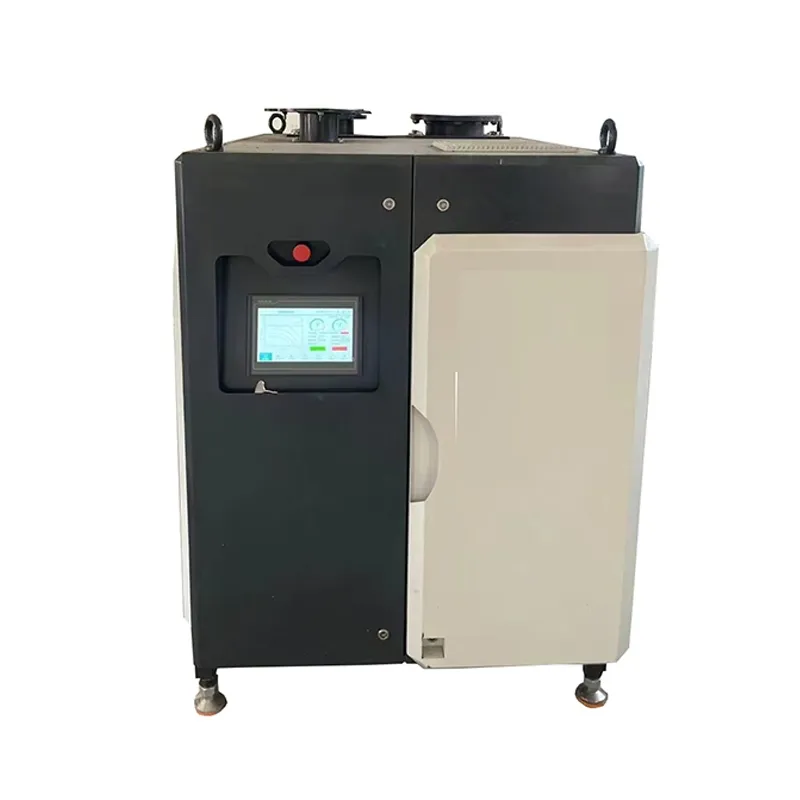
Pneumatic conveying systems depend on reliable air movement to transport materials efficiently across industrial facilities. A centrifugal blower serves as the core component that enables these systems to achieve consistent, high-pressure airflow necessary for moving powders, granules, and other dry materials through enclosed ducts and pipelines.
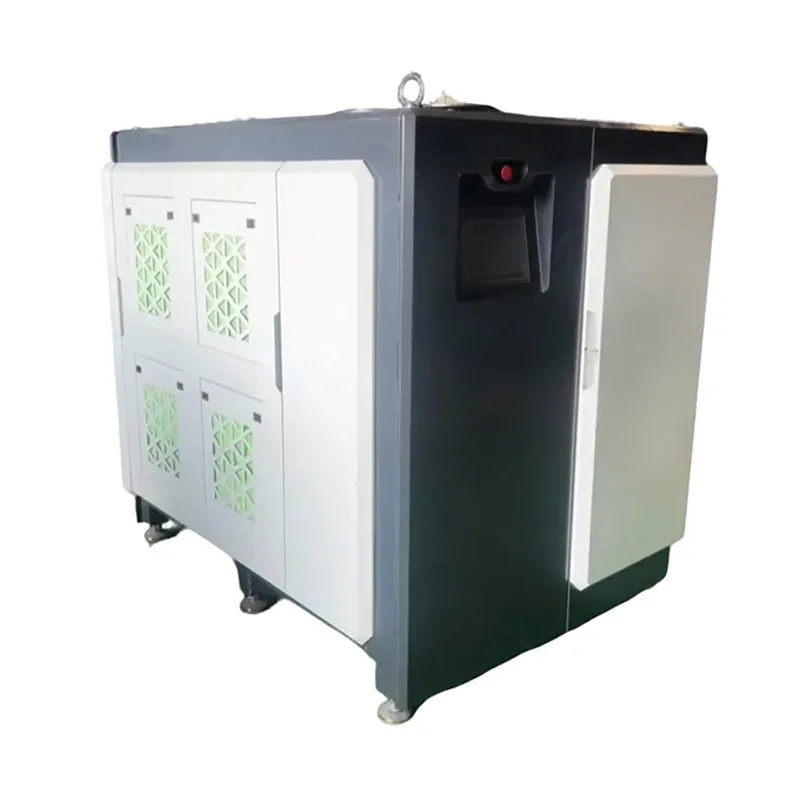
Selecting the right centrifugal fan applications and high pressure blower specifications is critical for optimizing performance and minimizing operational costs. Industrial air handling systems must match the exact material characteristics, distance requirements, and volume demands of your specific conveying process. Understanding how centrifugal blowers function within pneumatic conveying workflows helps operators and engineers make informed decisions about equipment selection, system design, and long-term reliability.
Understanding Centrifugal Blower Function in Pneumatic Conveying
How Centrifugal Blowers Generate Conveying Pressure
A centrifugal blower operates by rotating an impeller that accelerates air outward through centrifugal force, creating sustained pressure and flow. This design delivers the continuous, stable airflow that pneumatic conveying systems demand. Unlike positive displacement blowers, centrifugal fan applications excel at providing consistent pressure across varying load conditions, making them ideal for systems that must handle material fluctuations without pressure spikes that could damage ductwork or disrupt material flow.
The high pressure blower specifications determine how much force the system can exert on materials. Industrial air handling systems typically specify blower discharge pressure in inches of water column (iwc) or bar, with conveying systems commonly requiring 5 to 15 iwc for standard applications. Heavier materials or longer conveying distances demand blowers sized for higher discharge pressures, ensuring materials move steadily rather than settling or bridging inside pipes.
Integration with Pneumatic Conveying System Architecture
Pneumatic conveying relies on a carefully balanced pressure differential between the blower discharge and the receiving vessel. A centrifugal blower must coordinate seamlessly with filter systems, rotary valves, and ductwork to maintain optimal conveying velocity. The blower sits upstream in pressure systems or downstream in vacuum systems, with high pressure blower specifications matching the system configuration, material properties, and throughput targets.
Industrial air handling systems engineers calculate required airflow volume in cubic feet per minute (cfm) based on material density, conveying distance, and desired delivery speed. The centrifugal blower must deliver both adequate volume and pressure simultaneously; undersizing either parameter causes slow movement, material bridging, or complete flow stoppage.
Selecting High Pressure Blower Specifications for Your Application
Matching Blower Capacity to Material and Distance
Different materials demand different centrifugal fan applications strategies. Lightweight powders like talc or flour require lower pressure but higher velocity to prevent settling, while dense aggregates need sustained pressure to maintain material acceleration through extended piping runs. High pressure blower specifications must account for pipe diameter, total conveying distance, elevation changes, and bend quantity; longer distances and more bends increase resistance and demand higher discharge pressure from your centrifugal blower.
Industrial air handling systems calculations incorporate material loading ratio—the weight of material moved per unit of air. Higher loading ratios demand more powerful blowers to maintain sufficient air velocity around material particles. Systems moving cement over 300 feet may require significantly larger, higher-capacity centrifugal blowers than those moving the same material just 50 feet, illustrating why site-specific engineering matters.
Pressure, Flow, and Efficiency Considerations
The operating point where a centrifugal blower delivers maximum efficiency occurs at a specific combination of pressure and flow. Oversizing your blower wastes energy and increases noise; undersizing creates bottlenecks that disrupt production. High pressure blower specifications should identify the design point—expressed as cfm and iwc—where your typical conveying load operates most efficiently.
Modern industrial air handling systems leverage variable speed drives and soft starters to adapt centrifugal fan applications to changing production demands. A blower sized for peak capacity can operate at reduced speed during lighter cycles, cutting energy consumption substantially. This flexibility represents one of the key advantages of centrifugal blower technology in dynamic manufacturing environments.
Operational Benefits and System Reliability
Achieving Consistent Material Flow and Process Control
Centrifugal blowers deliver stable, pulsation-free airflow that enables precise material transport and consistent end-product quality. Industrial air handling systems benefit from this smoothness, as variable pressure causes material speed fluctuations that can damage sensitive products or create inconsistent mixing. The steady discharge characteristic makes centrifugal fan applications especially valuable in pharmaceutical, food, and chemical processing where process consistency directly affects product integrity.
Material arrival time becomes predictable when a high pressure blower maintains steady output, improving downstream scheduling and batch processing accuracy. Operators can rely on consistent conveying velocity, reducing the need for constant manual adjustments or system monitoring complications.
Long-Term Durability and Maintenance Advantages
Centrifugal blowers operate at lower rotational speeds than many competing technologies, reducing bearing wear and extending maintenance intervals. Industrial air handling systems with properly specified centrifugal fan applications often require bearing replacement only every 3 to 5 years under normal duty cycles. Lower speed operation also means quieter facility environment, improving worker conditions and reducing noise mitigation costs.
The robust design of centrifugal blower impellers resists particulate erosion better than many alternatives, particularly important when conveying abrasive materials like sand or mineral aggregates. High pressure blower specifications should include material selection for wetted components when particulate erosion is anticipated, ensuring years of reliable service without premature impeller degradation.
FAQ
What determines the required pressure rating for a centrifugal blower in pneumatic conveying?
Required pressure depends on material density, conveying distance, pipe diameter, number of bends, and elevation changes. Denser materials and longer distances demand higher discharge pressure. Industrial air handling systems typically require 5 to 15 inches of water column for standard applications, though specialized systems may go higher. Site-specific engineering calculations based on exact conveying parameters determine the precise high pressure blower specifications needed.
How do centrifugal fan applications compare to alternative blower types for pneumatic conveying?
Centrifugal blowers excel at delivering stable, continuous pressure with lower noise and vibration than positive displacement alternatives. They operate efficiently across varying load conditions and integrate well with variable speed drives for energy savings. Positive displacement blowers deliver higher pressure in compact packages but consume more energy and generate more pulsation. For most industrial air handling systems, centrifugal blower technology offers the best balance of efficiency, reliability, and cost.
Can a single centrifugal blower handle multiple conveying lines simultaneously?
Yes, properly sized centrifugal blowers can supply multiple conveying lines through splitter ducts and individual rotary valve controls. However, total airflow and pressure must satisfy the combined demands of all active lines. High pressure blower specifications must account for simultaneous operation scenarios to ensure adequate performance. Complex multi-line systems often benefit from dedicated blowers for each line to maximize control and reliability in industrial air handling systems.