
 EN
EN
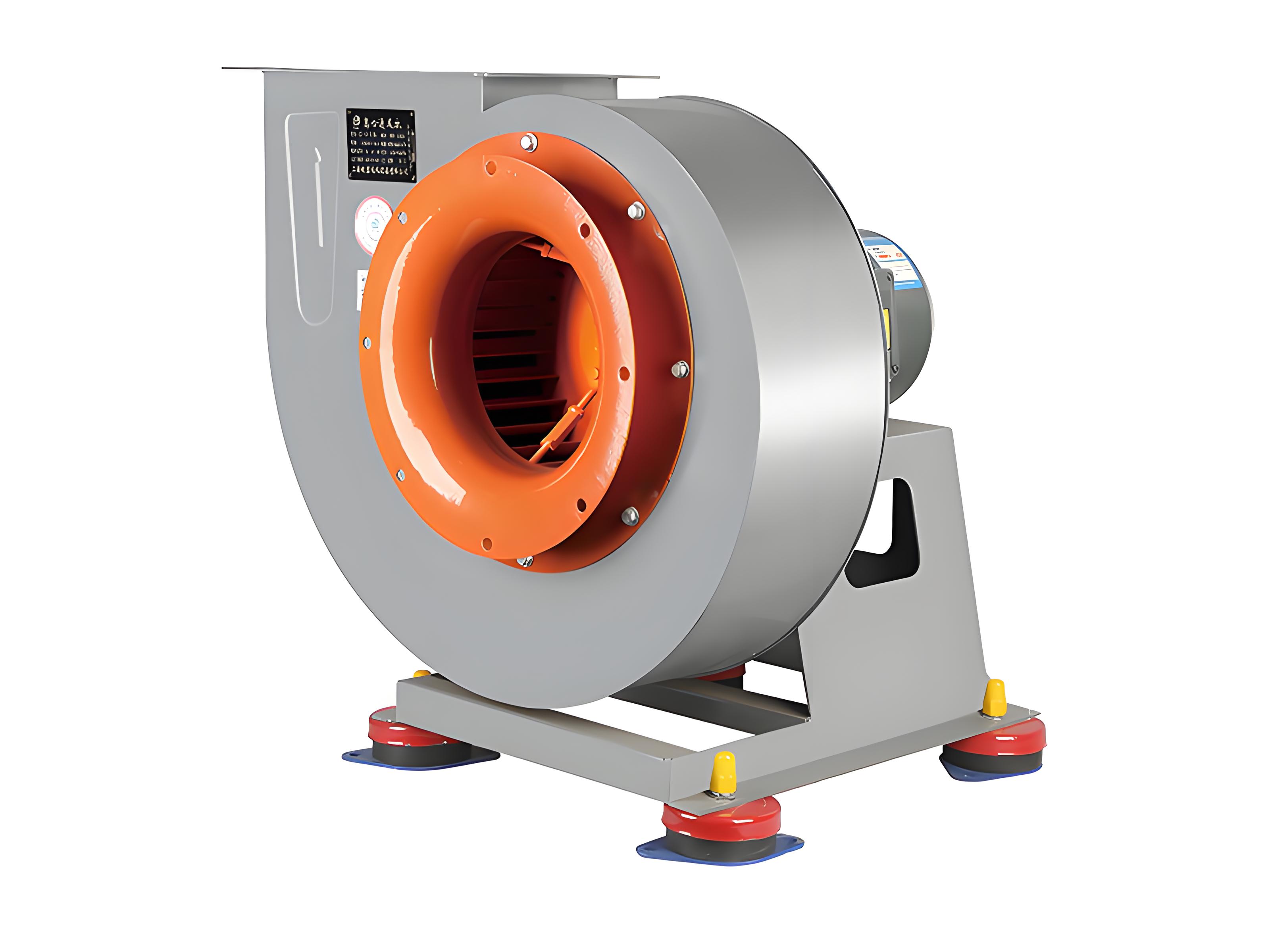
Selecting the right centrifugal blower for your industrial application requires careful evaluation of multiple technical parameters before you commit to an order. Many buyers focus only on price and general specifications, overlooking critical factors that directly impact equipment performance, reliability, and operational cost over time. Understanding what to verify ensures your investment delivers the airflow capacity, pressure rating, and efficiency your application truly demands.
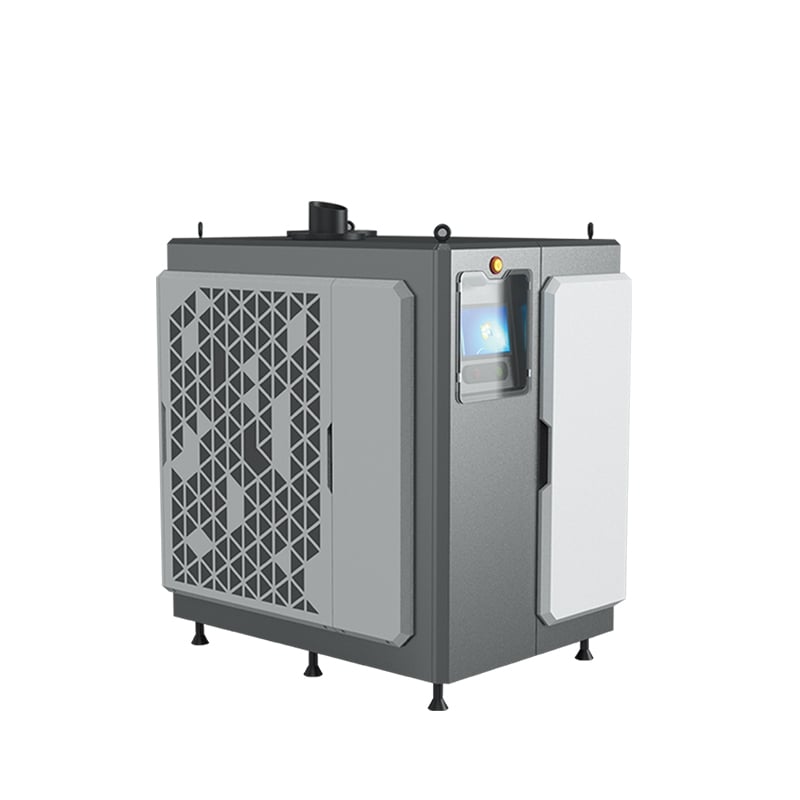
Industrial ventilation systems depend on precise equipment specification matching. When evaluating high pressure air delivery requirements, buyers must verify dimensional compatibility, motor specifications, construction materials, and performance curves against actual operating conditions. This systematic review process prevents costly installation delays, performance shortfalls, and premature equipment failure in demanding factory and processing environments.
Airflow Capacity and Pressure Rating Requirements
Measuring Flow Rate Compatibility
Airflow capacity, measured in cubic feet per minute or cubic meters per hour, forms the foundation of any centrifugal blower selection decision. Your application requires a specific volume of air movement, and the blower must deliver at least that capacity under your actual operating conditions. Many technical specification sheets list performance at standard conditions, but real-world pressure drops, temperature variations, and system resistance reduce effective output. Buyers should calculate the total system resistance first, then verify the blower's performance curve confirms adequate delivery at that resistance point, not just at zero resistance.
Static Pressure and Velocity Head Assessment
High pressure air delivery performance depends on understanding both static pressure and velocity head measurements. Static pressure indicates the force the blower generates to overcome ductwork friction and system components, while velocity head represents kinetic energy of moving air. HVAC equipment specifications typically separate these values because a blower that excels at generating static pressure may underperform in low-resistance, high-velocity applications. Industrial ventilation systems often operate at pressures ranging from two to fifteen inches of water column, and your centrifugal blower must be rated for your specific pressure requirement with adequate safety margin for future system expansion or contamination accumulation.
Motor and Drive System Specifications
Power Rating and Electrical Compatibility
The motor driving your centrifugal blower must match your facility's electrical infrastructure and operational requirements. Verify the motor's horsepower, voltage, phase configuration, and frequency compatibility before ordering. Single-phase motors limit availability at larger sizes, while three-phase motors offer better efficiency and higher power ratings. HVAC equipment specifications should clearly indicate whether the motor includes thermal overload protection, whether it operates at constant speed or variable frequency drive compatibility, and whether soft-starter capability exists for reduced inrush current during startup. Energy consumption directly impacts operating costs, so reviewing the motor's efficiency rating and full-load amperage ensures alignment with your budget constraints and facility capacity.
Drive Mechanism Selection
Centrifugal blowers use either direct-drive or belt-drive configurations, each suited to different applications within industrial ventilation systems. Direct-drive systems eliminate belt maintenance, offer higher efficiency, and run at fixed motor speed, typically three thousand or thirty-six hundred revolutions per minute. Belt-drive configurations allow speed adjustment through pulley changes, reducing power consumption in variable-load scenarios and enabling stepless speed control with adjustable sheaves. High pressure air delivery applications often benefit from belt drives because they permit fine-tuning performance after installation without motor replacement. However, belt systems require regular maintenance and replacement, adding operational overhead. Evaluate your application's tolerance for vibration and noise, maintenance capacity, and future flexibility when choosing between these drive mechanisms.
Construction Materials and Environmental Suitability
Housing and Impeller Material Compatibility
The materials used in your centrifugal blower's construction determine its suitability for corrosive, high-temperature, or contamination-laden environments. Standard mild steel housings work well in clean, temperature-controlled industrial ventilation systems but corrode rapidly when exposed to moisture, salt air, or chemical-laden streams. Stainless steel, aluminum, and coated steel options provide superior corrosion resistance at higher cost. Impellers, the rotating components that move air, must resist both mechanical stress and environmental attack. HVAC equipment specifications should specify material grades, and buyers should verify whether the selection matches your actual operating environment rather than assuming generic compatibility. Applications handling dust, humidity, temperature extremes, or aggressive chemical fumes require material selections confirmed in writing before equipment delivery.
Bearing Type and Lubrication System
Bearing selection significantly impacts reliability and maintenance demands for your centrifugal blower investment. Rolling element bearings in standard configurations require regular lubrication intervals and eventual replacement as wear accumulates. Magnetic bearing systems eliminate mechanical contact, dramatically extending bearing life and reducing friction losses in high-speed applications. Sealed bearing assemblies minimize contamination ingress but may increase operating temperature if cooling is inadequate. When reviewing HVAC equipment specifications and industrial ventilation systems documentation, verify the bearing type, lubrication requirements, and expected service intervals. Sealed bearings work well in clean environments but create heat buildup risks under high-load continuous operation. Open bearings tolerate higher temperatures but require protected enclosures in dirty industrial settings. Understanding your facility's maintenance capability and environmental conditions ensures the bearing selection you specify delivers reliable service without unexpected downtime.
Performance Curves and System Integration Validation
Reading Performance Curve Data Accurately
Centrifugal blower manufacturers provide performance curves showing the relationship between airflow, pressure, power consumption, and efficiency across the blower's operating range. These curves guide buyers in selecting equipment that operates efficiently at your intended duty point rather than at maximum or minimum capacity. Operating far from the design point creates inefficiency, vibration, and accelerated wear. Responsible buyers request the full performance curve from manufacturers, identify their specific duty point on that curve, and confirm the blower operates within the recommended range, typically between seventy and one hundred percent of maximum flow. Performance curves also reveal noise levels, which increase substantially as flow approaches maximum and pressure drops to zero. This high-flow, low-pressure operation, called surge condition, can damage centrifugal blowers through destructive vibration. Industrial ventilation systems specifications must include exact duty points with flow and pressure values confirmed on the manufacturer's performance curve to prevent these dangerous operating regimes.
System Impedance Matching and Flexibility
High pressure air delivery success depends on matching the blower's output characteristics to your actual system resistance. System resistance changes as filters clog, dampers adjust, and environmental conditions vary throughout daily operations. A centrifugal blower selected precisely for clean filter conditions may surge or stall when filter pressure rise increases system resistance. Responsible specifications include operational margin, typically selecting equipment capable of maintaining required flow at twenty to forty percent higher system resistance than clean-condition calculations predict. This margin accommodates filter fouling, installation variations, and future system modifications without requiring equipment replacement. Buyers should ask manufacturers whether variable-frequency drives integrate with their motor selection, enabling automatic speed adjustment as system resistance changes and maintaining steady performance throughout the equipment's operating life within industrial ventilation systems.
FAQ
What is the typical operating lifespan of a centrifugal blower in industrial applications?
Well-maintained centrifugal blowers in standard industrial ventilation systems typically operate reliably for eight to fifteen years, with proper bearing lubrication and material compatibility being primary factors. Operating outside design specifications, high contamination exposure, or inadequate maintenance can reduce service life significantly. HVAC equipment specifications should include expected bearing life estimates and maintenance intervals to help you plan replacement budgets and evaluate total cost of ownership.
How do I calculate the system resistance my centrifugal blower must overcome?
System resistance combines ductwork friction losses, component pressure drops from dampers and filters, and velocity pressure needed for your desired air speed. Professional HVAC equipment design uses friction charts and component loss coefficients to sum total system resistance in inches of water column. High pressure air delivery applications should include this calculation in specifications submitted to manufacturers, who then confirm blower performance at your resistance value on their performance curve.
Can a centrifugal blower be oversized to provide operational flexibility?
Moderate oversizing with proper controls enhances flexibility, but excessive oversizing creates inefficiency, noise, and vibration in industrial ventilation systems. Oversized centrifugal blowers operating at reduced flow rates move into unstable surge regions, reducing reliability. Instead, specify equipment matching your duty point with throttle-based or frequency-drive controls that allow output adjustment while maintaining stable operation within the blower's efficient performance range.