
 EN
EN
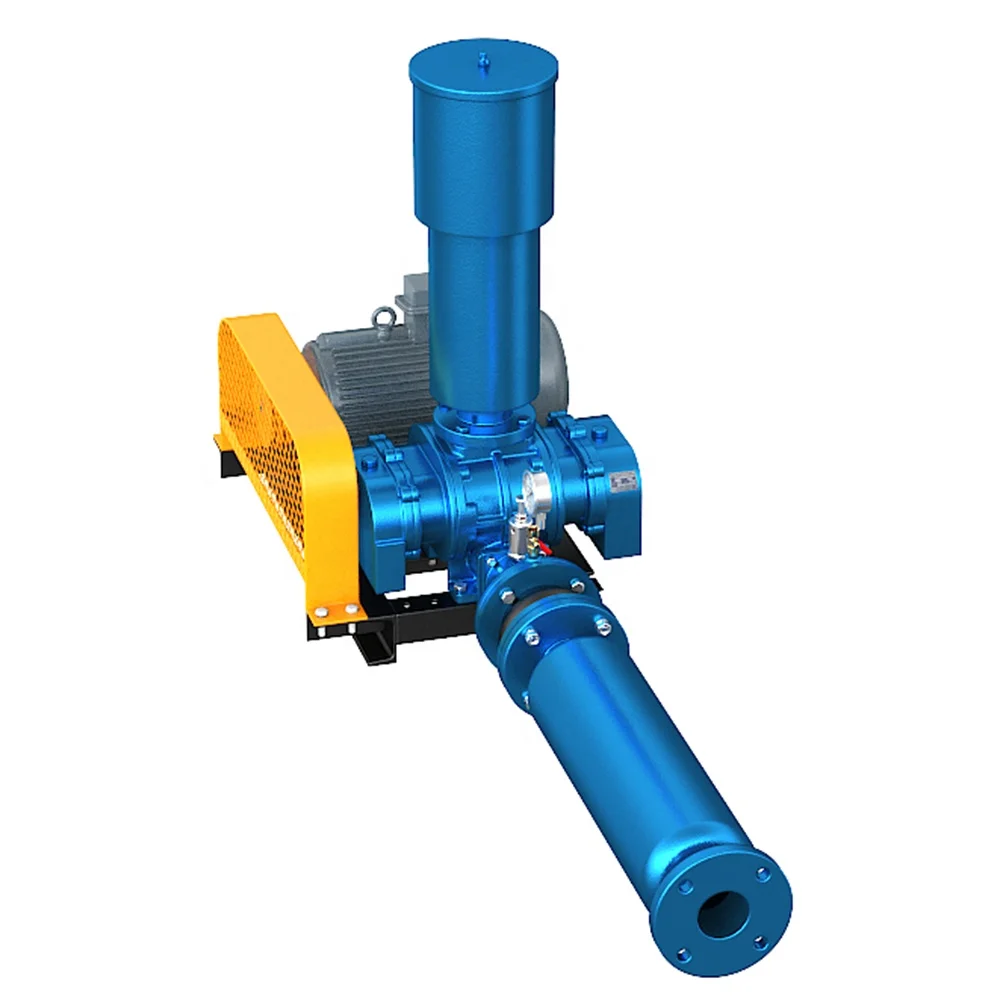
Wastewater treatment facilities face constant pressure to optimize aeration performance while managing operational costs and energy consumption. A lobe roots blower represents a proven solution that directly addresses these challenges through reliable, consistent air delivery to treatment tanks. The specialized design of this equipment ensures that oxygen transfer remains stable across varying flow rates, making it an essential technology in modern wastewater systems.
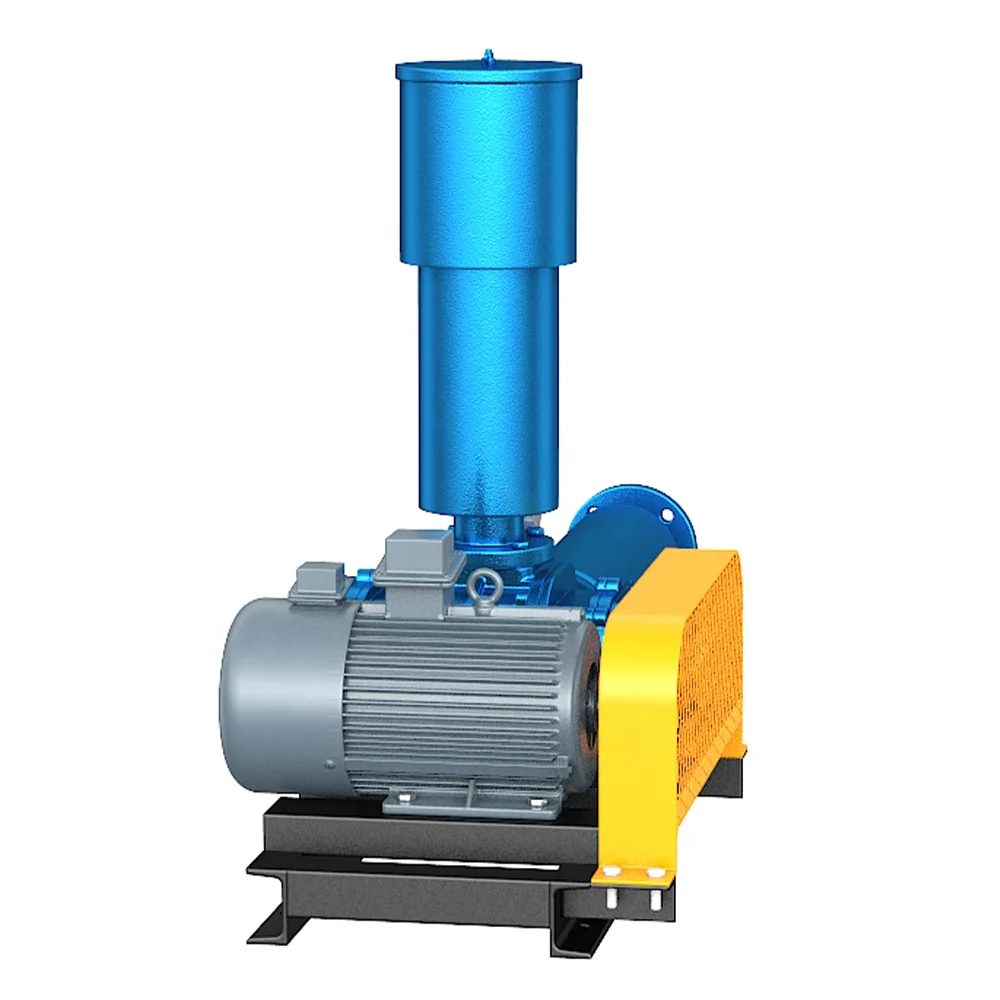
The rotary lobe blower specifications define its capability to maintain precise pressure and flow characteristics essential for biological treatment processes. Industrial air compression equipment like this operates on positive displacement principles, ensuring that every cycle delivers a measurable volume of air regardless of downstream pressure variations. This predictability makes rotary lobe blower specifications particularly valuable for facilities managing fluctuating influent loads and demanding regulatory compliance standards.
How Positive Displacement Technology Enhances Oxygen Transfer
Consistent Air Delivery Mechanism
Positive displacement blower applications function by trapping and forcing air through a fixed displacement chamber with each rotation. Unlike centrifugal fans that vary output with speed changes, this technology guarantees consistent volume delivery. A lobe roots blower uses two rotating lobes that create expanding and contracting chambers, pushing air forward in precise increments. This mechanical certainty ensures that aeration basins receive steady oxygen supply even when influent biochemical oxygen demand fluctuates unpredictably.
Energy Efficiency and Flow Stability
The efficiency advantage of rotary lobe blower specifications lies in reduced energy waste during low-demand periods. Traditional blowers often run at constant speeds, wasting power when full flow is unnecessary. Industrial air compression equipment based on positive displacement principles adapts more naturally to actual demand, preventing the energy spikes associated with continuous oversupply. This capability directly reduces operating costs while maintaining the dissolved oxygen concentrations required for activated sludge processes and secondary treatment success.
Performance Improvements in Wastewater Aeration Systems
Oxygen Transfer Efficiency Gains
Wastewater facilities implementing a lobe roots blower typically observe measurable improvements in oxygen transfer rates within the first operational month. The consistent pressure profile from positive displacement blower applications ensures that diffuser membranes receive uniform air flow, eliminating dead zones where oxygen concentration drops below biological process requirements. Industrial air compression equipment with these characteristics enables facilities to achieve target dissolved oxygen levels of 2 to 4 milligrams per liter using less total air volume than conventional systems. This translates to faster nitrification, improved biological floc formation, and stronger effluent quality compliance.
Mechanical Reliability and Reduced Downtime
Rotary lobe blower specifications emphasize robust construction with minimal moving parts compared to other aeration technologies. A lobe roots blower contains primarily two lobes and a housing, reducing failure points and enabling simpler maintenance schedules. Because positive displacement blower applications operate at lower speeds than centrifugal alternatives, bearing stress and component wear decrease significantly. Many industrial air compression equipment installations report annual maintenance costs 30 to 40 percent lower than centrifugal systems serving identical treatment capacities, with most service performed during planned shutdowns rather than emergency responses.
Selecting the Right Industrial Air Compression Equipment
Matching Capacity to Treatment Process Demands
Proper equipment selection begins with calculating the air demand based on basin volume, biological oxygen uptake rate, and target dissolved oxygen concentration. A lobe roots blower must be sized to deliver sufficient flow during peak loading conditions while operating efficiently during average load periods. Rotary lobe blower specifications typically range from small units serving 0.5 megagallon-per-day facilities to large industrial installations handling 50 megagallons per day or more. Evaluating your facility's historical influent patterns helps ensure positive displacement blower applications deliver reliable performance across all operational scenarios rather than oversizing equipment that wastes energy during normal conditions.
Integration with Existing Diffuser Systems
The compatibility between industrial air compression equipment and existing diffuser infrastructure significantly affects implementation success. A lobe roots blower works effectively with both fine-bubble and coarse-bubble diffusers, though fine-bubble systems typically deliver superior oxygen transfer when paired with consistent positive displacement blower applications. Rotary lobe blower specifications should match the diffuser pressure requirements and flow characteristics already present in your aeration basins. Facilities upgrading from older centrifugal systems often find that positive displacement blower applications reduce required pressure, enabling the reuse of existing piping and diffuser components while lowering operational power consumption.
FAQ
What makes a lobe roots blower superior to centrifugal alternatives for wastewater treatment?
A lobe roots blower delivers consistent flow across varying pressure conditions, while centrifugal models reduce output when downstream pressure increases. For wastewater aeration, this predictability ensures stable dissolved oxygen delivery. Positive displacement blower applications also operate at lower speeds, reducing mechanical stress and extending component life. Industrial air compression equipment based on rotary lobe blower specifications typically proves more cost-effective over the equipment lifecycle due to lower maintenance and energy consumption.
How does positive displacement blower technology impact wastewater aeration efficiency?
Positive displacement blower applications provide uniform air pressure throughout aeration basins, eliminating zones of insufficient oxygen that compromise biological treatment. A lobe roots blower ensures that rotary lobe blower specifications deliver the required volume consistently, enabling more precise process control and better effluent quality. Industrial air compression equipment designed on displacement principles often requires 15 to 25 percent less total air volume to achieve identical treatment outcomes compared to traditional centrifugal systems, directly reducing operational energy costs.
What installation considerations apply when implementing a lobe roots blower?
Site assessment should verify adequate foundation support for the blower and motor assembly, appropriate electrical service capacity, and correct piping diameter to prevent excess pressure drop. Positive displacement blower applications require intake air filtration to protect rotary lobe blower specifications and prevent premature wear. Industrial air compression equipment must connect to properly sized discharge piping that accommodates peak flow without exceeding designed pressure limits. Noise attenuation measures like discharge silencers are typically necessary in facilities near residential areas, as positive displacement blower applications operate at audible frequencies throughout their speed range.